Slow-Cooked Lamb Curry
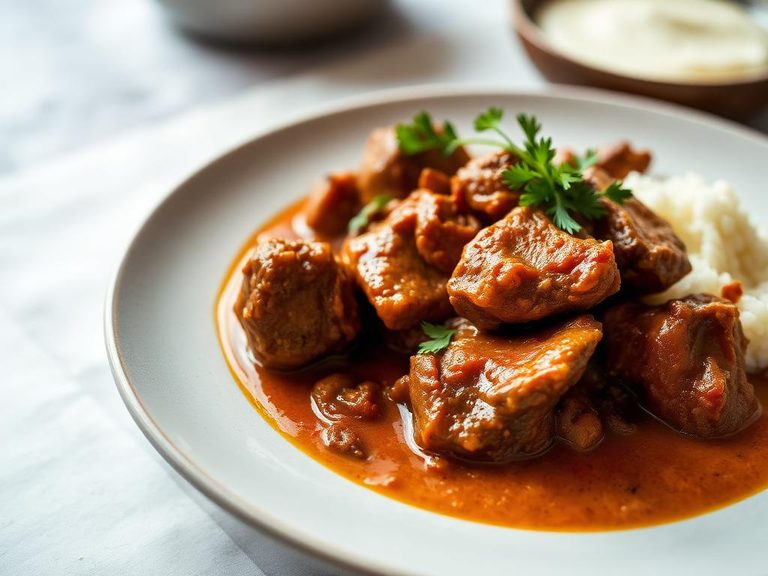
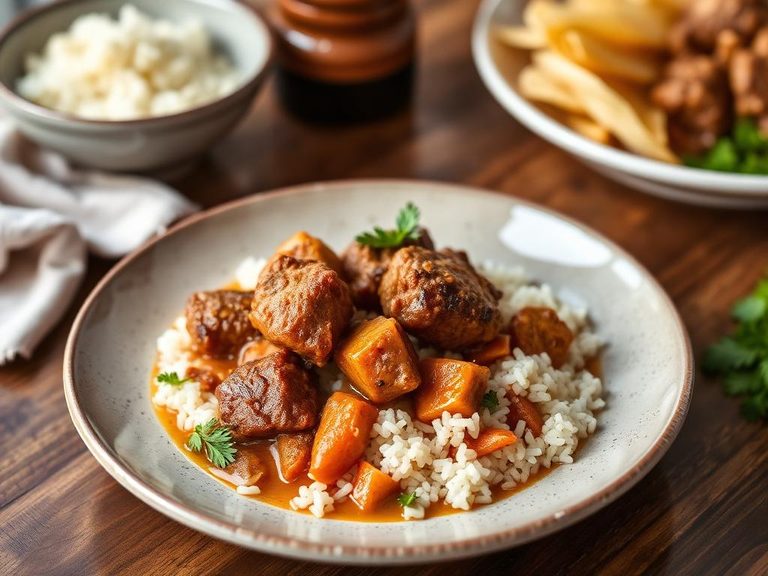
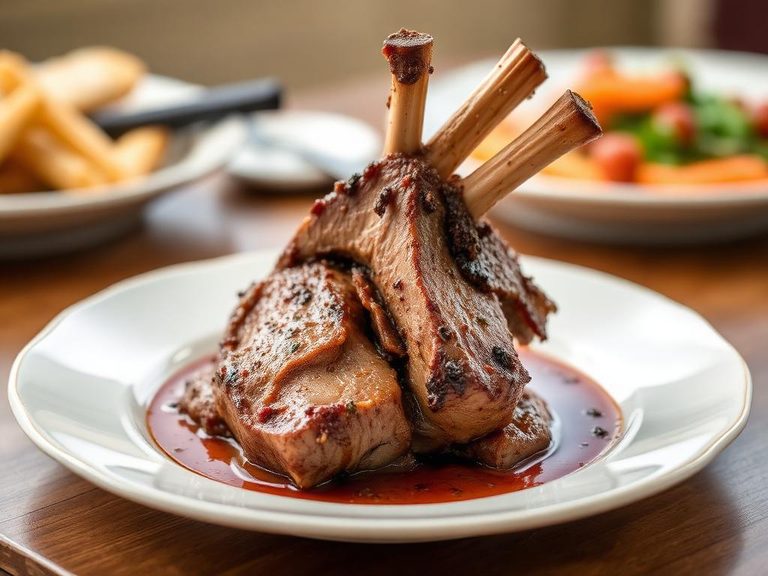
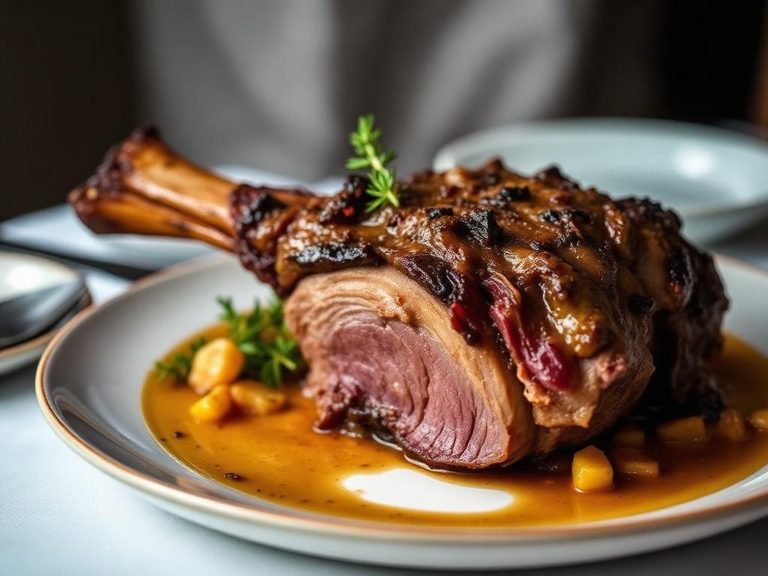
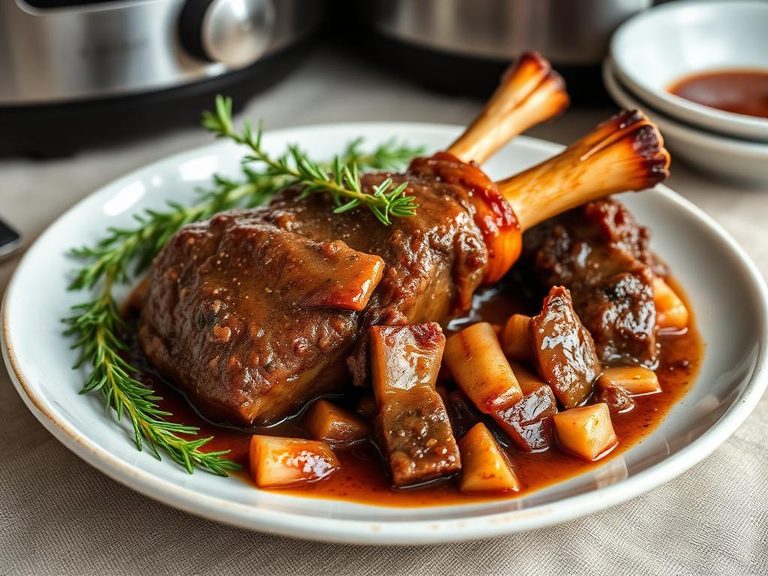
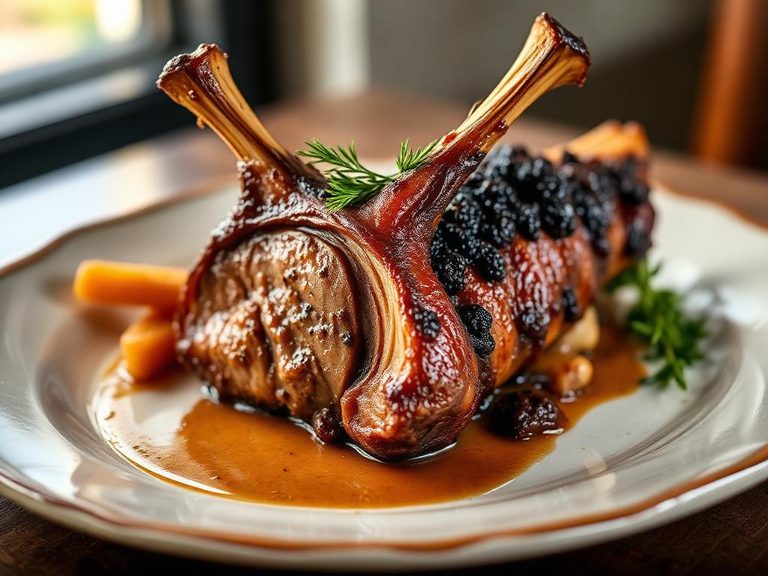
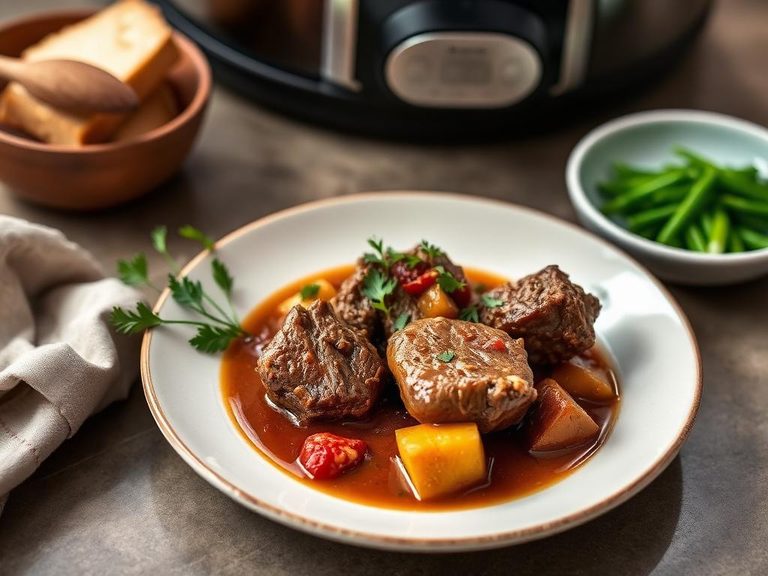
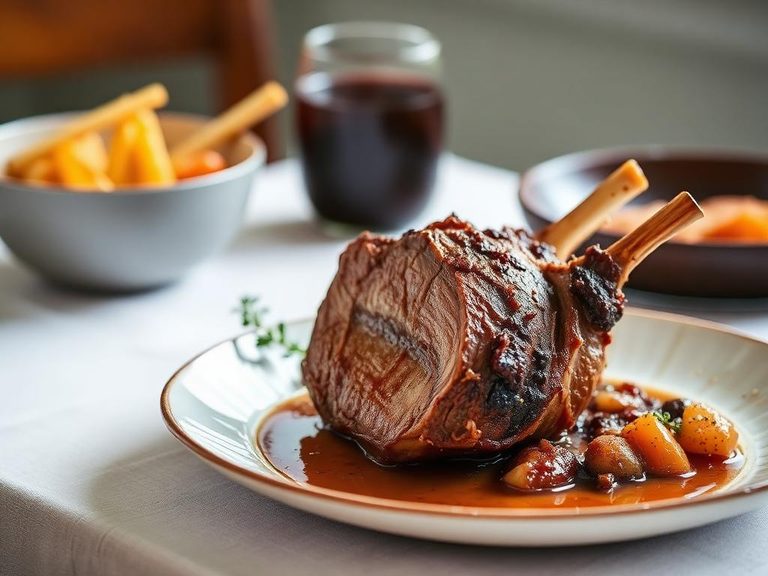
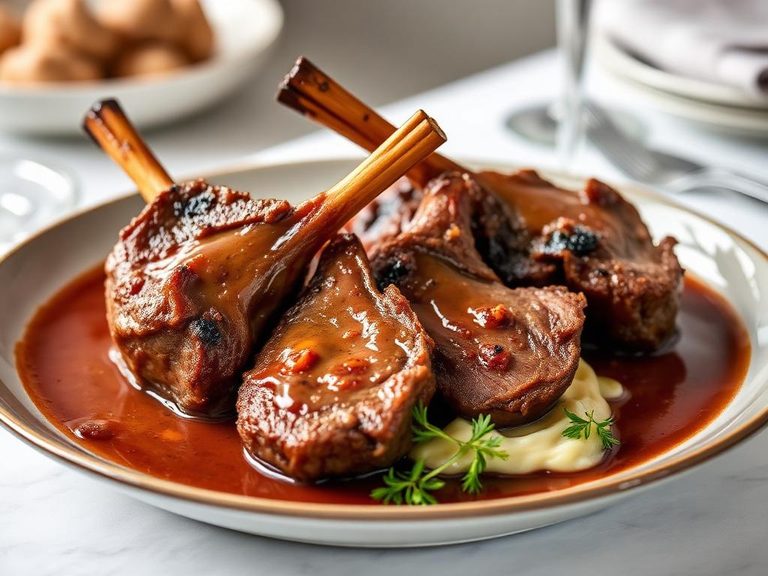
Slow-Cooked Lamb Curry is a rich, aromatic dish where tender lamb is simmered for hours in a complex blend of spices, tomatoes, and often yogurt or coconut milk. Originating from the Indian subcontinent, it features ingredients like lamb shoulder, onions, garlic, ginger, and a spice base including cumin, coriander, turmeric, and garam masala. The slow cooking process allows the meat to become incredibly tender while the flavors deeply meld together.
🍽️ Nutrition at a glance
This dish is high in protein and fat, with moderate carbohydrates depending on the recipe. It provides significant iron, zinc, and B vitamins from the lamb, along with antioxidants from the spices. A typical serving ranges from 400-600 calories, with the variation depending on the cut of meat and amount of oil or coconut milk used.
Nutrition breakdown
| Calories | 380 kcal |
| Protein | 28 g |
| Carbs | 18 g |
| Fat | 22 g |
| Fiber | 4 g |
| Sugar | 6 g |
| Sodium | 650 mg |
| Iron | 3.5 mg |
| Potassium | 550 mg |
| Vitamin B12 | 2.8 µg |
| Zinc | 5 mg |
| Vitamin C | 15 mg |
| Phosphorus | 220 mg |
| Selenium | 25 µg |
| Niacin (B3) | 7 mg |
Per 1 cup (240 g) · estimated, varies by recipe
💡 What's interesting
Culturally, slow-cooked lamb curry represents the art of patience in cooking, with some traditional recipes requiring overnight marination and hours of gentle simmering. Nutritionally, the combination of turmeric and black pepper in the spices can enhance the bioavailability of curcumin, while the slow cooking helps break down tough connective tissues in the lamb, making nutrients more accessible.