

Lamb, New Zealand, imported, frozen, composite of trimmed retail cuts, separable lean and fat, raw
Whole food · Lamb, Veal, and Game Products

Photo: Wikipedia
This is raw, frozen New Zealand lamb, a composite of trimmed retail cuts with a balanced lean-to-fat ratio. It offers a rich, gamey flavor with a tender, succulent texture that becomes incredibly flavorful when cooked. Nutritionally, it is a powerhouse of protein and healthy fats, providing zero carbohydrates and a substantial 277 calories per 100g.
Calorie split: 25% protein · 0% carbs · 75% fat
↓ Full nutrition💚 Why it's loved
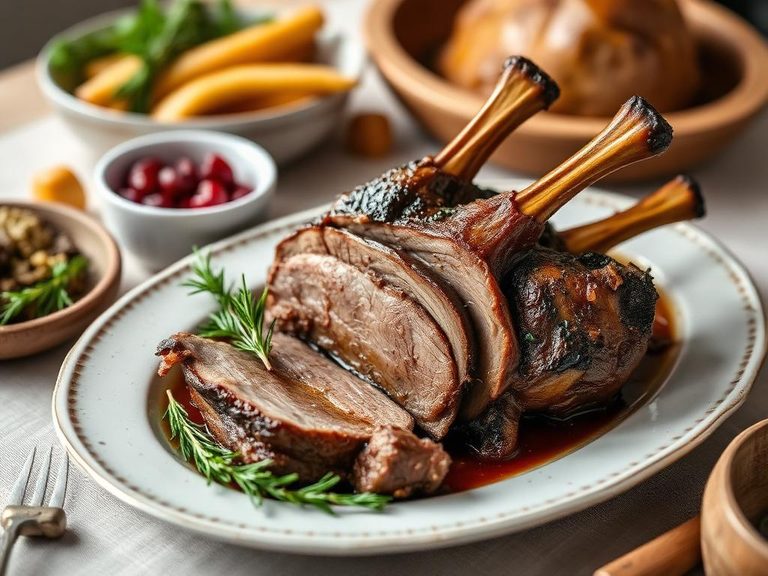
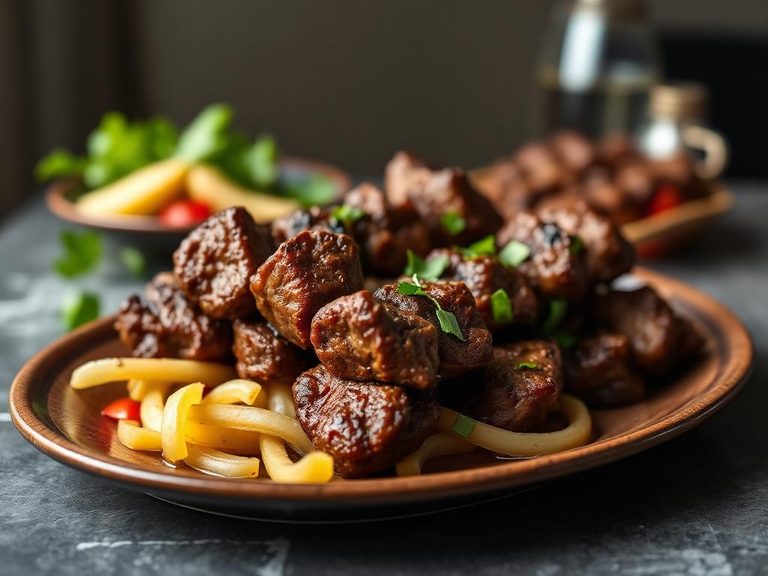
People adore it for its deep, distinctive flavor that is more robust than beef and its remarkable versatility in both slow-cooked and quick-sear preparations. It holds a special place in many cultures, from the Sunday roast in the UK to celebratory kebabs in the Middle East.
⚠️ Watch-outs & how to enjoy it better
The relatively high fat content (22.74g per 100g) may concern those monitoring saturated fat intake or calorie density. To counteract this, choose leaner cuts like loin or leg, trim visible fat before cooking, and pair with fiber-rich vegetables like roasted broccoli or a fresh salad to enhance satiety and balance the meal.
Key benefits
- Excellent source of high-quality protein for muscle maintenance and growth.
- Provides essential fats, including conjugated linoleic acid (CLA) and omega-3s.
- Rich in bioavailable iron and B vitamins, particularly B12.
- Zero carbohydrates, making it suitable for ketogenic and low-carb diets.
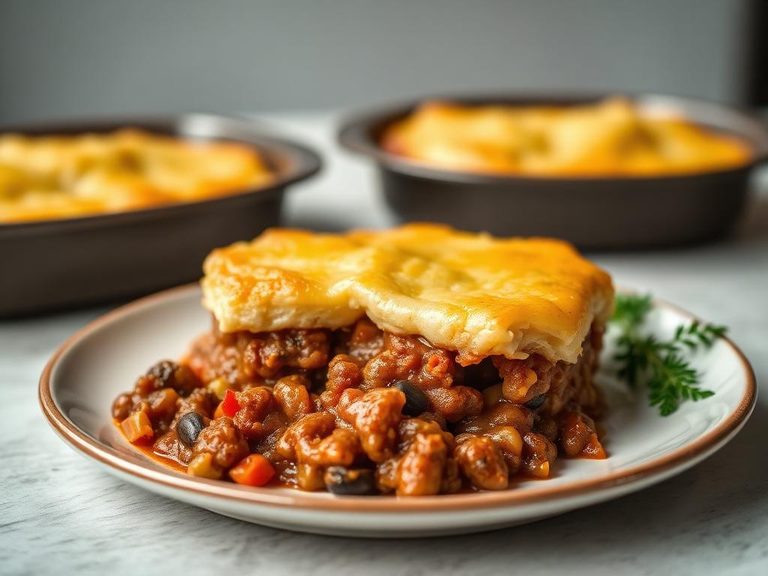
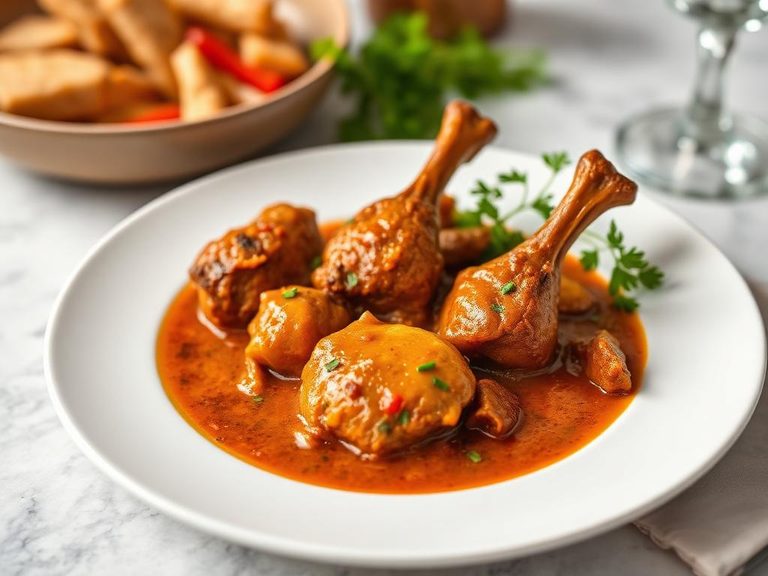
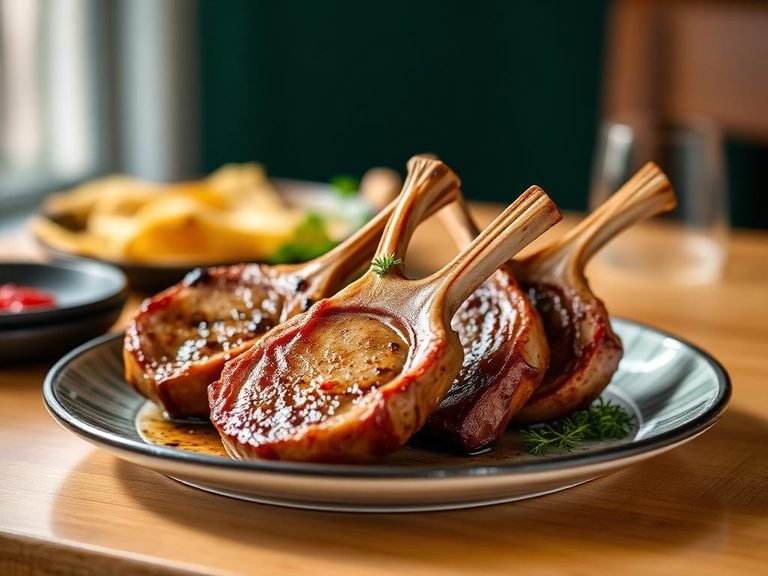
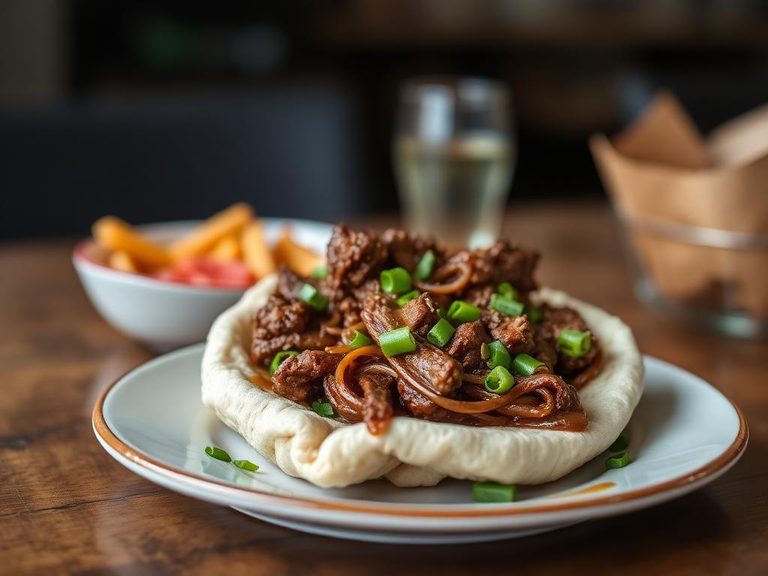
🍽️ Popular dishes
🌍 Where it's eaten
💡 Did you know?
New Zealand lamb is often considered 'spring lamb' because the country's seasons are reversed, meaning their lamb is typically available fresh in the Northern Hemisphere's winter months.
Full nutrition (USDA data · scales with serving)
| Water | 59.8 g |
| Energy | 277 kcal |
| Energy | 1159 kj |
| Protein | 16.7 g |
| Total lipid (fat) | 22.7 g |
| Ash | 0.92 g |
| Carbohydrate, by difference | 0.00 g |
| Fiber, total dietary | 0.00 g |
| Calcium, Ca | 13.0 mg |
| Iron, Fe | 1.5 mg |
| Magnesium, Mg | 15.0 mg |
| Phosphorus, P | 168 mg |
| Potassium, K | 136 mg |
| Sodium, Na | 39.0 mg |
| Zinc, Zn | 2.4 mg |
| Copper, Cu | 0.08 mg |
| Manganese, Mn | 0.02 mg |
| Selenium, Se | 1.3 ug |
| Vitamin C, total ascorbic acid | 0.00 mg |
| Thiamin | 0.13 mg |
| Riboflavin | 0.32 mg |
| Niacin | 6.5 mg |
| Pantothenic acid | 0.52 mg |
| Vitamin B-6 | 0.11 mg |
| Folate, total | 1.0 ug |
| Folic acid | 0.00 ug |
| Folate, food | 1.0 ug |
| Folate, DFE | 1.0 ug |
| Vitamin B-12 | 2.4 ug |
| Vitamin A, RAE | 0.00 ug |
| Retinol | 0.00 ug |
| Vitamin A, IU | 0.00 iu |
| Vitamin E (alpha-tocopherol) | 0.21 mg |
Fat & fatty acid profile (per 100g)
| Fatty acids, total saturated | 11.6 g |
| SFA 10:0 | 0.07 g |
| SFA 12:0 | 0.09 g |
| SFA 14:0 | 0.96 g |
| SFA 16:0 | 5.0 g |
| SFA 18:0 | 4.6 g |
| Fatty acids, total monounsaturated | 8.7 g |
| MUFA 16:1 | 0.39 g |
| MUFA 18:1 | 8.2 g |
| MUFA 20:1 | 0.04 g |
| Fatty acids, total polyunsaturated | 0.98 g |
| PUFA 18:2 | 0.55 g |
| PUFA 18:3 | 0.42 g |
| PUFA 20:4 | 0.01 g |
| Cholesterol | 78.0 mg |
Amino acid profile (per 100g)
| Tryptophan | 0.20 g |
| Threonine | 0.72 g |
| Isoleucine | 0.81 g |
| Leucine | 1.3 g |
| Lysine | 1.5 g |
| Methionine | 0.43 g |
| Cystine | 0.20 g |
| Phenylalanine | 0.68 g |
| Tyrosine | 0.56 g |
| Valine | 0.90 g |
| Arginine | 0.99 g |
| Histidine | 0.53 g |
| Alanine | 1.0 g |
| Aspartic acid | 1.5 g |
| Glutamic acid | 2.4 g |
| Glycine | 0.82 g |
| Proline | 0.70 g |
| Serine | 0.62 g |
FAQ
How should I thaw frozen New Zealand lamb safely?
The safest method is to thaw it in the refrigerator for 24-48 hours, depending on the cut's size. For a quicker thaw, you can submerge the sealed package in cold water, changing the water every 30 minutes. Avoid thawing at room temperature.
Is New Zealand lamb grass-fed?
Yes, the vast majority of New Zealand lamb is grass-fed and pasture-raised year-round, as the country's climate allows for continuous grazing. This contributes to its distinct flavor and nutritional profile.
What is the best way to cook this lean and fat composite cut?
For cuts with a good fat cap, searing in a hot pan or grilling works well to render the fat and create a crispy exterior. For tougher cuts, slow braising or roasting at a lower temperature will break down the connective tissue and result in tender, flavorful meat.
Nutrient density (calculated · NRF9.3)
Nutrient Rich Foods index: beneficial nutrients (protein, fiber, vitamins, minerals) minus saturated fat, added sugar & sodium, per 100 kcal.
NRF9.3 index — Fulgoni, Keast & Drewnowski, 2009. Computed from USDA nutrients.
Weight-loss friendliness (composite index)
Energy density 2.77 kcal/g · 24% calories from protein · 0.0 g fiber · 0.0 g sugar per 100 g.
Composite of energy density (Rolls et al., 1999), protein & fiber satiety, minus sugar. A calculated heuristic — ranks satiety-per-calorie, not a clinical measure.
Dietary load (calculated from USDA values)
Potential renal acid load. Positive = acid-forming, negative = alkaline-forming.
Sodium-to-potassium ratio: 0.29 (lower is better — aim for ≤ 1)
Sodium:potassium per WHO potassium guidance. Computed from USDA nutrients.