

Gravy, turkey, dry
Whole food · Soups, Sauces, and Gravies

Photo: Wikipedia
Turkey gravy dry mix is a shelf-stable powder that transforms into a rich, savory sauce when whisked with water or stock. It delivers a deep, umami-rich turkey flavor with a smooth, velvety texture once prepared. Nutritionally, it's a concentrated source of carbohydrates, primarily from starches used as thickeners.
Calorie split: 11% protein · 71% carbs · 18% fat
↓ Full nutrition💚 Why it's loved
People love it for its ability to instantly elevate a meal, providing that essential, comforting savory element to holiday roasts and weeknight dinners alike. Its versatility and convenience make it a cultural staple for creating gravies, sauces, and stews without starting from scratch.
⚠️ Watch-outs & how to enjoy it better
The primary downside is its high carbohydrate content from starches, which can contribute to blood-sugar spikes if consumed in large quantities without balancing nutrients. It is also often high in sodium. To counteract this, pair it with a significant portion of protein (like turkey or chicken) and fibrous vegetables, and practice portion control by using it as a flavor accent rather than the main sauce component.
Key benefits
- Provides a quick, consistent base for savory dishes
- Offers a concentrated source of energy from carbohydrates
- Enhances the flavor and moisture of lean proteins like turkey breast
- A shelf-stable pantry staple for meal preparation
- Contains some protein derived from the turkey base
🍽️ Popular dishes

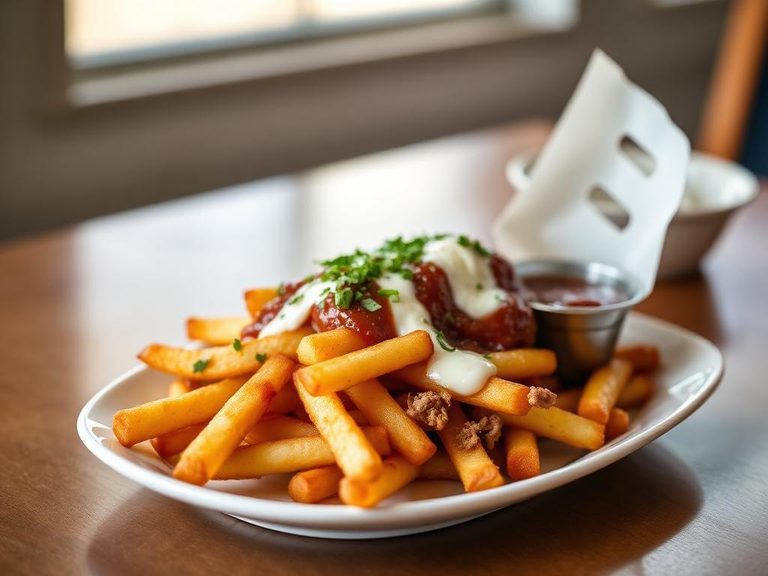


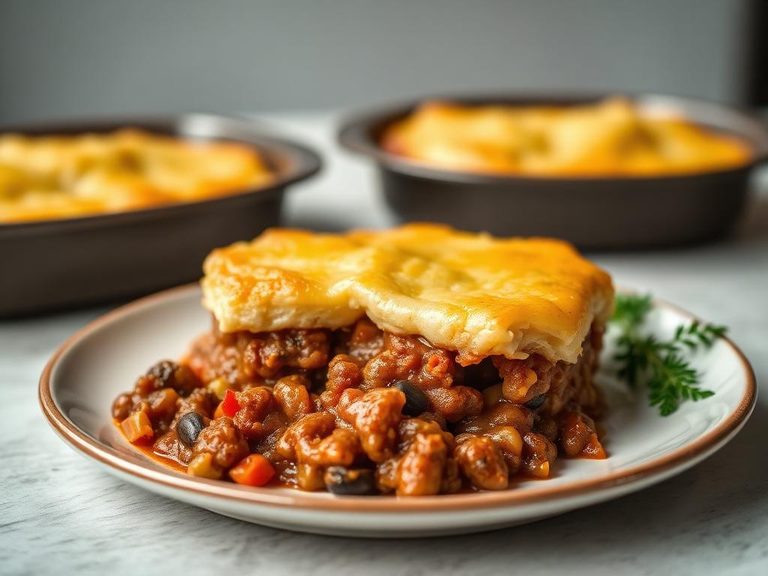
🌍 Where it's eaten
💡 Did you know?
The powdered form of gravy was popularized for military rations due to its long shelf life and ability to provide high-calorie, palatable food in the field.
Full nutrition (USDA data · scales with serving)
| Water | 4.7 g |
| Energy | 367 kcal |
| Energy | 1536 kj |
| Protein | 10.4 g |
| Total lipid (fat) | 7.2 g |
| Ash | 12.6 g |
| Carbohydrate, by difference | 65.1 g |
| Calcium, Ca | 146 mg |
| Iron, Fe | 3.3 mg |
| Magnesium, Mg | 44.0 mg |
| Phosphorus, P | 254 mg |
| Potassium, K | 428 mg |
| Sodium, Na | 4392 mg |
| Zinc, Zn | 1.3 mg |
| Copper, Cu | 0.13 mg |
| Manganese, Mn | 0.22 mg |
| Selenium, Se | 5.2 ug |
| Vitamin C, total ascorbic acid | 0.20 mg |
| Thiamin | 0.21 mg |
| Riboflavin | 0.45 mg |
| Niacin | 2.8 mg |
| Pantothenic acid | 1.0 mg |
| Vitamin B-6 | 0.20 mg |
| Folate, total | 82.0 ug |
| Folic acid | 16.0 ug |
| Folate, food | 66.0 ug |
| Folate, DFE | 93.0 ug |
| Vitamin B-12 | 0.58 ug |
| Vitamin A, RAE | 8.0 ug |
| Retinol | 7.0 ug |
| Vitamin A, IU | 35.0 iu |
| Alcohol, ethyl | 0.00 g |
Fat & fatty acid profile (per 100g)
| Fatty acids, total saturated | 2.0 g |
| SFA 4:0 | 0.02 g |
| SFA 6:0 | 0.01 g |
| SFA 8:0 | 0.01 g |
| SFA 10:0 | 0.02 g |
| SFA 12:0 | 0.03 g |
| SFA 14:0 | 0.13 g |
| SFA 16:0 | 1.2 g |
| SFA 18:0 | 0.49 g |
| Fatty acids, total monounsaturated | 2.6 g |
| MUFA 16:1 | 0.17 g |
| MUFA 18:1 | 2.3 g |
| MUFA 20:1 | 0.03 g |
| MUFA 22:1 | 0.02 g |
| Fatty acids, total polyunsaturated | 2.2 g |
| PUFA 18:2 | 2.0 g |
| PUFA 18:3 | 0.21 g |
| PUFA 18:4 | 0.01 g |
| PUFA 20:4 | 0.00 g |
| PUFA 20:5 n-3 (EPA) | 0.00 g |
| PUFA 22:5 n-3 (DPA) | 0.00 g |
| PUFA 22:6 n-3 (DHA) | 0.00 g |
| Cholesterol | 14.0 mg |
Amino acid profile (per 100g)
Estimated from Gravy, HEINZ Home Style, savory beef — USDA does not publish this profile for Gravy.
| Tryptophan | 0.01 g |
| Threonine | 0.03 g |
| Isoleucine | 0.03 g |
| Leucine | 0.06 g |
| Lysine | 0.05 g |
| Methionine | 0.01 g |
| Cystine | 0.01 g |
| Phenylalanine | 0.03 g |
| Tyrosine | 0.02 g |
| Valine | 0.04 g |
| Arginine | 0.06 g |
| Histidine | 0.02 g |
| Alanine | 0.06 g |
| Aspartic acid | 0.07 g |
| Glutamic acid | 0.44 g |
| Glycine | 0.10 g |
| Proline | 0.08 g |
| Serine | 0.04 g |
| Hydroxyproline | 0.04 g |
FAQ
How is dry turkey gravy different from liquid gravy?
Dry gravy is a dehydrated powder mix of seasonings, starches, and turkey flavoring. It has a much longer shelf life and requires preparation with liquid, whereas liquid gravy is ready-to-use but perishable.
Can I use dry turkey gravy mix for dishes other than turkey?
Absolutely. It's a versatile base for any savory dish needing a poultry-flavored sauce, such as chicken casseroles, pot pies, or as a seasoning for roasted vegetables and mashed potatoes.
Why does my prepared gravy taste too salty?
Dry mixes are often high in sodium for flavor and preservation. You can reduce the saltiness by using less mix, diluting with unsalted broth or water, or balancing it with a splash of acid like lemon juice or vinegar.
Nutrient density (calculated · NRF9.3)
Nutrient Rich Foods index: beneficial nutrients (protein, fiber, vitamins, minerals) minus saturated fat, added sugar & sodium, per 100 kcal.
NRF9.3 index — Fulgoni, Keast & Drewnowski, 2009. Computed from USDA nutrients.
Weight-loss friendliness (composite index)
Energy density 3.67 kcal/g · 11% calories from protein · 0.0 g fiber · 0.0 g sugar per 100 g.
Composite of energy density (Rolls et al., 1999), protein & fiber satiety, minus sugar. A calculated heuristic — ranks satiety-per-calorie, not a clinical measure.
Dietary load (calculated from USDA values)
Potential renal acid load. Positive = acid-forming, negative = alkaline-forming.
Sodium-to-potassium ratio: 10.26 (lower is better — aim for ≤ 1)
Sodium:potassium per WHO potassium guidance. Computed from USDA nutrients.