

Fish, salmon, chinook, smoked, (lox), regular
Whole food · Finfish and Shellfish Products
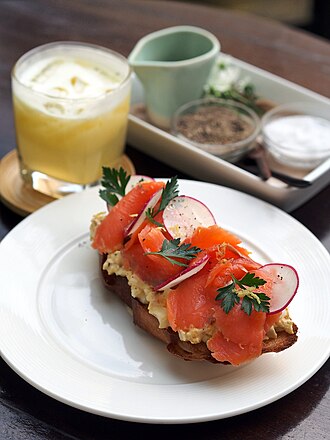
Photo: Wikipedia
Chinook salmon, also known as King salmon, is transformed by smoking into luxurious lox, boasting a silky, melt-in-your-mouth texture and a deep, savory, smoky flavor. This preparation concentrates its nutrients, making it a powerhouse of high-quality protein and heart-healthy omega-3 fats, with virtually no carbohydrates.
Calorie split: 65% protein · 0% carbs · 35% fat
↓ Full nutrition💚 Why it's loved
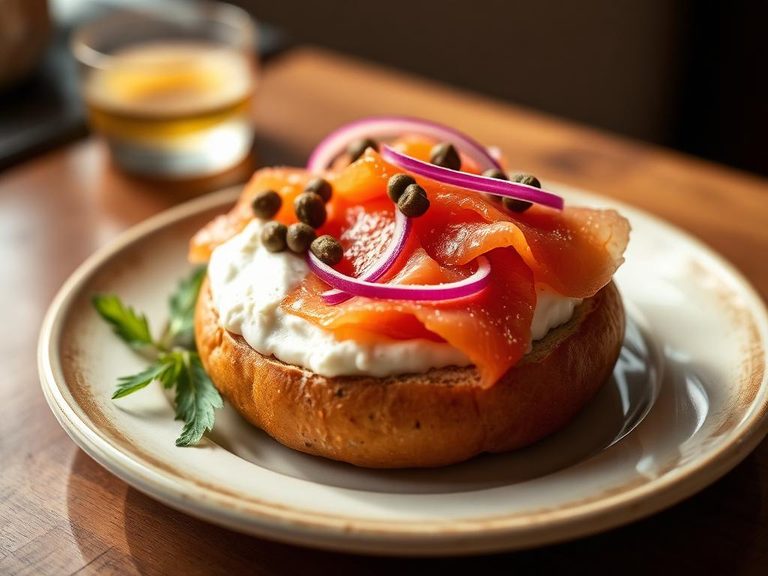
People adore lox for its elegant, buttery richness and the way it effortlessly elevates simple dishes from a bagel to a salad. It's a cornerstone of brunch culture and a symbol of indulgent yet wholesome eating.
⚠️ Watch-outs & how to enjoy it better
The primary concern is high sodium from the curing and smoking process, which can be an issue for those monitoring salt intake. It's also a fish allergen. To counteract sodium, pair it with potassium-rich foods like avocado or fresh vegetables, and practice portion control, enjoying it as a flavorful accent rather than the main bulk of a meal.
Key benefits
- Excellent source of complete protein for muscle maintenance.
- Rich in omega-3 fatty acids (EPA & DHA) for heart and brain health.
- Provides a good dose of vitamin D, often lacking in diets.
- Contains astaxanthin, a potent antioxidant giving it a pink hue.
- Low-carb, keto-friendly food with zero sugar.
🍽️ Popular dishes
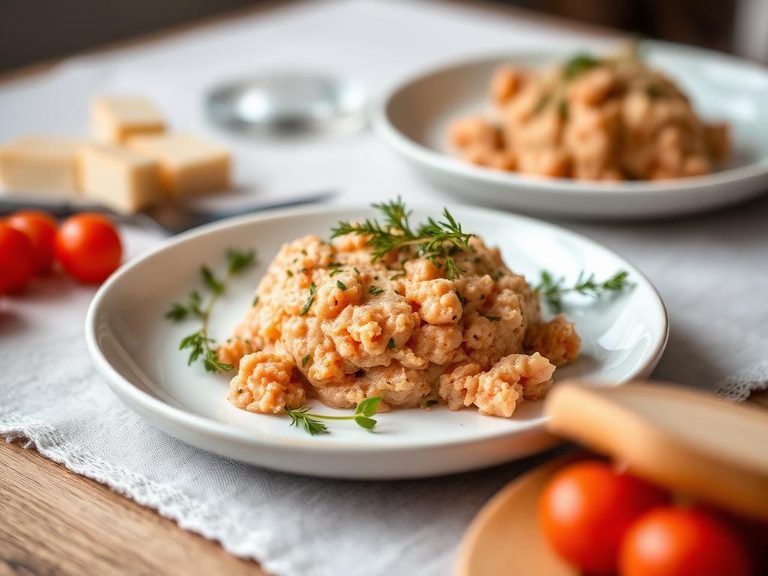
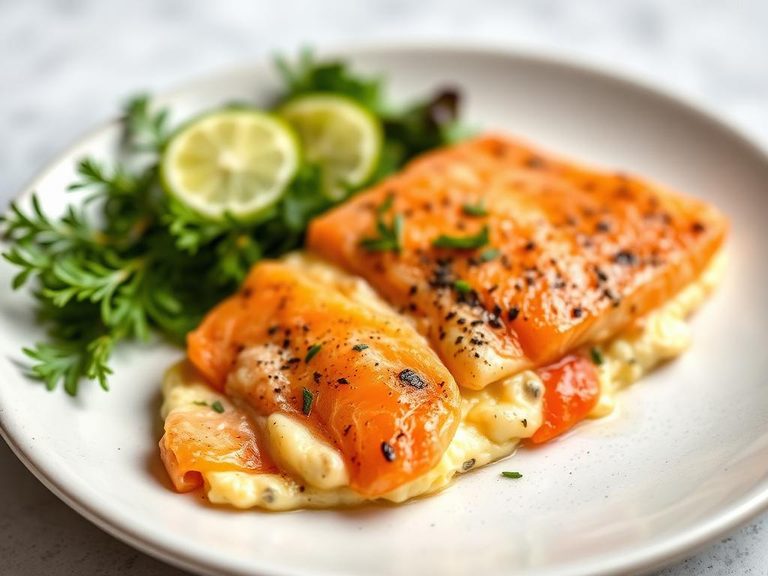
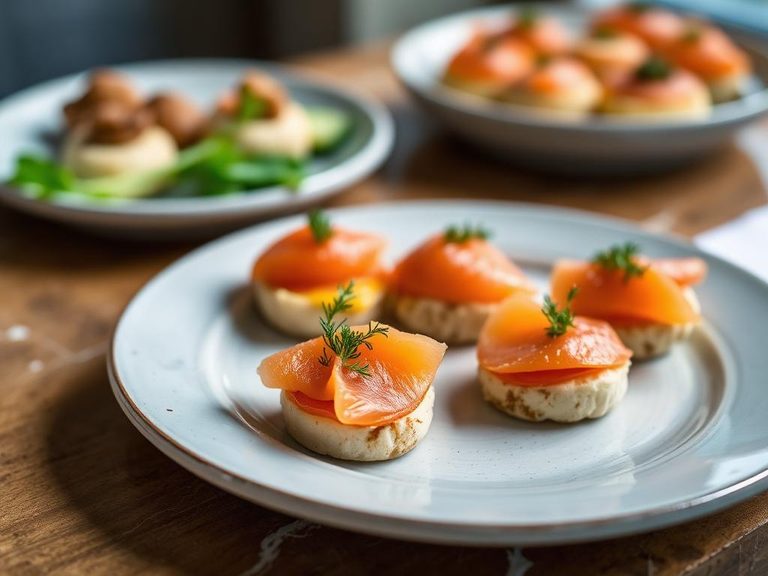
🌍 Where it's eaten
💡 Did you know?
Chinook salmon is the largest of the Pacific salmon species, with some individuals exceeding 100 pounds, making their smoked fillets particularly prized for their rich, fatty texture.
Full nutrition (USDA data · scales with serving)
| Water | 72.0 g |
| Energy | 117 kcal |
| Energy | 490 kj |
| Protein | 18.3 g |
| Total lipid (fat) | 4.3 g |
| Ash | 2.6 g |
| Carbohydrate, by difference | 0.00 g |
| Fiber, total dietary | 0.00 g |
| Calcium, Ca | 11.0 mg |
| Iron, Fe | 0.85 mg |
| Magnesium, Mg | 18.0 mg |
| Phosphorus, P | 164 mg |
| Potassium, K | 175 mg |
| Sodium, Na | 2000 mg |
| Zinc, Zn | 0.31 mg |
| Copper, Cu | 0.23 mg |
| Manganese, Mn | 0.02 mg |
| Selenium, Se | 38.1 ug |
| Vitamin C, total ascorbic acid | 0.00 mg |
| Thiamin | 0.02 mg |
| Riboflavin | 0.10 mg |
| Niacin | 4.7 mg |
| Pantothenic acid | 0.87 mg |
| Vitamin B-6 | 0.28 mg |
| Folate, total | 2.0 ug |
| Folic acid | 0.00 ug |
| Folate, food | 2.0 ug |
| Folate, DFE | 2.0 ug |
| Vitamin B-12 | 3.3 ug |
| Vitamin A, RAE | 26.0 ug |
| Retinol | 26.0 ug |
| Vitamin A, IU | 88.0 iu |
Fat & fatty acid profile (per 100g)
| Fatty acids, total saturated | 0.93 g |
| SFA 14:0 | 0.18 g |
| SFA 16:0 | 0.56 g |
| SFA 18:0 | 0.19 g |
| Fatty acids, total monounsaturated | 2.0 g |
| MUFA 16:1 | 0.30 g |
| MUFA 18:1 | 0.95 g |
| MUFA 20:1 | 0.47 g |
| MUFA 22:1 | 0.30 g |
| Fatty acids, total polyunsaturated | 0.99 g |
| PUFA 18:2 | 0.47 g |
| PUFA 20:5 n-3 (EPA) | 0.18 g |
| PUFA 22:5 n-3 (DPA) | 0.07 g |
| PUFA 22:6 n-3 (DHA) | 0.27 g |
| Cholesterol | 23.0 mg |
Amino acid profile (per 100g)
| Tryptophan | 0.20 g |
| Threonine | 0.80 g |
| Isoleucine | 0.84 g |
| Leucine | 1.5 g |
| Lysine | 1.7 g |
| Methionine | 0.54 g |
| Cystine | 0.20 g |
| Phenylalanine | 0.71 g |
| Tyrosine | 0.62 g |
| Valine | 0.94 g |
| Arginine | 1.1 g |
| Histidine | 0.54 g |
| Alanine | 1.1 g |
| Aspartic acid | 1.9 g |
| Glutamic acid | 2.7 g |
| Glycine | 0.88 g |
| Proline | 0.65 g |
| Serine | 0.75 g |
FAQ
Is smoked salmon the same as lox?
Not exactly. 'Lox' traditionally refers to salmon that is salt-cured but not smoked. However, in common modern usage, especially in the U.S., the term 'lox' is often used interchangeably with cold-smoked salmon, which is what this nutritional data represents.
Can I eat smoked salmon if I'm pregnant?
Generally, commercially prepared, refrigerated smoked salmon is considered safe during pregnancy when eaten promptly. However, it's always best to consult your healthcare provider, as they can advise based on your individual health and the specific product's handling.
How should I store leftover smoked salmon?
Keep it tightly wrapped in its original packaging or an airtight container in the coldest part of your refrigerator (not the door). Consume within 3-5 days of opening for optimal freshness and safety.
Nutrient density (calculated · NRF9.3)
Nutrient Rich Foods index: beneficial nutrients (protein, fiber, vitamins, minerals) minus saturated fat, added sugar & sodium, per 100 kcal.
NRF9.3 index — Fulgoni, Keast & Drewnowski, 2009. Computed from USDA nutrients.
Weight-loss friendliness (composite index)
Energy density 1.17 kcal/g · 62% calories from protein · 0.0 g fiber · 0.0 g sugar per 100 g.
Composite of energy density (Rolls et al., 1999), protein & fiber satiety, minus sugar. A calculated heuristic — ranks satiety-per-calorie, not a clinical measure.
Dietary load (calculated from USDA values)
Potential renal acid load. Positive = acid-forming, negative = alkaline-forming.
Sodium-to-potassium ratio: 11.43 (lower is better — aim for ≤ 1)
Sodium:potassium per WHO potassium guidance. Computed from USDA nutrients.