

Fish, burbot, raw
Whole food · Finfish and Shellfish Products

Photo: Wikipedia
Burbot, the freshwater cousin of cod, offers a lean, snow-white flesh with a mild, sweet flavor and a delicate, flaky texture when raw. With an impressive 19.31g of protein per 100g and virtually no fat or carbohydrates, it's a powerhouse of pure, high-quality protein. Its clean taste makes it an excellent canvas for various culinary preparations.
Calorie split: 91% protein · 0% carbs · 9% fat
↓ Full nutrition💚 Why it's loved
People appreciate burbot for its subtle, non-fishy sweetness and versatile texture that holds up well in both delicate and robust dishes. In many northern cultures, it's a cherished traditional catch, often featured in hearty winter meals and preserved foods.
⚠️ Watch-outs & how to enjoy it better
As a raw freshwater fish, burbot must be handled with care to avoid parasites; it should always be frozen to -20°C for at least 7 days or cooked thoroughly. Its mild flavor can be lost in overly complex or heavy sauces, so simpler preparations are often preferred.
Key benefits
- Excellent source of lean, complete protein
- Very low in fat and calories
- Naturally carbohydrate-free
- Contains essential nutrients like phosphorus and selenium
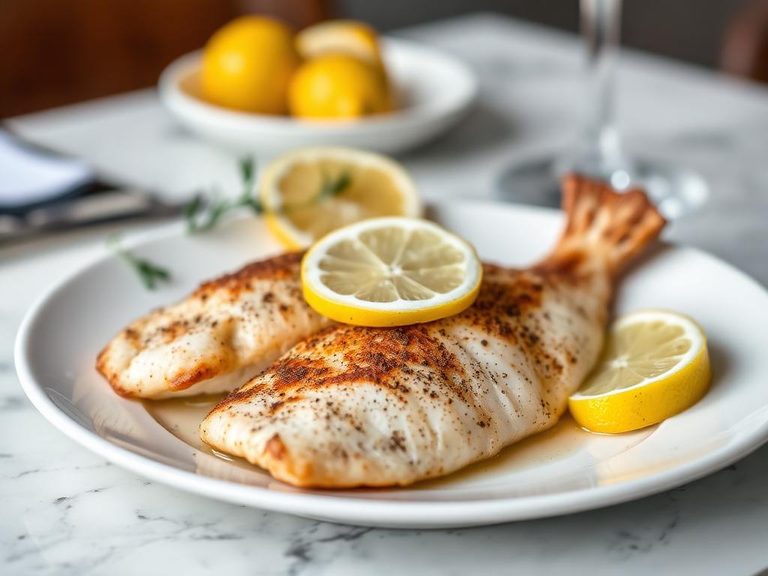
🍽️ Popular dishes
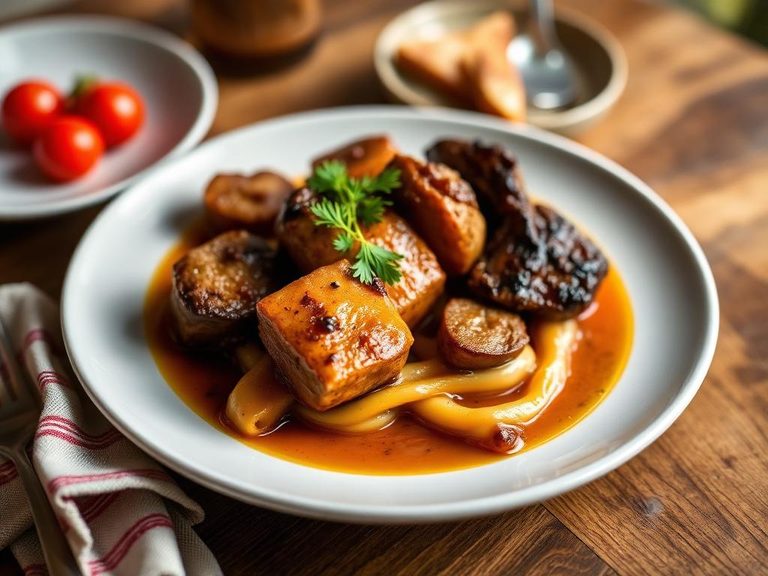
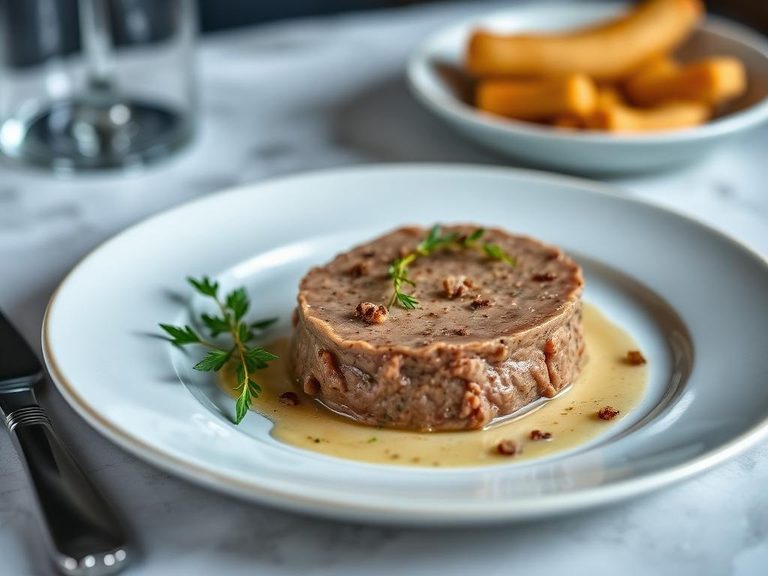
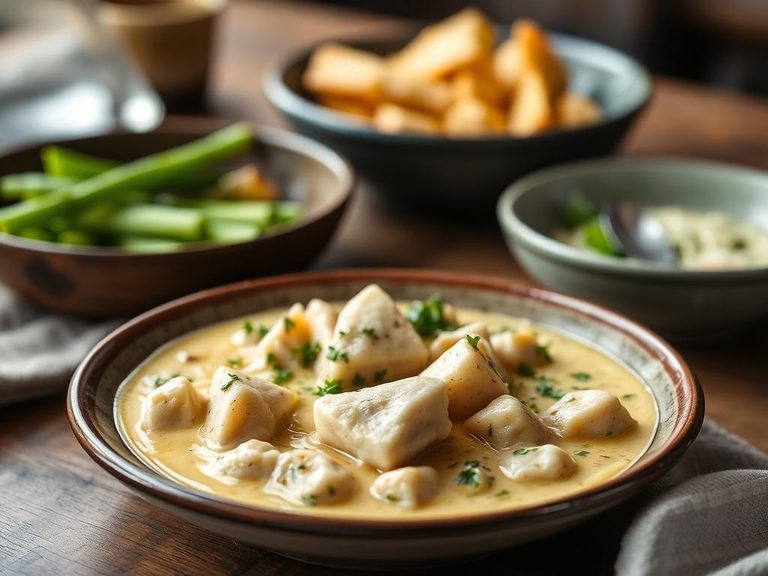
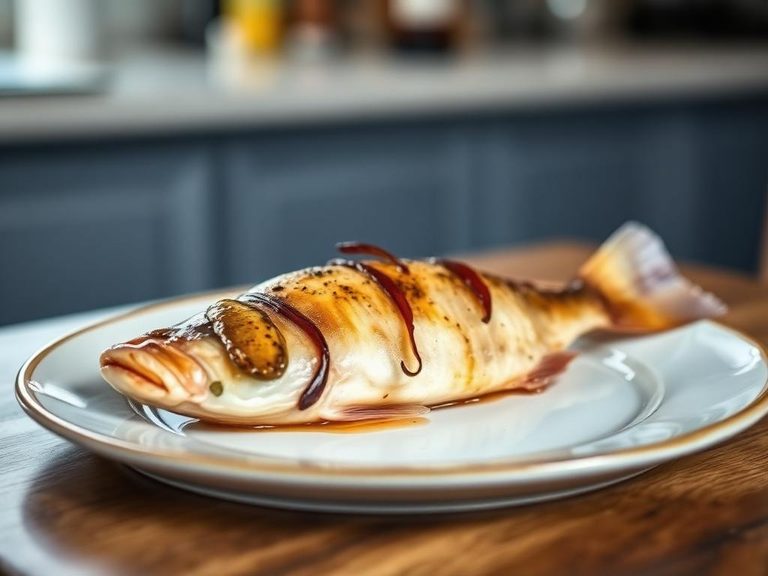
🌍 Where it's eaten
💡 Did you know?
Burbot is the only freshwater member of the cod family (Gadidae), and its liver is so rich in oil that it was historically used as lamp fuel in some regions.
Full nutrition (USDA data · scales with serving)
| Water | 79.3 g |
| Energy | 90.0 kcal |
| Energy | 377 kj |
| Protein | 19.3 g |
| Total lipid (fat) | 0.81 g |
| Ash | 1.2 g |
| Carbohydrate, by difference | 0.00 g |
| Fiber, total dietary | 0.00 g |
| Calcium, Ca | 50.0 mg |
| Iron, Fe | 0.90 mg |
| Magnesium, Mg | 32.0 mg |
| Phosphorus, P | 200 mg |
| Potassium, K | 404 mg |
| Sodium, Na | 97.0 mg |
| Zinc, Zn | 0.76 mg |
| Copper, Cu | 0.20 mg |
| Manganese, Mn | 0.70 mg |
| Selenium, Se | 12.6 ug |
| Vitamin C, total ascorbic acid | 0.00 mg |
| Thiamin | 0.37 mg |
| Riboflavin | 0.14 mg |
| Niacin | 1.6 mg |
| Pantothenic acid | 0.15 mg |
| Vitamin B-6 | 0.30 mg |
| Folate, total | 1.0 ug |
| Folic acid | 0.00 ug |
| Folate, food | 1.0 ug |
| Folate, DFE | 1.0 ug |
| Vitamin B-12 | 0.80 ug |
| Vitamin A, RAE | 5.0 ug |
| Retinol | 5.0 ug |
| Vitamin A, IU | 15.0 iu |
Fat & fatty acid profile (per 100g)
| Fatty acids, total saturated | 0.16 g |
| SFA 14:0 | 0.01 g |
| SFA 16:0 | 0.12 g |
| SFA 18:0 | 0.04 g |
| Fatty acids, total monounsaturated | 0.13 g |
| MUFA 16:1 | 0.03 g |
| MUFA 18:1 | 0.10 g |
| MUFA 20:1 | 0.01 g |
| MUFA 22:1 | 0.00 g |
| Fatty acids, total polyunsaturated | 0.30 g |
| PUFA 18:2 | 0.01 g |
| PUFA 20:4 | 0.10 g |
| PUFA 20:5 n-3 (EPA) | 0.07 g |
| PUFA 22:5 n-3 (DPA) | 0.03 g |
| PUFA 22:6 n-3 (DHA) | 0.10 g |
| Cholesterol | 60.0 mg |
Amino acid profile (per 100g)
| Tryptophan | 0.22 g |
| Threonine | 0.85 g |
| Isoleucine | 0.89 g |
| Leucine | 1.6 g |
| Lysine | 1.8 g |
| Methionine | 0.57 g |
| Cystine | 0.21 g |
| Phenylalanine | 0.75 g |
| Tyrosine | 0.65 g |
| Valine | 0.99 g |
| Arginine | 1.2 g |
| Histidine | 0.57 g |
| Alanine | 1.2 g |
| Aspartic acid | 2.0 g |
| Glutamic acid | 2.9 g |
| Glycine | 0.93 g |
| Proline | 0.68 g |
| Serine | 0.79 g |
FAQ
How does burbot taste compared to other fish?
Burbot has a mild, sweet flavor similar to cod or haddock but is often described as slightly more delicate and less 'fishy,' with a clean finish.
Is burbot safe to eat raw like sushi?
No, freshwater fish like burbot should not be consumed raw due to the risk of parasites. It must be properly frozen or cooked to an internal temperature of 63°C (145°F) to be safe.
What's special about burbot liver?
Burbot liver is a prized delicacy in Nordic cuisine, known for its rich, creamy texture and intense flavor, often prepared as a pâté or fried in butter.
Nutrient density (calculated · NRF9.3)
Nutrient Rich Foods index: beneficial nutrients (protein, fiber, vitamins, minerals) minus saturated fat, added sugar & sodium, per 100 kcal.
NRF9.3 index — Fulgoni, Keast & Drewnowski, 2009. Computed from USDA nutrients.
Weight-loss friendliness (composite index)
Energy density 0.90 kcal/g · 86% calories from protein · 0.0 g fiber · 0.0 g sugar per 100 g.
Composite of energy density (Rolls et al., 1999), protein & fiber satiety, minus sugar. A calculated heuristic — ranks satiety-per-calorie, not a clinical measure.
Dietary load (calculated from USDA values)
Potential renal acid load. Positive = acid-forming, negative = alkaline-forming.
Sodium-to-potassium ratio: 0.24 (lower is better — aim for ≤ 1)
Sodium:potassium per WHO potassium guidance. Computed from USDA nutrients.