

Fish, blackfish, whole (Alaska Native)
Whole food · American Indian/Alaska Native Foods

Photo: Wikipedia
Blackfish, or tautog, is a prized North Atlantic saltwater fish known for its firm, white, and slightly sweet flesh. It is exceptionally lean, with a high protein-to-calorie ratio and virtually no fat, making it a staple in coastal communities. Its dense texture holds up beautifully to various cooking methods, from pan-sealing to baking.
Calorie split: 80% protein · 0% carbs · 20% fat
↓ Full nutrition💚 Why it's loved
People love blackfish for its clean, mild flavor and satisfyingly firm texture that doesn't flake apart easily. It is incredibly versatile in the kitchen, absorbing herbs and spices well while remaining the star of the dish, and holds deep cultural significance in New England and Atlantic Canadian cuisines.
⚠️ Watch-outs & how to enjoy it better
While nutritionally excellent, its lean, dense flesh can become dry if overcooked, which is a common pitfall for inexperienced cooks. To counteract this, use moist-heat methods like poaching or baking with a liquid (e.g., white wine, broth, or tomatoes) and avoid overcooking; pairing it with a small amount of healthy fat, like olive oil or avocado, can also enhance moisture and mouthfeel. Some individuals may have fish allergies, so caution is advised.
Key benefits
- Excellent source of lean, high-quality protein for muscle maintenance.
- Very low in calories and fat, ideal for weight management diets.
- Naturally free of carbohydrates and sugars.
- Provides essential minerals like selenium and phosphorus.
- A sustainable choice in well-managed fisheries.
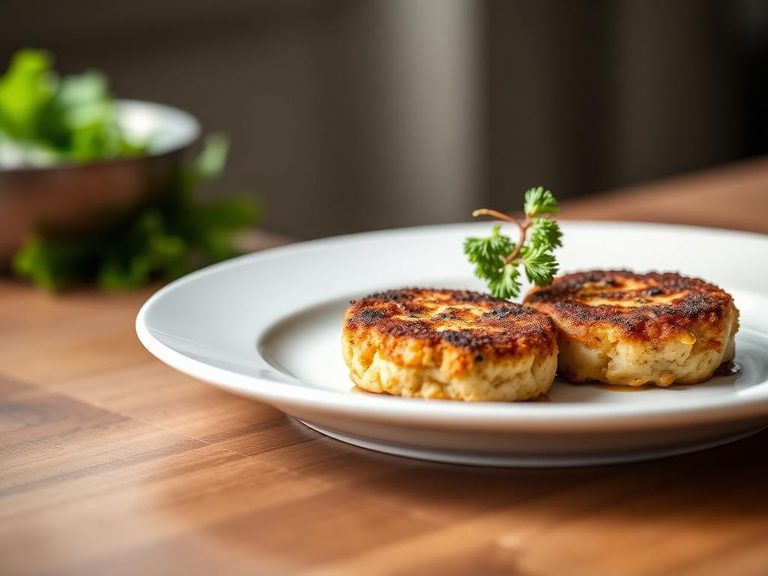
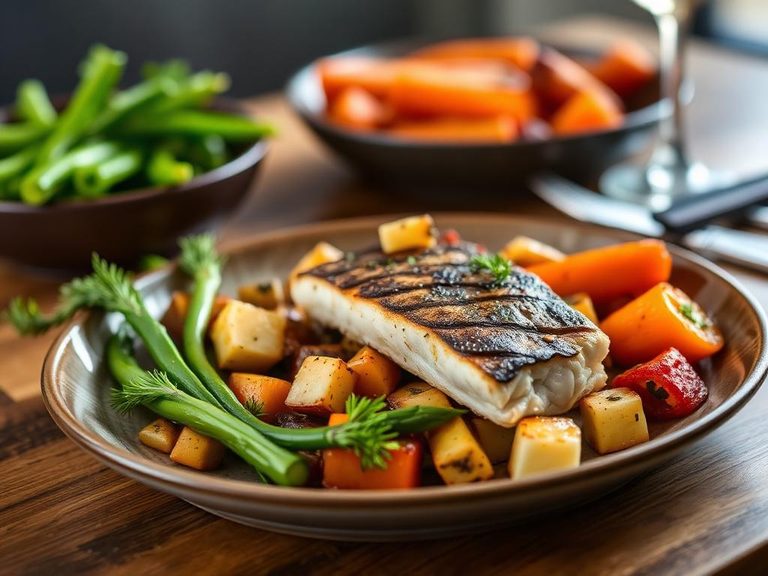
🍽️ Popular dishes
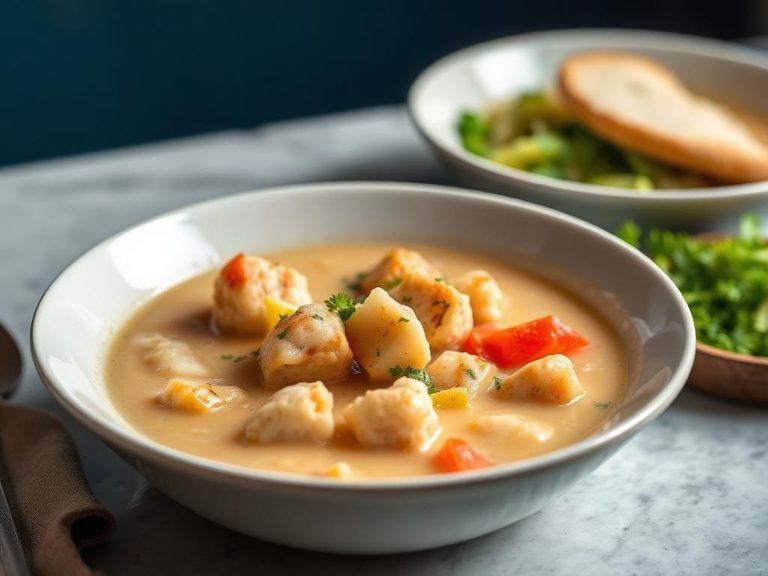
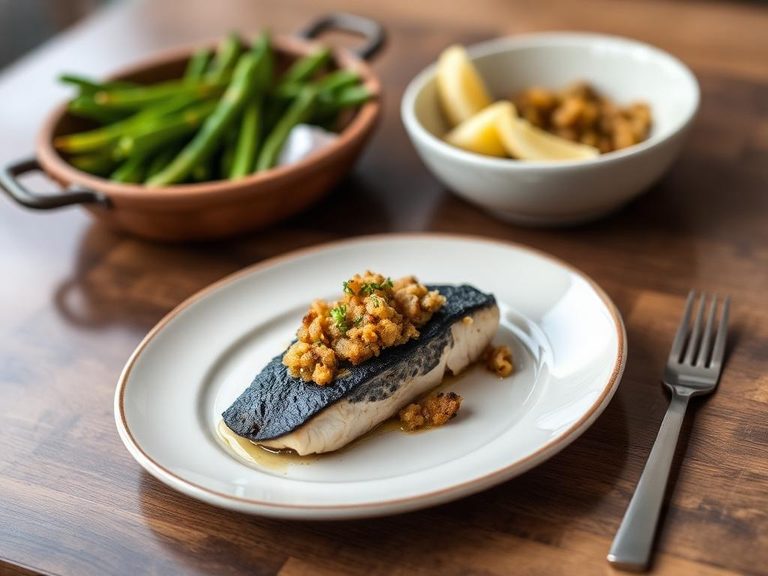
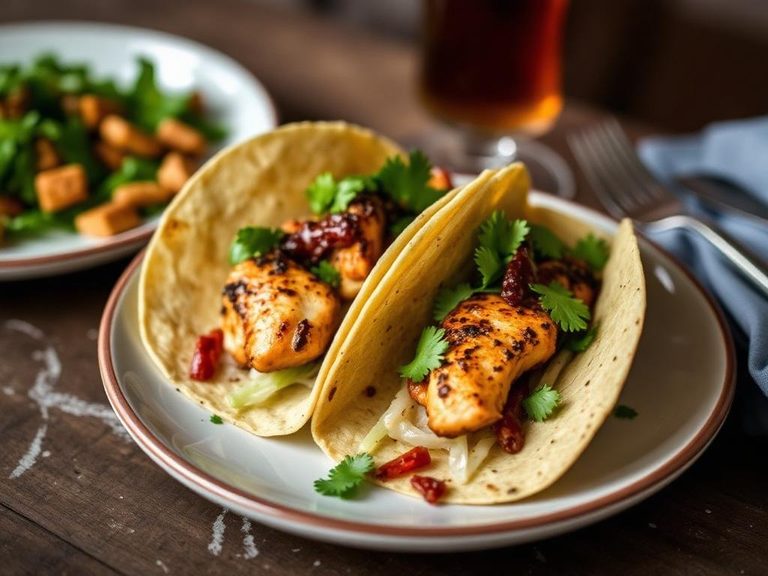
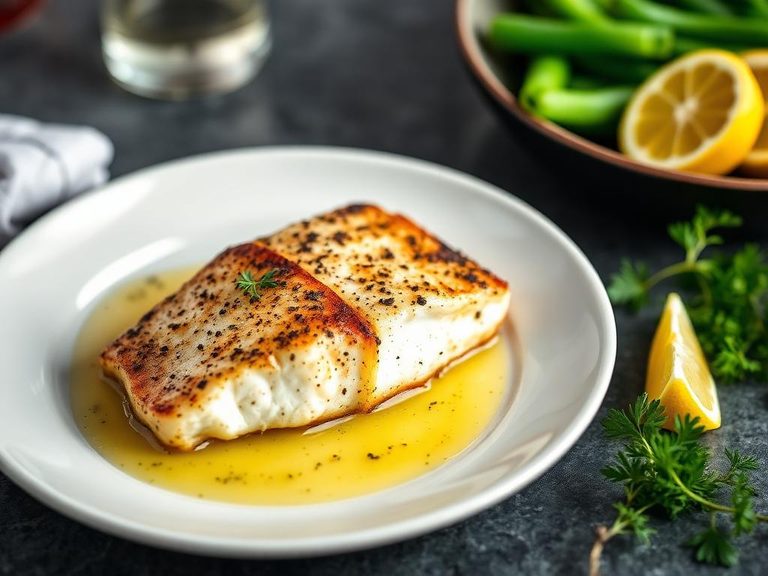
🌍 Where it's eaten
💡 Did you know?
Blackfish, or tautog, are known for their powerful jaws and teeth, which they use to crush shellfish like mussels and crabs, and they can live for over 40 years.
Full nutrition (USDA data · scales with serving)
| Water | 80.1 g |
| Energy | 82.0 kcal |
| Energy | 342 kj |
| Protein | 15.5 g |
| Total lipid (fat) | 1.8 g |
| Ash | 1.6 g |
| Carbohydrate, by difference | 0.00 g |
| Calcium, Ca | 236 mg |
| Iron, Fe | 4.6 mg |
| Phosphorus, P | 287 mg |
| Thiamin | 0.01 mg |
| Riboflavin | 0.37 mg |
| Niacin | 1.9 mg |
| Vitamin A, IU | 1202 iu |
Fat & fatty acid profile (per 100g)
Estimated from Fish, halibut, raw, with skin (Alaska Native) — USDA does not publish this profile for Fish.
| Fatty acids, total saturated | 0.73 g |
| SFA 8:0 | 0.00 g |
| SFA 10:0 | 0.00 g |
| SFA 12:0 | 0.00 g |
| SFA 14:0 | 0.09 g |
| SFA 15:0 | 0.01 g |
| SFA 16:0 | 0.38 g |
| SFA 17:0 | 0.00 g |
| SFA 18:0 | 0.09 g |
| SFA 20:0 | 0.01 g |
| SFA 22:0 | 0.00 g |
| SFA 24:0 | 0.00 g |
| Fatty acids, total monounsaturated | 1.2 g |
| MUFA 14:1 | 0.00 g |
| MUFA 15:1 | 0.00 g |
| MUFA 16:1 | 0.23 g |
| MUFA 17:1 | 0.00 g |
| MUFA 18:1 | 0.59 g |
| MUFA 20:1 | 0.11 g |
| MUFA 22:1 | 0.00 g |
| MUFA 22:1 c | 0.00 g |
| MUFA 24:1 c | 0.01 g |
| Fatty acids, total polyunsaturated | 0.91 g |
| PUFA 18:2 | 0.02 g |
| PUFA 18:3 | 0.01 g |
| PUFA 18:3 n-3 c,c,c (ALA) | 0.01 g |
| PUFA 18:3 n-6 c,c,c | 0.00 g |
| PUFA 18:4 | 0.00 g |
| PUFA 20:2 n-6 c,c | 0.01 g |
| PUFA 20:3 | 0.00 g |
| PUFA 20:4 | 0.03 g |
| PUFA 20:5 n-3 (EPA) | 0.22 g |
| PUFA 21:5 | 0.00 g |
| PUFA 22:4 | 0.00 g |
| PUFA 22:5 n-3 (DPA) | 0.06 g |
| PUFA 22:6 n-3 (DHA) | 0.39 g |
| Cholesterol | 72.0 mg |
Amino acid profile (per 100g)
Estimated from Fish, halibut, raw, with skin (Alaska Native) — USDA does not publish this profile for Fish.
| Tryptophan | 0.31 g |
| Threonine | 0.95 g |
| Isoleucine | 0.94 g |
| Leucine | 1.6 g |
| Lysine | 1.8 g |
| Methionine | 0.80 g |
| Cystine | 0.35 g |
| Phenylalanine | 0.82 g |
| Tyrosine | 0.70 g |
| Valine | 1.0 g |
| Arginine | 1.2 g |
| Histidine | 0.50 g |
| Alanine | 1.2 g |
| Aspartic acid | 2.8 g |
| Glutamic acid | 3.2 g |
| Glycine | 0.93 g |
| Proline | 0.73 g |
| Serine | 0.91 g |
| Hydroxyproline | 0.18 g |
FAQ
What does blackfish taste like?
Blackfish has a mild, slightly sweet flavor with a firm, dense texture that is less flaky than many other white fish, making it satisfying to eat.
Is blackfish a healthy fish to eat?
Yes, it is very healthy, being high in protein, low in calories and fat, and free of carbs and sugar, making it excellent for balanced nutrition.
How should I cook blackfish to keep it moist?
To prevent dryness, use moist-heat methods like baking with a liquid (e.g., broth, tomatoes, or wine) or poaching, and avoid overcooking; adding a small amount of healthy fat can also help.
Is blackfish the same as tautog?
Yes, blackfish is another name for tautog, a species of wrasse found in the North Atlantic Ocean.
Weight-loss friendliness (composite index)
Energy density 0.82 kcal/g · 76% calories from protein · 0.0 g fiber · 0.0 g sugar per 100 g.
Composite of energy density (Rolls et al., 1999), protein & fiber satiety, minus sugar. A calculated heuristic — ranks satiety-per-calorie, not a clinical measure.