

Crustaceans, crab, queen, cooked, moist heat
Whole food · Finfish and Shellfish Products

Photo: Wikipedia
Queen crab, cooked by moist heat, offers a sweet, delicate flavor with a tender, flaky texture. This lean protein powerhouse provides over 23 grams of protein per 100 grams with virtually no fat or carbohydrates.
Calorie split: 87% protein · 0% carbs · 13% fat
↓ Full nutrition💚 Why it's loved
People cherish queen crab for its subtly sweet, oceanic flavor and luxurious, melt-in-your-mouth texture that feels indulgent yet light. It's a versatile star in everything from simple steamed platters to rich bisques and elegant salads.
⚠️ Watch-outs & how to enjoy it better
Crab is a common shellfish allergen and can contain trace amounts of mercury, so those with allergies or specific dietary restrictions should avoid it. To mitigate sodium concerns when using canned or pre-cooked crab, rinse it briefly and pair it with potassium-rich vegetables like asparagus or spinach.
Key benefits
- Excellent source of lean, complete protein
- Very low in fat and calories
- Naturally carbohydrate-free
- Rich in selenium and vitamin B12
- Contains omega-3 fatty acids
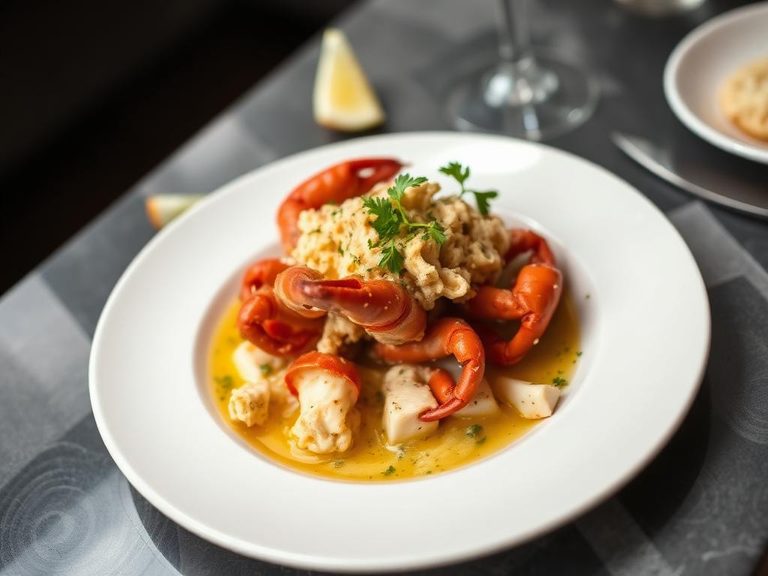
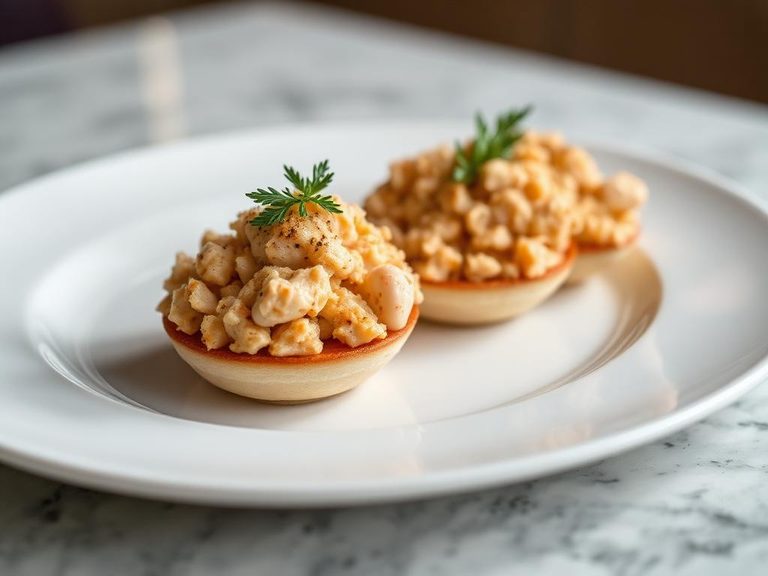
🍽️ Popular dishes
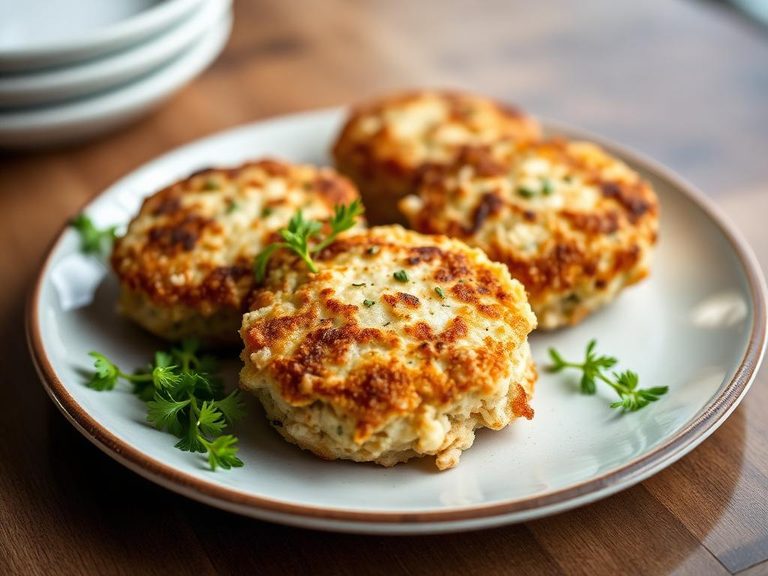
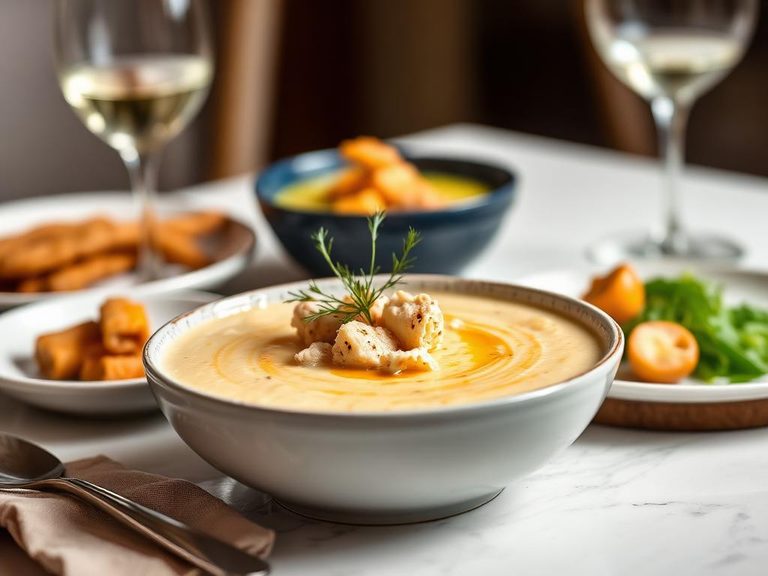
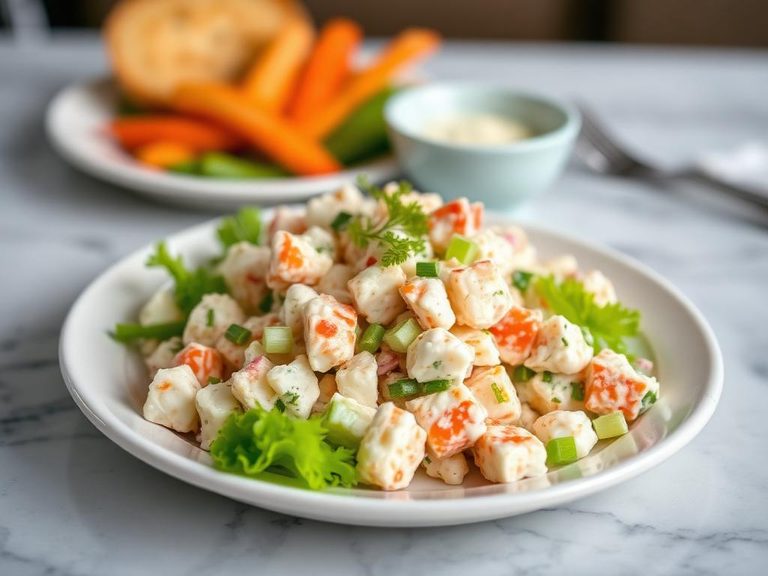
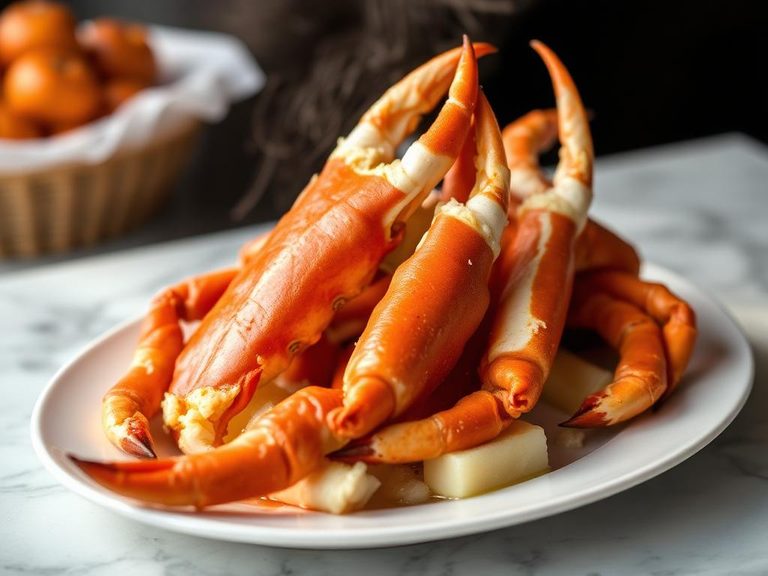
🌍 Where it's eaten
💡 Did you know?
Queen crab (Chionoecetes opilio) is often called 'snow crab' because its legs are said to resemble snow-covered branches.
Full nutrition (USDA data · scales with serving)
| Water | 75.1 g |
| Energy | 115 kcal |
| Energy | 481 kj |
| Protein | 23.7 g |
| Total lipid (fat) | 1.5 g |
| Ash | 2.6 g |
| Carbohydrate, by difference | 0.00 g |
| Fiber, total dietary | 0.00 g |
| Calcium, Ca | 33.0 mg |
| Iron, Fe | 2.9 mg |
| Magnesium, Mg | 63.0 mg |
| Phosphorus, P | 128 mg |
| Potassium, K | 200 mg |
| Sodium, Na | 691 mg |
| Zinc, Zn | 3.6 mg |
| Copper, Cu | 0.62 mg |
| Manganese, Mn | 0.04 mg |
| Selenium, Se | 44.4 ug |
| Vitamin C, total ascorbic acid | 7.2 mg |
| Thiamin | 0.10 mg |
| Riboflavin | 0.24 mg |
| Niacin | 2.9 mg |
| Pantothenic acid | 0.40 mg |
| Vitamin B-6 | 0.17 mg |
| Folate, total | 42.0 ug |
| Folic acid | 0.00 ug |
| Folate, food | 42.0 ug |
| Folate, DFE | 42.0 ug |
| Vitamin B-12 | 10.4 ug |
| Vitamin A, RAE | 52.0 ug |
| Retinol | 52.0 ug |
| Vitamin A, IU | 173 iu |
Fat & fatty acid profile (per 100g)
| Fatty acids, total saturated | 0.18 g |
| SFA 14:0 | 0.01 g |
| SFA 16:0 | 0.15 g |
| SFA 18:0 | 0.03 g |
| Fatty acids, total monounsaturated | 0.33 g |
| MUFA 16:1 | 0.06 g |
| MUFA 18:1 | 0.24 g |
| MUFA 20:1 | 0.03 g |
| Fatty acids, total polyunsaturated | 0.54 g |
| PUFA 18:2 | 0.01 g |
| PUFA 18:3 | 0.00 g |
| PUFA 18:4 | 0.00 g |
| PUFA 20:4 | 0.04 g |
| PUFA 20:5 n-3 (EPA) | 0.33 g |
| PUFA 22:5 n-3 (DPA) | 0.01 g |
| PUFA 22:6 n-3 (DHA) | 0.14 g |
| Cholesterol | 71.0 mg |
Amino acid profile (per 100g)
| Tryptophan | 0.33 g |
| Threonine | 0.96 g |
| Isoleucine | 1.1 g |
| Leucine | 1.9 g |
| Lysine | 2.1 g |
| Methionine | 0.67 g |
| Cystine | 0.27 g |
| Phenylalanine | 1.00 g |
| Tyrosine | 0.79 g |
| Valine | 1.1 g |
| Arginine | 2.1 g |
| Histidine | 0.48 g |
| Alanine | 1.3 g |
| Aspartic acid | 2.4 g |
| Glutamic acid | 4.0 g |
| Glycine | 1.4 g |
| Proline | 0.78 g |
| Serine | 0.93 g |
FAQ
Is cooked queen crab safe to eat cold?
Yes, fully cooked crab is safe to eat cold, as in a salad or cocktail. Ensure it has been properly refrigerated after cooking and consumed within 3-4 days.
How do I know if crab meat is fresh?
Fresh crab meat should smell sweet and briny, like the ocean. Avoid any with a strong, fishy, or ammonia-like odor. The texture should be moist and firm, not mushy.
Can I eat the brown crab meat (tomalley)?
While the tomalley (the greenish hepatopancreas) is edible and considered a delicacy by some, it can concentrate environmental contaminants. It's often recommended to consume it in moderation.
Nutrient density (calculated · NRF9.3)
Nutrient Rich Foods index: beneficial nutrients (protein, fiber, vitamins, minerals) minus saturated fat, added sugar & sodium, per 100 kcal.
NRF9.3 index — Fulgoni, Keast & Drewnowski, 2009. Computed from USDA nutrients.
Weight-loss friendliness (composite index)
Energy density 1.15 kcal/g · 83% calories from protein · 0.0 g fiber · 0.0 g sugar per 100 g.
Composite of energy density (Rolls et al., 1999), protein & fiber satiety, minus sugar. A calculated heuristic — ranks satiety-per-calorie, not a clinical measure.
Dietary load (calculated from USDA values)
Potential renal acid load. Positive = acid-forming, negative = alkaline-forming.
Sodium-to-potassium ratio: 3.46 (lower is better — aim for ≤ 1)
Sodium:potassium per WHO potassium guidance. Computed from USDA nutrients.