

Beverages, OCEAN SPRAY, White Cranberry Strawberry Flavored Juice Drink
Whole food · Beverages

Photo: Wikipedia
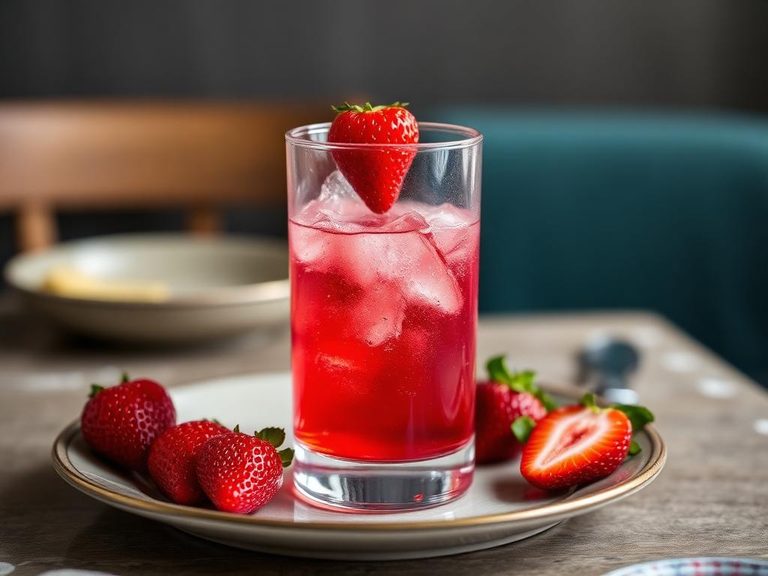
This is a light, refreshing juice drink that blends the tart, floral notes of white cranberry with the sweet, familiar punch of strawberry. Its consistency is smooth and watery, typical of a fruit-flavored beverage, with a pale pink hue. Nutritionally, it's a low-calorie option, providing a quick source of carbohydrates primarily from sugars.
Calorie split: 2% protein · 98% carbs · 0% fat
↓ Full nutrition💚 Why it's loved
People love its sweet-tart balance, which is less intense than pure cranberry juice, making it an easy-drinking, nostalgic choice for both kids and adults. Its versatility shines as a mixer for cocktails, a base for spritzers, or a flavorful component in mocktails and punches.
⚠️ Watch-outs & how to enjoy it better
The primary downside is its high sugar content (11.42g per 100g), which can contribute to blood-sugar spikes if consumed in large quantities. To counteract this, practice portion control (stick to a single serving) and consider pairing it with a source of protein or healthy fat, like a handful of nuts or a cheese stick, to slow sugar absorption.
Key benefits
- Low in calories (49 kcal per 100g)
- Virtually fat-free
- Contains a small amount of dietary fiber
- Provides quick energy from carbohydrates
- A hydrating alternative to plain water
🍽️ Popular dishes
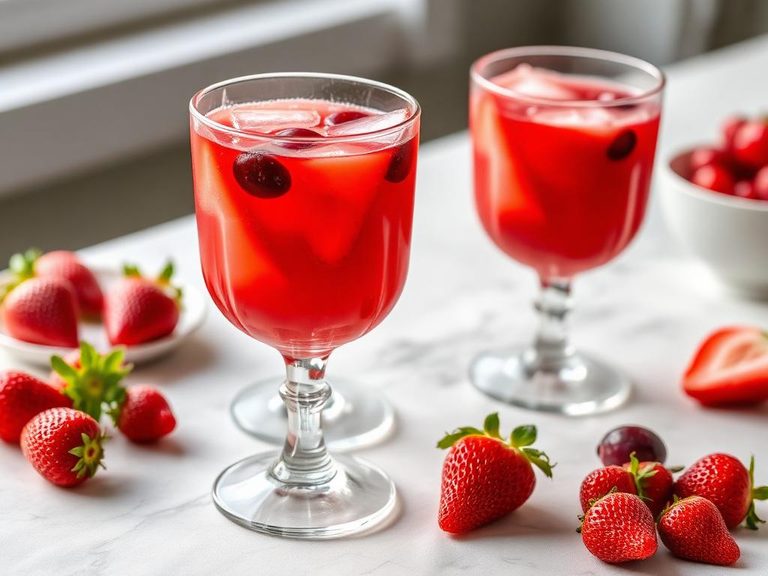
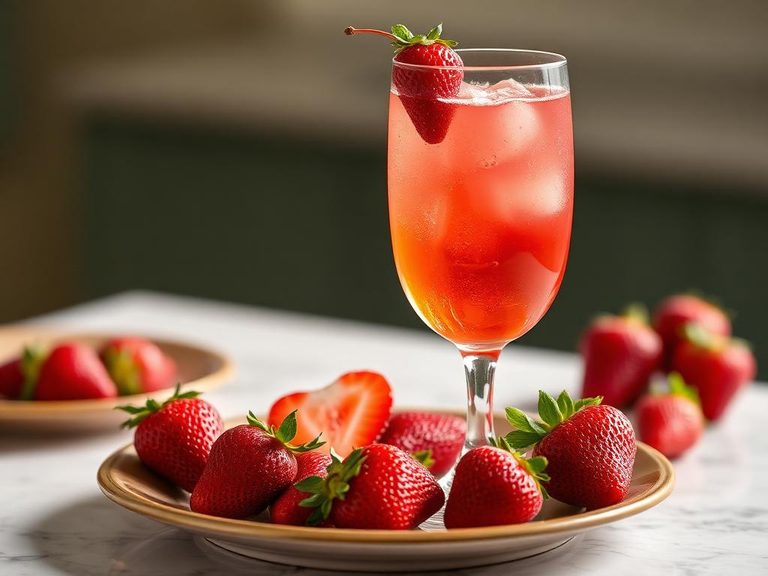
🌍 Where it's eaten
💡 Did you know?
White cranberries are actually regular cranberries harvested before they fully ripen and turn red, giving them a milder, less acidic flavor.
Full nutrition (USDA data · scales with serving)
| Water | 88.0 g |
| Energy | 49.0 kcal |
| Energy | 204 kj |
| Protein | 0.22 g |
| Total lipid (fat) | 0.01 g |
| Ash | 0.10 g |
| Carbohydrate, by difference | 12.0 g |
| Fiber, total dietary | 0.60 g |
| Total Sugars | 11.4 g |
| Sucrose | 1.8 g |
| Glucose | 4.5 g |
| Fructose | 4.9 g |
| Lactose | 0.00 g |
| Maltose | 0.00 g |
| Galactose | 0.00 g |
| Calcium, Ca | 4.0 mg |
| Iron, Fe | 0.04 mg |
| Magnesium, Mg | 2.0 mg |
| Phosphorus, P | 3.0 mg |
| Potassium, K | 14.0 mg |
| Sodium, Na | 3.0 mg |
| Zinc, Zn | 0.04 mg |
| Copper, Cu | 0.01 mg |
| Manganese, Mn | 0.03 mg |
| Selenium, Se | 0.10 ug |
| Vitamin C, total ascorbic acid | 26.7 mg |
| Thiamin | 0.02 mg |
| Riboflavin | 0.06 mg |
| Niacin | 0.21 mg |
| Vitamin B-6 | 0.05 mg |
| Folate, total | 4.0 ug |
| Folic acid | 4.0 ug |
| Folate, food | 0.00 ug |
| Folate, DFE | 8.0 ug |
| Choline, total | 0.00 mg |
| Vitamin B-12 | 0.00 ug |
| Vitamin B-12, added | 0.00 ug |
| Vitamin A, RAE | 1.0 ug |
| Retinol | 0.00 ug |
| Carotene, beta | 15.0 ug |
| Carotene, alpha | 0.00 ug |
| Cryptoxanthin, beta | 0.00 ug |
| Vitamin A, IU | 25.0 iu |
| Lycopene | 0.00 ug |
| Lutein + zeaxanthin | 0.00 ug |
| Vitamin E (alpha-tocopherol) | 0.00 mg |
| Vitamin E, added | 0.00 mg |
| Vitamin D (D2 + D3), International Units | 0.00 iu |
| Vitamin D (D2 + D3) | 0.00 ug |
| Vitamin K (phylloquinone) | 0.00 ug |
| Alcohol, ethyl | 0.00 g |
| Caffeine | 0.00 mg |
| Theobromine | 0.00 mg |
Fat & fatty acid profile (per 100g)
| Fatty acids, total saturated | 0.00 g |
| Fatty acids, total monounsaturated | 0.00 g |
| Fatty acids, total polyunsaturated | 0.00 g |
| Fatty acids, total trans | 0.00 g |
| Cholesterol | 0.00 mg |
Amino acid profile (per 100g)
Estimated from Beverages, carbonated, tonic water — USDA does not publish this profile for Beverages.
| Tryptophan | 0.00 g |
| Threonine | 0.00 g |
| Isoleucine | 0.00 g |
| Leucine | 0.00 g |
| Lysine | 0.00 g |
| Methionine | 0.00 g |
| Cystine | 0.00 g |
| Phenylalanine | 0.00 g |
| Tyrosine | 0.00 g |
| Valine | 0.00 g |
| Arginine | 0.00 g |
| Histidine | 0.00 g |
| Alanine | 0.00 g |
| Aspartic acid | 0.00 g |
| Glutamic acid | 0.00 g |
| Glycine | 0.00 g |
| Proline | 0.00 g |
| Serine | 0.00 g |
FAQ
Is this the same as 100% cranberry juice?
No. This is a 'juice drink,' meaning it's typically a blend of juices (like white cranberry and strawberry) with added water and sugars. 100% cranberry juice is made solely from cranberry juice concentrate and is usually much more tart.
Does it contain any real fruit?
Yes, it contains juice from white cranberries and strawberries, but the exact percentage can vary. The ingredient list will specify the order and proportion of juices used.
Is it suitable for a low-sugar diet?
While lower in calories than many sodas, it still contains a significant amount of added sugars (11.42g per 100g). For a low-sugar diet, it's best consumed in strict moderation or diluted with sparkling water.
Nutrient density (calculated · NRF9.3)
Nutrient Rich Foods index: beneficial nutrients (protein, fiber, vitamins, minerals) minus saturated fat, added sugar & sodium, per 100 kcal.
NRF9.3 index — Fulgoni, Keast & Drewnowski, 2009. Computed from USDA nutrients.
Weight-loss friendliness (composite index)
Energy density 0.49 kcal/g · 2% calories from protein · 0.6 g fiber · 11.4 g sugar per 100 g.
Composite of energy density (Rolls et al., 1999), protein & fiber satiety, minus sugar. A calculated heuristic — ranks satiety-per-calorie, not a clinical measure.
Dietary load (calculated from USDA values)
Potential renal acid load. Positive = acid-forming, negative = alkaline-forming.
Sodium-to-potassium ratio: 0.21 (lower is better — aim for ≤ 1)
Sodium:potassium per WHO potassium guidance. Computed from USDA nutrients.