Seeds, sesame butter, paste
Whole food · Nut and Seed Products

Photo: Wikipedia
Sesame butter, also known as tahini, is a rich, creamy paste made from ground toasted or raw sesame seeds. It has a deep, nutty, and slightly bitter flavor with a smooth, pourable texture that can range from thick to runny depending on the grind. Nutritionally, it is a powerhouse of healthy fats and plant-based protein, providing over 50 grams of fat and 18 grams of protein per 100 grams.
💚 Why it's loved
People love sesame butter for its intensely nutty, earthy flavor that adds depth to both sweet and savory dishes. Its creamy texture and versatility make it a beloved ingredient in global cuisines, from Middle Eastern hummus to Asian stir-fry sauces.
⚠️ Watch-outs & how to enjoy it better
Sesame butter is calorie-dense and high in fat, so overconsumption can lead to excess calorie intake. It is also a common allergen, and its high oxalate content may be a concern for individuals prone to kidney stones. To manage this, practice portion control (stick to 1-2 tablespoons per serving) and pair it with high-fiber foods to slow absorption. If you have a sesame allergy, avoid it entirely and consider sunflower seed butter as an alternative.
Key benefits
- Excellent source of healthy monounsaturated and polyunsaturated fats
- Rich in plant-based protein, making it a staple for vegetarian and vegan diets
- High in minerals like copper, manganese, and calcium
- Provides dietary fiber, supporting digestive health
- Contains antioxidants like lignans, which may have protective effects
🍽️ Popular dishes
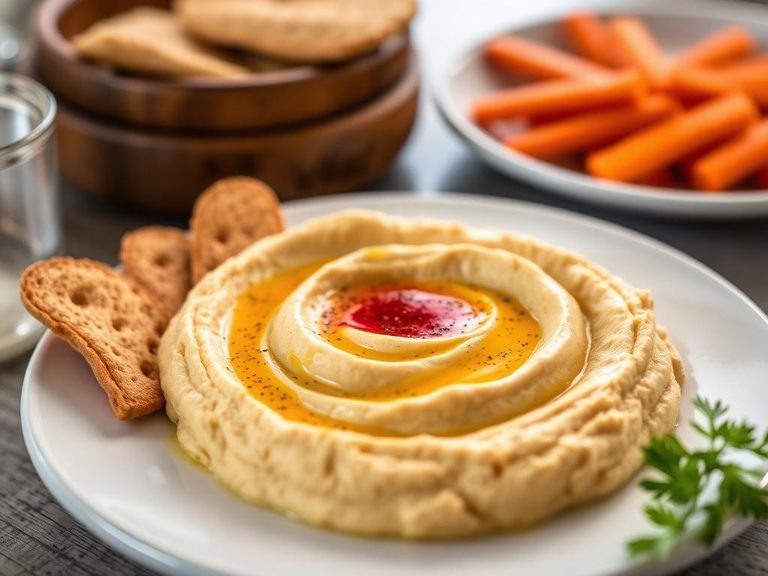
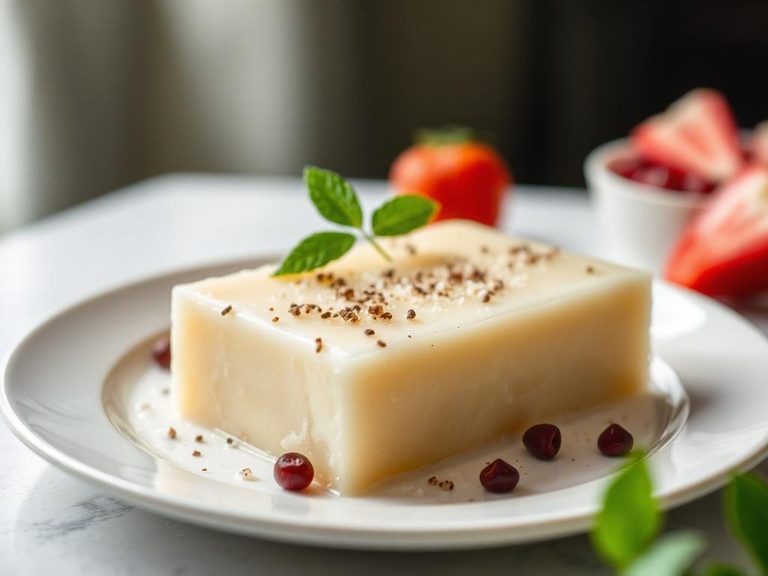
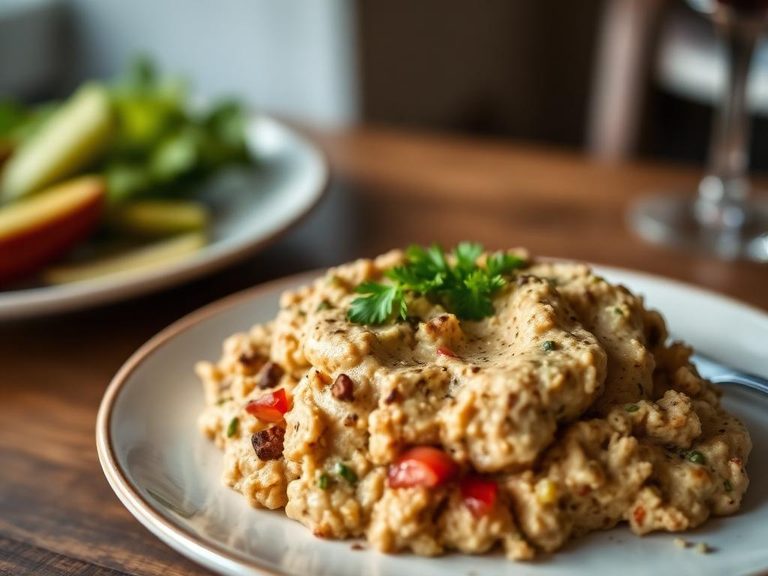
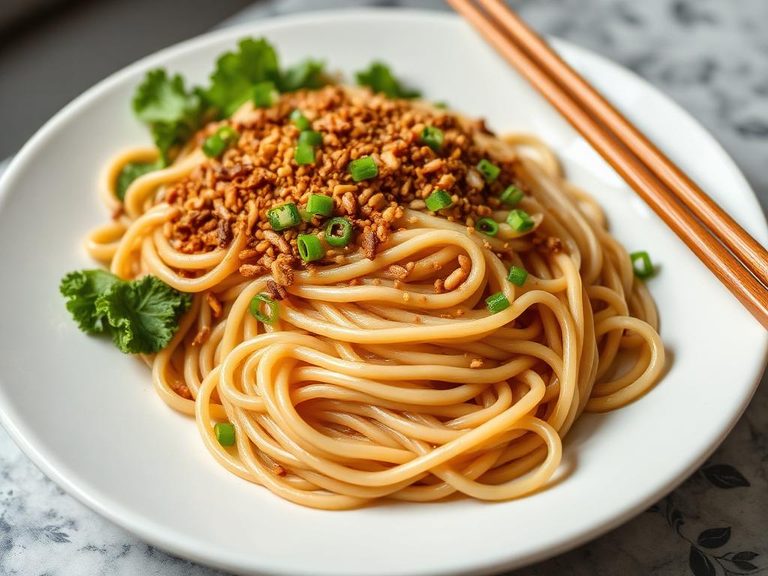
🌍 Where it's eaten
💡 Did you know?
Sesame seeds are one of the oldest oilseed crops in history, with evidence of cultivation dating back over 4,000 years to ancient Mesopotamia.
Full nutrition (scales with serving)
| Water | 1.6 g |
| Energy | 586 kcal |
| Energy | 2454 kj |
| Protein | 18.1 g |
| Total lipid (fat) | 50.9 g |
| Ash | 5.4 g |
| Carbohydrate, by difference | 24.1 g |
| Fiber, total dietary | 5.5 g |
| Calcium, Ca | 960 mg |
| Iron, Fe | 19.2 mg |
| Magnesium, Mg | 362 mg |
| Phosphorus, P | 659 mg |
| Potassium, K | 582 mg |
| Sodium, Na | 12.0 mg |
| Zinc, Zn | 7.3 mg |
| Copper, Cu | 4.2 mg |
| Manganese, Mn | 2.5 mg |
| Selenium, Se | 35.5 ug |
| Vitamin C, total ascorbic acid | 0.00 mg |
| Thiamin | 0.24 mg |
| Riboflavin | 0.20 mg |
| Niacin | 6.7 mg |
| Pantothenic acid | 0.05 mg |
| Vitamin B-6 | 0.82 mg |
| Folate, total | 100 ug |
| Folic acid | 0.00 ug |
| Folate, food | 100 ug |
| Folate, DFE | 100 ug |
| Vitamin B-12 | 0.00 ug |
| Vitamin A, RAE | 3.0 ug |
| Retinol | 0.00 ug |
| Vitamin A, IU | 50.0 iu |
| Vitamin D (D2 + D3), International Units | 0.00 iu |
| Vitamin D (D2 + D3) | 0.00 ug |
| Alcohol, ethyl | 0.00 g |
Fat & fatty acid profile (per 100g)
| Fatty acids, total saturated | 7.1 g |
| SFA 4:0 | 0.00 g |
| SFA 6:0 | 0.00 g |
| SFA 8:0 | 0.00 g |
| SFA 10:0 | 0.00 g |
| SFA 12:0 | 0.00 g |
| SFA 14:0 | 0.13 g |
| SFA 16:0 | 4.5 g |
| SFA 18:0 | 2.1 g |
| Fatty acids, total monounsaturated | 19.2 g |
| MUFA 16:1 | 0.15 g |
| MUFA 18:1 | 19.0 g |
| MUFA 20:1 | 0.07 g |
| MUFA 22:1 | 0.00 g |
| Fatty acids, total polyunsaturated | 22.3 g |
| PUFA 18:2 | 21.9 g |
| PUFA 18:3 | 0.39 g |
| PUFA 18:4 | 0.00 g |
| PUFA 20:4 | 0.00 g |
| PUFA 20:5 n-3 (EPA) | 0.00 g |
| PUFA 22:5 n-3 (DPA) | 0.00 g |
| PUFA 22:6 n-3 (DHA) | 0.00 g |
| Cholesterol | 0.00 mg |
Amino acid profile (per 100g)
| Tryptophan | 0.40 g |
| Threonine | 0.75 g |
| Isoleucine | 0.78 g |
| Leucine | 1.4 g |
| Lysine | 0.58 g |
| Methionine | 0.60 g |
| Cystine | 0.36 g |
| Phenylalanine | 0.96 g |
| Tyrosine | 0.76 g |
| Valine | 1.0 g |
| Arginine | 2.7 g |
| Histidine | 0.53 g |
| Alanine | 0.94 g |
| Aspartic acid | 1.7 g |
| Glutamic acid | 4.0 g |
| Glycine | 1.2 g |
| Proline | 0.83 g |
| Serine | 0.99 g |
FAQ
Is sesame butter the same as tahini?
Yes, sesame butter and tahini are essentially the same thing—both are made from ground sesame seeds. Tahini is the Middle Eastern term, while sesame butter is more commonly used in the U.S.
Can I use sesame butter in baking?
Absolutely! Sesame butter can replace peanut butter or almond butter in many recipes, adding a nutty flavor to cookies, brownies, and energy bars.
How should I store sesame butter?
Store it in a cool, dark place or refrigerate after opening. The oil may separate, so stir well before use. It can last for several months if kept properly.