

Squash, Indian, cooked, boiled (Navajo)
Whole food · American Indian/Alaska Native Foods

Photo: Wikipedia
This humble Navajo staple is a small, round squash with a sweet, nutty flavor and a tender, slightly grainy texture when boiled. Its vibrant orange flesh is packed with beta-carotene, offering a significant dose of Vitamin A for just 16 calories per 100g. It's a light, hydrating vegetable that delivers substantial fiber and natural sugars without any fat.
Calorie split: 8% protein · 83% carbs · 9% fat
↓ Full nutrition💚 Why it's loved
People adore its delicate, sweet flavor that intensifies with cooking, making it a versatile canvas for both savory spices and sweet preparations. It's deeply woven into Navajo culture, often grown in traditional dry farms and featured in ceremonial and everyday meals.
⚠️ Watch-outs & how to enjoy it better
Its high natural sugar content can contribute to blood-sugar spikes if eaten in large quantities alone. To mitigate this, pair it with a source of protein (like beans) or healthy fat (like a drizzle of oil or seeds) to slow digestion. Its soft texture may also be unappealing to those who prefer crunchier vegetables.
Key benefits
- Extremely low-calorie, high-volume food for weight management
- Excellent source of beta-carotene (Vitamin A) for eye and immune health
- Provides soluble fiber to support digestive regularity
- Naturally hydrating with a high water content
- Contains antioxidants that combat oxidative stress
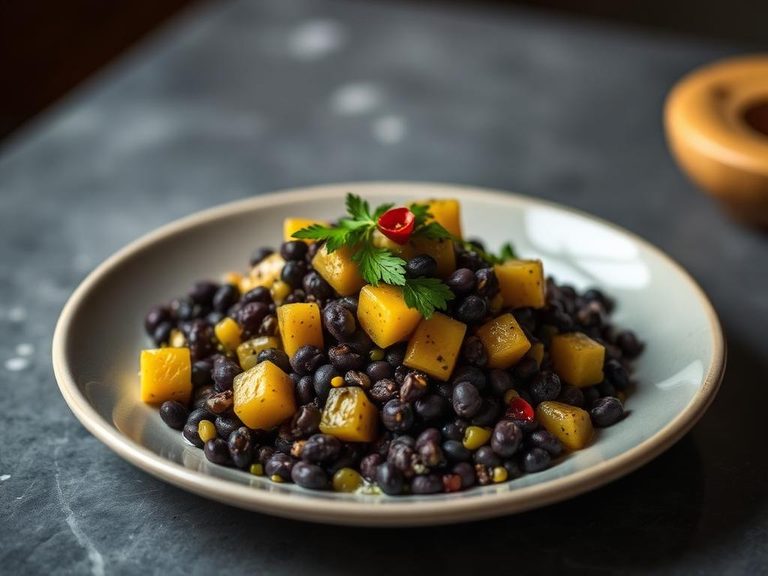
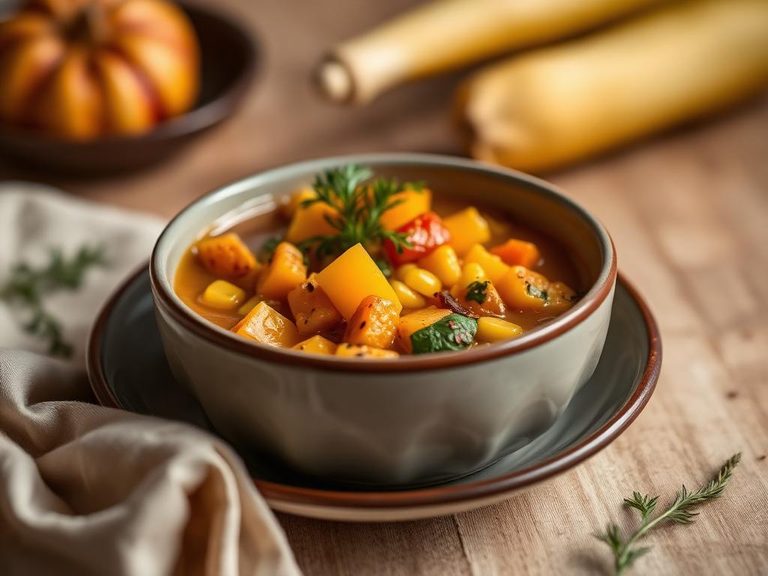
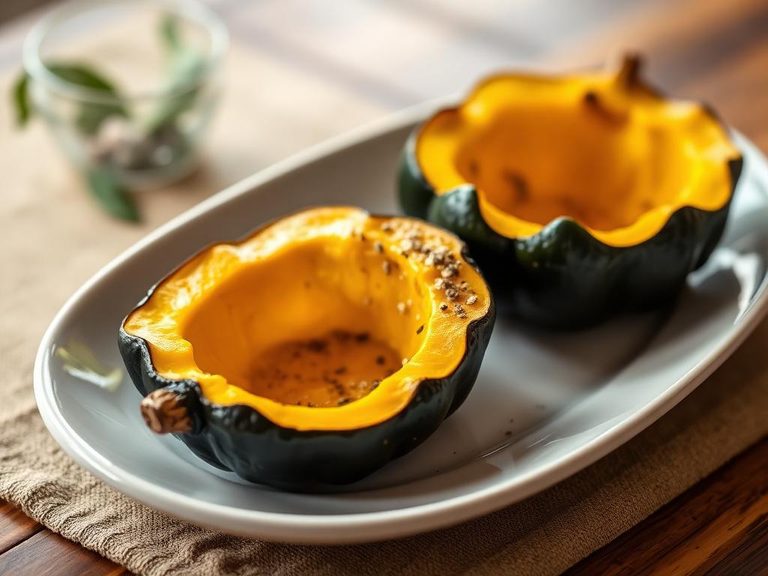
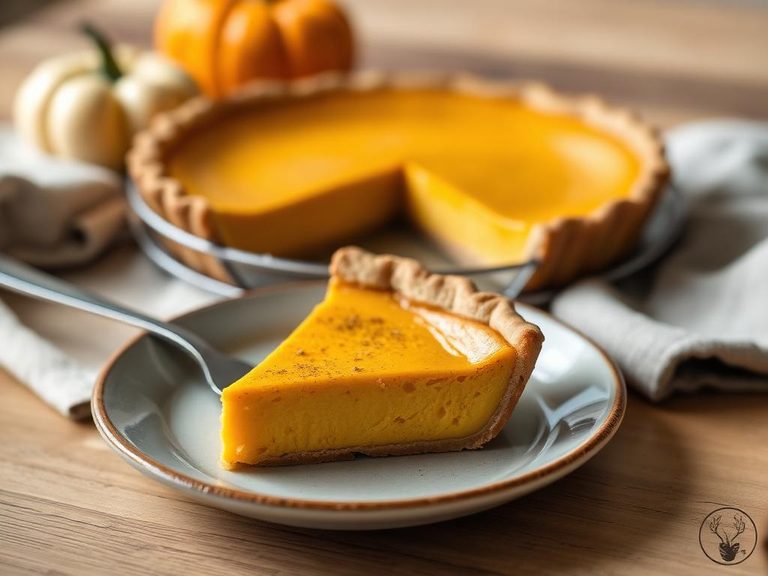
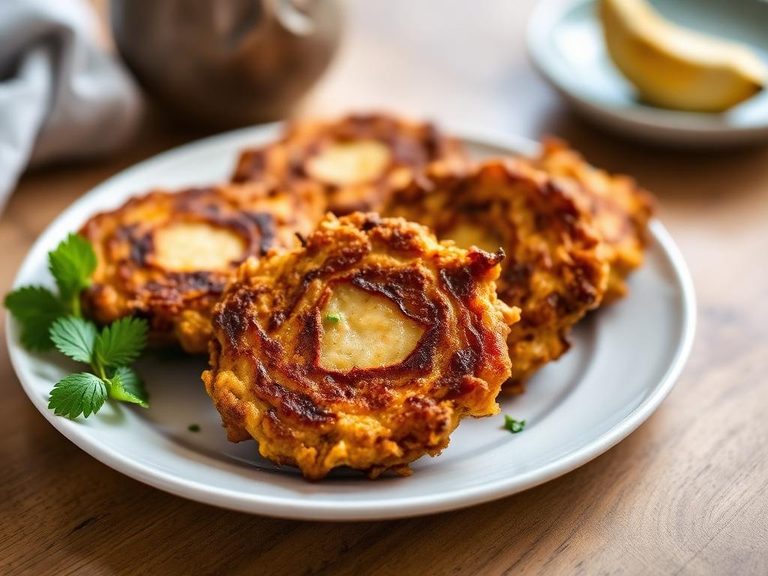
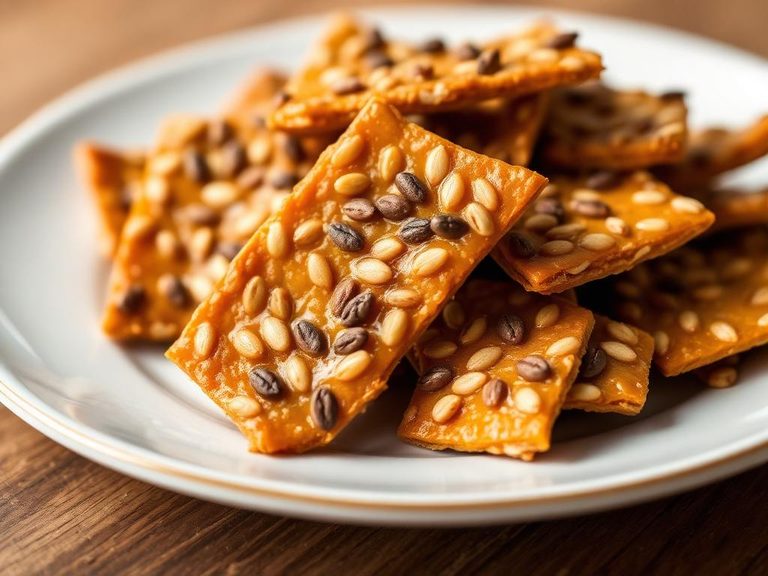
🍽️ Popular dishes
🌍 Where it's eaten
💡 Did you know?
The Navajo word for this squash, 'tł'oh', is also the general term for 'vegetable' or 'green plant,' highlighting its foundational role in their traditional agriculture.
Full nutrition (USDA data · scales with serving)
| Water | 96.2 g |
| Energy | 16.0 kcal |
| Energy | 65.0 kj |
| Protein | 0.31 g |
| Total lipid (fat) | 0.15 g |
| Ash | 0.10 g |
| Carbohydrate, by difference | 3.2 g |
| Fiber, total dietary | 1.5 g |
| Total Sugars | 2.0 g |
| Sucrose | 0.44 g |
| Glucose | 0.69 g |
| Fructose | 0.89 g |
| Lactose | 0.00 g |
| Maltose | 0.00 g |
| Galactose | 0.00 g |
| Starch | 0.00 g |
| Thiamin | 0.01 mg |
| Riboflavin | 0.01 mg |
| Niacin | 0.10 mg |
| Pantothenic acid | 0.06 mg |
| Vitamin B-6 | 0.03 mg |
| Folate, total | 7.0 ug |
| Folate, food | 7.0 ug |
Fat & fatty acid profile (per 100g)
Estimated from Stew, mutton, corn, squash (Navajo) — USDA does not publish this profile for Squash.
| Fatty acids, total saturated | 1.7 g |
| SFA 8:0 | 0.00 g |
| SFA 10:0 | 0.00 g |
| SFA 12:0 | 0.00 g |
| SFA 14:0 | 0.08 g |
| SFA 15:0 | 0.02 g |
| SFA 16:0 | 0.87 g |
| SFA 17:0 | 0.06 g |
| SFA 18:0 | 0.69 g |
| SFA 20:0 | 0.01 g |
| SFA 22:0 | 0.01 g |
| Fatty acids, total monounsaturated | 1.7 g |
| MUFA 14:1 | 0.00 g |
| MUFA 15:1 | 0.00 g |
| MUFA 16:1 | 0.07 g |
| MUFA 17:1 | 0.03 g |
| MUFA 18:1 | 1.6 g |
| MUFA 20:1 | 0.01 g |
| Fatty acids, total polyunsaturated | 0.38 g |
| PUFA 18:2 | 0.31 g |
| PUFA 18:3 | 0.06 g |
| PUFA 18:3 n-3 c,c,c (ALA) | 0.05 g |
| PUFA 18:3 n-6 c,c,c | 0.01 g |
| PUFA 20:2 n-6 c,c | 0.00 g |
| PUFA 20:3 | 0.00 g |
| PUFA 20:4 | 0.01 g |
| Cholesterol | 43.0 mg |
Amino acid profile (per 100g)
Estimated from Stew, mutton, corn, squash (Navajo) — USDA does not publish this profile for Squash.
| Tryptophan | 0.06 g |
| Threonine | 0.31 g |
| Isoleucine | 0.34 g |
| Leucine | 0.68 g |
| Lysine | 0.56 g |
| Methionine | 0.21 g |
| Cystine | 0.09 g |
| Phenylalanine | 0.33 g |
| Tyrosine | 0.23 g |
| Valine | 0.39 g |
| Arginine | 0.47 g |
| Histidine | 0.22 g |
| Alanine | 0.55 g |
| Aspartic acid | 0.68 g |
| Glutamic acid | 1.2 g |
| Glycine | 0.55 g |
| Proline | 0.47 g |
| Serine | 0.31 g |
FAQ
How does it differ from a standard pumpkin?
Indian squash (Navajo) is typically smaller, rounder, and has a sweeter, denser flesh than many common pumpkin varieties. It's specifically adapted to the arid Southwest and is a key part of the 'Three Sisters' (corn, beans, squash) planting tradition.
Is the skin edible after boiling?
Yes, the skin of young, tender squash is edible and softens when cooked. Older squash may have a tougher skin that is often peeled before cooking or eaten.
Can I eat it raw?
While possible when very young and tender, it's almost always cooked. Cooking breaks down its fibrous structure, concentrates its sweet flavor, and makes its nutrients more bioavailable.
Weight-loss friendliness (composite index)
Energy density 0.16 kcal/g · 8% calories from protein · 1.5 g fiber · 2.0 g sugar per 100 g.
Composite of energy density (Rolls et al., 1999), protein & fiber satiety, minus sugar. A calculated heuristic — ranks satiety-per-calorie, not a clinical measure.