

Soymilk (all flavors), nonfat, with added calcium, vitamins A and D
Whole food · Legumes and Legume Products

Photo: Wikipedia
This is a lean, plant-based beverage made from soybeans, offering a creamy, slightly beany flavor with a smooth, thin texture. It's fortified with calcium and vitamins A and D to mimic the nutritional profile of dairy milk, all while being virtually fat-free. At just 28 calories per 100g, it's a light, protein-rich alternative for those watching their fat intake.
Calorie split: 37% protein · 62% carbs · 1% fat
↓ Full nutrition💚 Why it's loved
People love it for its mild, versatile flavor that blends well in smoothies, coffee, and cereal, and its cultural significance as a staple in many Asian diets. It's also a go-to for lactose-intolerant individuals seeking a nutritious, dairy-free milk alternative.
⚠️ Watch-outs & how to enjoy it better
The added sugars (3.65g per 100g) can contribute to blood-sugar spikes if consumed in large quantities, and it's a common allergen for those with soy sensitivities. To mitigate, opt for unsweetened versions, pair it with protein or healthy fats (like nuts or oats) to slow sugar absorption, and always check labels for cross-contamination.
Key benefits
- Low in calories and virtually fat-free
- Good source of plant-based protein
- Fortified with calcium, vitamin A, and vitamin D
- Naturally cholesterol-free
- Provides a small amount of dietary fiber
🍽️ Popular dishes
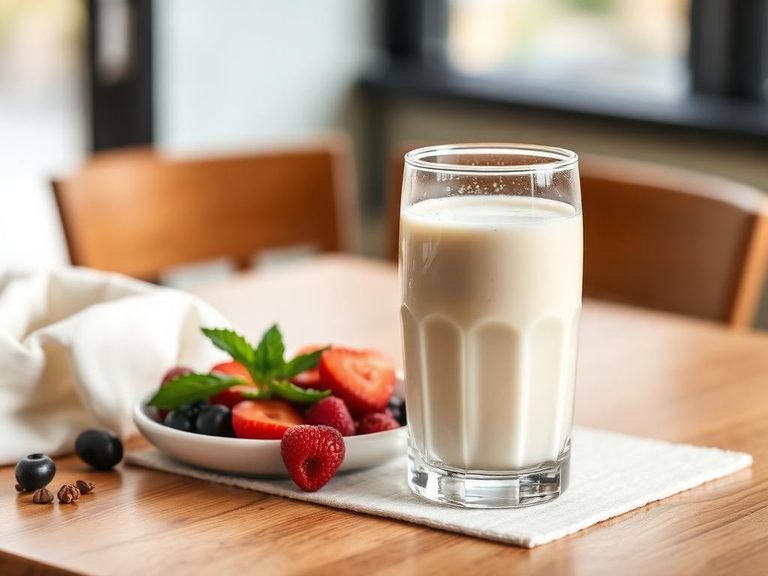
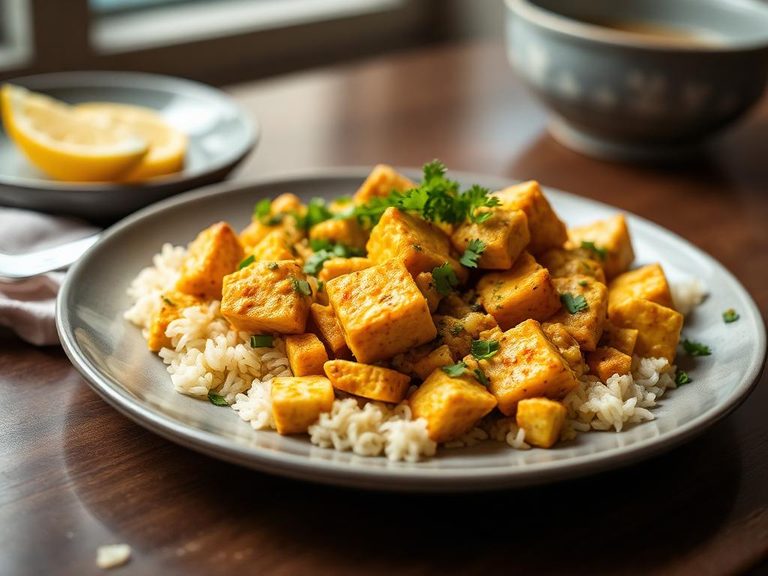
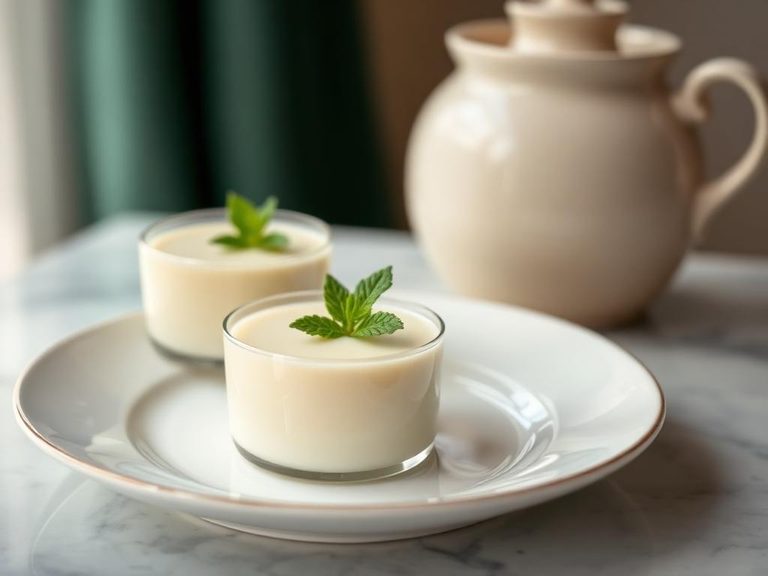
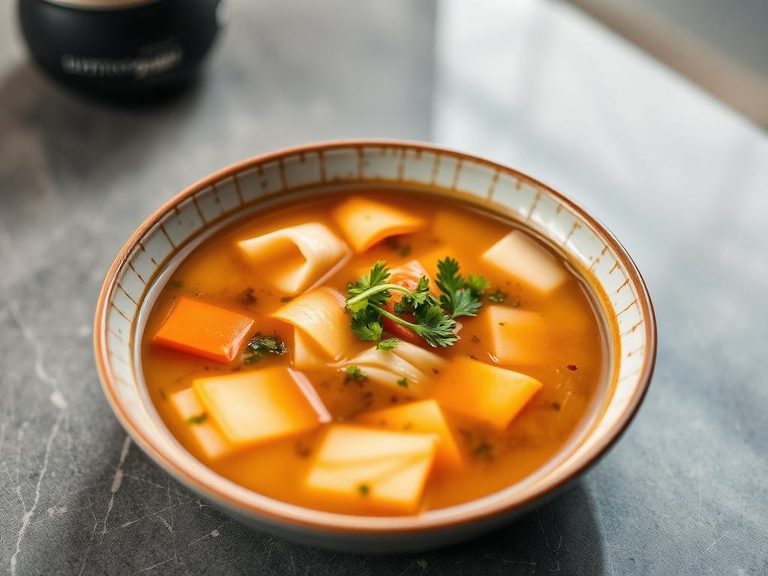

🌍 Where it's eaten
💡 Did you know?
Soy milk was first developed in China over 2,000 years ago, and it was originally a byproduct of tofu production, not a standalone beverage.
Full nutrition (USDA data · scales with serving)
| Water | 92.7 g |
| Energy | 28.0 kcal |
| Energy | 117 kj |
| Protein | 2.5 g |
| Total lipid (fat) | 0.04 g |
| Ash | 0.64 g |
| Carbohydrate, by difference | 4.1 g |
| Fiber, total dietary | 0.20 g |
| Total Sugars | 3.6 g |
| Calcium, Ca | 116 mg |
| Iron, Fe | 0.35 mg |
| Magnesium, Mg | 10.0 mg |
| Phosphorus, P | 87.0 mg |
| Potassium, K | 105 mg |
| Sodium, Na | 57.0 mg |
| Zinc, Zn | 0.10 mg |
| Copper, Cu | 0.13 mg |
| Selenium, Se | 1.8 ug |
| Vitamin C, total ascorbic acid | 0.00 mg |
| Thiamin | 0.02 mg |
| Riboflavin | 0.17 mg |
| Niacin | 0.32 mg |
| Vitamin B-6 | 0.02 mg |
| Folate, total | 7.0 ug |
| Folic acid | 0.00 ug |
| Folate, food | 7.0 ug |
| Folate, DFE | 7.0 ug |
| Choline, total | 17.9 mg |
| Vitamin B-12 | 0.23 ug |
| Vitamin B-12, added | 0.23 ug |
| Vitamin A, RAE | 61.0 ug |
| Retinol | 61.0 ug |
| Carotene, beta | 1.0 ug |
| Carotene, alpha | 0.00 ug |
| Cryptoxanthin, beta | 0.00 ug |
| Vitamin A, IU | 206 iu |
| Lycopene | 0.00 ug |
| Lutein + zeaxanthin | 0.00 ug |
| Vitamin E (alpha-tocopherol) | 0.08 mg |
| Vitamin E, added | 0.00 mg |
| Vitamin D (D2 + D3), International Units | 41.0 iu |
| Vitamin D (D2 + D3) | 1.0 ug |
| Vitamin D2 (ergocalciferol) | 1.0 ug |
| Vitamin K (phylloquinone) | 2.3 ug |
| Alcohol, ethyl | 0.00 g |
| Caffeine | 0.00 mg |
| Theobromine | 0.00 mg |
Fat & fatty acid profile (per 100g)
| Fatty acids, total saturated | 0.00 g |
| SFA 4:0 | 0.00 g |
| SFA 6:0 | 0.00 g |
| SFA 8:0 | 0.00 g |
| SFA 10:0 | 0.00 g |
| SFA 12:0 | 0.00 g |
| SFA 14:0 | 0.00 g |
| SFA 16:0 | 0.00 g |
| SFA 18:0 | 0.00 g |
| Fatty acids, total monounsaturated | 0.00 g |
| MUFA 16:1 | 0.00 g |
| MUFA 18:1 | 0.00 g |
| MUFA 20:1 | 0.00 g |
| MUFA 22:1 | 0.00 g |
| Fatty acids, total polyunsaturated | 0.04 g |
| PUFA 18:2 | 0.03 g |
| PUFA 18:3 | 0.00 g |
| PUFA 18:4 | 0.00 g |
| PUFA 20:4 | 0.00 g |
| PUFA 20:5 n-3 (EPA) | 0.00 g |
| PUFA 22:5 n-3 (DPA) | 0.00 g |
| PUFA 22:6 n-3 (DHA) | 0.00 g |
| Fatty acids, total trans | 0.00 g |
| Cholesterol | 0.00 mg |
FAQ
Is soy milk a good source of protein?
Yes, soy milk provides about 2.47g of protein per 100g, making it one of the highest-protein plant-based milk options, comparable to dairy milk.
Can soy milk be used in cooking and baking?
Absolutely, it's a versatile ingredient for making pancakes, muffins, sauces, and soups, and it can be used as a dairy substitute in most recipes.
Is soy milk suitable for people with lactose intolerance?
Yes, it's naturally lactose-free and often fortified with calcium and vitamin D, making it a great alternative for those with lactose intolerance.
Nutrient density (calculated · NRF9.3)
Nutrient Rich Foods index: beneficial nutrients (protein, fiber, vitamins, minerals) minus saturated fat, added sugar & sodium, per 100 kcal.
NRF9.3 index — Fulgoni, Keast & Drewnowski, 2009. Computed from USDA nutrients.
Weight-loss friendliness (composite index)
Energy density 0.28 kcal/g · 35% calories from protein · 0.2 g fiber · 3.6 g sugar per 100 g.
Composite of energy density (Rolls et al., 1999), protein & fiber satiety, minus sugar. A calculated heuristic — ranks satiety-per-calorie, not a clinical measure.
Dietary load (calculated from USDA values)
Potential renal acid load. Positive = acid-forming, negative = alkaline-forming.
Sodium-to-potassium ratio: 0.54 (lower is better — aim for ≤ 1)
Sodium:potassium per WHO potassium guidance. Computed from USDA nutrients.