

Soup, cream of chicken, canned, prepared with equal volume milk
Whole food · Soups, Sauces, and Gravies
This is a classic comfort food: a velvety, savory base of puréed chicken and stock, enriched with milk for a smooth, pourable consistency. Its flavor is mild, savory, and creamy with a subtle poultry depth, making it a versatile canvas. Nutritionally, it's a moderate source of protein and fat, with a low fiber content.
Calorie split: 15% protein · 31% carbs · 53% fat
↓ Full nutrition💚 Why it's loved
People love it for its nostalgic, warming comfort and its incredible versatility as a base for casseroles, pot pies, and quick weeknight meals. It's a familiar, savory flavor that pairs well with a wide variety of ingredients.
⚠️ Watch-outs & how to enjoy it better
The primary concerns are often high sodium content and the presence of common allergens like milk and wheat (from thickeners). To counteract sodium, look for low-sodium versions or dilute with water or unsalted broth; for allergens, check labels carefully or use as a base for dishes where other flavors dominate. Pairing with fiber-rich vegetables can also help moderate blood sugar impact.
Key benefits
- Provides a quick source of protein and energy
- Convenient shelf-stable pantry staple
- Mild flavor base for customizing with herbs and vegetables
- Can be a soothing option for sensitive stomachs
🍽️ Popular dishes

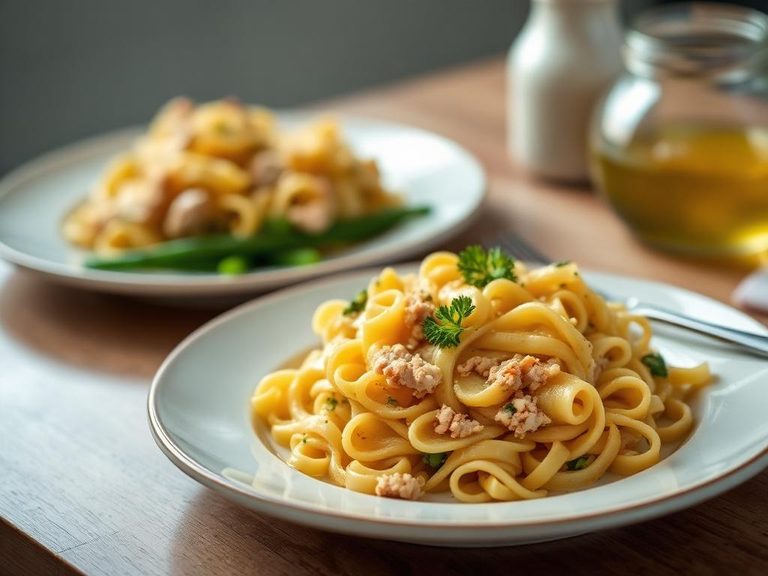
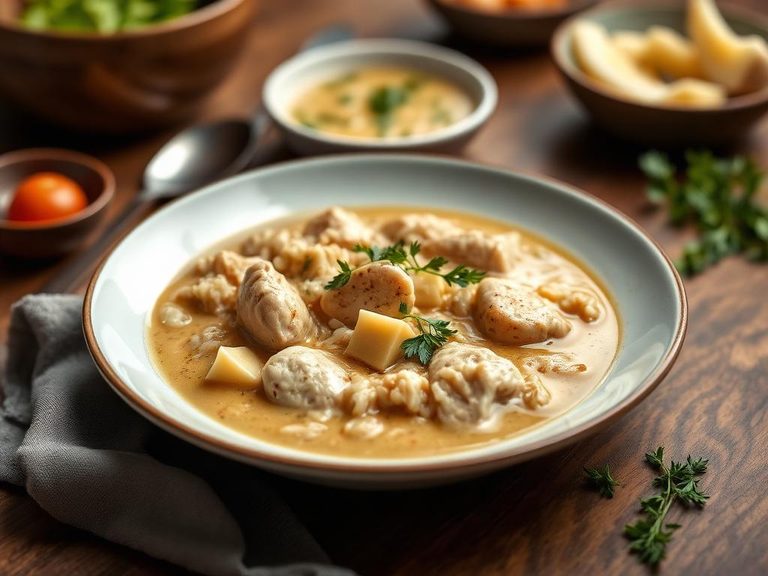
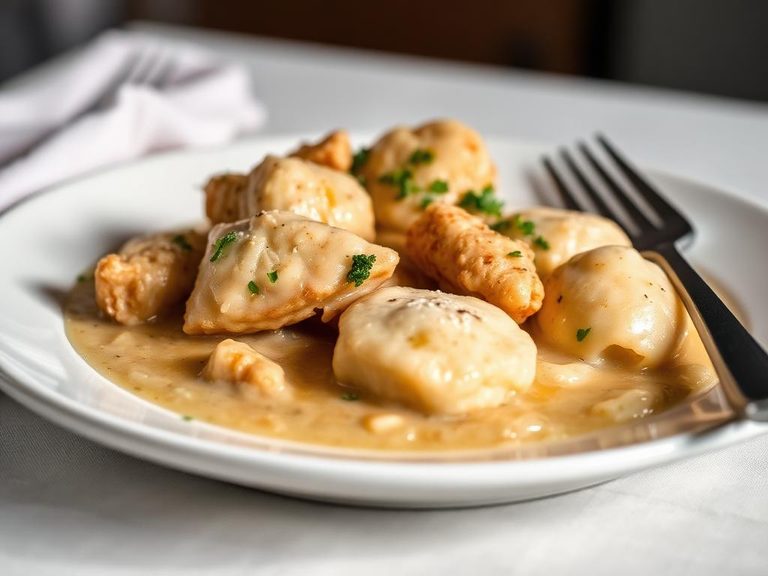

🌍 Where it's eaten
💡 Did you know?
The condensed, canned version was a revolutionary convenience food in the early 20th century, famously promoted by Campbell's as a 'soup starter' and a key ingredient in the mid-century American 'hotdish' or casserole craze.
Full nutrition (USDA data · scales with serving)
| Water | 84.8 g |
| Energy | 77.0 kcal |
| Energy | 322 kj |
| Protein | 3.0 g |
| Total lipid (fat) | 4.6 g |
| Ash | 1.5 g |
| Carbohydrate, by difference | 6.0 g |
| Fiber, total dietary | 0.10 g |
| Calcium, Ca | 73.0 mg |
| Iron, Fe | 0.27 mg |
| Magnesium, Mg | 7.0 mg |
| Phosphorus, P | 61.0 mg |
| Potassium, K | 110 mg |
| Sodium, Na | 362 mg |
| Zinc, Zn | 0.27 mg |
| Copper, Cu | 0.06 mg |
| Manganese, Mn | 0.15 mg |
| Vitamin C, total ascorbic acid | 0.50 mg |
| Thiamin | 0.03 mg |
| Riboflavin | 0.10 mg |
| Niacin | 0.37 mg |
| Pantothenic acid | 0.23 mg |
| Vitamin B-6 | 0.03 mg |
| Folate, total | 3.0 ug |
| Folic acid | 0.00 ug |
| Folate, food | 3.0 ug |
| Folate, DFE | 3.0 ug |
| Vitamin B-12 | 0.22 ug |
| Vitamin A, IU | 288 iu |
| Alcohol, ethyl | 0.00 g |
Fat & fatty acid profile (per 100g)
| Fatty acids, total saturated | 1.9 g |
| SFA 4:0 | 0.07 g |
| SFA 6:0 | 0.05 g |
| SFA 8:0 | 0.03 g |
| SFA 10:0 | 0.05 g |
| SFA 12:0 | 0.06 g |
| SFA 14:0 | 0.23 g |
| SFA 16:0 | 0.96 g |
| SFA 18:0 | 0.36 g |
| Fatty acids, total monounsaturated | 1.8 g |
| MUFA 16:1 | 0.16 g |
| MUFA 18:1 | 1.6 g |
| MUFA 20:1 | 0.00 g |
| MUFA 22:1 | 0.00 g |
| Fatty acids, total polyunsaturated | 0.66 g |
| PUFA 18:2 | 0.61 g |
| PUFA 18:3 | 0.05 g |
| PUFA 18:4 | 0.00 g |
| PUFA 20:4 | 0.00 g |
| PUFA 20:5 n-3 (EPA) | 0.00 g |
| PUFA 22:5 n-3 (DPA) | 0.00 g |
| PUFA 22:6 n-3 (DHA) | 0.00 g |
| Cholesterol | 11.0 mg |
Amino acid profile (per 100g)
| Tryptophan | 0.04 g |
| Threonine | 0.13 g |
| Isoleucine | 0.17 g |
| Leucine | 0.27 g |
| Lysine | 0.21 g |
| Methionine | 0.07 g |
| Cystine | 0.04 g |
| Phenylalanine | 0.14 g |
| Tyrosine | 0.13 g |
| Valine | 0.18 g |
| Arginine | 0.13 g |
| Histidine | 0.08 g |
| Alanine | 0.12 g |
| Aspartic acid | 0.22 g |
| Glutamic acid | 0.66 g |
| Glycine | 0.09 g |
| Proline | 0.26 g |
| Serine | 0.15 g |
FAQ
What is the difference between 'cream of chicken' and 'chicken noodle' soup?
Cream of chicken is a smooth, puréed or strained soup with a creamy base, while chicken noodle soup is a clear broth with distinct pieces of chicken, noodles, and vegetables.
Can I use this as a substitute for heavy cream in recipes?
It can work in some savory sauces or casseroles to add creaminess and flavor, but it's thinner, lower in fat, and adds a distinct chicken taste, so it's not a direct 1:1 substitute for pure cream.
Is this soup considered healthy?
It can be part of a balanced diet, offering protein and calories. However, it's often high in sodium and low in fiber, so it's best enjoyed in moderation and paired with vegetables or whole grains.
Nutrient density (calculated · NRF9.3)
Nutrient Rich Foods index: beneficial nutrients (protein, fiber, vitamins, minerals) minus saturated fat, added sugar & sodium, per 100 kcal.
NRF9.3 index — Fulgoni, Keast & Drewnowski, 2009. Computed from USDA nutrients.
Weight-loss friendliness (composite index)
Energy density 0.77 kcal/g · 16% calories from protein · 0.1 g fiber · 0.0 g sugar per 100 g.
Composite of energy density (Rolls et al., 1999), protein & fiber satiety, minus sugar. A calculated heuristic — ranks satiety-per-calorie, not a clinical measure.
Dietary load (calculated from USDA values)
Potential renal acid load. Positive = acid-forming, negative = alkaline-forming.
Sodium-to-potassium ratio: 3.29 (lower is better — aim for ≤ 1)
Sodium:potassium per WHO potassium guidance. Computed from USDA nutrients.