

Seal, bearded (Oogruk), meat, low quadrant, raw (Alaska Native)
Whole food · American Indian/Alaska Native Foods

Photo: Wikipedia
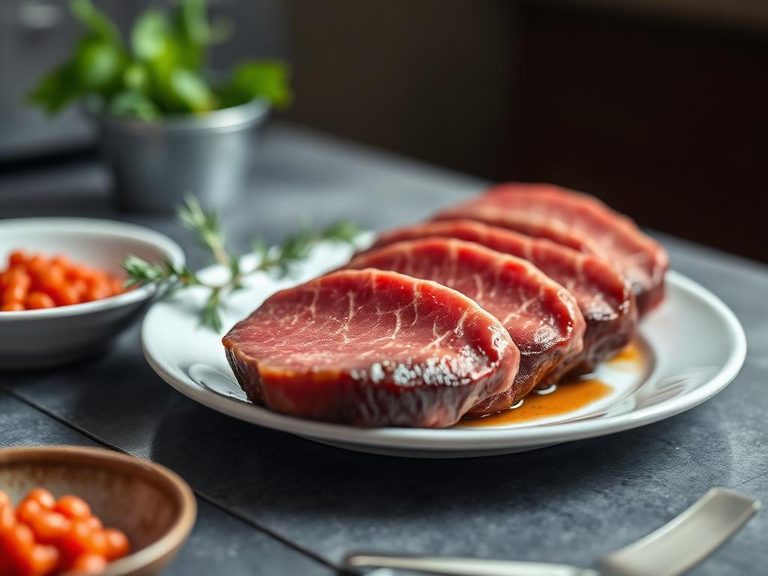
Bearded seal meat, known as Oogruk in Alaska Native cultures, is a dense, dark red meat with a rich, gamey flavor and a texture that can range from tender to slightly chewy depending on the cut and preparation. It is exceptionally high in protein and healthy fats, providing a substantial source of energy and essential nutrients in a nutrient-dense package. This traditional food is a cornerstone of subsistence diets, offering a deep connection to Arctic marine ecosystems.
Calorie split: 51% protein · 0% carbs · 49% fat
↓ Full nutrition💚 Why it's loved
People love it for its deep, umami-rich flavor that carries the essence of the Arctic ocean, often described as more robust and less fishy than other seal meats. It is cherished for its cultural significance and versatility, being enjoyed raw, dried, or cooked in a variety of traditional preparations that highlight its unique taste.
⚠️ Watch-outs & how to enjoy it better
The strong, gamey taste and dense texture can be unfamiliar or off-putting to those accustomed to milder meats. Due to its high fat content and potential for containing environmental contaminants in some regions, it should be consumed in moderation, and individuals with specific health conditions should consult a nutritionist. To balance the richness, pair it with acidic or crisp elements like pickled vegetables or fresh greens.
Key benefits
- Extremely high in protein for muscle maintenance and satiety.
- Rich in omega-3 fatty acids and vitamin D from its marine diet.
- Provides a dense source of calories and energy for cold climates.
- A traditional, whole-food source of essential nutrients like iron and B vitamins.
🍽️ Popular dishes
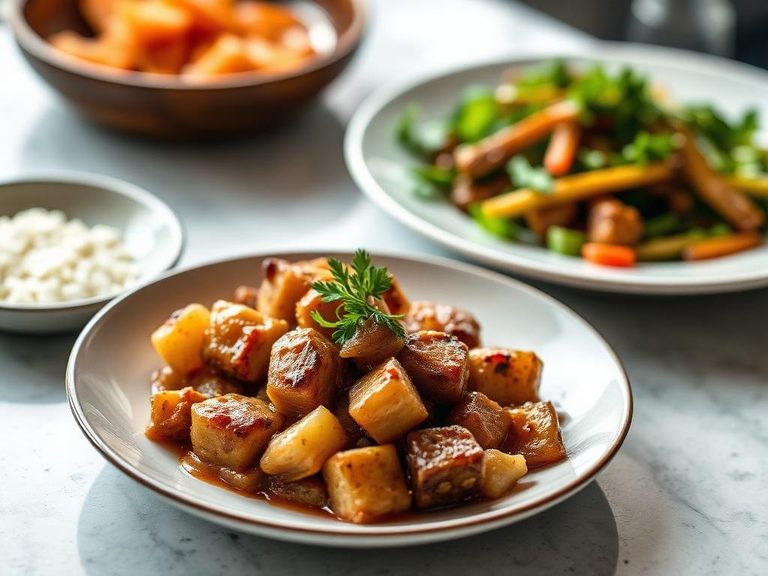
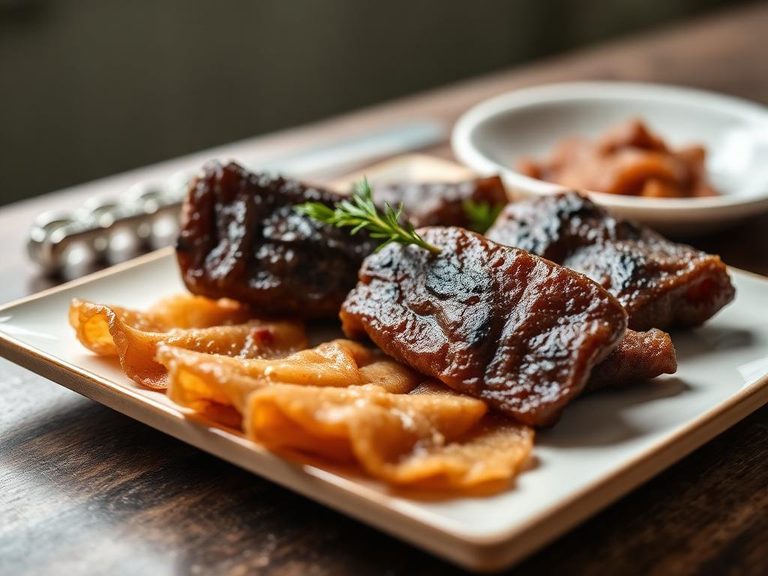
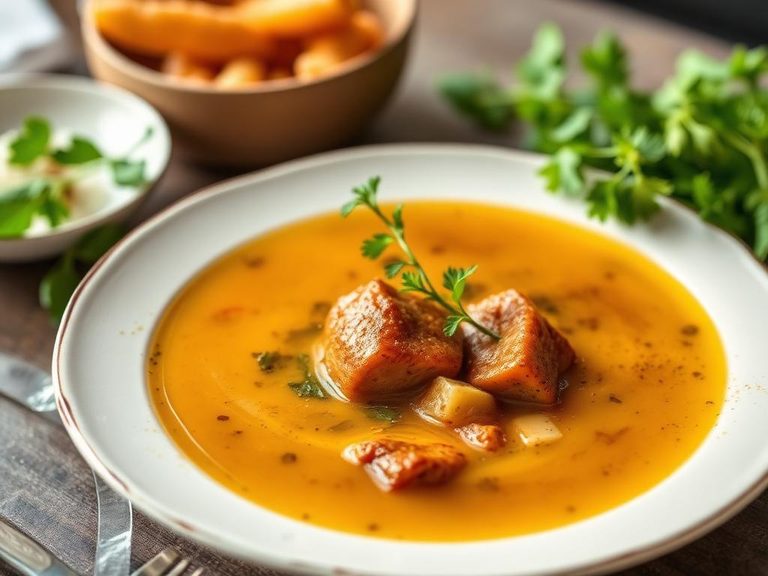
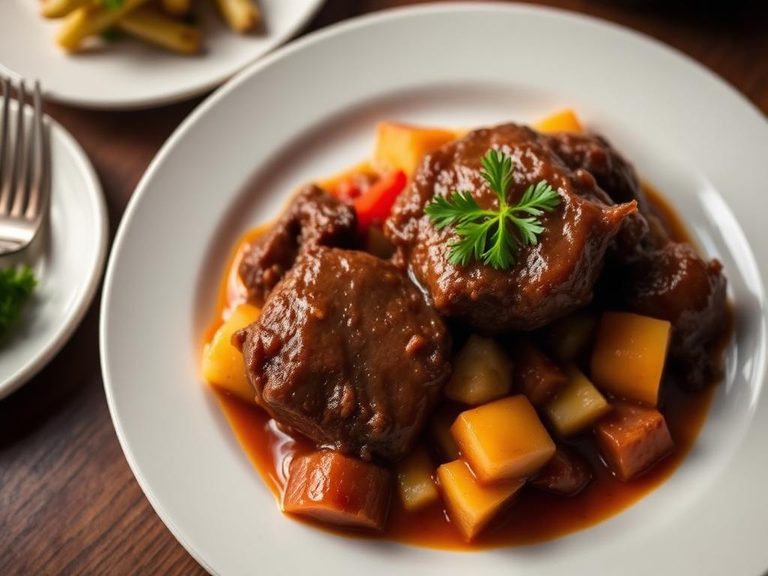
🌍 Where it's eaten
💡 Did you know?
Bearded seal meat is so nutrient-dense that a single serving can provide a significant portion of the daily recommended intake for vitamin D, a nutrient often lacking in northern diets.
Full nutrition (USDA data · scales with serving)
| Water | 63.4 g |
| Energy | 186 kcal |
| Energy | 778 kj |
| Protein | 23.6 g |
| Total lipid (fat) | 10.2 g |
| Ash | 0.80 g |
| Carbohydrate, by difference | 0.00 g |
| Fiber, total dietary | 0.00 g |
| Total Sugars | 0.00 g |
| Sucrose | 0.00 g |
| Glucose | 0.00 g |
| Fructose | 0.00 g |
| Lactose | 0.00 g |
| Maltose | 0.00 g |
| Galactose | 0.00 g |
| Starch | 0.00 g |
| Calcium, Ca | 4.0 mg |
| Iron, Fe | 17.0 mg |
| Magnesium, Mg | 17.0 mg |
| Phosphorus, P | 140 mg |
| Potassium, K | 210 mg |
| Sodium, Na | 57.0 mg |
| Zinc, Zn | 2.6 mg |
| Copper, Cu | 0.15 mg |
| Manganese, Mn | 0.04 mg |
| Choline, total | 63.1 mg |
| Betaine | 16.3 mg |
| Vitamin A, RAE | 195 ug |
| Retinol | 194 ug |
| Carotene, beta | 0.00 ug |
| Carotene, alpha | 0.00 ug |
| Cryptoxanthin, beta | 0.00 ug |
| Vitamin A, IU | 648 iu |
| Lycopene | 0.00 ug |
| Lutein + zeaxanthin | 0.00 ug |
| Vitamin E (alpha-tocopherol) | 0.27 mg |
| Tocopherol, beta | 0.00 mg |
| Tocopherol, gamma | 0.04 mg |
| Tocopherol, delta | 0.00 mg |
| Tocotrienol, alpha | 0.00 mg |
| Tocotrienol, beta | 0.00 mg |
| Tocotrienol, gamma | 0.00 mg |
| Tocotrienol, delta | 0.00 mg |
| Vitamin K (phylloquinone) | 0.00 ug |
| Vitamin K (Dihydrophylloquinone) | 0.00 ug |
| Vitamin K (Menaquinone-4) | 0.60 ug |
| Alcohol, ethyl | 0.00 g |
| Caffeine | 0.00 mg |
| Theobromine | 0.00 mg |
Fat & fatty acid profile (per 100g)
| Cholesterol | 121 mg |
Amino acid profile (per 100g)
| Tryptophan | 0.23 g |
| Threonine | 0.92 g |
| Isoleucine | 0.90 g |
| Leucine | 1.8 g |
| Lysine | 1.9 g |
| Methionine | 0.48 g |
| Cystine | 0.13 g |
| Phenylalanine | 0.94 g |
| Tyrosine | 0.62 g |
| Valine | 0.92 g |
| Arginine | 1.3 g |
| Histidine | 0.84 g |
| Alanine | 1.4 g |
| Aspartic acid | 2.0 g |
| Glutamic acid | 3.2 g |
| Glycine | 1.2 g |
| Proline | 1.1 g |
| Serine | 0.86 g |
FAQ
What does bearded seal meat taste like?
It has a strong, gamey flavor with a rich, umami quality, often compared to a cross between beef and fish, with a dense, slightly chewy texture.
Is bearded seal meat safe to eat raw?
In traditional Alaska Native diets, it is often consumed raw or frozen, but it should be handled with care to ensure freshness and safety, especially for those unfamiliar with raw meat consumption.
How is bearded seal meat typically prepared?
It can be eaten raw, dried, stewed, or cooked in soups, often seasoned with salt or served with traditional accompaniments like berries or blubber.
What are the nutritional benefits of bearded seal meat?
It is high in protein, healthy fats, and essential nutrients like vitamin D and omega-3 fatty acids, making it a nutrient-dense food for energy and health.
Nutrient density (calculated · NRF9.3)
Nutrient Rich Foods index: beneficial nutrients (protein, fiber, vitamins, minerals) minus saturated fat, added sugar & sodium, per 100 kcal.
NRF9.3 index — Fulgoni, Keast & Drewnowski, 2009. Computed from USDA nutrients.
Weight-loss friendliness (composite index)
Energy density 1.86 kcal/g · 51% calories from protein · 0.0 g fiber · 0.0 g sugar per 100 g.
Composite of energy density (Rolls et al., 1999), protein & fiber satiety, minus sugar. A calculated heuristic — ranks satiety-per-calorie, not a clinical measure.
Dietary load (calculated from USDA values)
Potential renal acid load. Positive = acid-forming, negative = alkaline-forming.
Sodium-to-potassium ratio: 0.27 (lower is better — aim for ≤ 1)
Sodium:potassium per WHO potassium guidance. Computed from USDA nutrients.