Raw seal meat
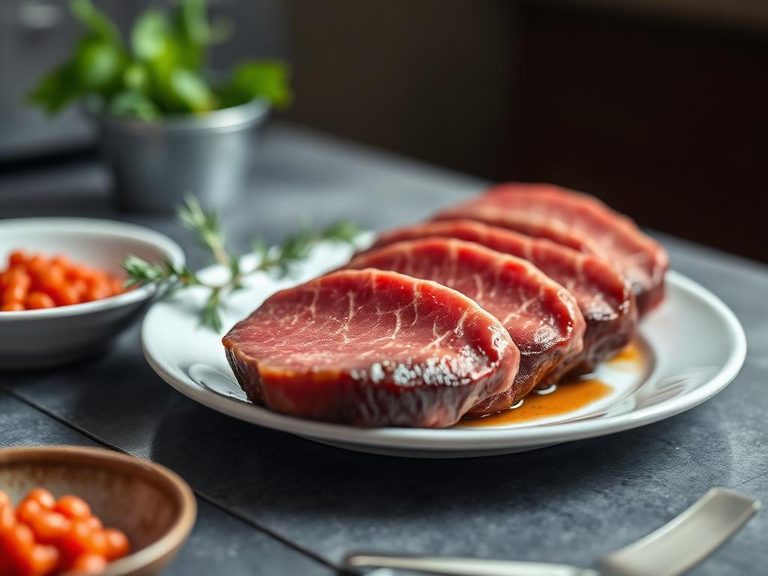
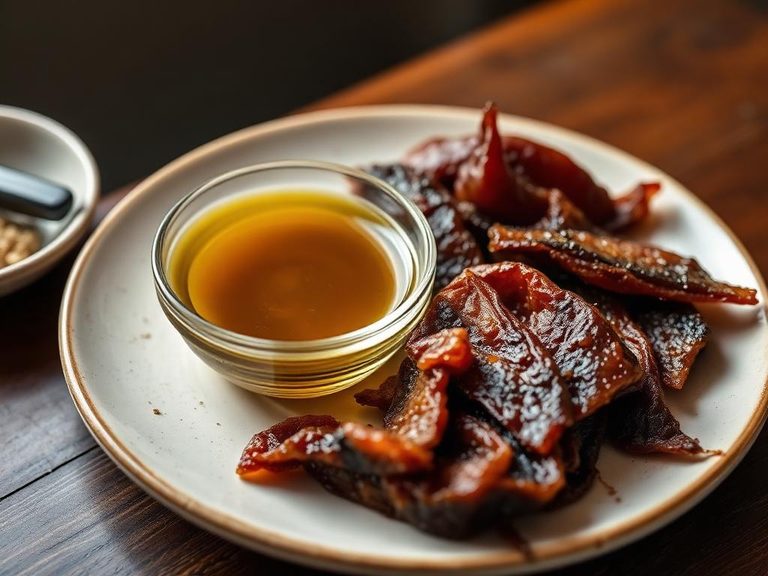
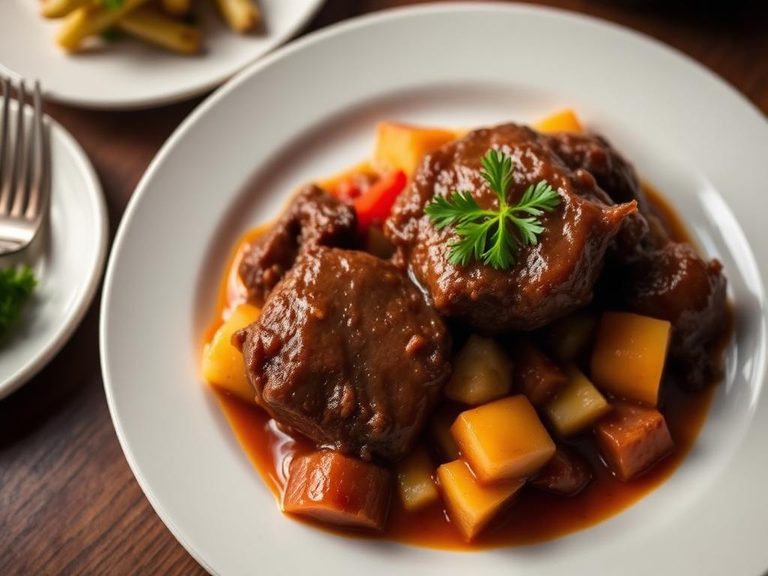
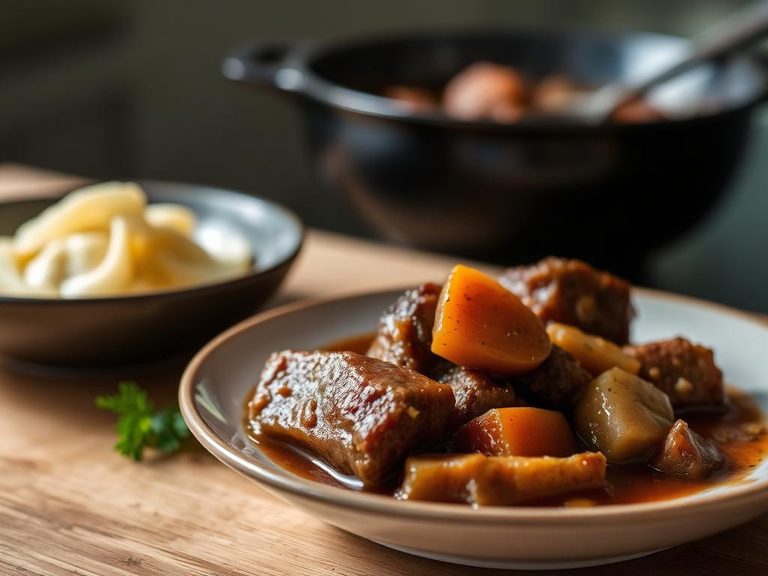
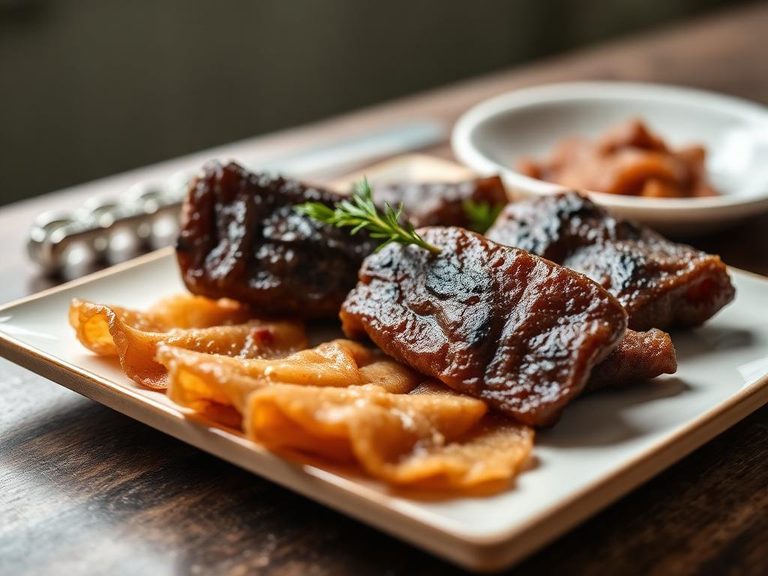
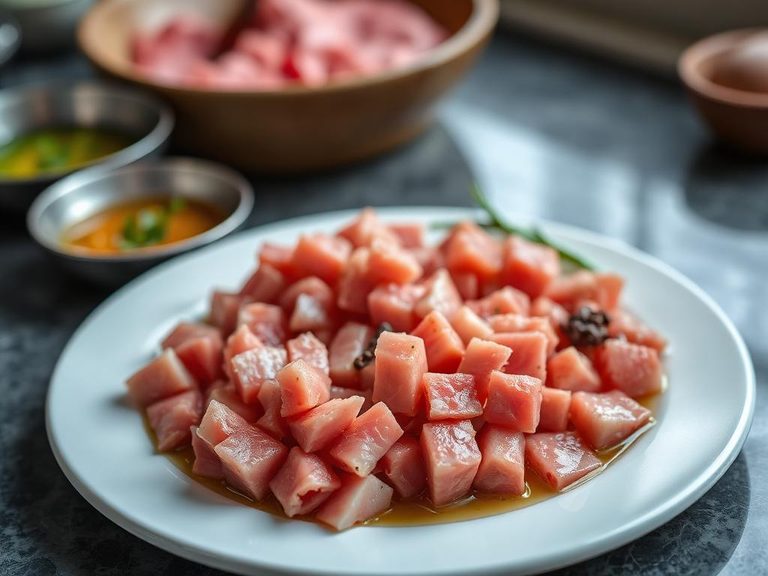
Raw seal meat is a traditional dish from Arctic and subarctic regions, particularly among Inuit and other Indigenous communities. It consists of fresh, uncooked seal meat, often served in thin slices or cubes, and may be seasoned with simple ingredients like salt or Arctic herbs. This dish is a staple in regions like northern Canada, Greenland, and parts of Alaska.
🍽️ Nutrition at a glance
Raw seal meat is extremely high in protein and fat, providing essential nutrients like omega-3 fatty acids, vitamin D, and iron. A typical serving can range from 200 to 400 calories, depending on the cut and fat content, with minimal carbohydrates.
Nutrition breakdown
| Calories | 250 kcal |
| Protein | 20 g |
| Carbs | 0 g |
| Fat | 18 g |
| Fiber | 0 g |
| Sugar | 0 g |
| Sodium | 80 mg |
| Vitamin D | 10 µg |
| Iron | 4.5 mg |
| Omega-3 (EPA+DHA) | 2.5 g |
| Vitamin B12 | 15 µg |
| Zinc | 3 mg |
| Selenium | 30 µg |
| Potassium | 350 mg |
| Phosphorus | 200 mg |
Per 100 grams (3.5 oz) · estimated, varies by recipe
💡 What's interesting
Culturally, raw seal meat is a vital part of traditional Inuit diets, offering warmth and energy in harsh climates. Nutritionally, it's unique for its high levels of EPA and DHA omega-3s, which support heart and brain health.