Seal meat stew
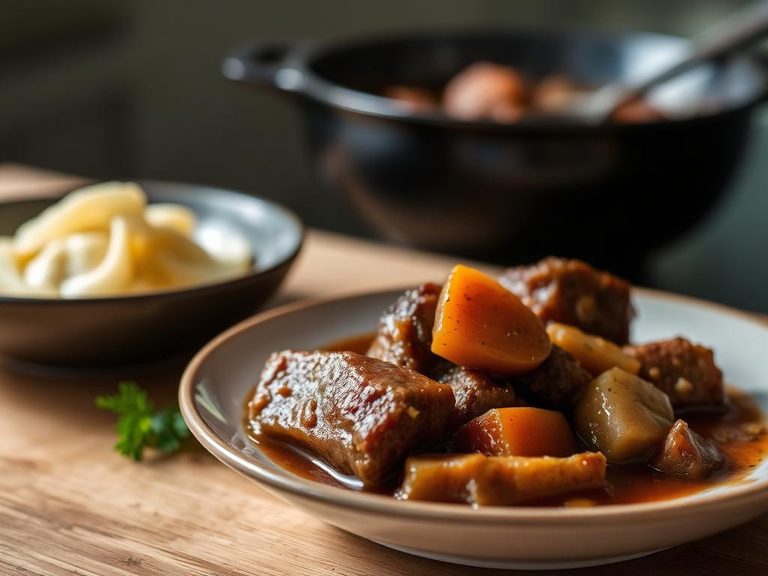
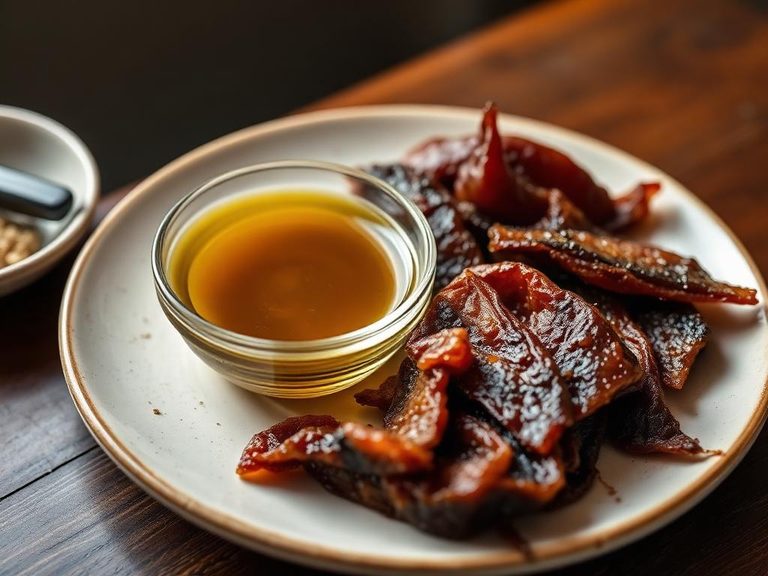
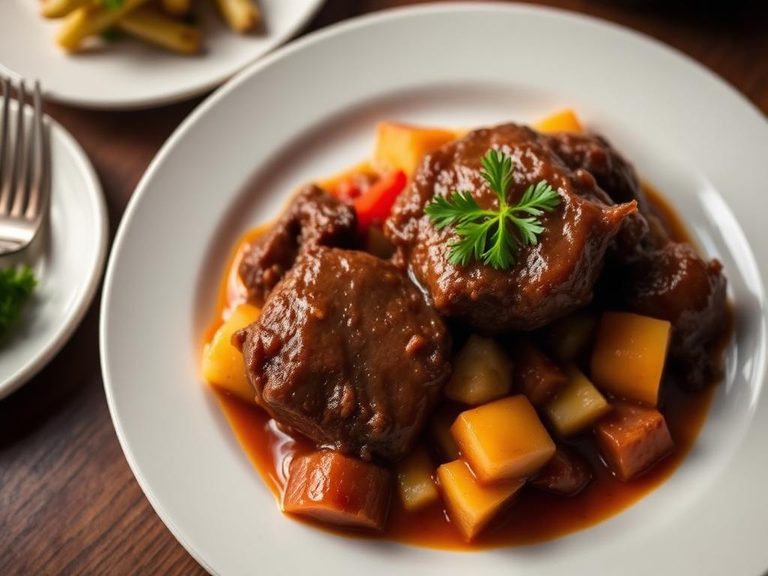
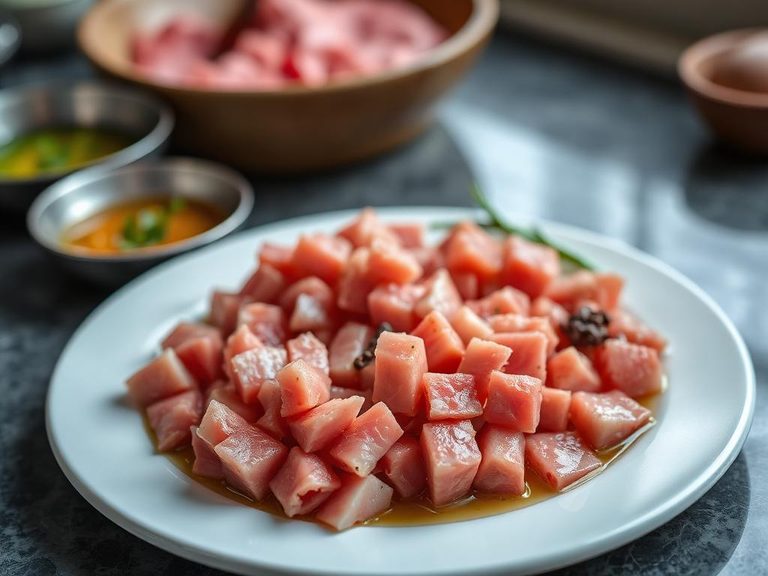
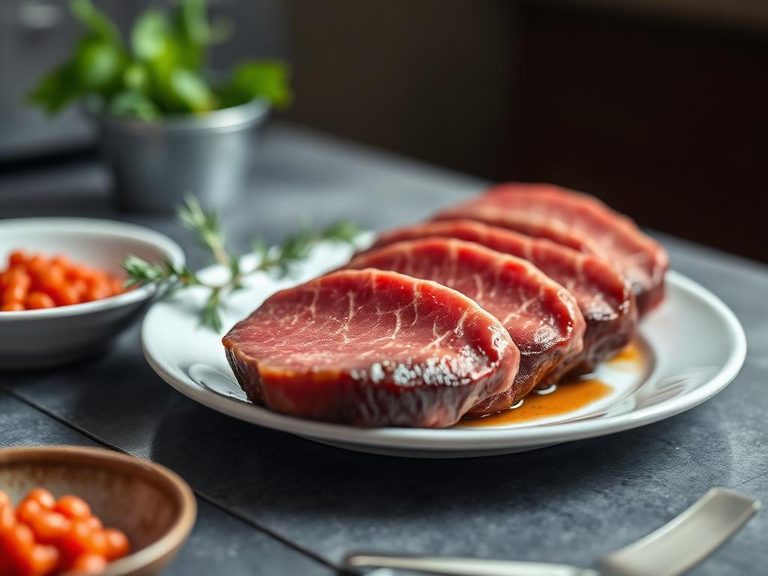
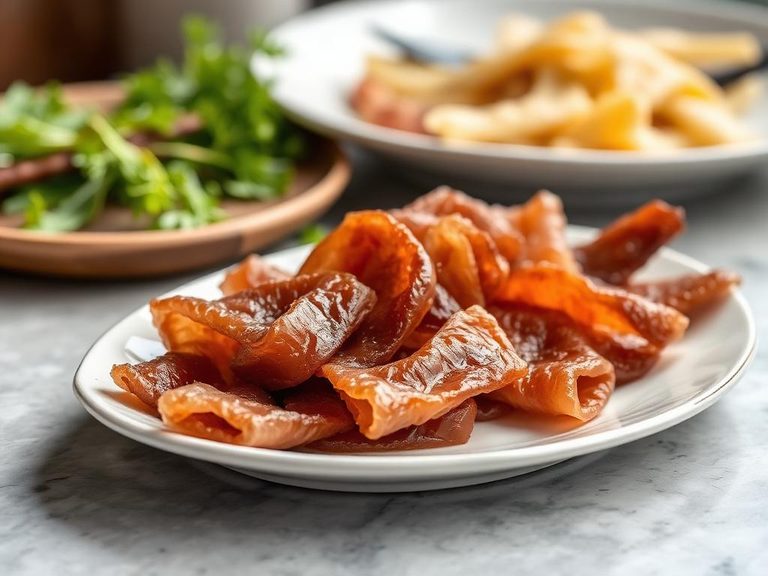
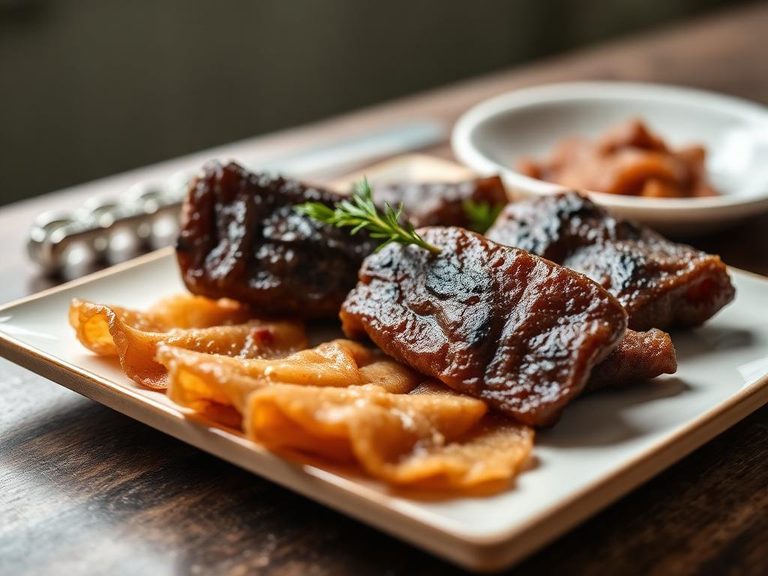
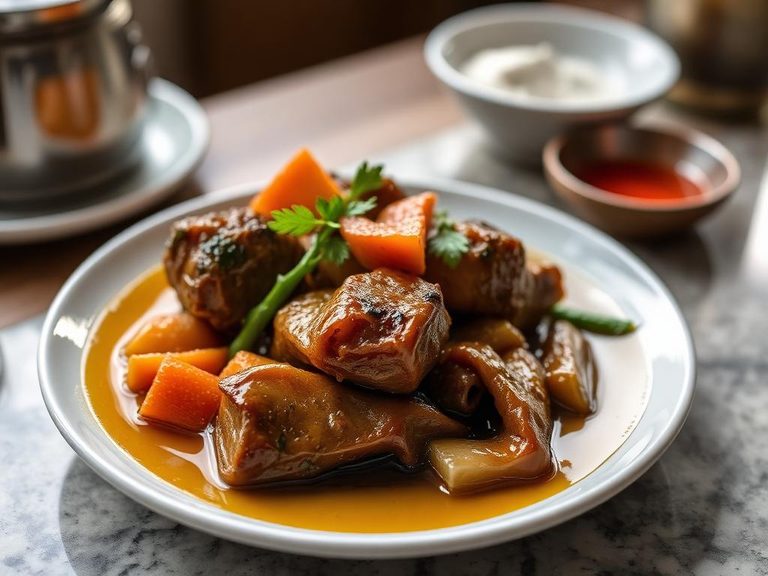
Seal meat stew is a hearty, traditional dish originating from Arctic and subarctic regions, particularly among Inuit, Yup'ik, and other Indigenous communities. It typically features chunks of seal meat slow-cooked with root vegetables like potatoes and turnips, onions, and sometimes seaweed or other local greens in a savory broth.
🍽️ Nutrition at a glance
This stew is extremely high in protein and healthy fats, particularly omega-3 fatty acids, while being very low in carbohydrates. A single serving provides a substantial calorie boost, often ranging from 400-600 kcal, making it ideal for sustaining energy in cold climates.
Nutrition breakdown
| Calories | 520 kcal |
| Protein | 38 g |
| Carbs | 18 g |
| Fat | 32 g |
| Fiber | 3 g |
| Sugar | 4 g |
| Sodium | 680 mg |
| Iron | 6.5 mg |
| Vitamin D | 15.2 mcg |
| Vitamin B12 | 22.8 mcg |
| Selenium | 54.3 mcg |
| Potassium | 820 mg |
| Zinc | 5.1 mg |
| Niacin (B3) | 9.8 mg |
| Phosphorus | 340 mg |
Per 1.5 cups (360 g) · estimated, varies by recipe
💡 What's interesting
Nutritionally, seal meat is one of the richest natural sources of vitamin D and iron, crucial for populations with limited sunlight. Culturally, the preparation and sharing of seal meat stew is a significant communal activity, embodying deep connections to the land, sea, and traditional hunting practices.