

Oil, whale, bowhead (Alaska Native)
Whole food · American Indian/Alaska Native Foods

Photo: Wikipedia
Bowhead whale oil is a rich, traditional Alaskan Native food rendered from the thick blubber of the bowhead whale. It has a smooth, dense texture and a deep, savory, slightly sweet flavor with a distinct marine note. Nutritionally, it is an extremely concentrated source of energy, providing nearly pure fat with a unique profile of omega-3 and omega-6 fatty acids.
Calorie split: 0% protein · 0% carbs · 100% fat
↓ Full nutrition💚 Why it's loved
It is cherished for its profound cultural significance, representing a connection to ancestors, subsistence, and the ocean. Its rich, umami flavor is considered a delicacy, often enjoyed raw or as a flavor base in traditional dishes.
⚠️ Watch-outs & how to enjoy it better
Its intense caloric density (900 kcal per 100g) requires mindful portioning to avoid excessive energy intake. Those unaccustomed to its strong marine flavor may find it overpowering. To enjoy it responsibly, pair small amounts with fiber-rich foods like berries or kelp, and consider it a special-occasion food rather than a daily staple.
Key benefits
- Extremely high in caloric energy for survival in cold climates
- Source of rare, long-chain omega-3 fatty acids like DPA
- Traditionally used for vitamin D and vitamin A intake
- Culturally central to Iñupiat, Yupik, and St. Lawrence Island Yupik diets
🍽️ Popular dishes
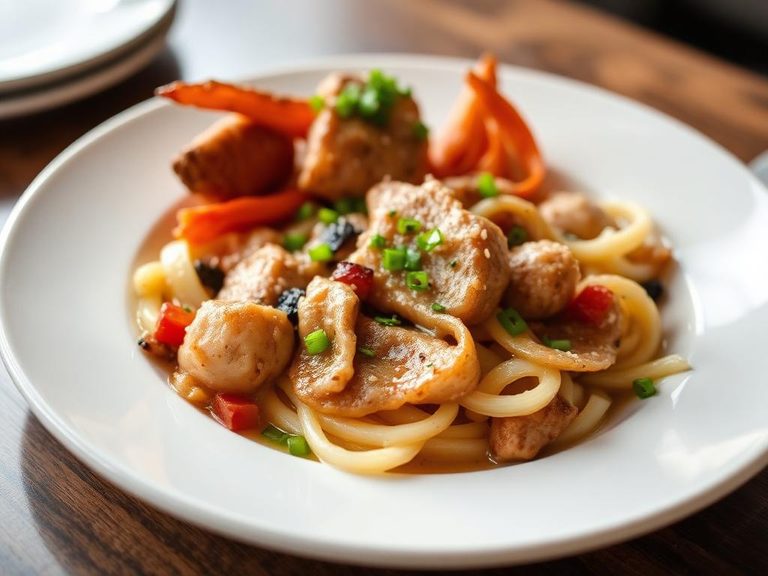
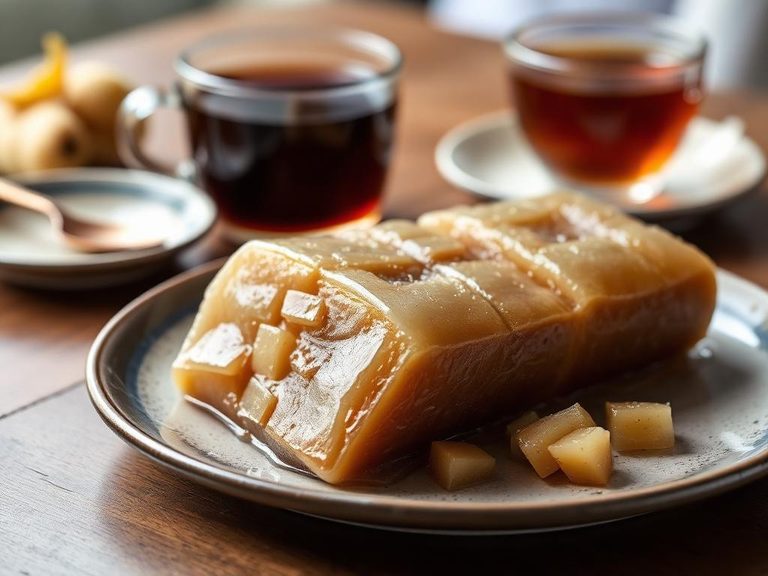
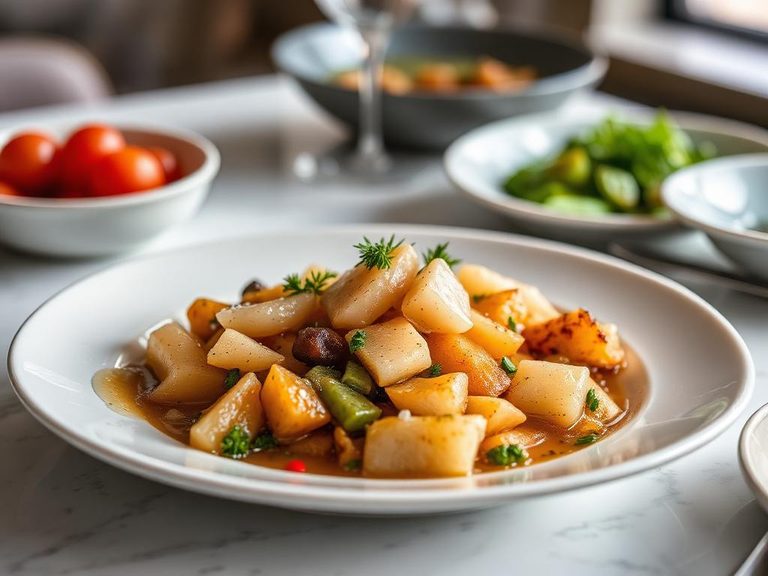
🌍 Where it's eaten
💡 Did you know?
The bowhead whale's blubber can be over 43 cm (17 inches) thick, making it one of the most energy-dense natural foods on Earth.
Full nutrition (USDA data · scales with serving)
| Water | 0.00 g |
| Energy | 900 kcal |
| Energy | 3766 kj |
| Protein | 0.00 g |
| Total lipid (fat) | 100 g |
| Ash | 0.00 g |
| Carbohydrate, by difference | 0.00 g |
| Calcium, Ca | 0.00 mg |
| Iron, Fe | 0.00 mg |
| Phosphorus, P | 0.00 mg |
| Thiamin | 0.00 mg |
| Riboflavin | 0.00 mg |
| Niacin | 0.00 mg |
| Vitamin A, IU | 2810 iu |
Fat & fatty acid profile (per 100g)
Estimated from Seal, bearded (Oogruk), meat, dried, in oil (Alaska Native) — USDA does not publish this profile for Oil.
| Fatty acids, total saturated | 3.9 g |
| SFA 8:0 | 0.00 g |
| SFA 10:0 | 0.00 g |
| SFA 12:0 | 0.03 g |
| SFA 14:0 | 0.69 g |
| SFA 15:0 | 0.11 g |
| SFA 16:0 | 2.5 g |
| SFA 17:0 | 0.10 g |
| SFA 18:0 | 0.54 g |
| SFA 20:0 | 0.00 g |
| SFA 22:0 | 0.00 g |
| SFA 24:0 | 0.00 g |
| Fatty acids, total monounsaturated | 11.2 g |
| MUFA 14:1 | 0.09 g |
| MUFA 15:1 | 0.03 g |
| MUFA 16:1 | 3.9 g |
| MUFA 17:1 | 0.00 g |
| MUFA 18:1 | 5.3 g |
| MUFA 20:1 | 1.7 g |
| MUFA 22:1 | 0.12 g |
| MUFA 24:1 c | 0.00 g |
| Fatty acids, total polyunsaturated | 1.2 g |
| PUFA 18:2 | 0.19 g |
| PUFA 18:3 | 0.13 g |
| PUFA 18:4 | 0.05 g |
| PUFA 20:2 n-6 c,c | 0.05 g |
| PUFA 20:3 | 0.02 g |
| PUFA 20:4 | 0.08 g |
| PUFA 20:5 n-3 (EPA) | 0.28 g |
| PUFA 21:5 | 0.02 g |
| PUFA 22:4 | 0.02 g |
| PUFA 22:5 n-3 (DPA) | 0.15 g |
| PUFA 22:6 n-3 (DHA) | 0.19 g |
| Cholesterol | 64.0 mg |
Amino acid profile (per 100g)
Estimated from Seal, bearded (Oogruk), meat, dried, in oil (Alaska Native) — USDA does not publish this profile for Oil.
| Tryptophan | 0.34 g |
| Threonine | 1.4 g |
| Isoleucine | 1.3 g |
| Leucine | 2.7 g |
| Lysine | 2.9 g |
| Methionine | 0.72 g |
| Cystine | 0.19 g |
| Phenylalanine | 1.4 g |
| Tyrosine | 0.92 g |
| Valine | 1.4 g |
| Arginine | 2.0 g |
| Histidine | 1.3 g |
| Alanine | 2.0 g |
| Aspartic acid | 2.9 g |
| Glutamic acid | 4.7 g |
| Glycine | 1.9 g |
| Proline | 1.6 g |
| Serine | 1.3 g |
FAQ
Is whale oil the same as fish oil supplements?
No. Whale oil is a traditional whole food from marine mammal blubber, with a different fatty acid profile and cultural context than processed fish oil supplements.
How is it traditionally prepared?
It is most often consumed raw, cut into small pieces (maktaaq), or rendered into a liquid oil used for cooking, flavoring, or as a dipping condiment.
Is it safe to eat?
For those in traditional subsistence communities, it is a safe and vital part of the diet. For others, it should be sourced ethically and consumed sparingly due to its extreme fat content and strong flavor.
Weight-loss friendliness (composite index)
Energy density 9.00 kcal/g · 0% calories from protein · 0.0 g fiber · 0.0 g sugar per 100 g.
Composite of energy density (Rolls et al., 1999), protein & fiber satiety, minus sugar. A calculated heuristic — ranks satiety-per-calorie, not a clinical measure.