Maktaaq (Muktuk)
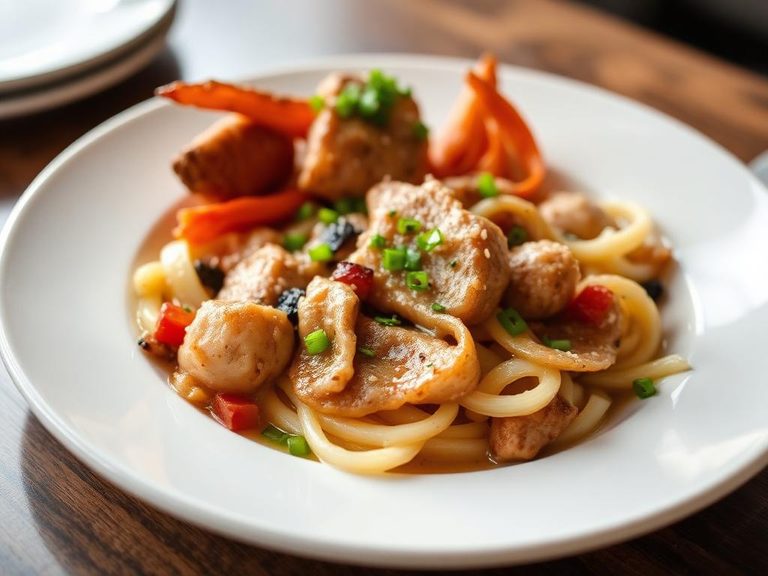
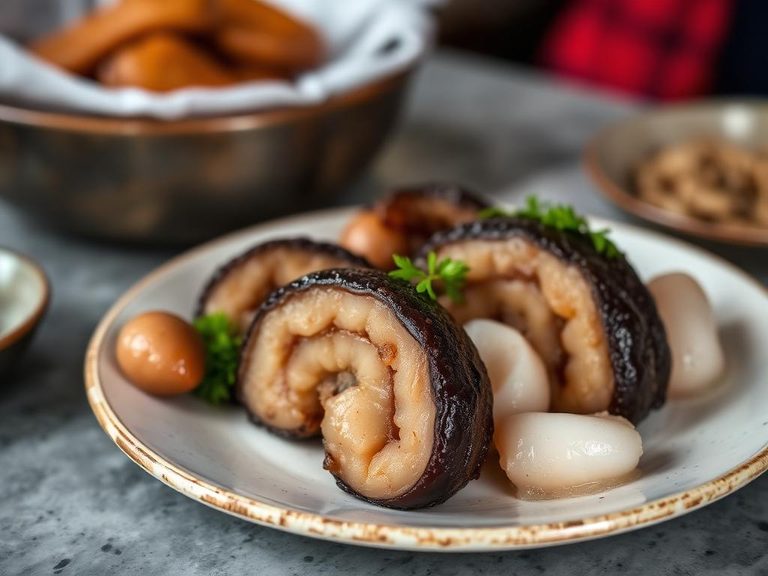
Maktaaq (also spelled Muktuk) is a traditional Arctic delicacy consisting of frozen whale skin and blubber, most commonly from the bowhead or beluga whale. It is a staple food in Inuit, Yupik, and Chukchi communities across Alaska, Canada, Greenland, and Russia, often eaten raw or frozen as a key source of nutrition in harsh climates.
🍽️ Nutrition at a glance
Maktaaq is an extremely high-fat, high-protein food with virtually no carbohydrates, providing dense energy and essential nutrients. A typical serving is rich in omega-3 fatty acids, vitamin C, and vitamin D, with a rough calorie ballpark of 200-300 kcal per 100-gram serving.
Nutrition breakdown
| Calories | 250 kcal |
| Protein | 15 g |
| Carbs | 0 g |
| Fat | 20 g |
| Fiber | 0 g |
| Sugar | 0 g |
| Sodium | 80 mg |
| Vitamin C | 30 mg |
| Vitamin D | 10 µg |
| Vitamin B12 | 15 µg |
| Omega-3 (EPA+DHA) | 2000 mg |
| Selenium | 40 µg |
| Potassium | 300 mg |
| Phosphorus | 250 mg |
| Zinc | 3 mg |
Per 100 grams (about 3.5 ounces) · estimated, varies by recipe
💡 What's interesting
Culturally, Maktaaq is a cornerstone of communal feasts and celebrations, symbolizing connection to the sea and ancestral traditions. Nutritionally, it is one of the few natural food sources that provides a significant amount of vitamin C in the Arctic, historically preventing scurvy.