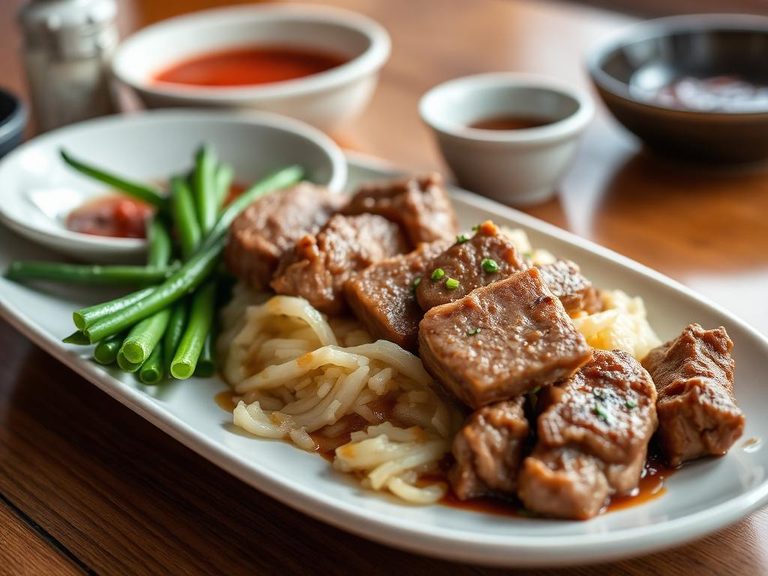
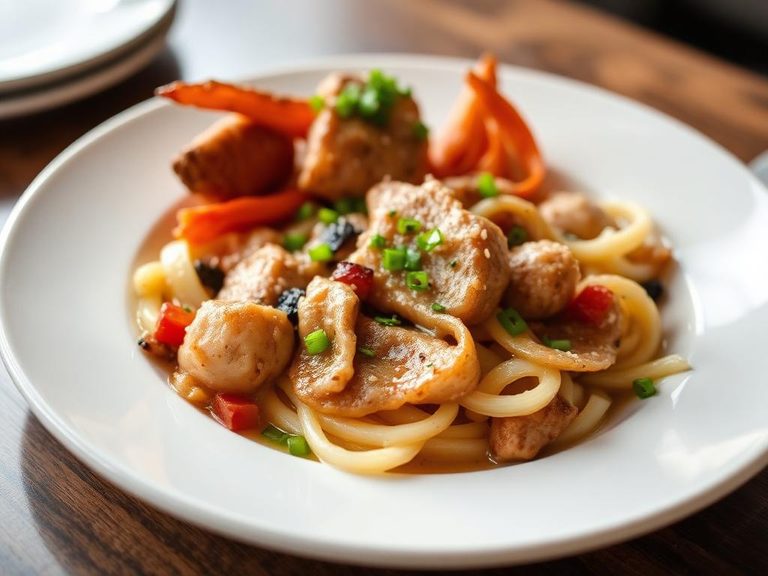
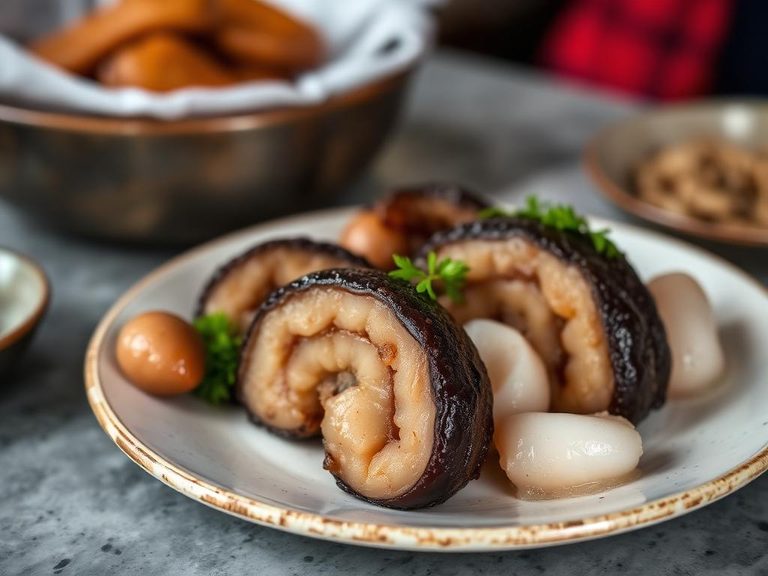
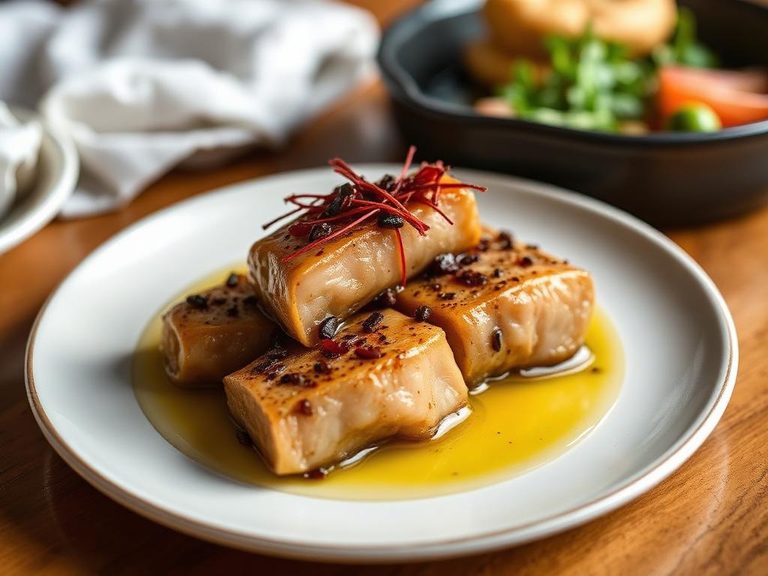
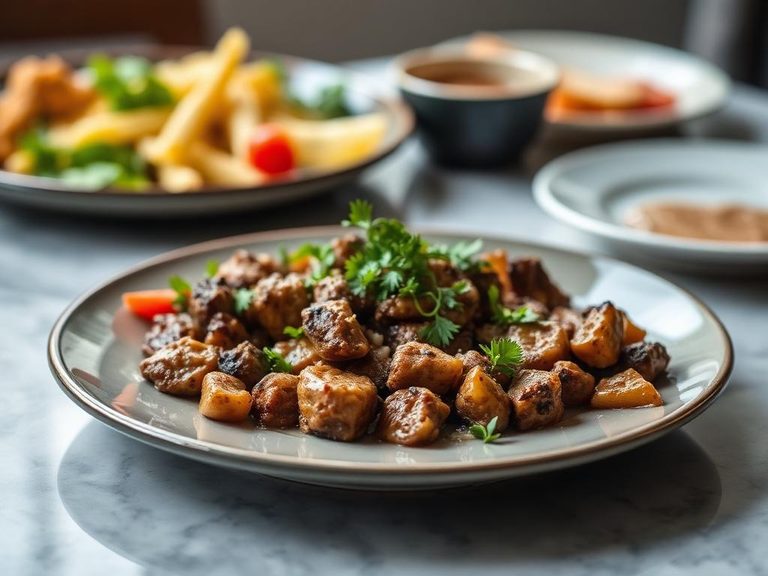
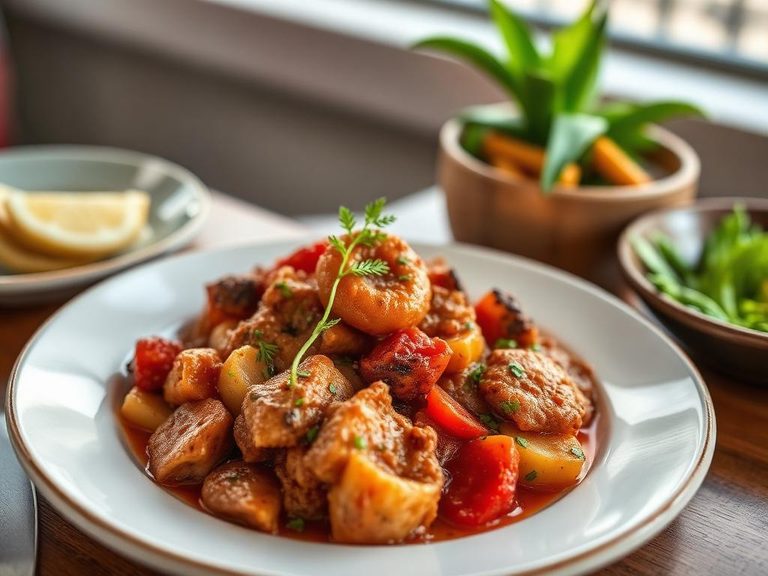
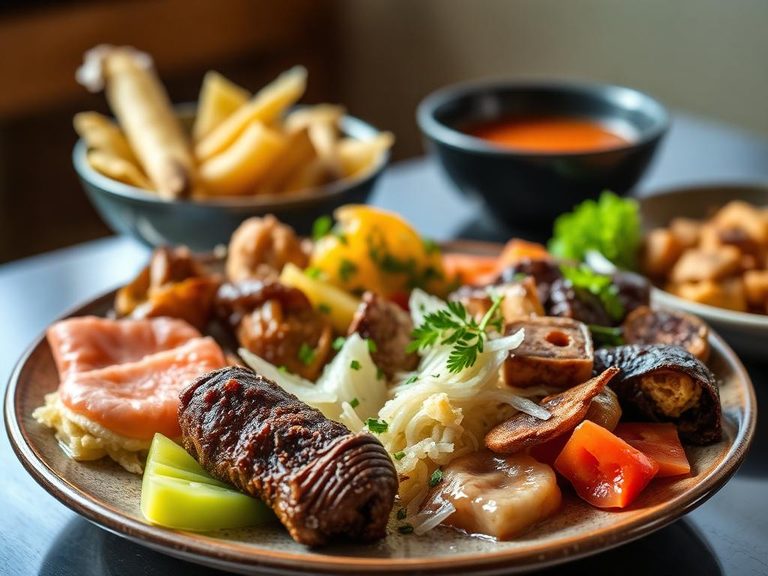
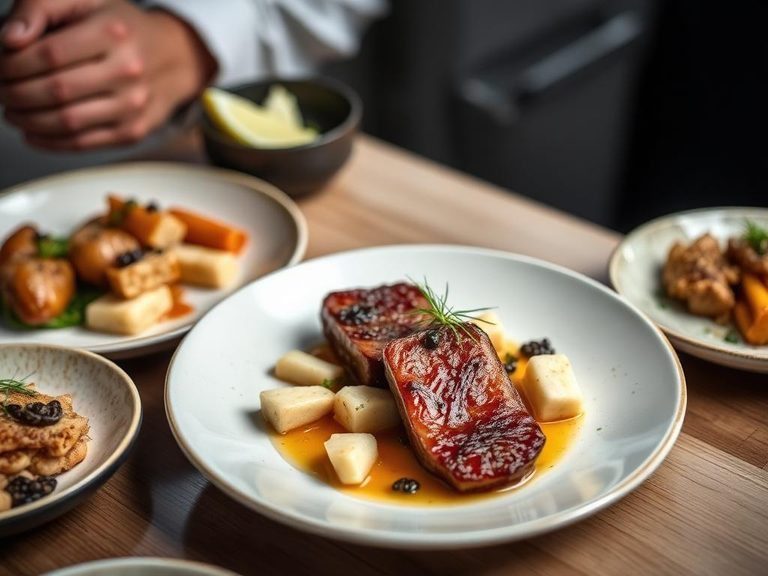
Maktaaq (muktuk) and heart stew
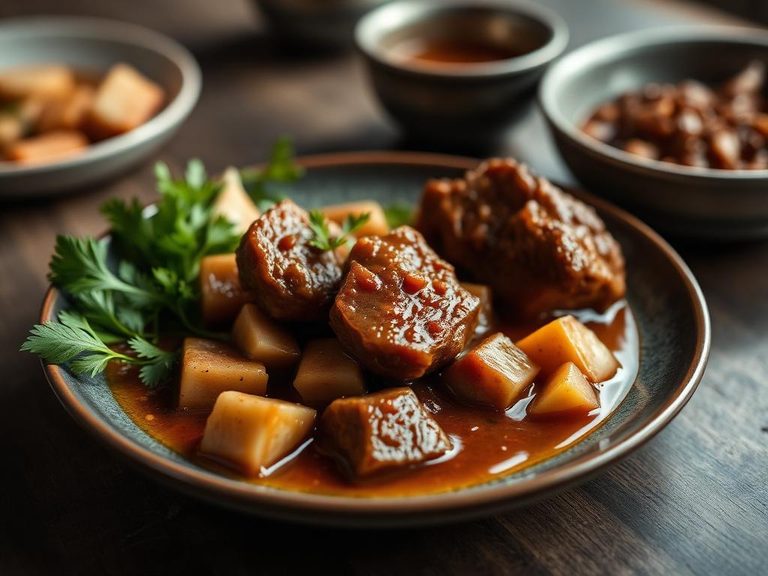
Maktaaq (muktuk) and heart stew is a traditional Arctic dish, particularly from Inuit and other Indigenous cultures, featuring the skin and underlying fat of bowhead or beluga whale (maktaaq) and whale heart as the primary ingredients. It's typically slow-cooked or stewed, sometimes with other organ meats or simple seasonings, and is a staple of subsistence diets in coastal communities.
🍽️ Nutrition at a glance
This dish is extremely high in fat and protein, providing a dense source of calories and essential nutrients for cold climates. A single serving is rich in omega-3 fatty acids, vitamins A, C, and D, and minerals like iron and selenium, with a calorie count often exceeding 800 kcal.
Nutrition breakdown
| Calories | 850 kcal |
| Protein | 35 g |
| Carbs | 2 g |
| Fat | 78 g |
| Fiber | 0 g |
| Sugar | 0 g |
| Sodium | 320 mg |
| Vitamin C | 45 mg |
| Vitamin D | 15 µg |
| Vitamin A | 900 µg RAE |
| Iron | 8 mg |
| Selenium | 65 µg |
| Omega-3 (EPA+DHA) | 3.5 g |
| Potassium | 400 mg |
| Phosphorus | 350 mg |
Per 1 cup (250 g) · estimated, varies by recipe
💡 What's interesting
Maktaaq is prized not just as food but as a vital cultural symbol of community sharing and respect for the whale, with every part used. Its unique nutritional profile, especially high vitamin C content from the skin, historically helped prevent scurvy in regions where fresh produce was scarce.