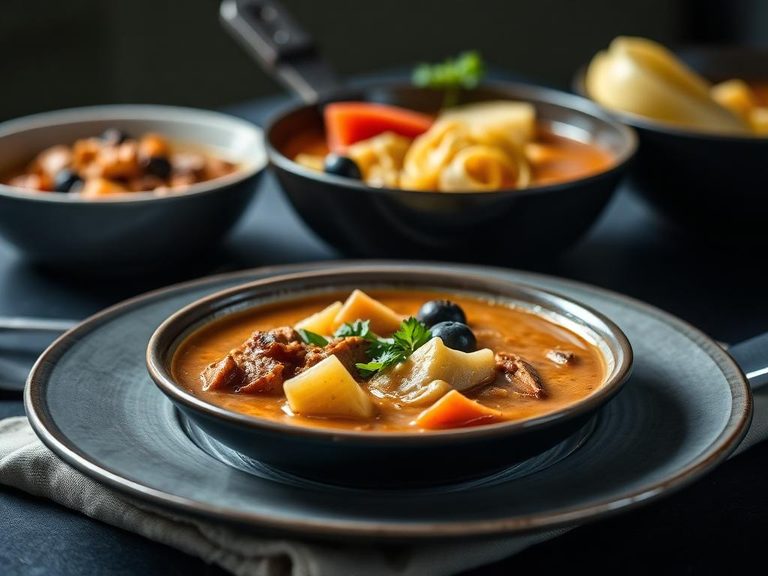
Stirred into soups or stews
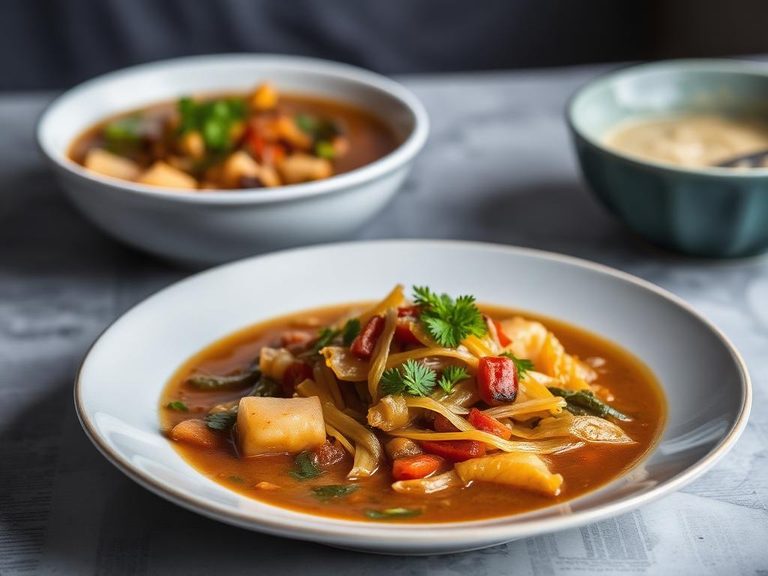
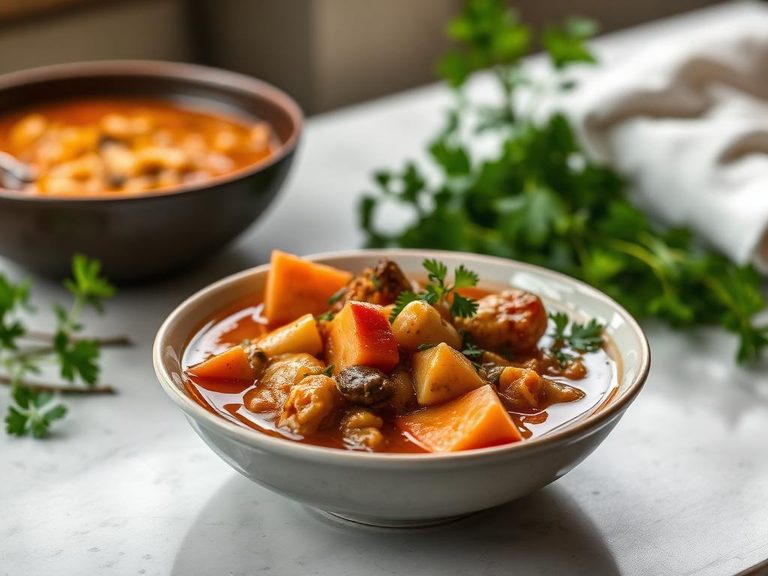
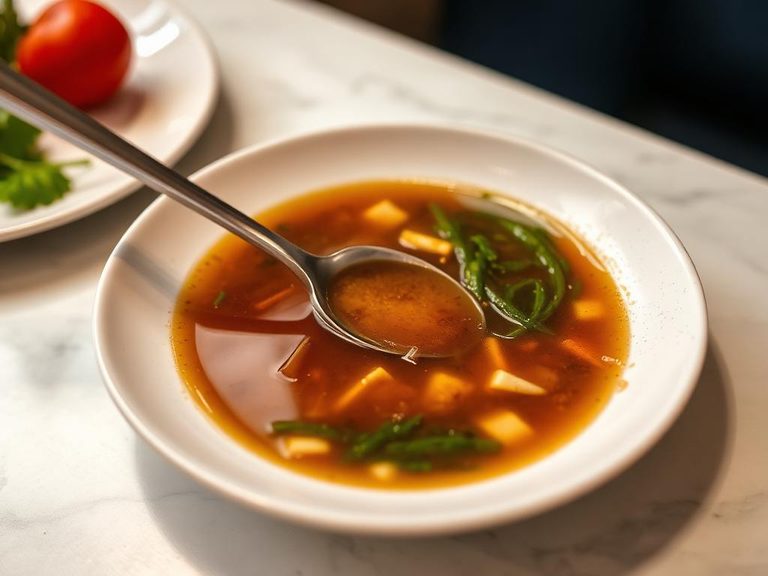
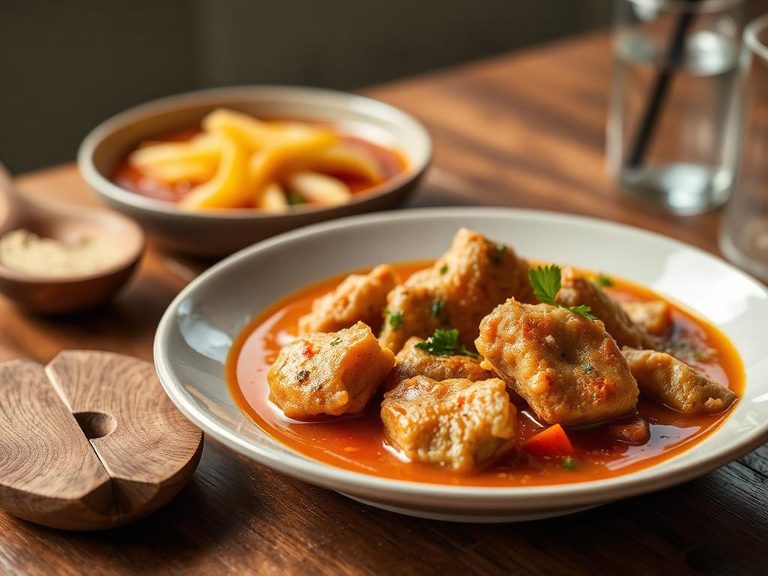
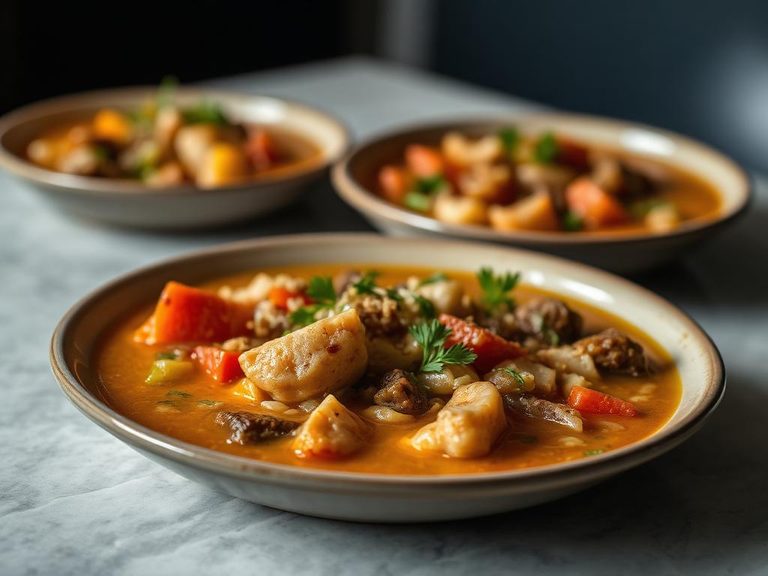
"Stirred into soups or stews" refers to a versatile culinary technique where ingredients like vegetables, grains, or proteins are added to simmering liquid to cook and meld flavors. Common additions include diced potatoes, carrots, barley, lentils, or shredded chicken, which absorb the broth's taste. This method is foundational in cuisines worldwide, from American chicken noodle to Japanese miso soup.
🍽️ Nutrition at a glance
The nutritional profile varies widely based on ingredients, but soups and stews are often balanced meals, providing carbs from grains/vegetables, protein from meat/legumes, and healthy fats from broth or oils. A typical serving can range from 150-300 calories, offering vitamins like A and C from vegetables and minerals like potassium.
Nutrition breakdown
| Calories | 220 kcal |
| Protein | 15 g |
| Carbs | 25 g |
| Fat | 6 g |
| Fiber | 5 g |
| Sugar | 4 g |
| Sodium | 480 mg |
| Vitamin A | 450 mcg |
| Vitamin C | 15 mg |
| Potassium | 420 mg |
| Iron | 2.5 mg |
| Calcium | 40 mg |
| Vitamin B6 | 0.4 mg |
| Magnesium | 30 mg |
| Zinc | 2 mg |
Per 1.5 cups (360 g) of a mixed vegetable and chicken stew · estimated, varies by recipe
💡 What's interesting
Culturally, this technique is a cornerstone of comfort food across many traditions, symbolizing home cooking and resourcefulness. Nutritionally, simmering helps extract and retain water-soluble vitamins in the broth, making them more bioavailable.