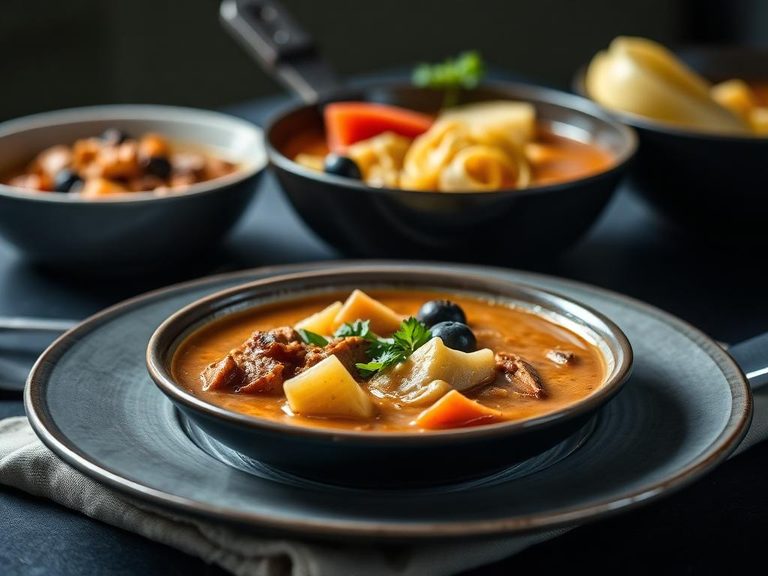
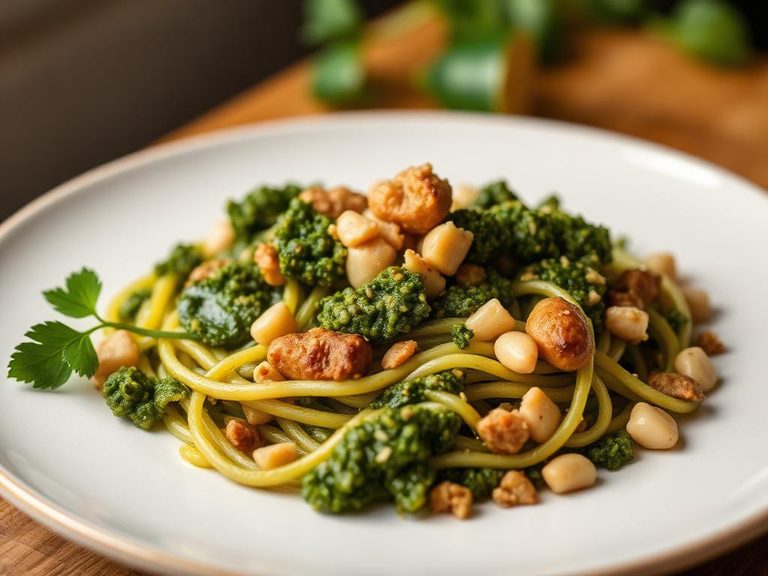
Stirred into soups and stews
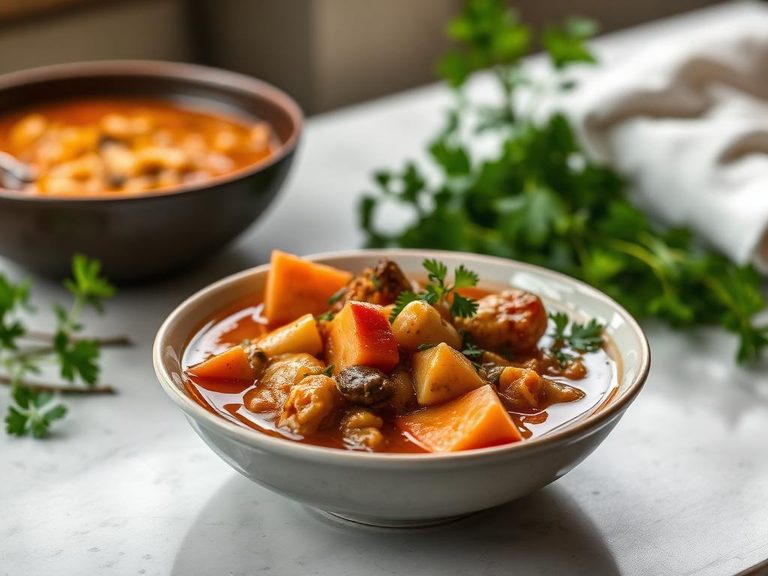
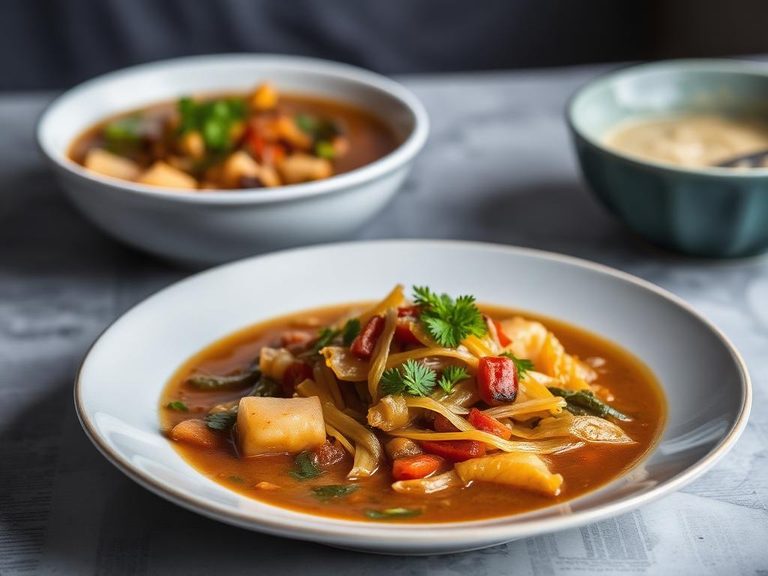
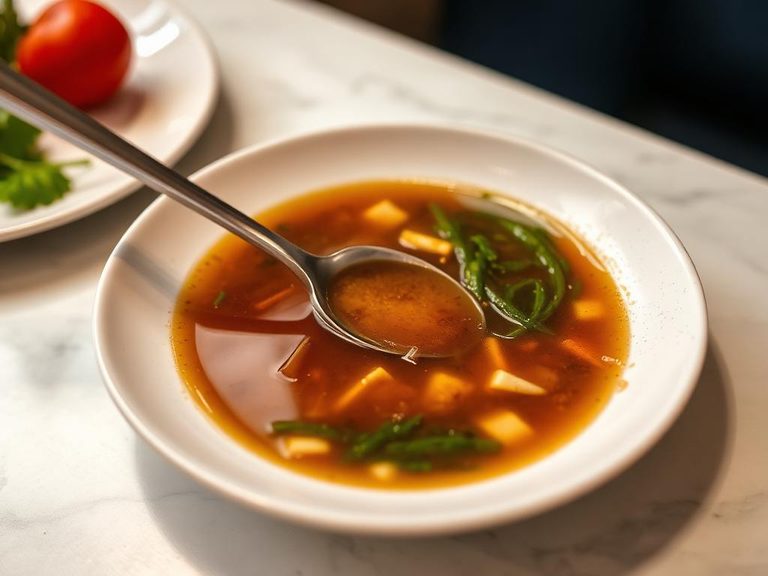
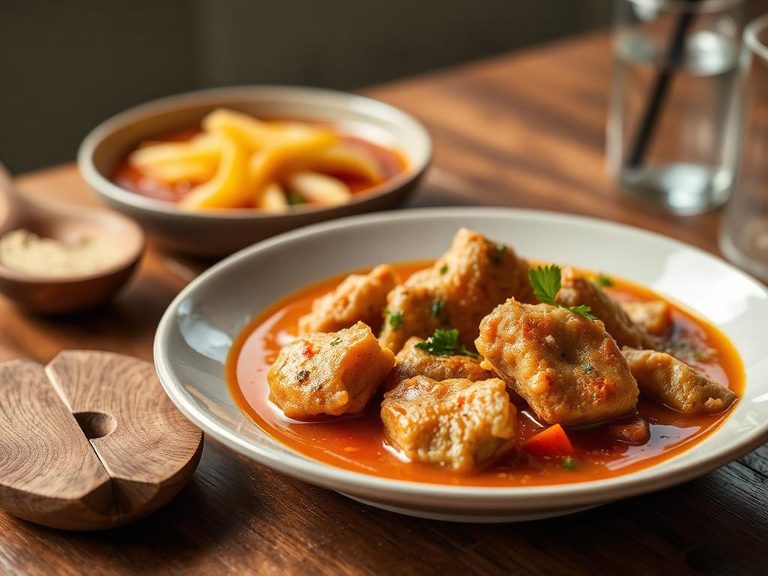
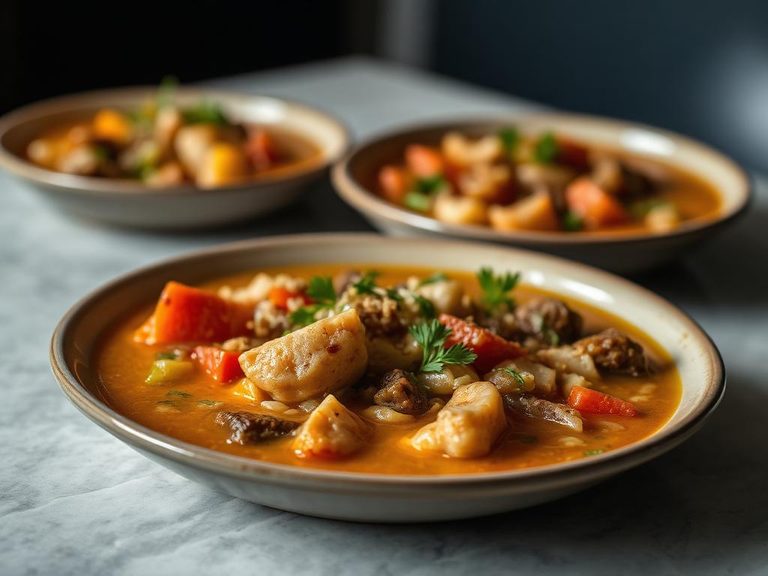
This isn't a single dish, but a broad culinary technique where ingredients are incorporated into soups and stews to build flavor, texture, and nutritional depth. It typically involves adding components like vegetables, legumes, grains, or proteins to a simmering liquid base. This method is foundational in cuisines worldwide, from hearty European stews to complex Asian soups.
🍽️ Nutrition at a glance
Nutritional content varies widely based on the specific ingredients used, but these dishes are often balanced, providing a mix of carbohydrates for energy, protein for satiety, and fats for flavor. They are typically rich in vitamins, minerals, and fiber from the vegetables and legumes, with a calorie range that can span from light (around 150 kcal) to very hearty (over 500 kcal) per serving.
Nutrition breakdown
| Calories | 220 kcal |
| Protein | 12 g |
| Carbs | 30 g |
| Fat | 6 g |
| Fiber | 8 g |
| Sugar | 6 g |
| Sodium | 480 mg |
| Potassium | 450 mg |
| Iron | 3 mg |
| Vitamin A | 120 µg RAE |
| Vitamin C | 15 mg |
| Folate | 100 µg |
| Magnesium | 40 mg |
| Phosphorus | 150 mg |
| Zinc | 2 mg |
Per 1 cup (240 g) of a mixed vegetable and legume stew · estimated, varies by recipe
💡 What's interesting
Culturally, this technique is a universal language of comfort and resourcefulness, allowing cooks to stretch ingredients and create nourishing meals from simple staples. Nutritionally, the simmering process can help meld flavors while making certain nutrients, like lycopene in tomatoes or antioxidants in onions, more bioavailable.