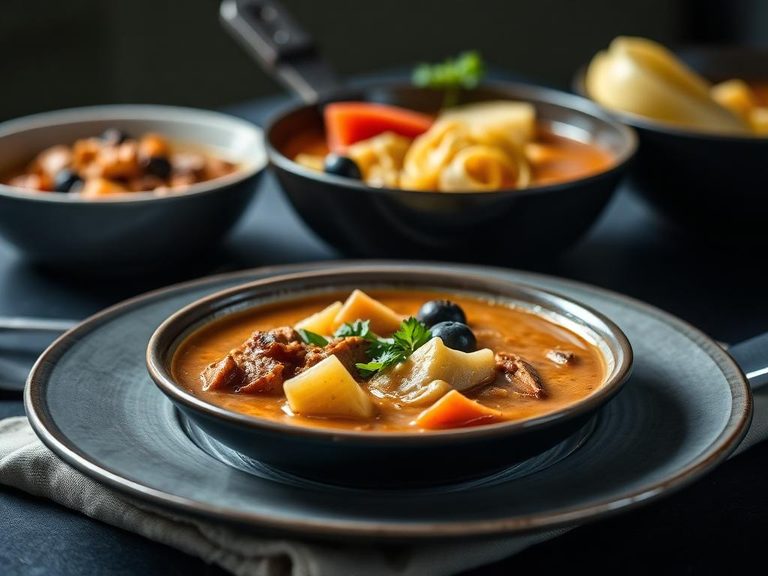
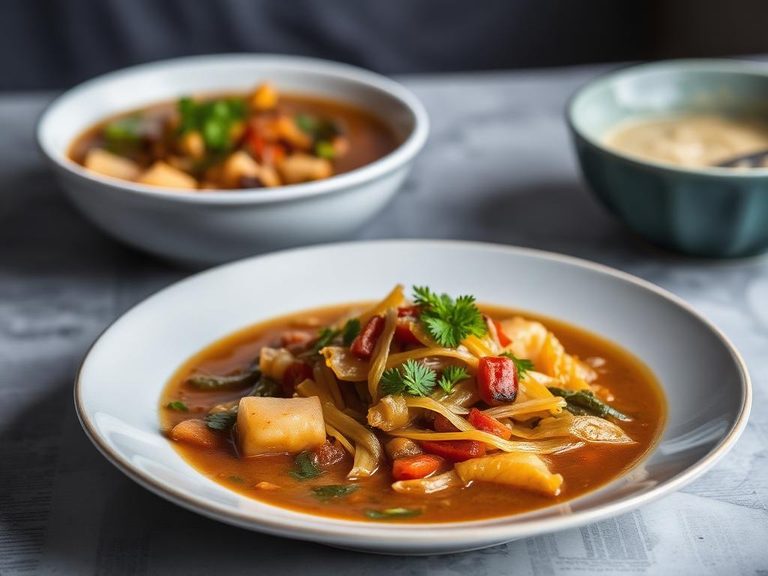
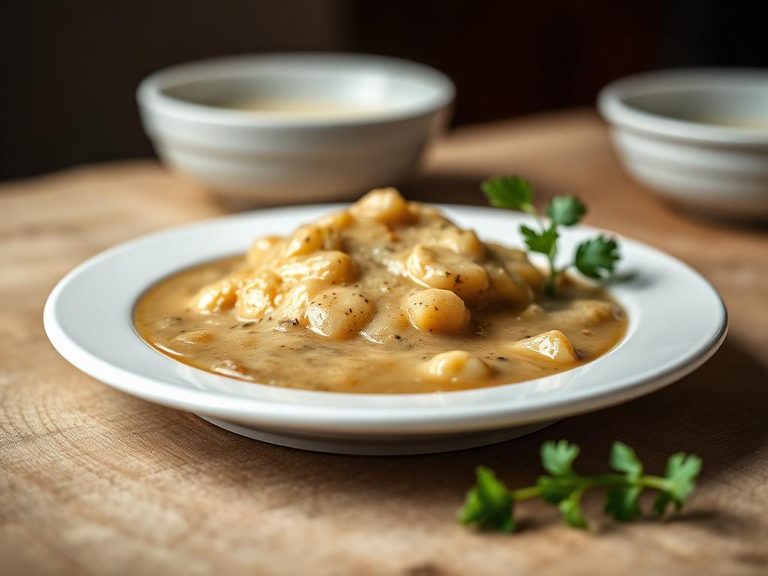
Flaked into soups or stews
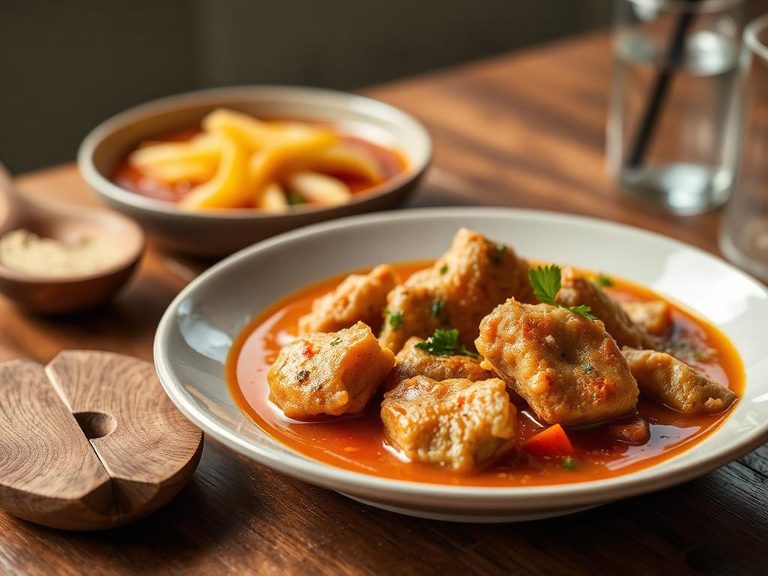
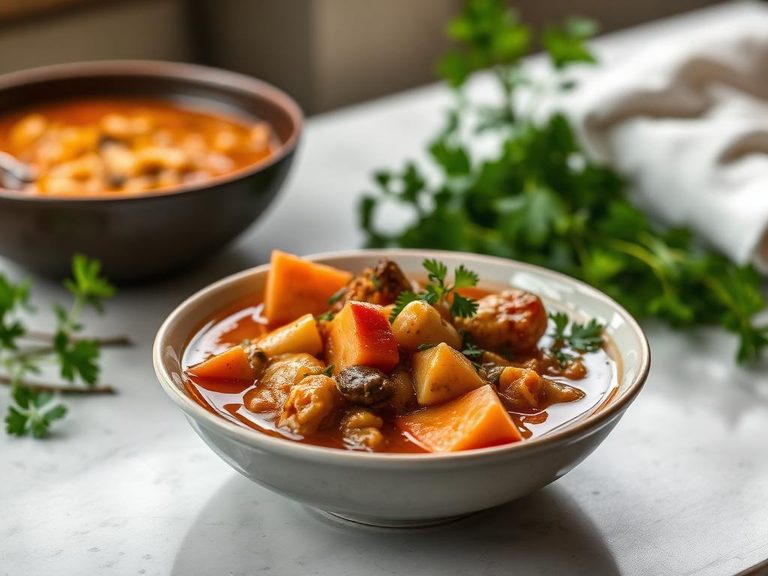
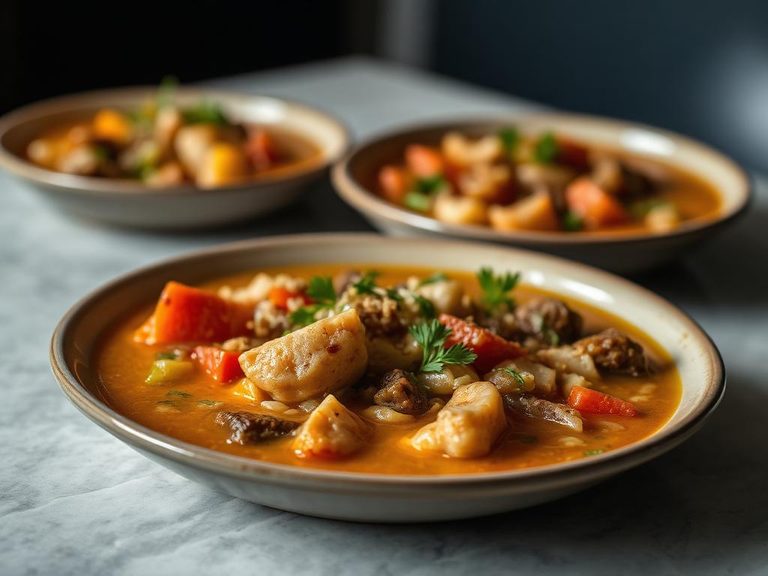
This isn't a single dish, but a classic cooking technique where a protein—most commonly fish like cod, haddock, or salmon, or sometimes chicken—is gently cooked until it separates into tender flakes. These flakes are then stirred into a liquid base, such as a creamy chowder, a hearty vegetable stew, or a simple broth, to add protein and texture. The method is a staple in cuisines worldwide, from British fish pie to American New England clam chowder.
🍽️ Nutrition at a glance
This preparation is generally high in protein and low in carbohydrates, with the fat content depending on the type of fish and whether cream or butter is used in the soup or stew. It provides high-quality protein, omega-3 fatty acids (from fish), and essential minerals like selenium and phosphorus. A typical serving of a creamy fish chowder with flakes can range from 250 to 400 calories.
Nutrition breakdown
| Calories | 320 kcal |
| Protein | 22 g |
| Carbs | 18 g |
| Fat | 16 g |
| Fiber | 2 g |
| Sugar | 4 g |
| Sodium | 680 mg |
| Selenium | 28 mcg |
| Phosphorus | 250 mg |
| Vitamin B12 | 2.4 mcg |
| Niacin (B3) | 4.5 mg |
| Potassium | 420 mg |
| Omega-3 (EPA+DHA) | 0.5 g |
| Vitamin D | 1.5 mcg |
| Magnesium | 35 mg |
Per 1 cup (240 g) · estimated, varies by recipe
💡 What's interesting
Culturally, this technique is a cornerstone of coastal and fishing communities, offering a practical and delicious way to stretch a fresh catch into a nourishing meal for many. Nutritionally, it's an excellent way to incorporate lean protein and healthy fats into a hydrating, vegetable-rich broth, making it both comforting and nutrient-dense.