

Oil, vegetable, Natreon canola, high stability, non trans, high oleic (70%)
Whole food · Fats and Oils

Photo: Wikipedia
This is a highly refined, liquid cooking oil derived from canola seeds, specifically engineered for exceptional oxidative stability and a neutral, clean taste. Its golden-yellow hue and smooth, viscous texture make it a versatile workhorse in the kitchen, from high-heat searing to delicate baking. Nutritionally, it's a pure fat source, delivering 100% of its calories from lipids, with a favorable profile rich in monounsaturated fats.
Calorie split: 0% protein · 0% carbs · 100% fat
↓ Full nutrition💚 Why it's loved
People love it for its incredible versatility and reliability; it's a clean, neutral canvas that lets the flavors of fresh ingredients shine through. Its high stability means it performs consistently in everything from stir-fries to salad dressings without imparting off-flavors.
⚠️ Watch-outs & how to enjoy it better
As a pure, calorie-dense fat, it can contribute to excessive caloric intake if used liberally, which may be a concern for weight management. To counteract this, practice portion control (e.g., measuring oil with a spoon) and prioritize cooking methods that use less oil, like steaming or air-frying, while using this oil for finishing or high-heat steps where it excels.
Key benefits
- High smoke point ideal for frying, sautéing, and roasting
- Neutral flavor doesn't overpower other ingredients
- Low in saturated fat and contains no trans fats
- High oleic content enhances shelf life and stability
- Good source of Vitamin E (antioxidant)
🍽️ Popular dishes
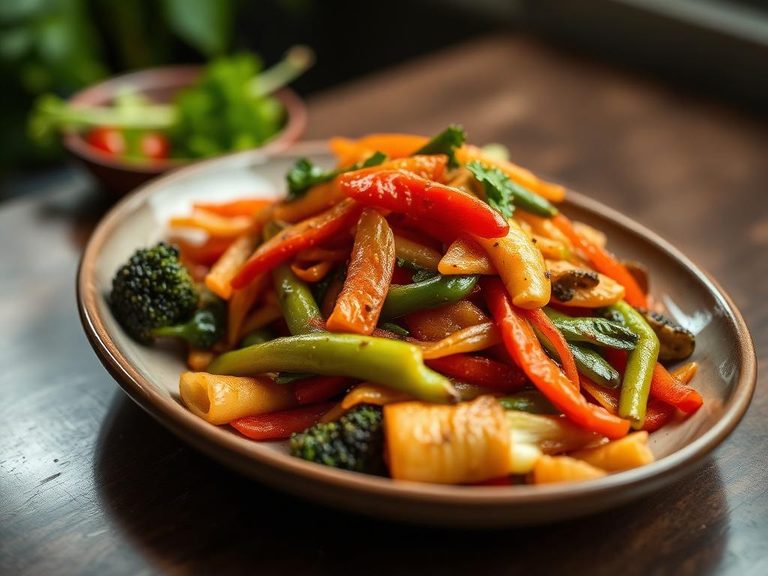
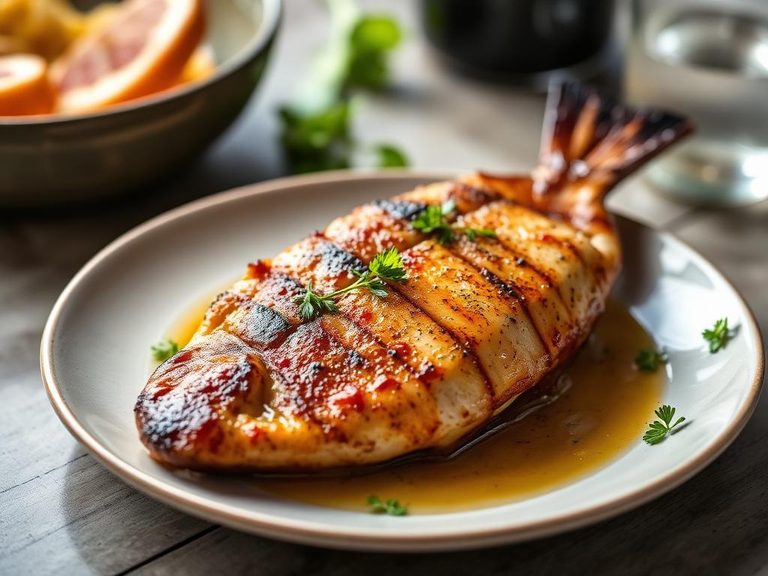
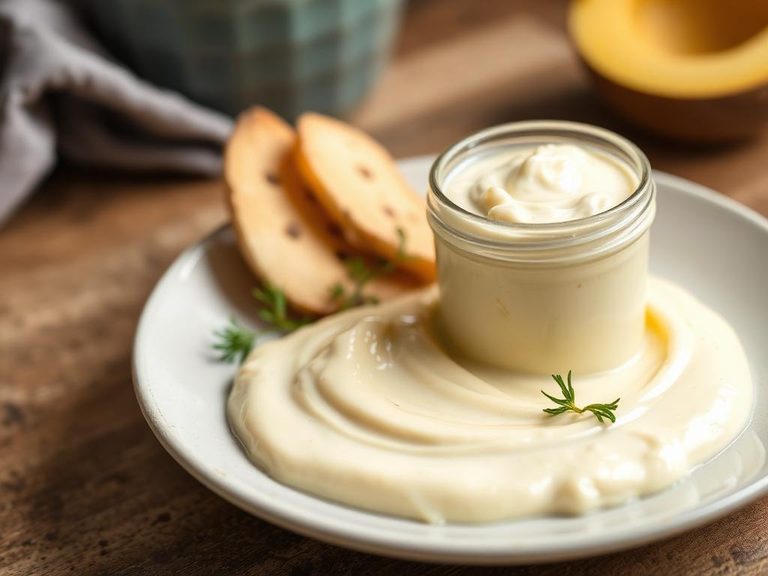

🌍 Where it's eaten
💡 Did you know?
The 'Natreon' process used to create this oil involves a specialized fractionation technique that concentrates the naturally occurring oleic acid in canola to over 70%, making it more heat-stable than standard canola oil.
Full nutrition (USDA data · scales with serving)
| Water | 0.00 g |
| Energy | 884 kcal |
| Energy | 3699 kj |
| Protein | 0.00 g |
| Total lipid (fat) | 100 g |
| Ash | 0.00 g |
| Carbohydrate, by difference | 0.00 g |
| Fiber, total dietary | 0.00 g |
| Total Sugars | 0.00 g |
| Sodium, Na | 0.00 mg |
| Vitamin C, total ascorbic acid | 0.00 mg |
| Thiamin | 0.00 mg |
| Riboflavin | 0.00 mg |
| Niacin | 0.00 mg |
| Vitamin A, IU | 0.00 iu |
| Vitamin E (alpha-tocopherol) | 21.8 mg |
| Tocopherol, gamma | 21.8 mg |
| Vitamin D (D2 + D3), International Units | 0.00 iu |
| Vitamin D (D2 + D3) | 0.00 ug |
Fat & fatty acid profile (per 100g)
| Fatty acids, total saturated | 6.5 g |
| SFA 4:0 | 0.00 g |
| SFA 6:0 | 0.00 g |
| SFA 8:0 | 0.00 g |
| SFA 10:0 | 0.00 g |
| SFA 12:0 | 0.00 g |
| SFA 14:0 | 0.05 g |
| SFA 16:0 | 3.4 g |
| SFA 18:0 | 1.9 g |
| SFA 20:0 | 0.67 g |
| SFA 22:0 | 0.29 g |
| SFA 24:0 | 0.14 g |
| Fatty acids, total monounsaturated | 72.0 g |
| MUFA 16:1 | 0.29 g |
| MUFA 16:1 c | 0.29 g |
| MUFA 18:1 | 70.0 g |
| MUFA 18:1 c | 69.9 g |
| MUFA 20:1 | 1.3 g |
| MUFA 22:1 | 0.24 g |
| MUFA 24:1 c | 0.14 g |
| Fatty acids, total polyunsaturated | 17.1 g |
| PUFA 18:2 | 14.5 g |
| PUFA 18:2 n-6 c,c | 14.3 g |
| PUFA 18:3 | 2.6 g |
| PUFA 18:3 n-3 c,c,c (ALA) | 2.1 g |
| PUFA 18:3i | 0.53 g |
| Fatty acids, total trans | 0.77 g |
| Fatty acids, total trans-monoenoic | 0.08 g |
| TFA 18:1 t | 0.08 g |
| TFA 18:2 t not further defined | 0.16 g |
| Fatty acids, total trans-polyenoic | 0.69 g |
| Cholesterol | 0.00 mg |
| Campesterol | 202 mg |
| Beta-sitosterol | 426 mg |
Amino acid profile (per 100g)
Estimated from Oil, safflower, salad or cooking, high oleic (primary safflower oil of commerce) — USDA does not publish this profile for Oil.
| Tryptophan | 0.00 g |
| Threonine | 0.00 g |
| Isoleucine | 0.00 g |
| Leucine | 0.00 g |
| Lysine | 0.00 g |
| Methionine | 0.00 g |
| Cystine | 0.00 g |
| Phenylalanine | 0.00 g |
| Tyrosine | 0.00 g |
| Valine | 0.00 g |
| Arginine | 0.00 g |
| Histidine | 0.00 g |
| Alanine | 0.00 g |
| Aspartic acid | 0.00 g |
| Glutamic acid | 0.00 g |
| Glycine | 0.00 g |
| Proline | 0.00 g |
| Serine | 0.00 g |
FAQ
What does 'high oleic' mean?
It means the oil has been bred or processed to contain a higher percentage of oleic acid, a monounsaturated fat (the same type found abundantly in olive oil). This makes the oil more resistant to oxidation and rancidity, especially under heat.
How is this different from regular canola oil?
Regular canola oil typically has about 60% oleic acid. 'High oleic' versions like this one have 70% or more. This significantly increases its smoke point and shelf stability, making it better suited for high-temperature cooking and longer storage.
Is it healthy for cooking?
It is considered a healthy choice within the context of a balanced diet. It is low in saturated fat, contains no trans fats, and is rich in heart-healthy monounsaturated fats. Its high smoke point means it doesn't break down into harmful compounds as easily as less stable oils when heated.
Weight-loss friendliness (composite index)
Energy density 8.84 kcal/g · 0% calories from protein · 0.0 g fiber · 0.0 g sugar per 100 g.
Composite of energy density (Rolls et al., 1999), protein & fiber satiety, minus sugar. A calculated heuristic — ranks satiety-per-calorie, not a clinical measure.