

Mushrooms, straw, canned, drained solids
Whole food · Vegetables and Vegetable Products

Photo: Wikipedia
Canned straw mushrooms are whole or halved fungi cultivated on rice straw, offering a firm, slightly crunchy texture and a mild, earthy flavor that absorbs sauces beautifully. Nutritionally, they are a low-calorie, high-fiber addition to meals, providing a notable protein boost for a vegetable at just 32 kcal per 100g.
Calorie split: 38% protein · 46% carbs · 15% fat
↓ Full nutrition💚 Why it's loved
People love canned straw mushrooms for their unique, satisfying crunch that holds up well in stir-fries and soups, and for their ability to soak up the flavors of garlic, ginger, and soy-based sauces. They are a staple convenience ingredient in many Asian cuisines, prized for adding umami depth and a meaty texture to quick weeknight meals.
⚠️ Watch-outs & how to enjoy it better
Canned varieties can be high in sodium, which may be a concern for those monitoring salt intake. The canning process can also give them a slightly metallic or preserved taste compared to fresh mushrooms. To counteract this, rinse them thoroughly under cold water before use and consider using low-sodium broth or adjusting added salt in the recipe.
Key benefits
- Excellent source of dietary fiber (2.5g per 100g)
- Good plant-based protein source (3.83g per 100g)
- Very low in calories and fat
- Provides essential minerals like selenium and copper
- Adds volume and texture to dishes without significant calories
🍽️ Popular dishes
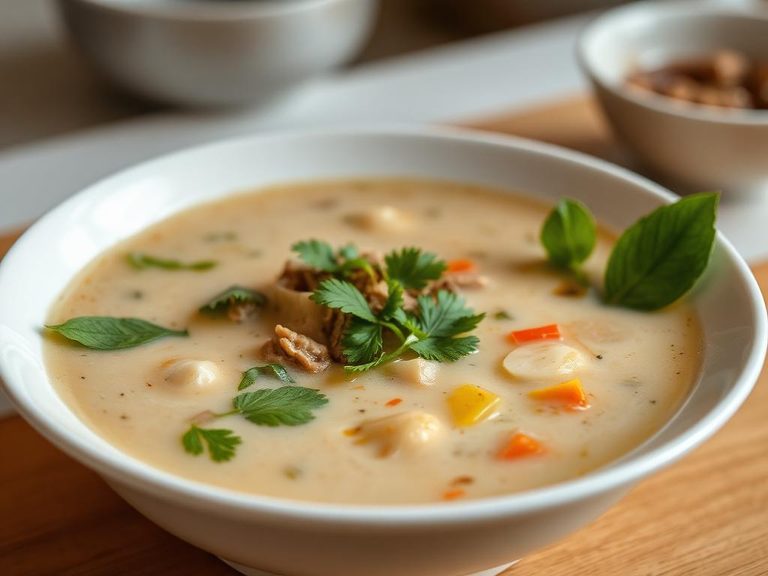
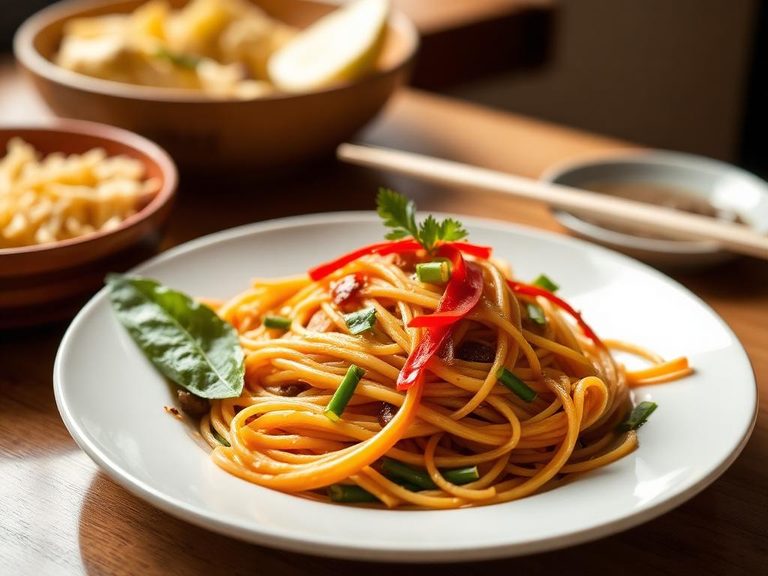
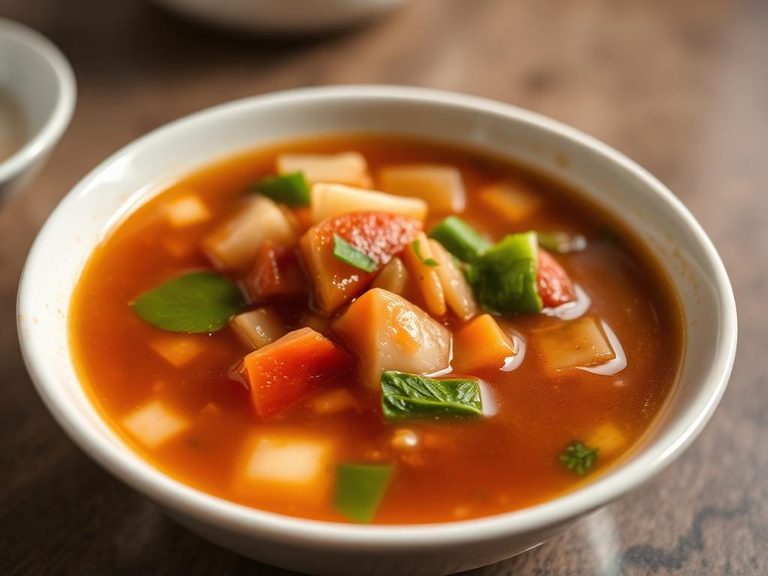
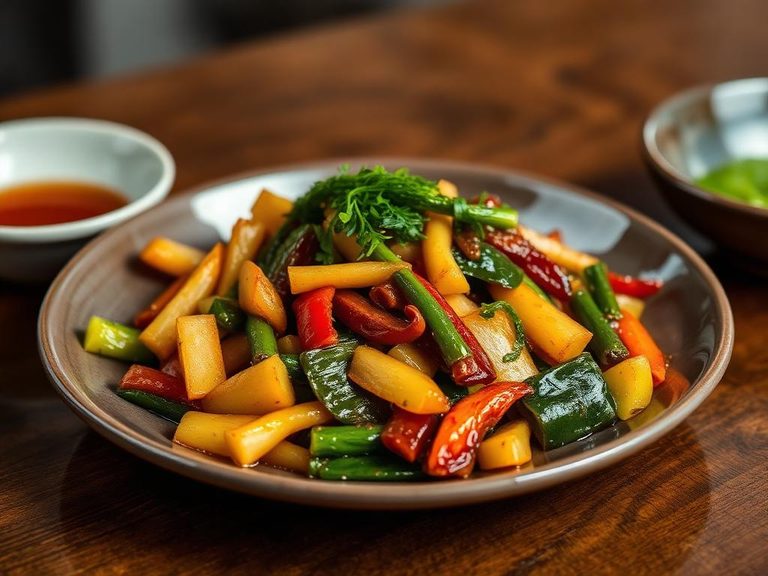
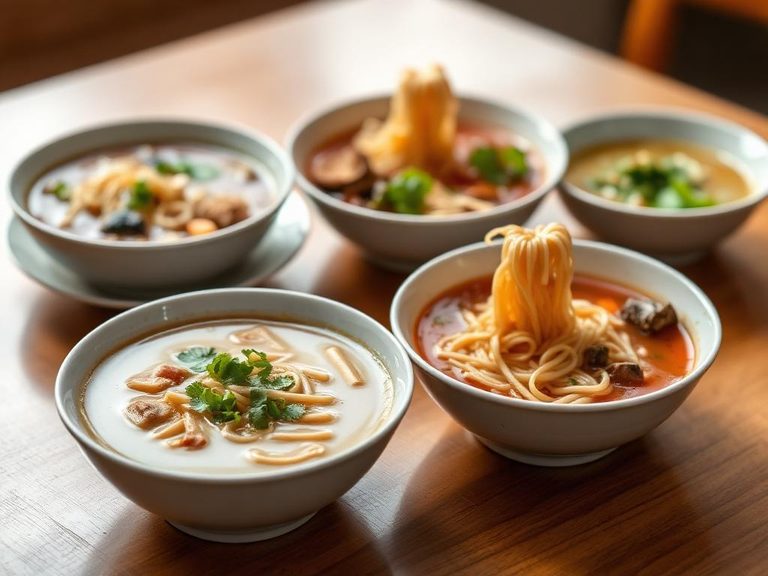
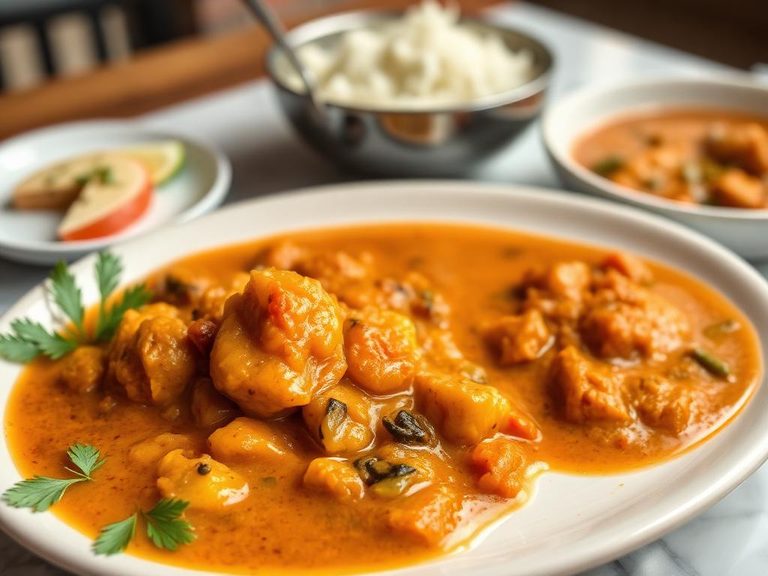
🌍 Where it's eaten
💡 Did you know?
Unlike most common mushrooms, straw mushrooms (Volvariella volvacea) are typically cultivated on rice straw beds and are often harvested and canned while still in the 'egg' stage, encased in their universal veil.
Full nutrition (USDA data · scales with serving)
| Water | 89.9 g |
| Energy | 32.0 kcal |
| Energy | 133 kj |
| Protein | 3.8 g |
| Total lipid (fat) | 0.68 g |
| Ash | 0.97 g |
| Carbohydrate, by difference | 4.6 g |
| Fiber, total dietary | 2.5 g |
| Calcium, Ca | 10.0 mg |
| Iron, Fe | 1.4 mg |
| Magnesium, Mg | 7.0 mg |
| Phosphorus, P | 61.0 mg |
| Potassium, K | 78.0 mg |
| Sodium, Na | 384 mg |
| Zinc, Zn | 0.67 mg |
| Copper, Cu | 0.13 mg |
| Manganese, Mn | 0.10 mg |
| Selenium, Se | 15.2 ug |
| Vitamin C, total ascorbic acid | 0.00 mg |
| Thiamin | 0.01 mg |
| Riboflavin | 0.07 mg |
| Niacin | 0.22 mg |
| Pantothenic acid | 0.41 mg |
| Vitamin B-6 | 0.01 mg |
| Folate, total | 38.0 ug |
| Folic acid | 0.00 ug |
| Folate, food | 38.0 ug |
| Folate, DFE | 38.0 ug |
| Vitamin B-12 | 0.00 ug |
| Vitamin A, RAE | 0.00 ug |
| Retinol | 0.00 ug |
| Carotene, beta | 0.00 ug |
| Carotene, alpha | 0.00 ug |
| Cryptoxanthin, beta | 0.00 ug |
| Vitamin A, IU | 0.00 iu |
Fat & fatty acid profile (per 100g)
| Fatty acids, total saturated | 0.09 g |
| SFA 10:0 | 0.00 g |
| SFA 12:0 | 0.01 g |
| SFA 14:0 | 0.00 g |
| SFA 16:0 | 0.04 g |
| SFA 18:0 | 0.01 g |
| Fatty acids, total monounsaturated | 0.01 g |
| MUFA 18:1 | 0.01 g |
| Fatty acids, total polyunsaturated | 0.26 g |
| PUFA 18:2 | 0.26 g |
| PUFA 18:3 | 0.00 g |
| Fatty acids, total trans | 0.00 g |
| Cholesterol | 0.00 mg |
Amino acid profile (per 100g)
Estimated from Mushrooms, portabella, exposed to ultraviolet light, raw — USDA does not publish this profile for Mushrooms.
| Tryptophan | 0.06 g |
| Threonine | 0.11 g |
| Isoleucine | 0.10 g |
| Leucine | 0.15 g |
| Lysine | 0.25 g |
| Methionine | 0.05 g |
| Cystine | 0.01 g |
| Phenylalanine | 0.10 g |
| Tyrosine | 0.05 g |
| Valine | 0.12 g |
| Arginine | 0.12 g |
| Histidine | 0.07 g |
| Alanine | 0.19 g |
| Aspartic acid | 0.23 g |
| Glutamic acid | 0.43 g |
| Glycine | 0.11 g |
| Proline | 0.18 g |
| Serine | 0.13 g |
FAQ
What's the difference between straw mushrooms and button mushrooms?
Straw mushrooms have a firmer, more resilient texture and a milder flavor compared to the softer, more pronounced earthiness of common button mushrooms. They are also typically smaller and often used whole in Asian dishes.
Do I need to cook canned straw mushrooms?
They are pre-cooked during the canning process. You can add them directly to dishes at the end of cooking just to heat through, or simmer them in soups and sauces to absorb more flavor.
Can I use canned straw mushrooms as a substitute for fresh ones?
Yes, but with consideration. Their texture is firmer and they lack the fresh, delicate flavor of raw mushrooms. They work best in cooked dishes like stir-fries, soups, and curries rather than in salads or raw preparations.
Nutrient density (calculated · NRF9.3)
Nutrient Rich Foods index: beneficial nutrients (protein, fiber, vitamins, minerals) minus saturated fat, added sugar & sodium, per 100 kcal.
NRF9.3 index — Fulgoni, Keast & Drewnowski, 2009. Computed from USDA nutrients.
Weight-loss friendliness (composite index)
Energy density 0.32 kcal/g · 48% calories from protein · 2.5 g fiber · 0.0 g sugar per 100 g.
Composite of energy density (Rolls et al., 1999), protein & fiber satiety, minus sugar. A calculated heuristic — ranks satiety-per-calorie, not a clinical measure.
Dietary load (calculated from USDA values)
Potential renal acid load. Positive = acid-forming, negative = alkaline-forming.
Sodium-to-potassium ratio: 4.92 (lower is better — aim for ≤ 1)
Sodium:potassium per WHO potassium guidance. Computed from USDA nutrients.