

Mushroom, oyster
Whole food · Vegetables and Vegetable Products

Photo: Wikipedia
Oyster mushrooms are a delicate, fan-shaped fungus with a velvety texture and a subtle, savory flavor reminiscent of seafood. They are exceptionally low in calories and fat, making them a lean source of protein and B vitamins. Their tender, meaty bite when cooked makes them a satisfying addition to many dishes.
Calorie split: 28% protein · 68% carbs · 4% fat
↓ Full nutrition💚 Why it's loved
People love oyster mushrooms for their delicate, umami-rich flavor that beautifully absorbs sauces and seasonings, and for their versatility in everything from quick sautés to hearty stews. They are also celebrated in many cultures as an affordable, sustainable, and flavorful protein alternative.
⚠️ Watch-outs & how to enjoy it better
While nutritious, they are not a significant source of fiber, so pairing them with high-fiber foods like whole grains or legumes is recommended for digestive health. They can also absorb a lot of oil during cooking, which increases calorie count; using non-stick pans or dry-sautéing methods can counteract this. As with any wild-foraged mushroom, ensure proper identification or purchase from a reputable source to avoid confusion with toxic species.
Key benefits
- Very low calorie and fat content
- Good source of protein for plant-based diets
- Rich in B vitamins like riboflavin and niacin
- Contains antioxidants like ergothioneine
- Can be cultivated sustainably on agricultural waste
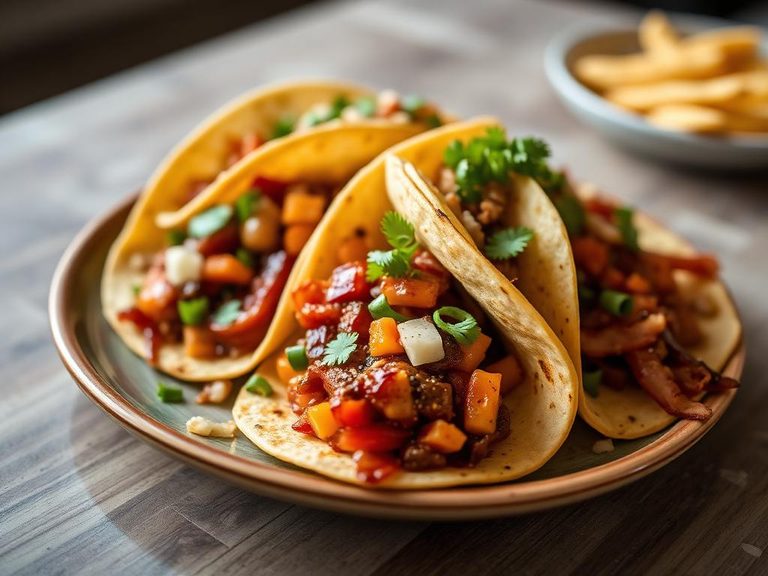
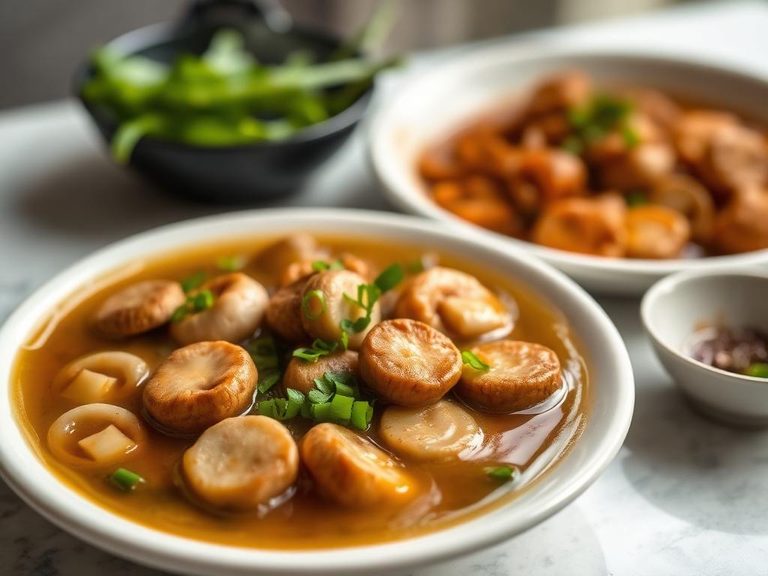
🍽️ Popular dishes
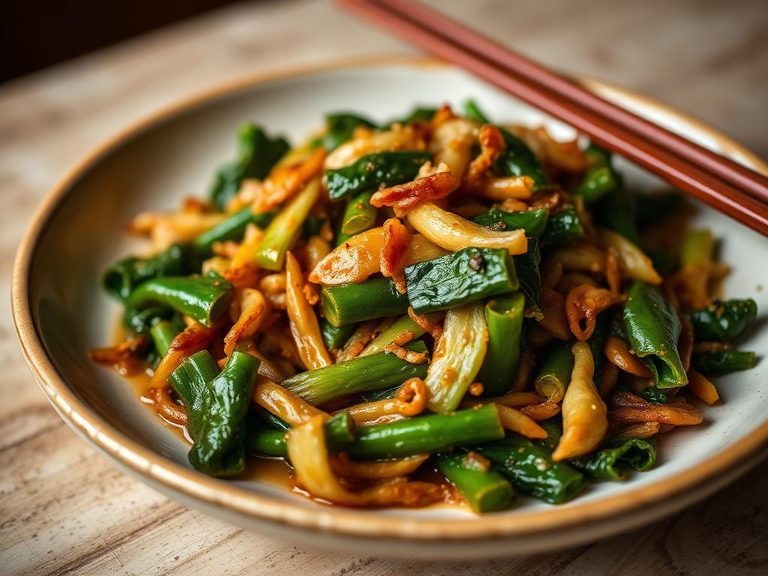
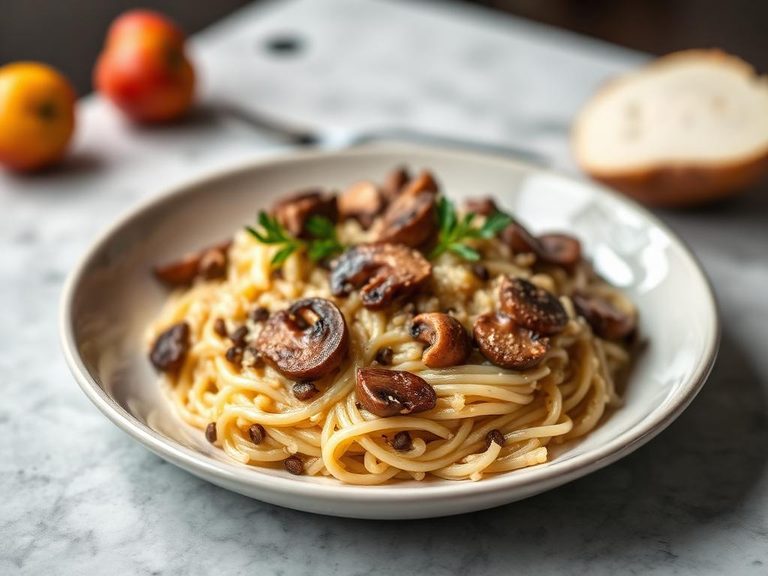
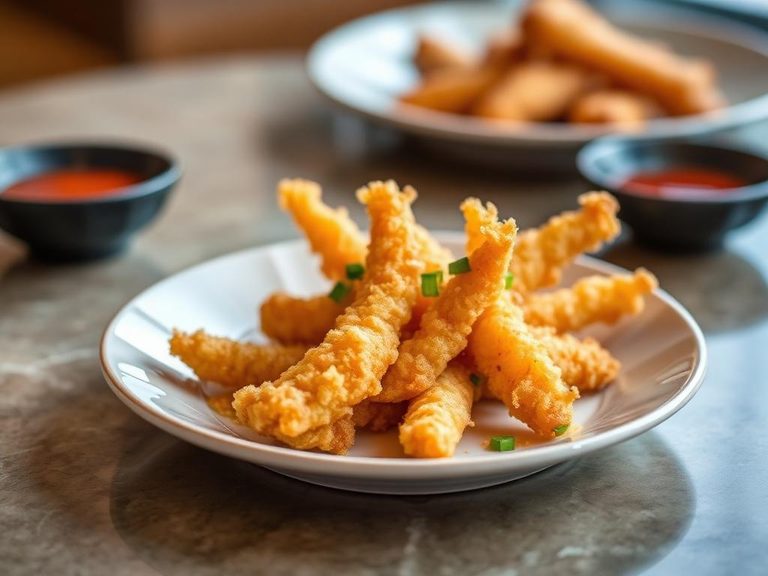
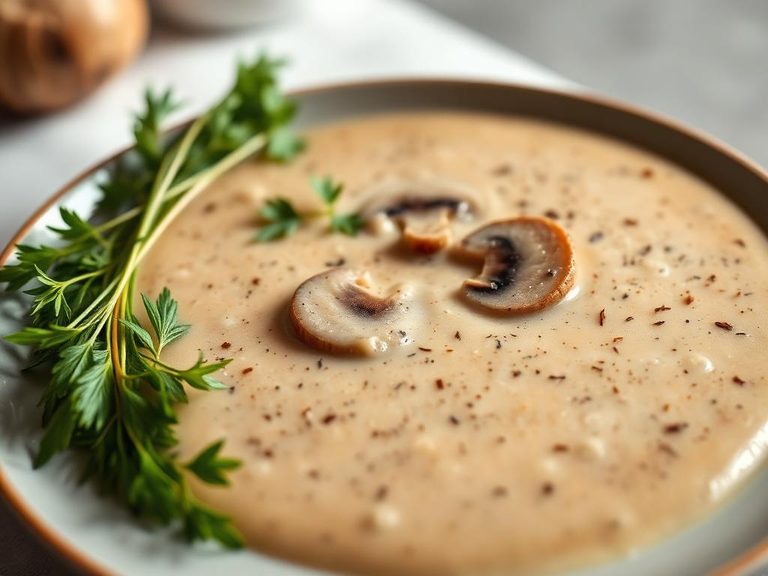
🌍 Where it's eaten
💡 Did you know?
Oyster mushrooms are one of the few known carnivorous fungi; their mycelium can trap and digest microscopic nematodes to obtain nitrogen in nutrient-poor environments.
Full nutrition (USDA data · scales with serving)
| Water | 89.2 g |
| Energy (Atwater General Factors) | 41.0 kcal |
| Energy (Atwater Specific Factors) | 33.3 kcal |
| Nitrogen | 0.46 g |
| Protein | 2.9 g |
| Total lipid (fat) | 0.19 g |
| Ash | 0.73 g |
| Carbohydrate, by difference | 6.9 g |
| Calcium, Ca | 0.00 mg |
| Iron, Fe | 0.70 mg |
| Magnesium, Mg | 13.9 mg |
| Phosphorus, P | 86.2 mg |
| Potassium, K | 282 mg |
| Sodium, Na | 1.1 mg |
| Zinc, Zn | 0.68 mg |
| Copper, Cu | 0.11 mg |
| Manganese, Mn | 0.09 mg |
| Selenium, Se | 1.4 ug |
| Thiamin | 0.07 mg |
| Niacin | 5.8 mg |
| Vitamin B-6 | 0.10 mg |
| Biotin | 7.0 ug |
| Folate, total | 63.1 ug |
Fat & fatty acid profile (per 100g)
Estimated from Mushrooms, brown, italian, or crimini, raw — USDA does not publish this profile for Mushroom.
| Fatty acids, total saturated | 0.01 g |
| SFA 4:0 | 0.00 g |
| SFA 6:0 | 0.00 g |
| SFA 8:0 | 0.00 g |
| SFA 10:0 | 0.00 g |
| SFA 12:0 | 0.00 g |
| SFA 14:0 | 0.00 g |
| SFA 16:0 | 0.01 g |
| SFA 18:0 | 0.00 g |
| Fatty acids, total monounsaturated | 0.00 g |
| MUFA 16:1 | 0.00 g |
| MUFA 18:1 | 0.00 g |
| MUFA 20:1 | 0.00 g |
| MUFA 22:1 | 0.00 g |
| Fatty acids, total polyunsaturated | 0.04 g |
| PUFA 18:2 | 0.04 g |
| PUFA 18:3 | 0.00 g |
| PUFA 18:4 | 0.00 g |
| PUFA 20:4 | 0.00 g |
| PUFA 20:5 n-3 (EPA) | 0.00 g |
| PUFA 22:5 n-3 (DPA) | 0.00 g |
| PUFA 22:6 n-3 (DHA) | 0.00 g |
| Fatty acids, total trans | 0.00 g |
| Cholesterol | 0.00 mg |
| Stigmasterol | 0.00 mg |
| Campesterol | 2.0 mg |
| Beta-sitosterol | 0.00 mg |
Amino acid profile (per 100g)
Estimated from Mushrooms, brown, italian, or crimini, raw — USDA does not publish this profile for Mushroom.
| Tryptophan | 0.06 g |
| Threonine | 0.11 g |
| Isoleucine | 0.10 g |
| Leucine | 0.15 g |
| Lysine | 0.25 g |
| Methionine | 0.05 g |
| Cystine | 0.01 g |
| Phenylalanine | 0.10 g |
| Tyrosine | 0.05 g |
| Valine | 0.12 g |
| Arginine | 0.12 g |
| Histidine | 0.07 g |
| Alanine | 0.19 g |
| Aspartic acid | 0.23 g |
| Glutamic acid | 0.43 g |
| Glycine | 0.11 g |
| Proline | 0.18 g |
| Serine | 0.11 g |
FAQ
How do I clean oyster mushrooms?
Gently wipe them with a damp paper towel or soft brush to remove dirt. Avoid soaking them in water, as they are porous and can become waterlogged, which affects their texture when cooked.
What's the best way to cook them for maximum flavor?
Dry-sauté them in a hot pan without oil first to release their moisture and concentrate their flavor. Once the liquid evaporates, you can add a small amount of oil, garlic, or herbs to finish.
Can I eat oyster mushrooms raw?
While they can be eaten raw, cooking is recommended. Cooking breaks down their tough cell walls, making nutrients more available and improving their digestibility and savory flavor.
Nutrient density (calculated · NRF9.3)
Nutrient Rich Foods index: beneficial nutrients (protein, fiber, vitamins, minerals) minus saturated fat, added sugar & sodium, per 100 kcal.
NRF9.3 index — Fulgoni, Keast & Drewnowski, 2009. Computed from USDA nutrients.
Weight-loss friendliness (composite index)
Energy density 0.41 kcal/g · 28% calories from protein · 0.0 g fiber · 0.0 g sugar per 100 g.
Composite of energy density (Rolls et al., 1999), protein & fiber satiety, minus sugar. A calculated heuristic — ranks satiety-per-calorie, not a clinical measure.
Dietary load (calculated from USDA values)
Potential renal acid load. Positive = acid-forming, negative = alkaline-forming.
Sodium-to-potassium ratio: 0.00 (lower is better — aim for ≤ 1)
Sodium:potassium per WHO potassium guidance. Computed from USDA nutrients.