

Mollusks, oyster, eastern, farmed, raw
Whole food · Finfish and Shellfish Products

Photo: Wikipedia
The eastern oyster, often called the 'American oyster,' is a briny, mineral-rich bivalve with a plump, tender texture and a complex flavor that shifts from sweet to savory depending on its origin. Farmed varieties are typically clean and consistent, offering a mild salinity with a subtle, creamy finish. Nutritionally, it is a lean powerhouse, delivering over 5 grams of protein per 100 grams with minimal fat and a notable carbohydrate content from glycogen.
Calorie split: 37% protein · 39% carbs · 24% fat
↓ Full nutrition💚 Why it's loved
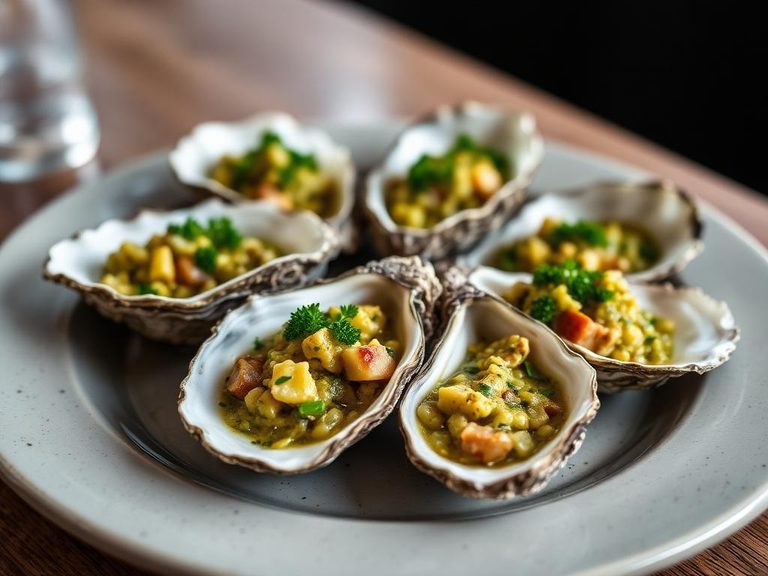
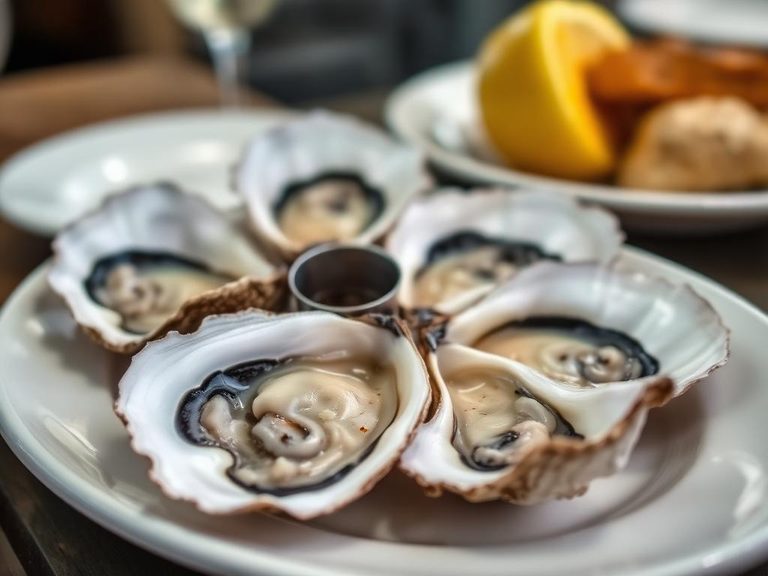
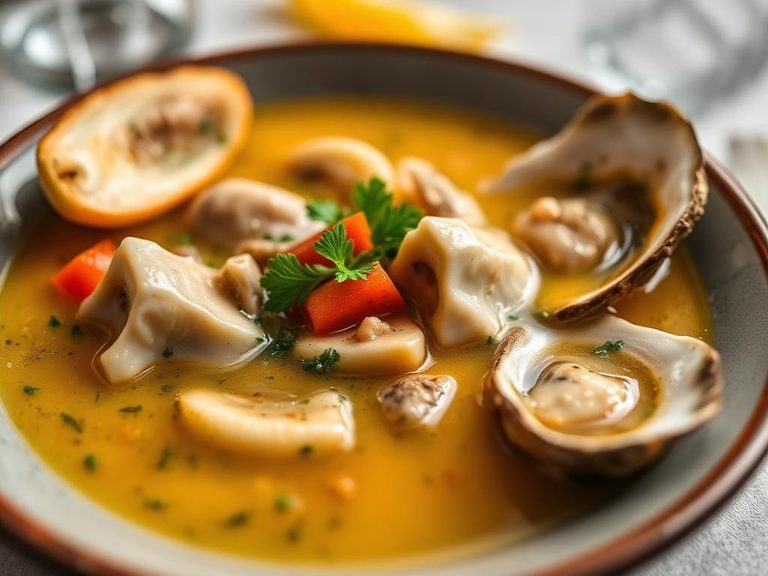
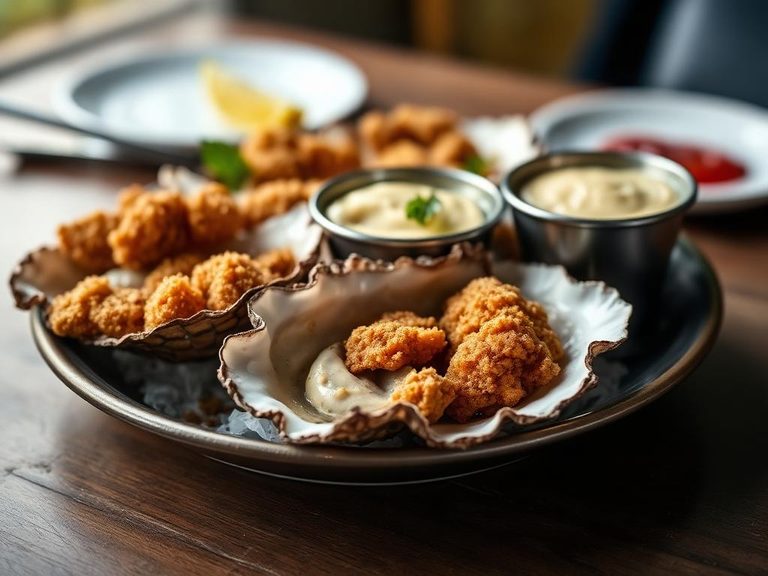
People adore raw oysters for their unique 'taste of the sea'—a briny, slightly sweet, and umami-rich experience that feels both luxurious and primal. Their versatility is also cherished, as they can be enjoyed simply with a squeeze of lemon, grilled, or incorporated into rich, savory dishes.
⚠️ Watch-outs & how to enjoy it better
Raw oysters can pose a risk of foodborne illness (like Vibrio) if not properly handled and sourced, and they are a common allergen for those with shellfish sensitivities. Additionally, their high sodium content can be a concern for individuals managing blood pressure. To mitigate risks, always purchase from reputable, refrigerated sources, consume them very fresh, and consider pairing with a low-sodium side or a squeeze of lemon to enhance flavor without adding salt.
Key benefits
- Excellent source of high-quality protein for muscle maintenance.
- Rich in zinc, which supports immune function and skin health.
- Provides significant amounts of vitamin B12 for nerve function and energy metabolism.
- Low in calories and fat, making it a nutrient-dense food choice.
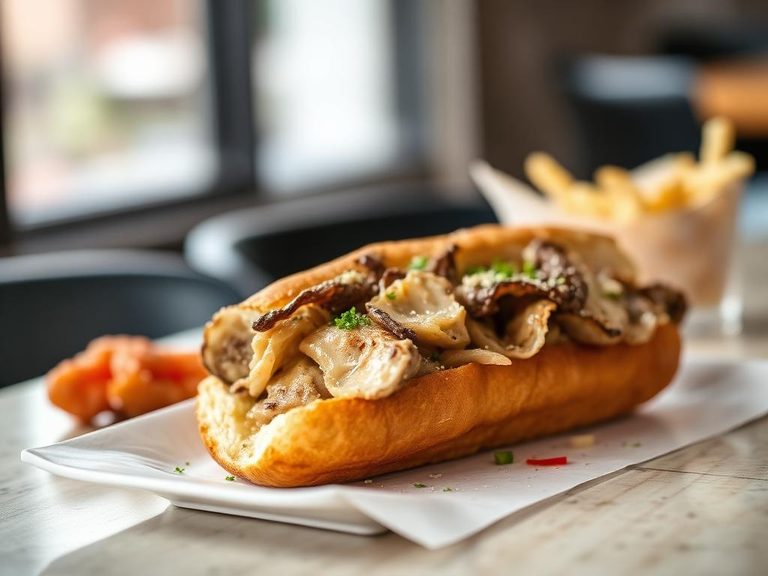
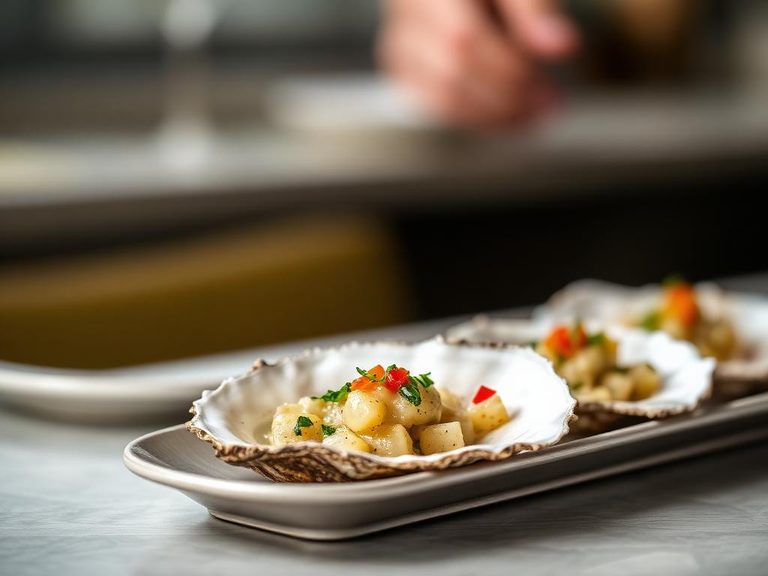
🍽️ Popular dishes
🌍 Where it's eaten
💡 Did you know?
Oysters can change their gender multiple times during their lifetime, typically starting as males and then becoming females as they grow larger.
Full nutrition (USDA data · scales with serving)
| Water | 86.2 g |
| Energy | 59.0 kcal |
| Energy | 247 kj |
| Protein | 5.2 g |
| Total lipid (fat) | 1.6 g |
| Ash | 1.5 g |
| Carbohydrate, by difference | 5.5 g |
| Fiber, total dietary | 0.00 g |
| Calcium, Ca | 44.0 mg |
| Iron, Fe | 5.8 mg |
| Magnesium, Mg | 33.0 mg |
| Phosphorus, P | 93.0 mg |
| Potassium, K | 124 mg |
| Sodium, Na | 178 mg |
| Zinc, Zn | 37.9 mg |
| Copper, Cu | 0.74 mg |
| Manganese, Mn | 0.39 mg |
| Selenium, Se | 63.7 ug |
| Vitamin C, total ascorbic acid | 4.7 mg |
| Thiamin | 0.10 mg |
| Riboflavin | 0.07 mg |
| Niacin | 1.3 mg |
| Pantothenic acid | 0.16 mg |
| Vitamin B-6 | 0.06 mg |
| Folate, total | 18.0 ug |
| Folic acid | 0.00 ug |
| Folate, food | 18.0 ug |
| Folate, DFE | 18.0 ug |
| Vitamin B-12 | 16.2 ug |
| Vitamin A, RAE | 8.0 ug |
| Retinol | 8.0 ug |
| Vitamin A, IU | 25.0 iu |
Fat & fatty acid profile (per 100g)
| Fatty acids, total saturated | 0.44 g |
| SFA 14:0 | 0.04 g |
| SFA 16:0 | 0.31 g |
| SFA 18:0 | 0.04 g |
| Fatty acids, total monounsaturated | 0.15 g |
| MUFA 16:1 | 0.04 g |
| MUFA 18:1 | 0.07 g |
| MUFA 20:1 | 0.03 g |
| Fatty acids, total polyunsaturated | 0.59 g |
| PUFA 18:2 | 0.03 g |
| PUFA 18:3 | 0.04 g |
| PUFA 18:4 | 0.09 g |
| PUFA 20:4 | 0.03 g |
| PUFA 20:5 n-3 (EPA) | 0.19 g |
| PUFA 22:6 n-3 (DHA) | 0.20 g |
| Cholesterol | 25.0 mg |
Amino acid profile (per 100g)
| Tryptophan | 0.06 g |
| Threonine | 0.23 g |
| Isoleucine | 0.23 g |
| Leucine | 0.37 g |
| Lysine | 0.39 g |
| Methionine | 0.12 g |
| Cystine | 0.07 g |
| Phenylalanine | 0.19 g |
| Tyrosine | 0.17 g |
| Valine | 0.23 g |
| Arginine | 0.38 g |
| Histidine | 0.10 g |
| Alanine | 0.32 g |
| Aspartic acid | 0.50 g |
| Glutamic acid | 0.71 g |
| Glycine | 0.33 g |
| Proline | 0.21 g |
| Serine | 0.23 g |
FAQ
Are raw oysters safe to eat?
Raw oysters are safe when sourced from reputable suppliers who follow strict food safety guidelines, but they can carry bacteria like Vibrio. It's best to consume them fresh, keep them refrigerated, and avoid them if you have a weakened immune system.
What is the nutritional value of raw oysters?
Per 100 grams, raw eastern oysters provide about 59 calories, 5.22g protein, 5.53g carbs, and 1.55g fat. They are also rich in zinc, vitamin B12, iron, and selenium.
How should I store raw oysters?
Store raw oysters in the refrigerator at 35-40°F (2-4°C) with the cupped side down on a tray, covered with a damp cloth. Do not store them in a sealed container or in water, and consume them within 5-7 days of harvest.
Nutrient density (calculated · NRF9.3)
Nutrient Rich Foods index: beneficial nutrients (protein, fiber, vitamins, minerals) minus saturated fat, added sugar & sodium, per 100 kcal.
NRF9.3 index — Fulgoni, Keast & Drewnowski, 2009. Computed from USDA nutrients.
Weight-loss friendliness (composite index)
Energy density 0.59 kcal/g · 35% calories from protein · 0.0 g fiber · 0.0 g sugar per 100 g.
Composite of energy density (Rolls et al., 1999), protein & fiber satiety, minus sugar. A calculated heuristic — ranks satiety-per-calorie, not a clinical measure.
Dietary load (calculated from USDA values)
Potential renal acid load. Positive = acid-forming, negative = alkaline-forming.
Sodium-to-potassium ratio: 1.44 (lower is better — aim for ≤ 1)
Sodium:potassium per WHO potassium guidance. Computed from USDA nutrients.