

Litchis, dried
Whole food · Fruits and Fruit Juices

Photo: Wikipedia
Dried litchi is a sweet, chewy, and intensely aromatic fruit snack, concentrating the fresh litchi's floral, rose-like flavor into a dense, leathery texture. Nutritionally, it's a powerhouse of quick energy, packed with carbohydrates and natural sugars, while providing a modest amount of fiber.
Calorie split: 5% protein · 92% carbs · 3% fat
↓ Full nutrition💚 Why it's loved
People adore dried litchis for their intoxicatingly sweet, floral flavor and satisfyingly chewy texture, which makes them a beloved treat and a convenient, portable snack. They hold a special place in East and Southeast Asian cultures, often enjoyed during festivals and as a symbol of good fortune.
⚠️ Watch-outs & how to enjoy it better
Due to their very high sugar content (over 66g per 100g), they can cause rapid blood-sugar spikes, making portion control crucial for diabetics or those monitoring intake. To counteract this, pair a small serving with a source of protein or fat (like a handful of nuts) to slow sugar absorption, and always enjoy them as an occasional treat rather than a staple.
Key benefits
- Excellent source of quick-release natural energy
- Contains dietary fiber for digestive health
- Rich in antioxidants like vitamin C
- Provides minerals such as potassium and copper
- Concentrated source of B vitamins
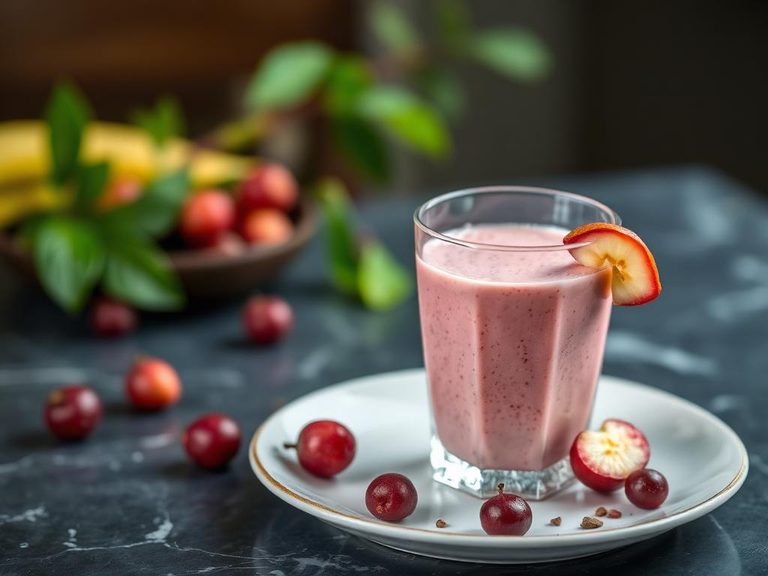
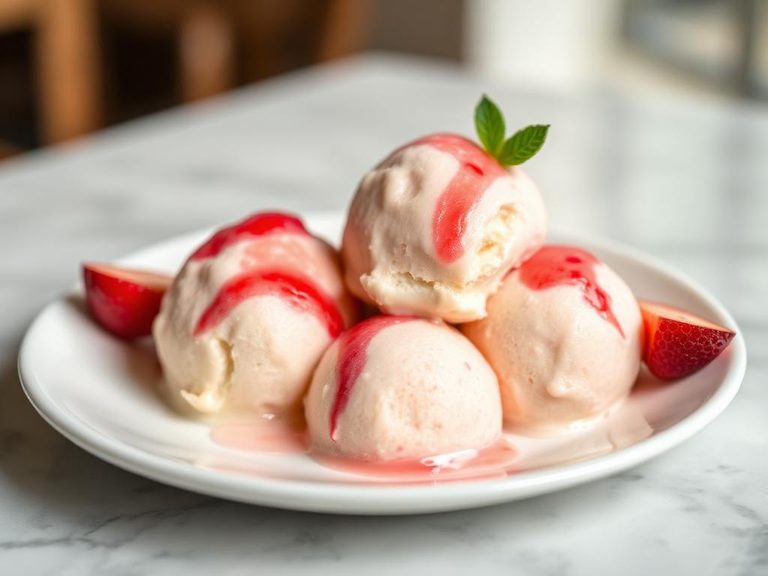
🍽️ Popular dishes
🌍 Where it's eaten
💡 Did you know?
The Chinese name for litchi, 'lìzhī' (荔枝), sounds like the phrase 'stand up' (立, lì), leading to a tradition where a husband might eat litchis before his wife's childbirth to wish for a swift and easy delivery.
Full nutrition (USDA data · scales with serving)
| Water | 22.3 g |
| Energy | 277 kcal |
| Energy | 1159 kj |
| Protein | 3.8 g |
| Total lipid (fat) | 1.2 g |
| Ash | 2.0 g |
| Carbohydrate, by difference | 70.7 g |
| Fiber, total dietary | 4.6 g |
| Total Sugars | 66.1 g |
| Calcium, Ca | 33.0 mg |
| Iron, Fe | 1.7 mg |
| Magnesium, Mg | 42.0 mg |
| Phosphorus, P | 181 mg |
| Potassium, K | 1110 mg |
| Sodium, Na | 3.0 mg |
| Zinc, Zn | 0.28 mg |
| Copper, Cu | 0.63 mg |
| Manganese, Mn | 0.23 mg |
| Selenium, Se | 1.3 ug |
| Vitamin C, total ascorbic acid | 183 mg |
| Thiamin | 0.01 mg |
| Riboflavin | 0.57 mg |
| Niacin | 3.1 mg |
| Vitamin B-6 | 0.09 mg |
| Folate, total | 12.0 ug |
| Folic acid | 0.00 ug |
| Folate, food | 12.0 ug |
| Folate, DFE | 12.0 ug |
| Choline, total | 12.7 mg |
| Vitamin B-12 | 0.00 ug |
| Vitamin B-12, added | 0.00 ug |
| Vitamin A, RAE | 0.00 ug |
| Retinol | 0.00 ug |
| Carotene, beta | 0.00 ug |
| Carotene, alpha | 0.00 ug |
| Cryptoxanthin, beta | 0.00 ug |
| Vitamin A, IU | 0.00 iu |
| Lycopene | 0.00 ug |
| Lutein + zeaxanthin | 0.00 ug |
| Vitamin E (alpha-tocopherol) | 0.31 mg |
| Vitamin E, added | 0.00 mg |
| Vitamin D (D2 + D3), International Units | 0.00 iu |
| Vitamin D (D2 + D3) | 0.00 ug |
| Vitamin K (phylloquinone) | 1.6 ug |
| Alcohol, ethyl | 0.00 g |
| Caffeine | 0.00 mg |
| Theobromine | 0.00 mg |
Fat & fatty acid profile (per 100g)
| Fatty acids, total saturated | 0.27 g |
| SFA 4:0 | 0.00 g |
| SFA 6:0 | 0.00 g |
| SFA 8:0 | 0.00 g |
| SFA 10:0 | 0.00 g |
| SFA 12:0 | 0.00 g |
| SFA 14:0 | 0.01 g |
| SFA 16:0 | 0.19 g |
| SFA 18:0 | 0.07 g |
| Fatty acids, total monounsaturated | 0.33 g |
| MUFA 16:1 | 0.00 g |
| MUFA 18:1 | 0.32 g |
| MUFA 20:1 | 0.00 g |
| MUFA 22:1 | 0.00 g |
| Fatty acids, total polyunsaturated | 0.36 g |
| PUFA 18:2 | 0.18 g |
| PUFA 18:3 | 0.18 g |
| PUFA 18:4 | 0.00 g |
| PUFA 20:4 | 0.00 g |
| PUFA 20:5 n-3 (EPA) | 0.00 g |
| PUFA 22:5 n-3 (DPA) | 0.00 g |
| PUFA 22:6 n-3 (DHA) | 0.00 g |
| Cholesterol | 0.00 mg |
Amino acid profile (per 100g)
| Tryptophan | 0.03 g |
| Lysine | 0.19 g |
| Methionine | 0.04 g |
FAQ
How does the nutrition of dried litchi compare to fresh?
Drying concentrates the calories, sugar, and carbohydrates significantly. A 100g of dried litchi has about 277 kcal and 66g sugar, whereas fresh litchi has roughly 66 kcal and 15g sugar per 100g. The fiber and mineral content also becomes more dense by weight.
Are dried litchis a good source of vitamin C?
While fresh litchis are an excellent source of vitamin C, the drying process can reduce some of this heat-sensitive vitamin. Dried litchis still contain some, but they are not considered a primary source compared to fresh fruit or other foods.
What should I look for when buying dried litchis?
Choose pliable, soft pieces that are not overly hard or brittle, which indicates they are stale. Avoid those with added sulfites (preservatives) if you prefer all-natural, and check the ingredients list to ensure no extra sugar has been added beyond the fruit's own.
Nutrient density (calculated · NRF9.3)
Nutrient Rich Foods index: beneficial nutrients (protein, fiber, vitamins, minerals) minus saturated fat, added sugar & sodium, per 100 kcal.
NRF9.3 index — Fulgoni, Keast & Drewnowski, 2009. Computed from USDA nutrients.
Weight-loss friendliness (composite index)
Energy density 2.77 kcal/g · 5% calories from protein · 4.6 g fiber · 66.1 g sugar per 100 g.
Composite of energy density (Rolls et al., 1999), protein & fiber satiety, minus sugar. A calculated heuristic — ranks satiety-per-calorie, not a clinical measure.
Dietary load (calculated from USDA values)
Potential renal acid load. Positive = acid-forming, negative = alkaline-forming.
Sodium-to-potassium ratio: 0.00 (lower is better — aim for ≤ 1)
Sodium:potassium per WHO potassium guidance. Computed from USDA nutrients.