

Lamb, variety meats and by-products, kidneys, cooked, braised
Whole food · Lamb, Veal, and Game Products

Photo: Wikipedia
Braised lamb kidneys are a rich, iron-dense organ meat with a distinct, slightly mineral flavor and a tender, smooth texture when cooked properly. They are exceptionally high in protein and B vitamins, particularly B12, making them a nutrient powerhouse.
Calorie split: 72% protein · 3% carbs · 25% fat
↓ Full nutrition💚 Why it's loved
People love lamb kidneys for their deep, savory umami flavor and the satisfying, melt-in-the-mouth texture achieved through slow braising. They are a cherished ingredient in traditional offal dishes, valued for their nutritional density and ability to absorb rich sauces and spices.
⚠️ Watch-outs & how to enjoy it better
The strong, distinct mineral taste and potential for a rubbery texture if overcooked can be off-putting to some. Individuals with gout or kidney disease should be cautious due to high purine content. To mitigate, ensure thorough cleaning to remove any residual urine, and cook using moist-heat methods like braising to guarantee tenderness.
Key benefits
- Excellent source of complete protein for muscle maintenance.
- Rich in vitamin B12, essential for nerve function and red blood cell formation.
- High in iron, supporting oxygen transport in the blood.
- Low in carbohydrates, suitable for low-carb and ketogenic diets.
- Contains selenium, an important antioxidant mineral.
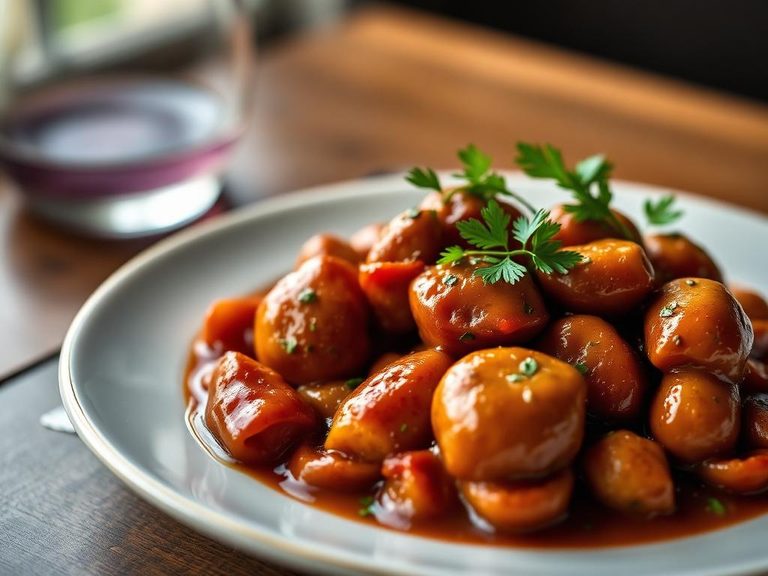
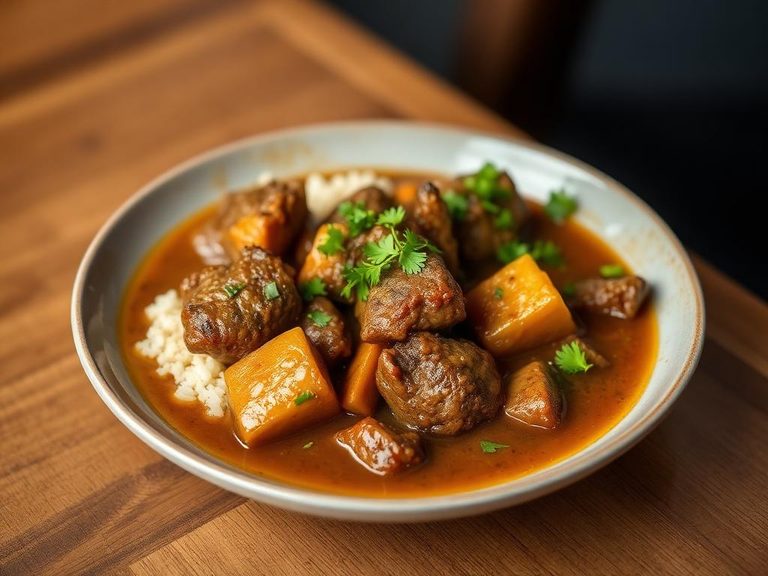
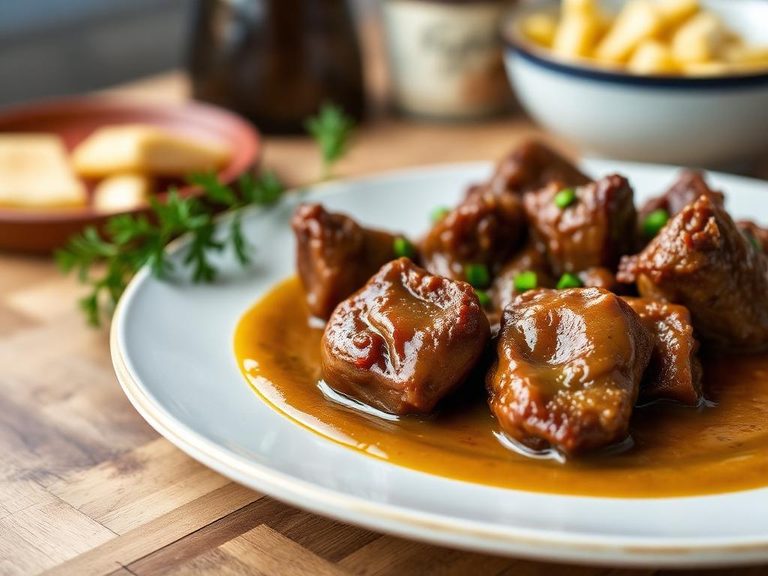
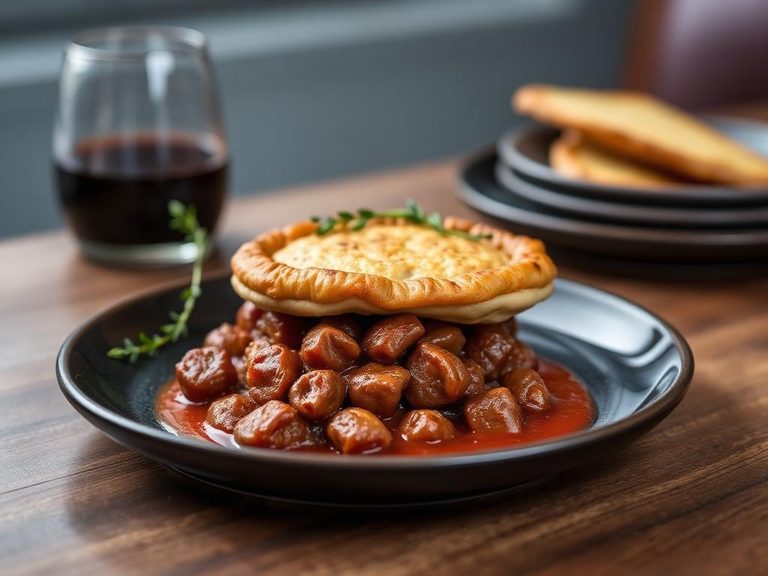
🍽️ Popular dishes
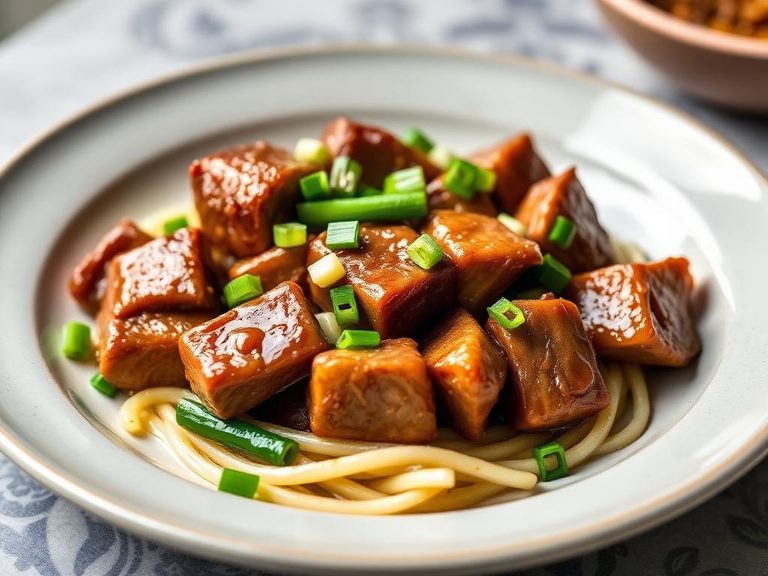
🌍 Where it's eaten
💡 Did you know?
Lamb kidneys have a unique two-lobed structure, and each lobe contains a small, waxy fat deposit called 'suet' that melts during cooking to baste the meat from within.
Full nutrition (USDA data · scales with serving)
| Water | 70.5 g |
| Energy | 137 kcal |
| Energy | 573 kj |
| Protein | 23.6 g |
| Total lipid (fat) | 3.6 g |
| Ash | 1.3 g |
| Carbohydrate, by difference | 0.99 g |
| Fiber, total dietary | 0.00 g |
| Calcium, Ca | 18.0 mg |
| Iron, Fe | 12.4 mg |
| Magnesium, Mg | 20.0 mg |
| Phosphorus, P | 290 mg |
| Potassium, K | 178 mg |
| Sodium, Na | 151 mg |
| Zinc, Zn | 3.8 mg |
| Copper, Cu | 0.37 mg |
| Manganese, Mn | 0.14 mg |
| Selenium, Se | 219 ug |
| Vitamin C, total ascorbic acid | 12.0 mg |
| Thiamin | 0.35 mg |
| Riboflavin | 2.1 mg |
| Niacin | 6.0 mg |
| Pantothenic acid | 2.0 mg |
| Vitamin B-6 | 0.12 mg |
| Folate, total | 81.0 ug |
| Folic acid | 0.00 ug |
| Folate, food | 81.0 ug |
| Folate, DFE | 81.0 ug |
| Vitamin B-12 | 78.9 ug |
| Vitamin A, RAE | 137 ug |
| Retinol | 137 ug |
| Vitamin A, IU | 455 iu |
Fat & fatty acid profile (per 100g)
| Fatty acids, total saturated | 1.2 g |
| SFA 12:0 | 0.01 g |
| SFA 14:0 | 0.04 g |
| SFA 16:0 | 0.51 g |
| SFA 18:0 | 0.63 g |
| Fatty acids, total monounsaturated | 0.77 g |
| MUFA 16:1 | 0.05 g |
| MUFA 18:1 | 0.68 g |
| MUFA 20:1 | 0.00 g |
| MUFA 22:1 | 0.01 g |
| Fatty acids, total polyunsaturated | 0.67 g |
| PUFA 18:2 | 0.26 g |
| PUFA 18:3 | 0.09 g |
| PUFA 20:4 | 0.17 g |
| PUFA 20:5 n-3 (EPA) | 0.06 g |
| PUFA 22:5 n-3 (DPA) | 0.05 g |
| PUFA 22:6 n-3 (DHA) | 0.04 g |
| Cholesterol | 565 mg |
Amino acid profile (per 100g)
| Tryptophan | 0.32 g |
| Threonine | 1.1 g |
| Isoleucine | 0.94 g |
| Leucine | 1.8 g |
| Lysine | 1.5 g |
| Methionine | 0.48 g |
| Cystine | 0.27 g |
| Phenylalanine | 1.1 g |
| Tyrosine | 0.83 g |
| Valine | 1.4 g |
| Arginine | 1.4 g |
| Histidine | 0.59 g |
| Alanine | 1.3 g |
| Aspartic acid | 2.0 g |
| Glutamic acid | 2.6 g |
| Glycine | 1.4 g |
| Proline | 1.2 g |
| Serine | 1.1 g |
FAQ
How do I prepare lamb kidneys before cooking?
Rinse them thoroughly, then carefully trim away the central white fat core and any tough membranes. Soaking in cold milk or water for 1-2 hours can help mellow the strong flavor.
What is the best cooking method for lamb kidneys?
Braising or stewing is ideal, as the slow, moist heat breaks down connective tissue and ensures tenderness. Quick methods like stir-frying require very precise timing to avoid a rubbery texture.
Are lamb kidneys high in cholesterol?
Yes, like most organ meats, they are relatively high in dietary cholesterol. However, for most healthy individuals, dietary cholesterol has a minimal impact on blood cholesterol levels compared to saturated and trans fats.
Nutrient density (calculated · NRF9.3)
Nutrient Rich Foods index: beneficial nutrients (protein, fiber, vitamins, minerals) minus saturated fat, added sugar & sodium, per 100 kcal.
NRF9.3 index — Fulgoni, Keast & Drewnowski, 2009. Computed from USDA nutrients.
Weight-loss friendliness (composite index)
Energy density 1.37 kcal/g · 69% calories from protein · 0.0 g fiber · 0.0 g sugar per 100 g.
Composite of energy density (Rolls et al., 1999), protein & fiber satiety, minus sugar. A calculated heuristic — ranks satiety-per-calorie, not a clinical measure.
Dietary load (calculated from USDA values)
Potential renal acid load. Positive = acid-forming, negative = alkaline-forming.
Sodium-to-potassium ratio: 0.85 (lower is better — aim for ≤ 1)
Sodium:potassium per WHO potassium guidance. Computed from USDA nutrients.