

Lamb, shoulder, whole (arm and blade), separable lean and fat, trimmed to 1/4" fat, choice, cooked, broiled
Whole food · Lamb, Veal, and Game Products
This is a succulent, well-marbled cut from the lamb's shoulder, known for its rich, deep flavor and tender, juicy texture when cooked properly. The high fat content, trimmed to a quarter-inch, bastes the meat from within during broiling, resulting in a beautifully caramelized exterior and a moist interior. Nutritionally, it's a powerhouse of high-quality protein and provides essential minerals like iron and zinc.
Calorie split: 36% protein · 0% carbs · 64% fat
↓ Full nutrition💚 Why it's loved
People adore it for its robust, savory flavor that's more intense than leaner cuts, making it a centerpiece for hearty meals. Its versatility shines in everything from slow-roasted feasts to quick, high-heat grilling, embodying comfort food across many cultures.
⚠️ Watch-outs & how to enjoy it better
The high fat content makes it a calorie-dense choice, which may be a concern for those monitoring energy intake. To enjoy it mindfully, practice portion control and pair it with large servings of non-starchy vegetables like roasted broccoli or a fresh salad to add fiber and balance the meal.
Key benefits
- Excellent source of complete protein for muscle maintenance.
- Rich in heme iron, which is highly absorbable.
- Provides zinc, crucial for immune function.
- Contains conjugated linoleic acid (CLA), a type of healthy fat.
- Good source of B vitamins, especially B12.
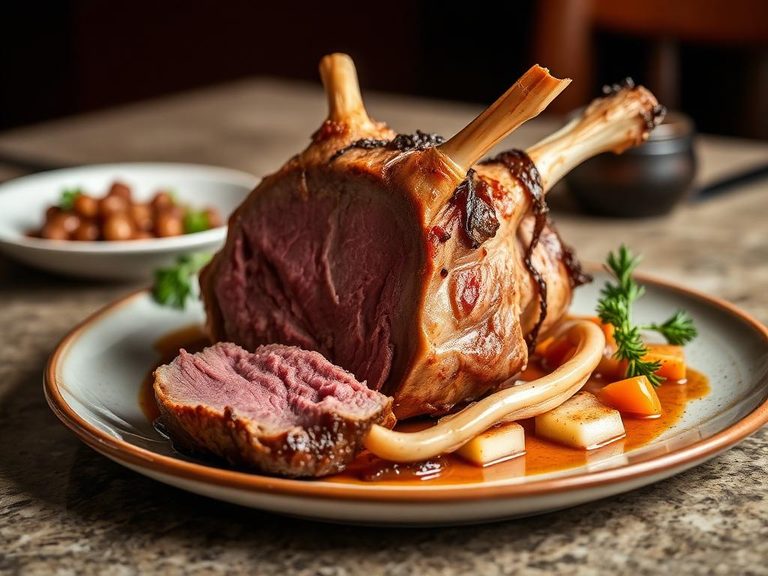
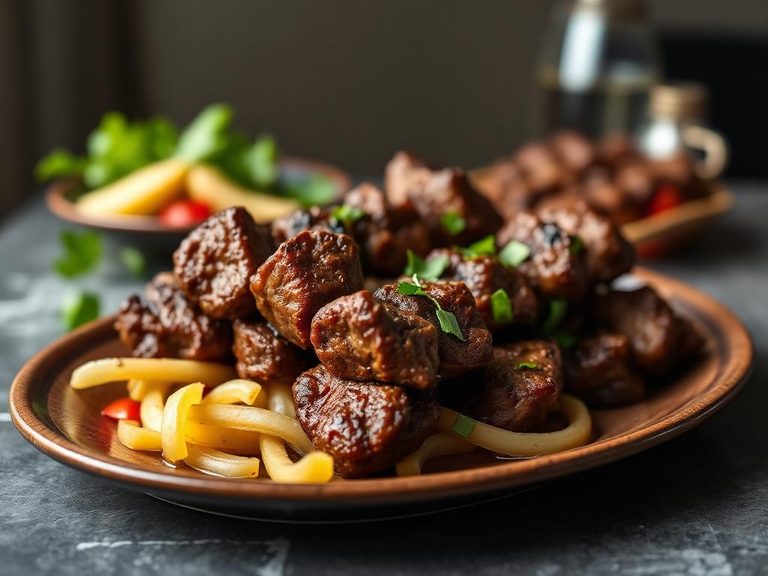
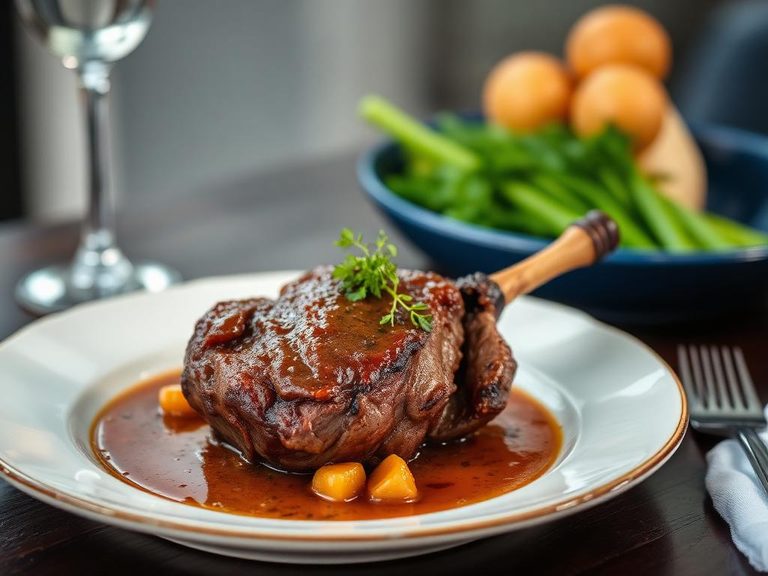
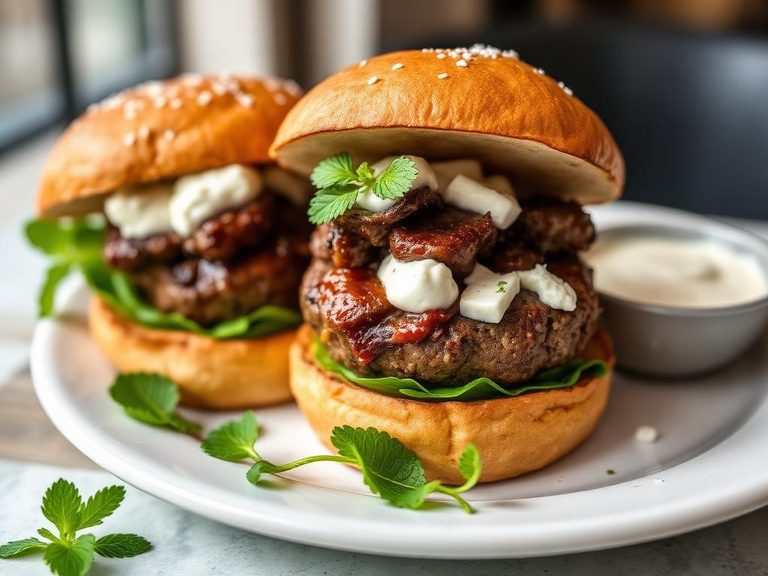
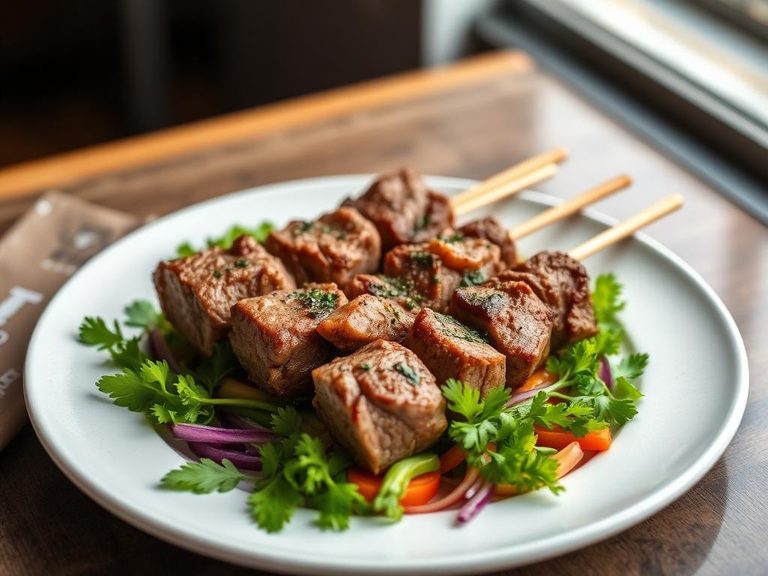
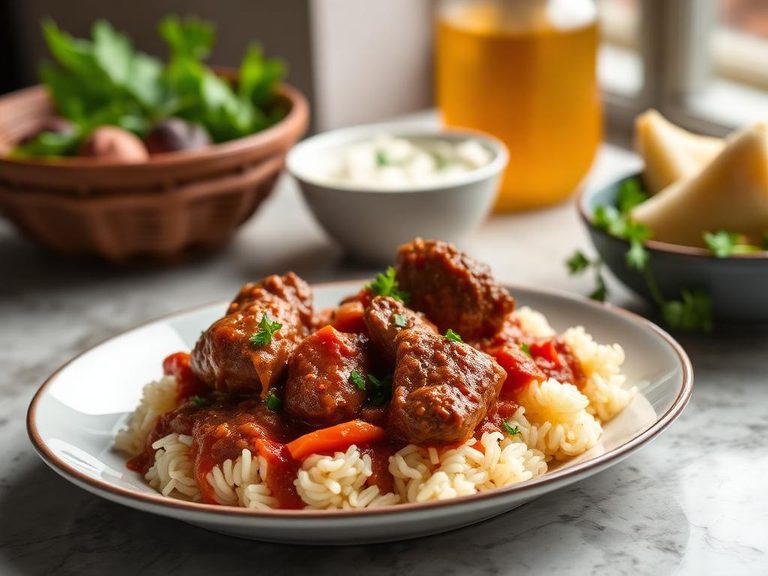
🍽️ Popular dishes
🌍 Where it's eaten
💡 Did you know?
The shoulder is one of the most exercised muscles on the lamb, which is why it benefits immensely from slow, moist cooking methods that break down its abundant connective tissue into gelatin, creating that signature melt-in-the-mouth texture.
Full nutrition (USDA data · scales with serving)
| Water | 55.0 g |
| Energy | 278 kcal |
| Energy | 1163 kj |
| Protein | 24.4 g |
| Total lipid (fat) | 19.3 g |
| Ash | 1.3 g |
| Carbohydrate, by difference | 0.00 g |
| Fiber, total dietary | 0.00 g |
| Calcium, Ca | 21.0 mg |
| Iron, Fe | 2.0 mg |
| Magnesium, Mg | 26.0 mg |
| Phosphorus, P | 198 mg |
| Potassium, K | 301 mg |
| Sodium, Na | 78.0 mg |
| Zinc, Zn | 5.7 mg |
| Copper, Cu | 0.13 mg |
| Manganese, Mn | 0.02 mg |
| Selenium, Se | 27.4 ug |
| Vitamin C, total ascorbic acid | 0.00 mg |
| Thiamin | 0.09 mg |
| Riboflavin | 0.26 mg |
| Niacin | 6.5 mg |
| Pantothenic acid | 0.67 mg |
| Vitamin B-6 | 0.12 mg |
| Folate, total | 19.0 ug |
| Folic acid | 0.00 ug |
| Folate, food | 19.0 ug |
| Folate, DFE | 19.0 ug |
| Vitamin B-12 | 3.0 ug |
| Vitamin A, RAE | 0.00 ug |
| Retinol | 0.00 ug |
| Vitamin A, IU | 0.00 iu |
| Vitamin E (alpha-tocopherol) | 0.16 mg |
Fat & fatty acid profile (per 100g)
| Fatty acids, total saturated | 8.0 g |
| SFA 10:0 | 0.05 g |
| SFA 12:0 | 0.08 g |
| SFA 14:0 | 0.70 g |
| SFA 16:0 | 4.1 g |
| SFA 18:0 | 2.6 g |
| Fatty acids, total monounsaturated | 7.9 g |
| MUFA 16:1 | 0.57 g |
| MUFA 18:1 | 7.1 g |
| Fatty acids, total polyunsaturated | 1.6 g |
| PUFA 18:2 | 1.2 g |
| PUFA 18:3 | 0.32 g |
| PUFA 20:4 | 0.09 g |
| Cholesterol | 97.0 mg |
Amino acid profile (per 100g)
| Tryptophan | 0.28 g |
| Threonine | 1.0 g |
| Isoleucine | 1.2 g |
| Leucine | 1.9 g |
| Lysine | 2.2 g |
| Methionine | 0.63 g |
| Cystine | 0.29 g |
| Phenylalanine | 0.99 g |
| Tyrosine | 0.82 g |
| Valine | 1.3 g |
| Arginine | 1.5 g |
| Histidine | 0.77 g |
| Alanine | 1.5 g |
| Aspartic acid | 2.1 g |
| Glutamic acid | 3.5 g |
| Glycine | 1.2 g |
| Proline | 1.0 g |
| Serine | 0.91 g |
FAQ
What's the best way to cook lamb shoulder to make it tender?
Slow, moist cooking methods are ideal. Braising, stewing, or slow-roasting at a low temperature for several hours allows the collagen to melt, resulting in fork-tender meat. High-heat methods like broiling work well for smaller, thinner portions.
How does the flavor compare to lamb leg?
Lamb shoulder has a richer, more pronounced 'lamb' flavor and is generally fattier than leg of lamb. Leg meat is leaner and milder, making it more versatile for those new to lamb.
Is the fat on lamb shoulder healthy to eat?
Lamb fat is primarily saturated fat, so moderation is key. However, it contains beneficial nutrients like CLA. Trimming excess visible fat before cooking and draining rendered fat after cooking can reduce overall fat content.
Nutrient density (calculated · NRF9.3)
Nutrient Rich Foods index: beneficial nutrients (protein, fiber, vitamins, minerals) minus saturated fat, added sugar & sodium, per 100 kcal.
NRF9.3 index — Fulgoni, Keast & Drewnowski, 2009. Computed from USDA nutrients.
Weight-loss friendliness (composite index)
Energy density 2.78 kcal/g · 35% calories from protein · 0.0 g fiber · 0.0 g sugar per 100 g.
Composite of energy density (Rolls et al., 1999), protein & fiber satiety, minus sugar. A calculated heuristic — ranks satiety-per-calorie, not a clinical measure.
Dietary load (calculated from USDA values)
Potential renal acid load. Positive = acid-forming, negative = alkaline-forming.
Sodium-to-potassium ratio: 0.26 (lower is better — aim for ≤ 1)
Sodium:potassium per WHO potassium guidance. Computed from USDA nutrients.