

Lamb, shoulder, arm, separable lean and fat, trimmed to 1/8" fat, cooked, broiled
Whole food · Lamb, Veal, and Game Products
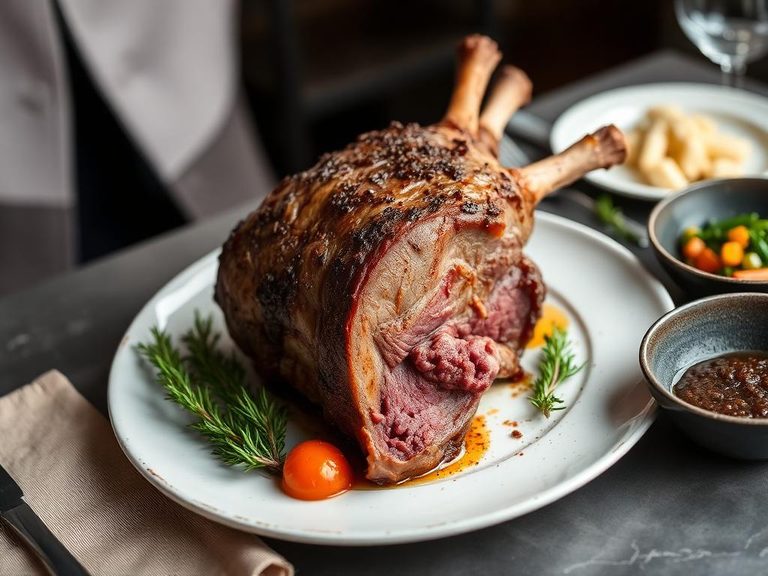
This cut of lamb is the robust, flavorful shoulder arm, broiled to a savory finish with a satisfying balance of lean meat and a thin, flavorful fat cap. Its texture is tender yet substantial, with a rich, meaty taste that is slightly more intense than loin. With nearly 25g of protein and zero carbs, it's a powerhouse for muscle maintenance and satiety.
Calorie split: 38% protein · 0% carbs · 62% fat
↓ Full nutrition💚 Why it's loved
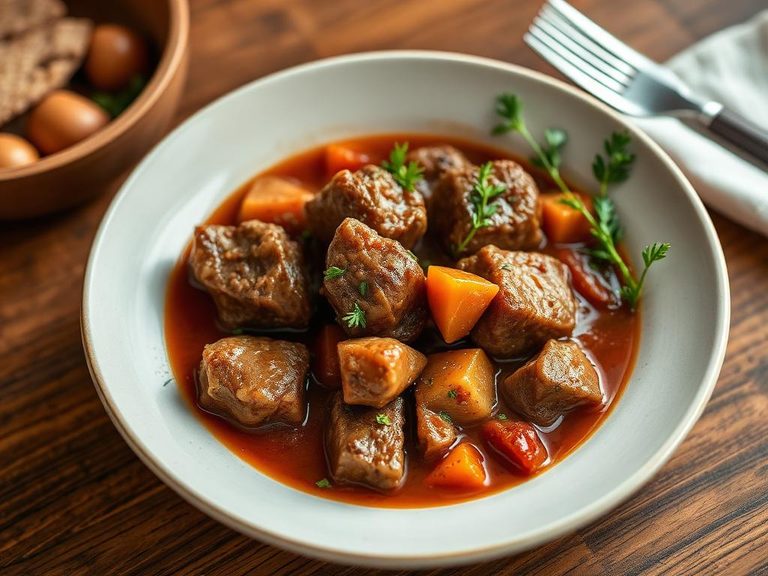
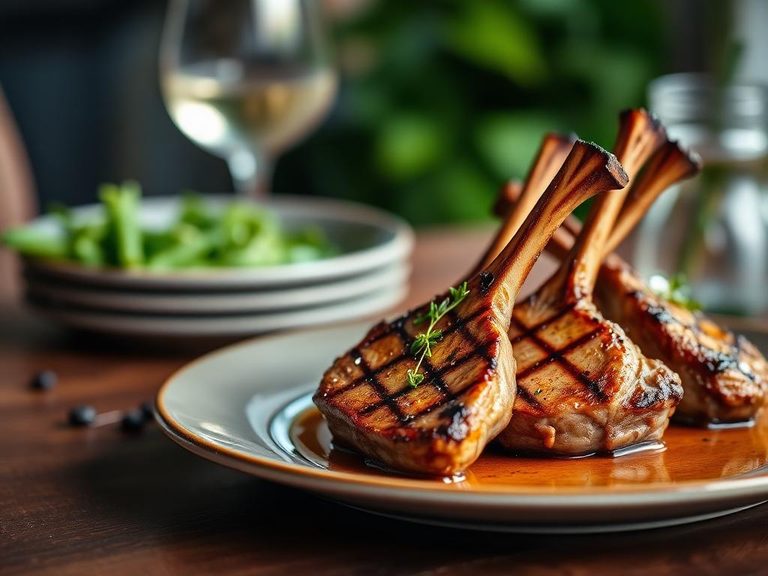
People adore it for its deep, robust lamb flavor that is richer and more complex than leaner cuts, with a satisfying, tender texture when broiled correctly. It's incredibly versatile, serving as the star in hearty roasts, stews, or simply grilled with herbs, and is a cornerstone of celebratory meals in many cultures.
⚠️ Watch-outs & how to enjoy it better
The higher fat content, while flavorful, can be a concern for those monitoring saturated fat intake or managing cholesterol levels. To counteract, practice portion control (stick to the recommended serving) and pair it with fiber-rich, non-starchy vegetables like roasted broccoli or a large salad to balance the meal and slow digestion. For those sensitive to red meat, ensure it's cooked to the proper internal temperature to minimize any digestive discomfort.
Key benefits
- Excellent source of complete protein for muscle repair and growth.
- Rich in bioavailable heme iron, supporting oxygen transport in the blood.
- Provides essential B vitamins, particularly B12 and niacin, for energy metabolism.
- Contains zinc, which is crucial for immune function and wound healing.
- Naturally carb-free, making it suitable for low-carb and ketogenic diets.
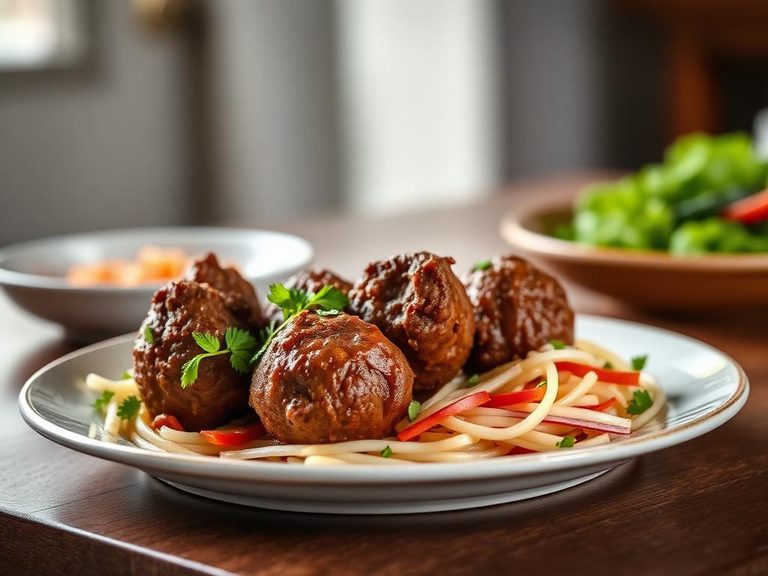
🍽️ Popular dishes
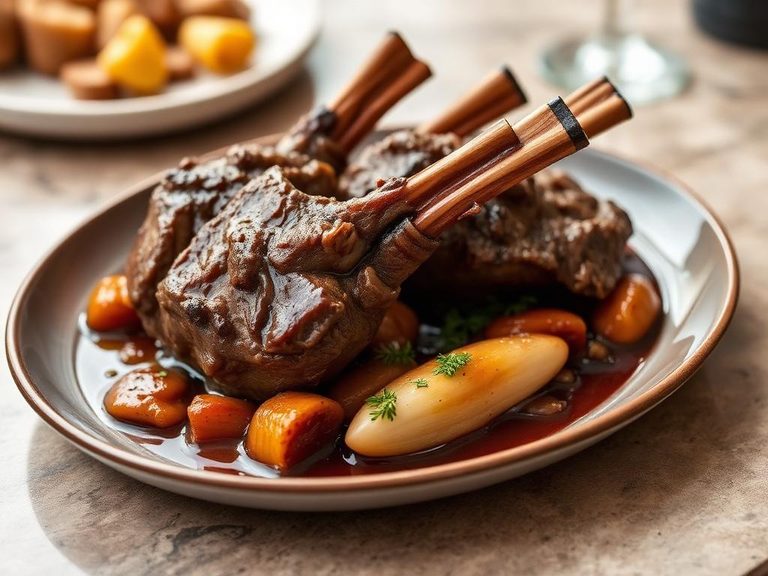
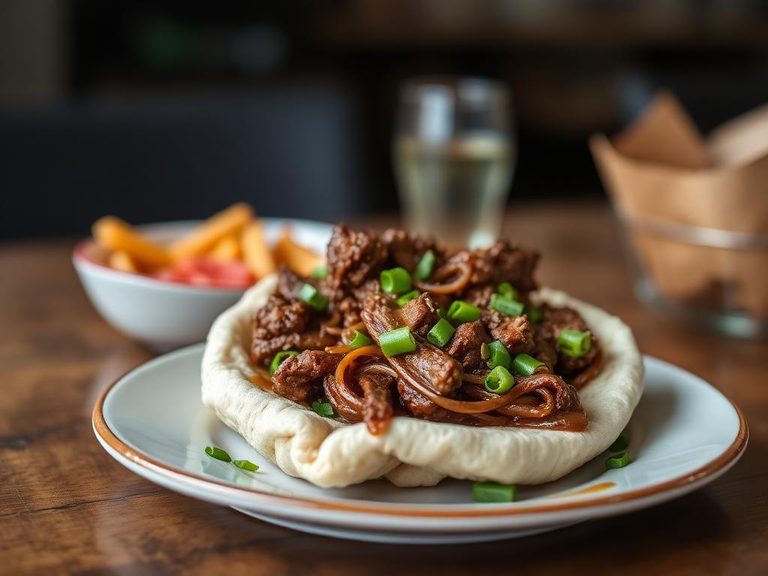
🌍 Where it's eaten
💡 Did you know?
The shoulder is one of the most exercised muscles on the lamb, which is why it contains more connective tissue (collagen) that breaks down into rich, flavorful gelatin during slow cooking, making it exceptionally tender and succulent.
Full nutrition (USDA data · scales with serving)
| Water | 55.8 g |
| Energy | 269 kcal |
| Energy | 1125 kj |
| Protein | 24.9 g |
| Total lipid (fat) | 18.1 g |
| Ash | 1.3 g |
| Carbohydrate, by difference | 0.00 g |
| Fiber, total dietary | 0.00 g |
| Calcium, Ca | 18.0 mg |
| Iron, Fe | 2.1 mg |
| Magnesium, Mg | 27.0 mg |
| Phosphorus, P | 200 mg |
| Potassium, K | 314 mg |
| Sodium, Na | 78.0 mg |
| Zinc, Zn | 5.0 mg |
| Copper, Cu | 0.14 mg |
| Manganese, Mn | 0.02 mg |
| Selenium, Se | 28.1 ug |
| Vitamin C, total ascorbic acid | 0.00 mg |
| Thiamin | 0.10 mg |
| Riboflavin | 0.27 mg |
| Niacin | 7.0 mg |
| Pantothenic acid | 0.68 mg |
| Vitamin B-6 | 0.12 mg |
| Folate, total | 19.0 ug |
| Folic acid | 0.00 ug |
| Folate, food | 19.0 ug |
| Folate, DFE | 19.0 ug |
| Vitamin B-12 | 2.9 ug |
| Vitamin A, RAE | 0.00 ug |
| Retinol | 0.00 ug |
| Vitamin A, IU | 0.00 iu |
Fat & fatty acid profile (per 100g)
| Fatty acids, total saturated | 7.7 g |
| SFA 10:0 | 0.04 g |
| SFA 12:0 | 0.07 g |
| SFA 14:0 | 0.68 g |
| SFA 16:0 | 3.9 g |
| SFA 18:0 | 2.4 g |
| Fatty acids, total monounsaturated | 7.4 g |
| MUFA 16:1 | 0.53 g |
| MUFA 18:1 | 6.6 g |
| MUFA 20:1 | 0.00 g |
| Fatty acids, total polyunsaturated | 1.5 g |
| PUFA 18:2 | 1.1 g |
| PUFA 18:3 | 0.31 g |
| PUFA 20:4 | 0.08 g |
| Cholesterol | 96.0 mg |
Amino acid profile (per 100g)
| Tryptophan | 0.29 g |
| Threonine | 1.1 g |
| Isoleucine | 1.2 g |
| Leucine | 1.9 g |
| Lysine | 2.2 g |
| Methionine | 0.64 g |
| Cystine | 0.30 g |
| Phenylalanine | 1.0 g |
| Tyrosine | 0.84 g |
| Valine | 1.3 g |
| Arginine | 1.5 g |
| Histidine | 0.79 g |
| Alanine | 1.5 g |
| Aspartic acid | 2.2 g |
| Glutamic acid | 3.6 g |
| Glycine | 1.2 g |
| Proline | 1.0 g |
| Serine | 0.93 g |
FAQ
Is lamb shoulder a lean cut of meat?
No, it's considered a fattier cut, especially compared to loin or leg. The 'separable lean and fat' designation means it includes both, providing more flavor but also more calories and fat per gram.
How should I cook this cut to keep it tender?
Broiling is great for a quick sear, but for maximum tenderness, consider slow-cooking methods like braising or roasting at a low temperature, which breaks down the connective tissue in the shoulder.
What's the best way to store cooked lamb shoulder?
Store in an airtight container in the refrigerator for up to 3-4 days. For longer storage, freeze for up to 3 months. Always reheat to an internal temperature of 165°F (74°C) for safety.
Nutrient density (calculated · NRF9.3)
Nutrient Rich Foods index: beneficial nutrients (protein, fiber, vitamins, minerals) minus saturated fat, added sugar & sodium, per 100 kcal.
NRF9.3 index — Fulgoni, Keast & Drewnowski, 2009. Computed from USDA nutrients.
Weight-loss friendliness (composite index)
Energy density 2.69 kcal/g · 37% calories from protein · 0.0 g fiber · 0.0 g sugar per 100 g.
Composite of energy density (Rolls et al., 1999), protein & fiber satiety, minus sugar. A calculated heuristic — ranks satiety-per-calorie, not a clinical measure.
Dietary load (calculated from USDA values)
Potential renal acid load. Positive = acid-forming, negative = alkaline-forming.
Sodium-to-potassium ratio: 0.25 (lower is better — aim for ≤ 1)
Sodium:potassium per WHO potassium guidance. Computed from USDA nutrients.