

Lamb, shoulder, arm, separable lean and fat, trimmed to 1/4" fat, choice, cooked, roasted
Whole food · Lamb, Veal, and Game Products
This is a cut of lamb from the upper front leg, offering a balance of rich, meaty flavor and tender texture when roasted. With over 22g of protein per 100g and zero carbohydrates, it's a powerhouse for muscle maintenance and a staple for low-carb diets. The marbling of fat ensures juiciness and a deep, savory taste that defines classic roasted lamb.
Calorie split: 33% protein · 0% carbs · 67% fat
↓ Full nutrition💚 Why it's loved
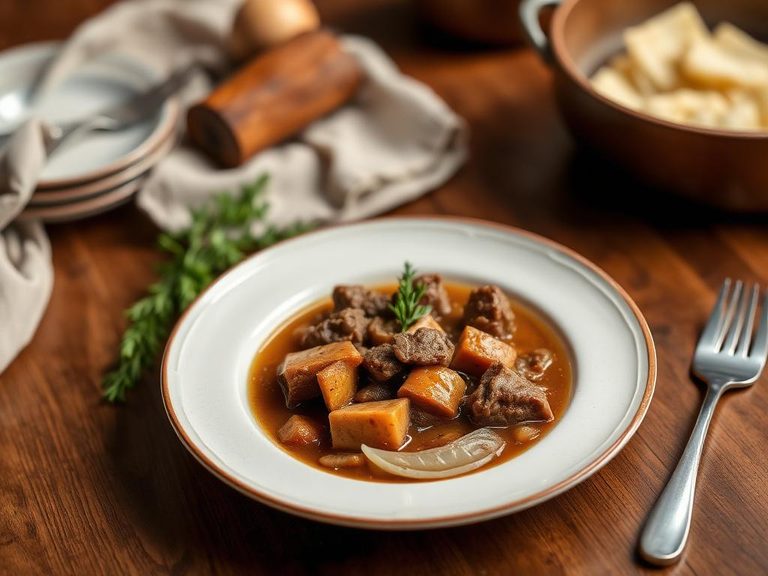
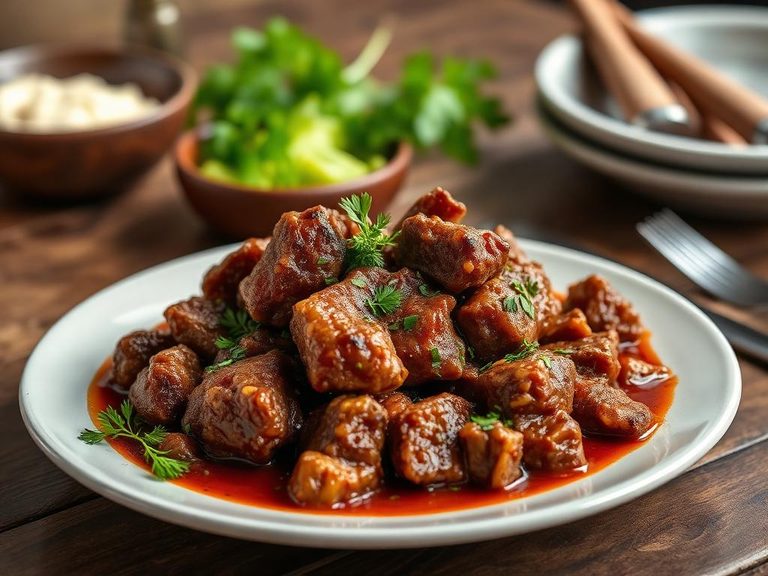
People cherish this cut for its robust, distinctive flavor that stands up to bold herbs like rosemary and garlic, making it a celebratory centerpiece. Its versatility allows it to be braised until fork-tender or roasted to a perfect medium-rare, fitting both rustic family meals and elegant dinners.
⚠️ Watch-outs & how to enjoy it better
The significant fat content, while flavorful, makes it a high-calorie choice and may be unsuitable for strict low-fat diets. To manage intake, trim visible fat before cooking and practice portion control. Pairing it with fiber-rich vegetables like roasted root vegetables or a fresh salad can help create a more balanced meal.
Key benefits
- Excellent source of complete protein for muscle repair and satiety.
- Provides essential minerals like zinc and selenium for immune function.
- Rich in B vitamins, particularly B12 and niacin, for energy metabolism.
- Contains heme iron, which is more easily absorbed than plant-based iron.
- Naturally free of carbohydrates and sugars.
🍽️ Popular dishes
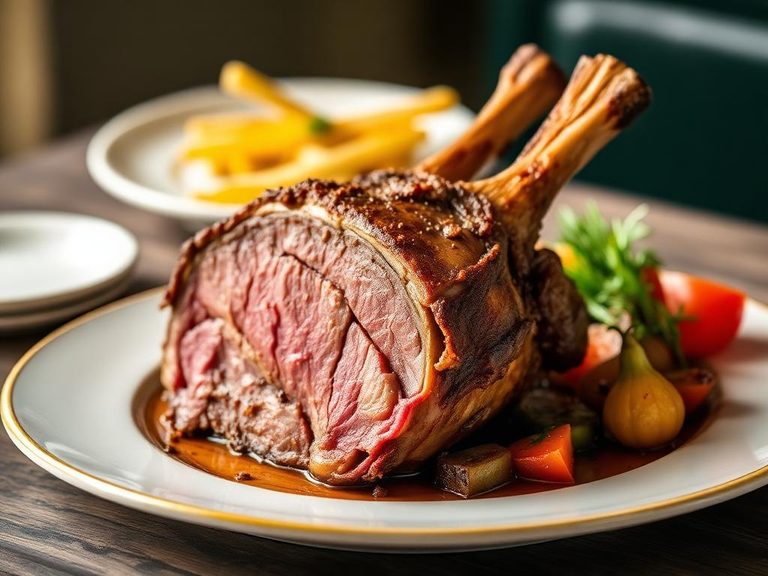
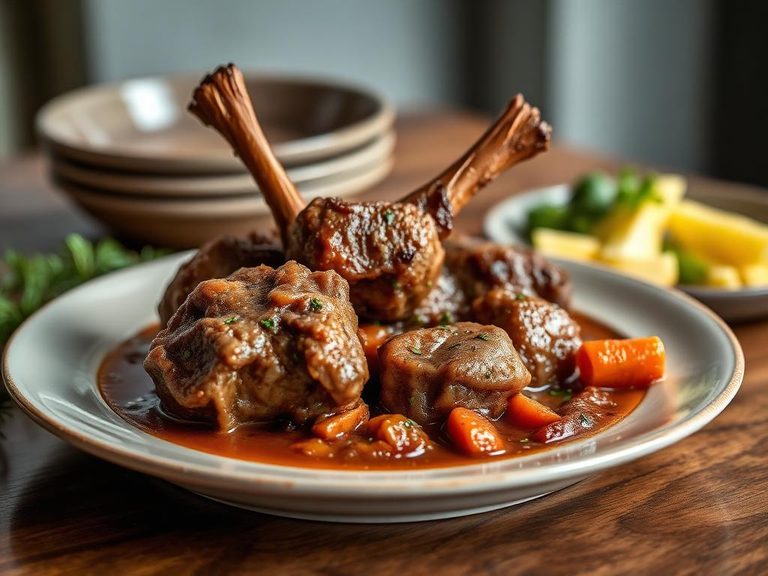
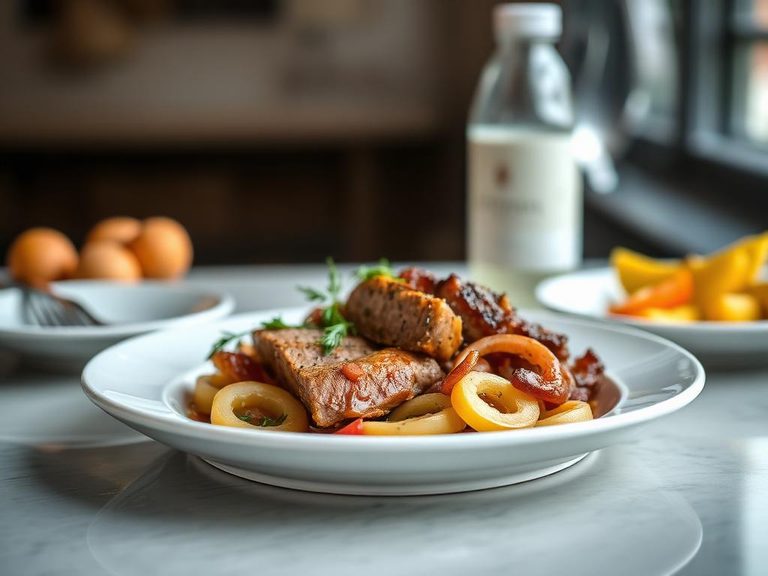
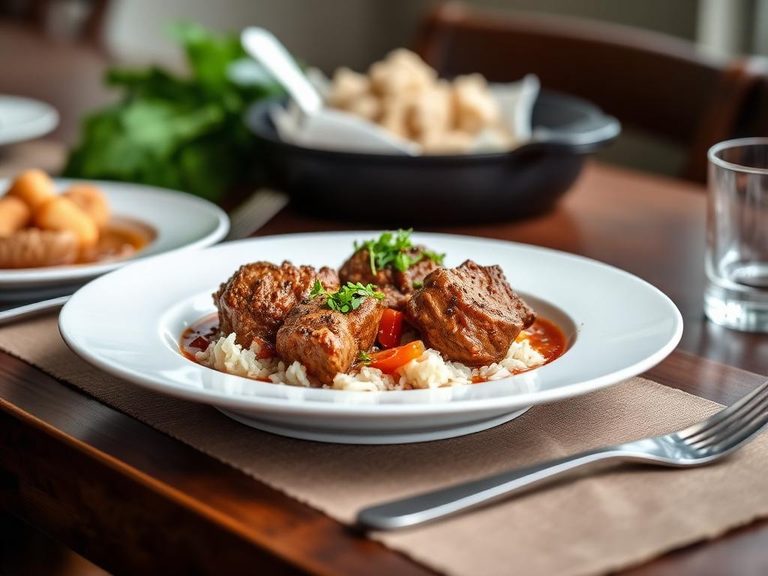
🌍 Where it's eaten
💡 Did you know?
The 'arm' in its name refers to the specific muscle group it comes from—the shoulder blade and surrounding tissue—which is one of the most exercised parts of the animal, contributing to its deep flavor.
Full nutrition (USDA data · scales with serving)
| Water | 55.9 g |
| Energy | 279 kcal |
| Energy | 1167 kj |
| Protein | 22.5 g |
| Total lipid (fat) | 20.2 g |
| Ash | 1.2 g |
| Carbohydrate, by difference | 0.00 g |
| Fiber, total dietary | 0.00 g |
| Calcium, Ca | 18.0 mg |
| Iron, Fe | 2.0 mg |
| Magnesium, Mg | 23.0 mg |
| Phosphorus, P | 183 mg |
| Potassium, K | 259 mg |
| Sodium, Na | 65.0 mg |
| Zinc, Zn | 4.5 mg |
| Copper, Cu | 0.11 mg |
| Manganese, Mn | 0.02 mg |
| Selenium, Se | 25.4 ug |
| Vitamin C, total ascorbic acid | 0.00 mg |
| Thiamin | 0.09 mg |
| Riboflavin | 0.25 mg |
| Niacin | 6.7 mg |
| Pantothenic acid | 0.71 mg |
| Vitamin B-6 | 0.12 mg |
| Folate, total | 20.0 ug |
| Folic acid | 0.00 ug |
| Folate, food | 20.0 ug |
| Folate, DFE | 20.0 ug |
| Vitamin B-12 | 2.5 ug |
| Vitamin A, RAE | 0.00 ug |
| Retinol | 0.00 ug |
| Vitamin A, IU | 0.00 iu |
| Vitamin E (alpha-tocopherol) | 0.14 mg |
Fat & fatty acid profile (per 100g)
| Fatty acids, total saturated | 8.7 g |
| SFA 10:0 | 0.05 g |
| SFA 12:0 | 0.09 g |
| SFA 14:0 | 0.79 g |
| SFA 16:0 | 4.4 g |
| SFA 18:0 | 2.8 g |
| Fatty acids, total monounsaturated | 8.3 g |
| MUFA 16:1 | 0.59 g |
| MUFA 18:1 | 7.5 g |
| Fatty acids, total polyunsaturated | 1.6 g |
| PUFA 18:2 | 1.2 g |
| PUFA 18:3 | 0.36 g |
| PUFA 20:4 | 0.07 g |
| Cholesterol | 92.0 mg |
Amino acid profile (per 100g)
| Tryptophan | 0.26 g |
| Threonine | 0.96 g |
| Isoleucine | 1.1 g |
| Leucine | 1.8 g |
| Lysine | 2.0 g |
| Methionine | 0.58 g |
| Cystine | 0.27 g |
| Phenylalanine | 0.92 g |
| Tyrosine | 0.76 g |
| Valine | 1.2 g |
| Arginine | 1.3 g |
| Histidine | 0.71 g |
| Alanine | 1.4 g |
| Aspartic acid | 2.0 g |
| Glutamic acid | 3.3 g |
| Glycine | 1.1 g |
| Proline | 0.94 g |
| Serine | 0.84 g |
FAQ
What's the difference between lamb shoulder and leg?
Shoulder (including the arm) has more connective tissue and fat, making it ideal for slow, moist cooking methods like braising to become tender. Leg is leaner and more uniform, making it better suited for roasting or grilling to medium-rare.
How do I prevent it from drying out when roasting?
Use a roasting rack, baste frequently with its own juices or a marinade, and consider a slow-roasting method. Letting it rest for 10-15 minutes after cooking is crucial to allow juices to redistribute.
Is the fat on lamb shoulder unhealthy?
Lamb fat is primarily saturated fat, which should be consumed in moderation. However, it also contains monounsaturated fats. Trimming excess fat before cooking and draining rendered fat after cooking can significantly reduce the saturated fat content of your meal.
Nutrient density (calculated · NRF9.3)
Nutrient Rich Foods index: beneficial nutrients (protein, fiber, vitamins, minerals) minus saturated fat, added sugar & sodium, per 100 kcal.
NRF9.3 index — Fulgoni, Keast & Drewnowski, 2009. Computed from USDA nutrients.
Weight-loss friendliness (composite index)
Energy density 2.79 kcal/g · 32% calories from protein · 0.0 g fiber · 0.0 g sugar per 100 g.
Composite of energy density (Rolls et al., 1999), protein & fiber satiety, minus sugar. A calculated heuristic — ranks satiety-per-calorie, not a clinical measure.
Dietary load (calculated from USDA values)
Potential renal acid load. Positive = acid-forming, negative = alkaline-forming.
Sodium-to-potassium ratio: 0.25 (lower is better — aim for ≤ 1)
Sodium:potassium per WHO potassium guidance. Computed from USDA nutrients.