

Lamb, leg, whole (shank and sirloin), separable lean and fat, trimmed to 1/8" fat, choice, cooked, roasted
Whole food · Lamb, Veal, and Game Products

Photo: Wikipedia
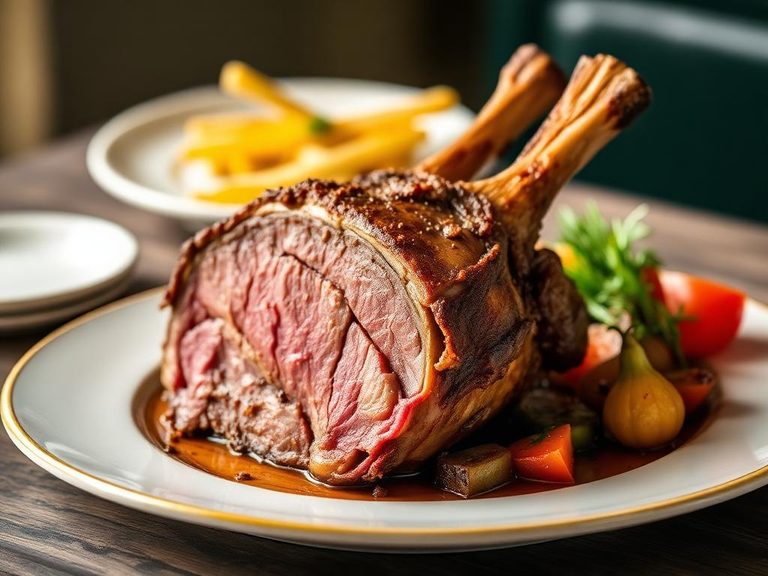
This is a richly flavored cut of roasted lamb leg, combining lean meat with a thin, flavorful layer of fat that bastes the meat during cooking. It offers a tender, succulent texture with a robust, slightly gamey taste that deepens with roasting. Nutritionally, it's a powerhouse of high-quality protein and healthy fats, with zero carbohydrates, making it ideal for low-carb or ketogenic diets.
Calorie split: 45% protein · 0% carbs · 55% fat
↓ Full nutrition💚 Why it's loved
People adore this cut for its deep, savory flavor and succulent, melt-in-the-mouth texture when roasted properly. It's a centerpiece of celebratory meals across many cultures, symbolizing generosity and tradition.
⚠️ Watch-outs & how to enjoy it better
The fat content, while flavorful, can be a concern for those monitoring saturated fat intake or with specific heart health conditions. To mitigate this, trim the fat layer more aggressively before cooking or choose a leaner cut like leg of lamb shank. Pairing it with fiber-rich vegetables like roasted root vegetables or a fresh salad can also help balance the meal.
Key benefits
- Excellent source of high-quality protein for muscle maintenance and satiety.
- Rich in iron and zinc, essential minerals for immune function and energy metabolism.
- Provides healthy monounsaturated fats, including oleic acid, similar to olive oil.
- Zero carbohydrates, making it suitable for ketogenic, paleo, and low-carb diets.
- Contains B vitamins, particularly B12, crucial for nerve function and red blood cell formation.
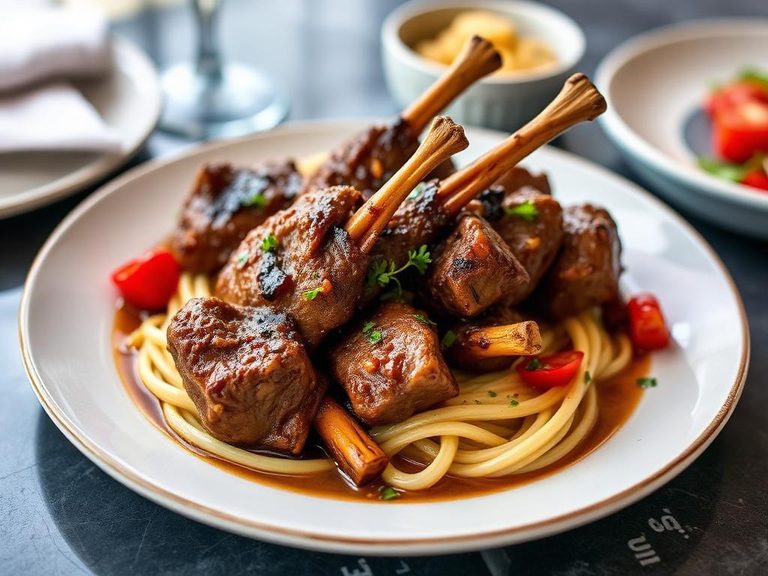
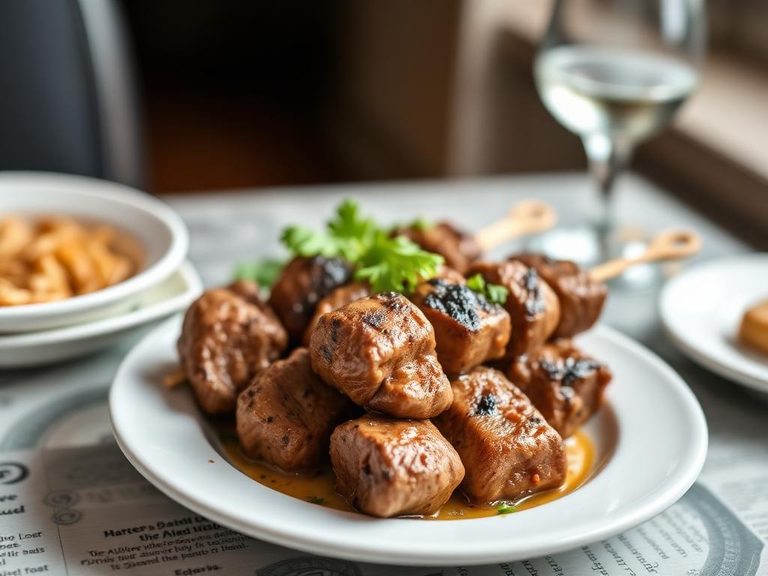
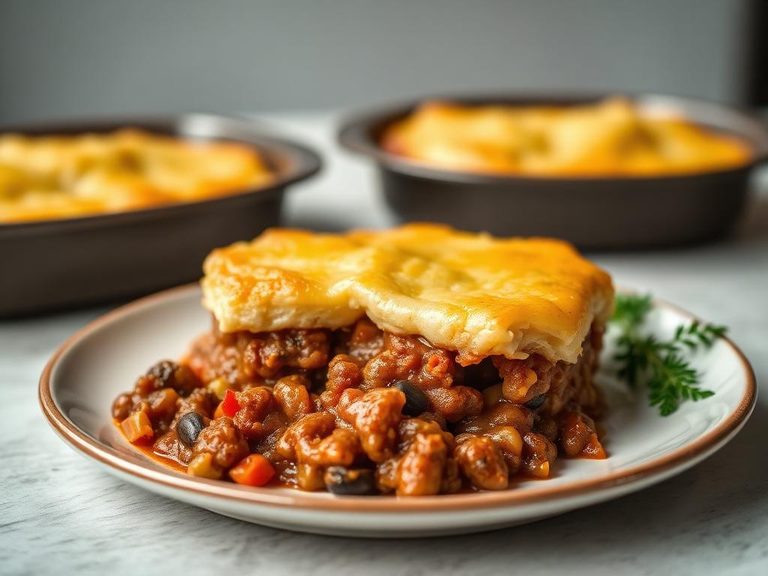
🍽️ Popular dishes
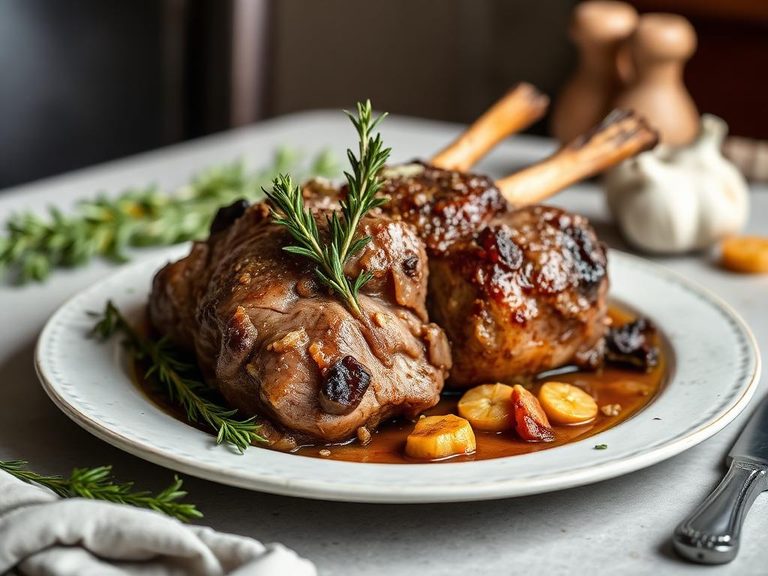
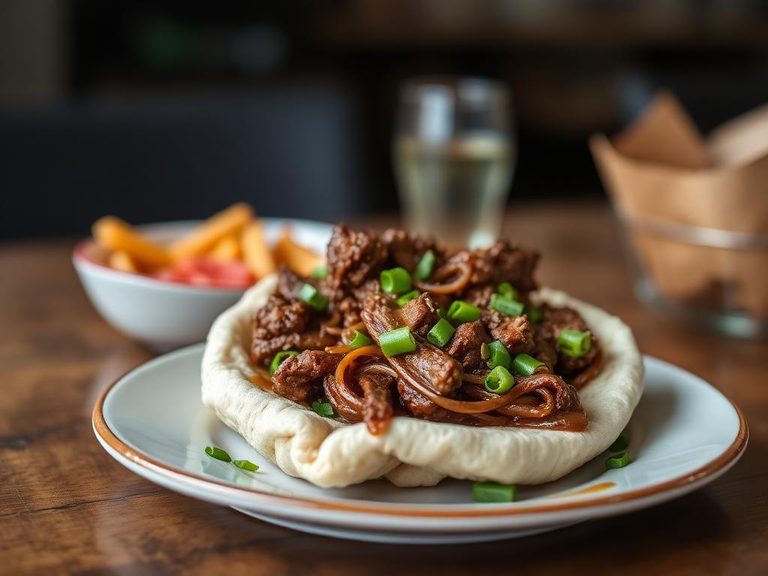
🌍 Where it's eaten
💡 Did you know?
Lamb leg is one of the few meats where the fat cap is often intentionally left on during roasting to self-baste the meat, a technique called 'barding' in classical French cooking.
Full nutrition (USDA data · scales with serving)
| Water | 59.0 g |
| Energy | 242 kcal |
| Energy | 1013 kj |
| Protein | 26.2 g |
| Total lipid (fat) | 14.4 g |
| Ash | 1.0 g |
| Carbohydrate, by difference | 0.00 g |
| Fiber, total dietary | 0.00 g |
| Calcium, Ca | 10.0 mg |
| Iron, Fe | 2.0 mg |
| Magnesium, Mg | 24.0 mg |
| Phosphorus, P | 194 mg |
| Potassium, K | 319 mg |
| Sodium, Na | 67.0 mg |
| Zinc, Zn | 4.5 mg |
| Copper, Cu | 0.12 mg |
| Manganese, Mn | 0.03 mg |
| Selenium, Se | 27.8 ug |
| Vitamin C, total ascorbic acid | 0.00 mg |
| Thiamin | 0.11 mg |
| Riboflavin | 0.28 mg |
| Niacin | 6.5 mg |
| Pantothenic acid | 0.69 mg |
| Vitamin B-6 | 0.15 mg |
| Folate, total | 20.0 ug |
| Folic acid | 0.00 ug |
| Folate, food | 20.0 ug |
| Folate, DFE | 20.0 ug |
| Vitamin B-12 | 2.6 ug |
| Vitamin A, RAE | 0.00 ug |
| Retinol | 0.00 ug |
| Vitamin A, IU | 0.00 iu |
Fat & fatty acid profile (per 100g)
| Fatty acids, total saturated | 5.9 g |
| SFA 10:0 | 0.04 g |
| SFA 12:0 | 0.06 g |
| SFA 14:0 | 0.55 g |
| SFA 16:0 | 3.0 g |
| SFA 18:0 | 1.9 g |
| Fatty acids, total monounsaturated | 6.1 g |
| MUFA 16:1 | 0.42 g |
| MUFA 18:1 | 5.6 g |
| MUFA 20:1 | 0.00 g |
| Fatty acids, total polyunsaturated | 1.0 g |
| PUFA 18:2 | 0.78 g |
| PUFA 18:3 | 0.19 g |
| PUFA 20:4 | 0.06 g |
| Cholesterol | 92.0 mg |
Amino acid profile (per 100g)
| Tryptophan | 0.31 g |
| Threonine | 1.1 g |
| Isoleucine | 1.3 g |
| Leucine | 2.0 g |
| Lysine | 2.3 g |
| Methionine | 0.67 g |
| Cystine | 0.31 g |
| Phenylalanine | 1.1 g |
| Tyrosine | 0.88 g |
| Valine | 1.4 g |
| Arginine | 1.6 g |
| Histidine | 0.83 g |
| Alanine | 1.6 g |
| Aspartic acid | 2.3 g |
| Glutamic acid | 3.8 g |
| Glycine | 1.3 g |
| Proline | 1.1 g |
| Serine | 0.97 g |
FAQ
How do I know when the lamb leg is cooked to the right doneness?
Use a meat thermometer: 135°F (57°C) for medium-rare, 145°F (63°C) for medium, and 160°F (71°C) for well-done. Let it rest for 10-15 minutes after cooking to allow juices to redistribute.
Can I eat the fat on roasted lamb leg?
Yes, the fat is edible and adds flavor, but it's high in saturated fat. Trim it before eating if you're watching your fat intake, or render it for cooking other dishes.
Is this cut suitable for a low-carb diet?
Absolutely. With zero carbohydrates and high protein and fat content, it's an excellent choice for ketogenic and low-carb diets.
Nutrient density (calculated · NRF9.3)
Nutrient Rich Foods index: beneficial nutrients (protein, fiber, vitamins, minerals) minus saturated fat, added sugar & sodium, per 100 kcal.
NRF9.3 index — Fulgoni, Keast & Drewnowski, 2009. Computed from USDA nutrients.
Weight-loss friendliness (composite index)
Energy density 2.42 kcal/g · 43% calories from protein · 0.0 g fiber · 0.0 g sugar per 100 g.
Composite of energy density (Rolls et al., 1999), protein & fiber satiety, minus sugar. A calculated heuristic — ranks satiety-per-calorie, not a clinical measure.
Dietary load (calculated from USDA values)
Potential renal acid load. Positive = acid-forming, negative = alkaline-forming.
Sodium-to-potassium ratio: 0.21 (lower is better — aim for ≤ 1)
Sodium:potassium per WHO potassium guidance. Computed from USDA nutrients.