

Lamb, leg, shank half, separable lean and fat, trimmed to 1/8" fat, choice, raw
Whole food · Lamb, Veal, and Game Products

Photo: Wikipedia
This cut is the lower portion of the lamb leg, prized for its rich, deep flavor and a satisfying balance of tender lean meat and marbling. When cooked properly, it transforms from a firm, fibrous cut into succulent, fall-apart morsels with a robust, slightly gamey taste. Nutritionally, it's a powerhouse of high-quality protein and provides essential fats, making it a substantial and satiating choice.
Calorie split: 42% protein · 0% carbs · 58% fat
↓ Full nutrition💚 Why it's loved
People love it for its deep, robust flavor that becomes incredibly tender and succulent when slow-cooked, making it a centerpiece for comforting, hearty meals. Its versatility allows it to shine in everything from rustic stews to elegant roasts, often carrying cultural significance in holiday feasts and family gatherings.
⚠️ Watch-outs & how to enjoy it better
The high fat content, while contributing to flavor and tenderness, can be a concern for those monitoring saturated fat intake or managing cholesterol levels. To counteract this, trim visible fat before cooking, use cooking methods that allow fat to render out (like roasting on a rack or braising), and pair it with fiber-rich vegetables and whole grains to balance the meal.
Key benefits
- Excellent source of complete, high-quality protein for muscle maintenance.
- Rich in essential minerals like zinc, iron, and selenium.
- Provides B vitamins, particularly B12 and niacin, crucial for energy metabolism.
- Contains conjugated linoleic acid (CLA), a type of beneficial fatty acid.
- A highly satiating food that can help with appetite control.
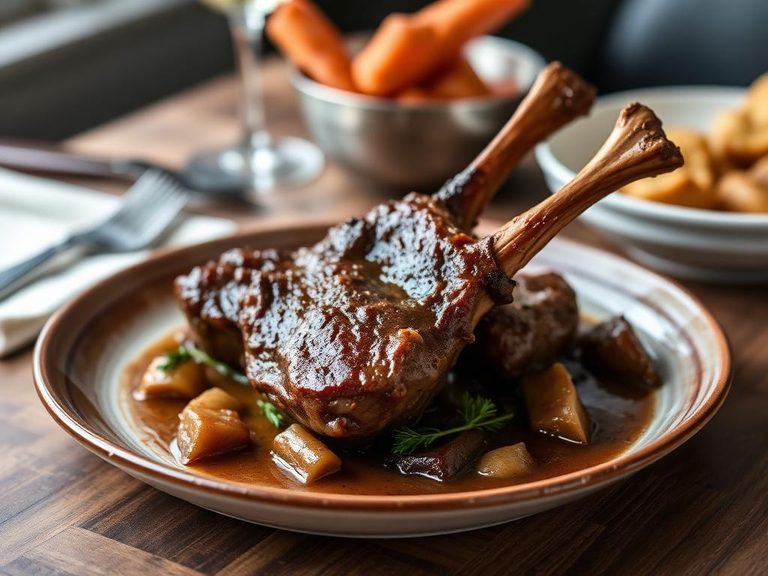
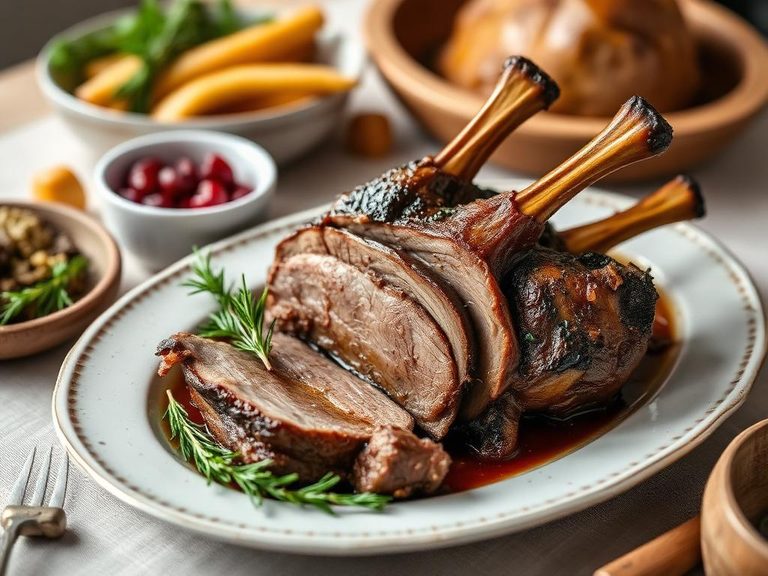
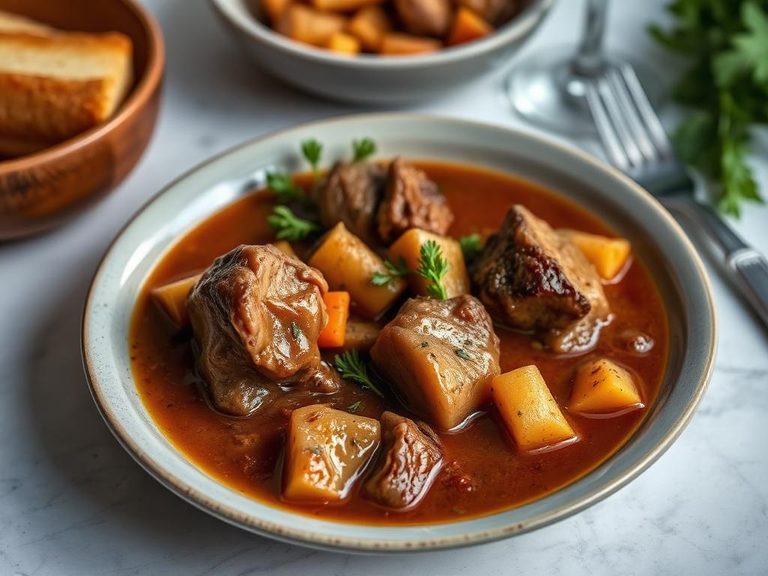
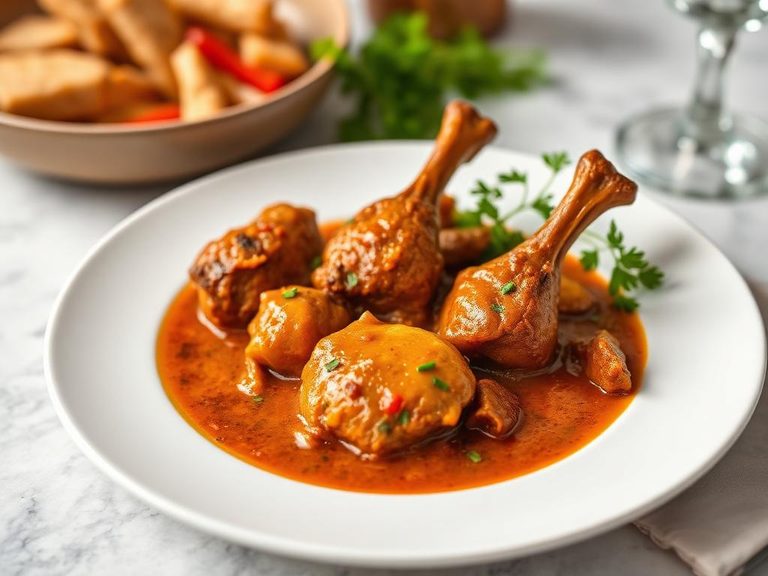
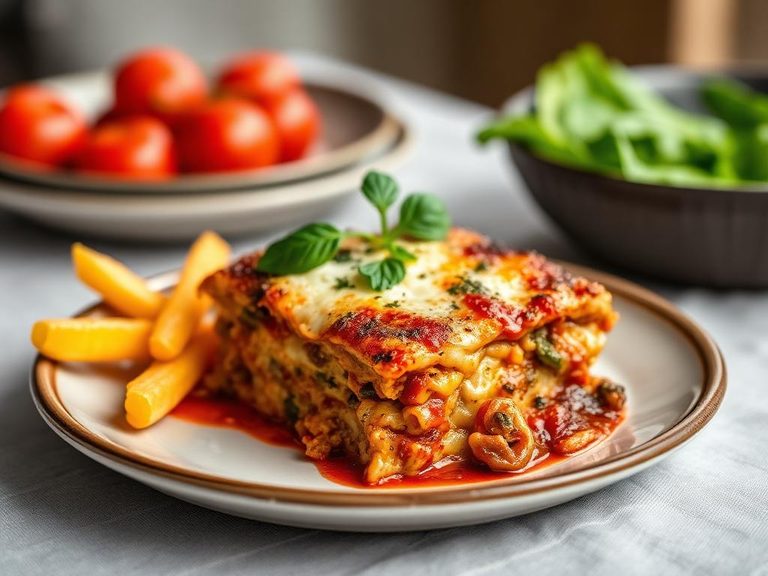
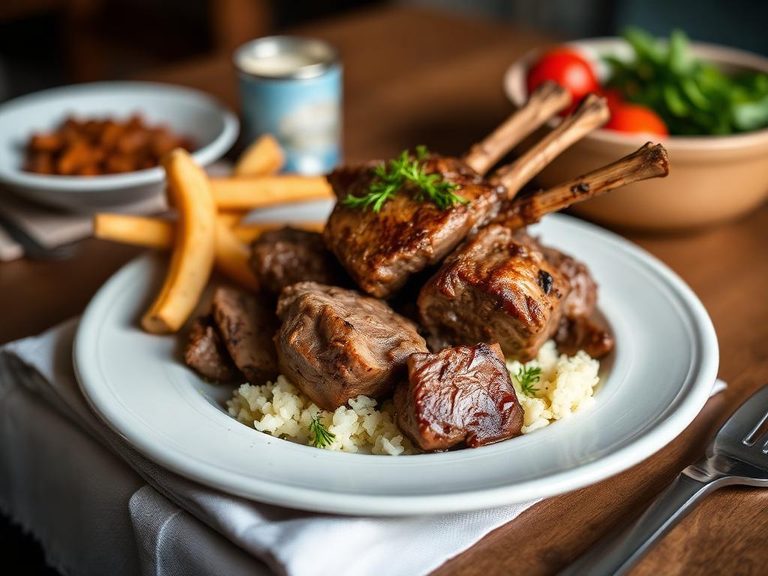
🍽️ Popular dishes
🌍 Where it's eaten
💡 Did you know?
The term 'shank' refers to the leg portion below the knee, and it's often considered a 'working muscle' which is why it benefits so dramatically from slow, moist-heat cooking methods that break down its connective tissue into gelatin.
Full nutrition (USDA data · scales with serving)
| Water | 68.7 g |
| Energy | 185 kcal |
| Energy | 774 kj |
| Protein | 19.0 g |
| Total lipid (fat) | 11.5 g |
| Ash | 1.0 g |
| Carbohydrate, by difference | 0.00 g |
| Fiber, total dietary | 0.00 g |
| Calcium, Ca | 7.0 mg |
| Iron, Fe | 1.7 mg |
| Magnesium, Mg | 25.0 mg |
| Phosphorus, P | 182 mg |
| Potassium, K | 267 mg |
| Sodium, Na | 58.0 mg |
| Zinc, Zn | 3.6 mg |
| Copper, Cu | 0.12 mg |
| Manganese, Mn | 0.02 mg |
| Selenium, Se | 21.9 ug |
| Vitamin C, total ascorbic acid | 0.00 mg |
| Thiamin | 0.13 mg |
| Riboflavin | 0.24 mg |
| Niacin | 6.2 mg |
| Pantothenic acid | 0.69 mg |
| Vitamin B-6 | 0.16 mg |
| Folate, total | 21.0 ug |
| Folic acid | 0.00 ug |
| Folate, food | 21.0 ug |
| Folate, DFE | 21.0 ug |
| Vitamin B-12 | 2.5 ug |
| Vitamin A, RAE | 0.00 ug |
| Retinol | 0.00 ug |
| Vitamin A, IU | 0.00 iu |
Fat & fatty acid profile (per 100g)
| Fatty acids, total saturated | 4.9 g |
| SFA 10:0 | 0.03 g |
| SFA 12:0 | 0.05 g |
| SFA 14:0 | 0.43 g |
| SFA 16:0 | 2.5 g |
| SFA 18:0 | 1.6 g |
| Fatty acids, total monounsaturated | 4.7 g |
| MUFA 16:1 | 0.34 g |
| MUFA 18:1 | 4.2 g |
| MUFA 20:1 | 0.00 g |
| Fatty acids, total polyunsaturated | 0.93 g |
| PUFA 18:2 | 0.68 g |
| PUFA 18:3 | 0.20 g |
| PUFA 20:4 | 0.05 g |
| Cholesterol | 67.0 mg |
Amino acid profile (per 100g)
| Tryptophan | 0.22 g |
| Threonine | 0.81 g |
| Isoleucine | 0.92 g |
| Leucine | 1.5 g |
| Lysine | 1.7 g |
| Methionine | 0.49 g |
| Cystine | 0.23 g |
| Phenylalanine | 0.77 g |
| Tyrosine | 0.64 g |
| Valine | 1.0 g |
| Arginine | 1.1 g |
| Histidine | 0.60 g |
| Alanine | 1.1 g |
| Aspartic acid | 1.7 g |
| Glutamic acid | 2.8 g |
| Glycine | 0.93 g |
| Proline | 0.80 g |
| Serine | 0.71 g |
FAQ
What's the difference between a lamb shank and a leg roast?
A lamb shank is a specific cut from the lower leg, typically a single bone-in piece with a lot of connective tissue, ideal for slow braising. A leg roast is a larger cut from the upper leg, which can be bone-in or boneless, and is often roasted whole or sliced for grilling.
How do I make lamb shank tender?
The key is low and slow cooking. Braising (searing then simmering in liquid) or slow-roasting at a low temperature for several hours will break down the tough connective tissue, resulting in tender, fall-off-the-bone meat.
Is lamb shank a fatty cut?
Yes, it's a moderately fatty cut with marbling and a layer of external fat. While this fat adds significant flavor and moisture, you can reduce the overall fat content by trimming it before cooking and allowing excess fat to render out during the cooking process.
Nutrient density (calculated · NRF9.3)
Nutrient Rich Foods index: beneficial nutrients (protein, fiber, vitamins, minerals) minus saturated fat, added sugar & sodium, per 100 kcal.
NRF9.3 index — Fulgoni, Keast & Drewnowski, 2009. Computed from USDA nutrients.
Weight-loss friendliness (composite index)
Energy density 1.85 kcal/g · 41% calories from protein · 0.0 g fiber · 0.0 g sugar per 100 g.
Composite of energy density (Rolls et al., 1999), protein & fiber satiety, minus sugar. A calculated heuristic — ranks satiety-per-calorie, not a clinical measure.
Dietary load (calculated from USDA values)
Potential renal acid load. Positive = acid-forming, negative = alkaline-forming.
Sodium-to-potassium ratio: 0.22 (lower is better — aim for ≤ 1)
Sodium:potassium per WHO potassium guidance. Computed from USDA nutrients.