

Khorasan, grain, dry, raw
Whole food · Cereal Grains and Pasta
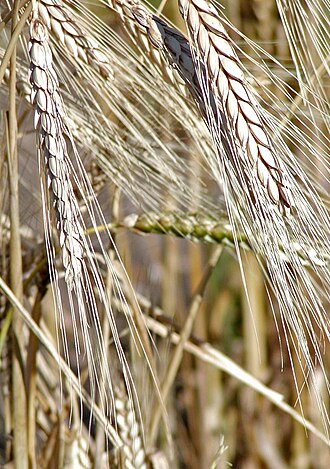
Photo: Wikipedia
Khorasan wheat, also known as Kamut, is an ancient grain with a large, golden kernel and a rich, buttery, slightly nutty flavor. When cooked, it offers a satisfyingly chewy texture that holds up well in salads and pilafs. It is a nutritional powerhouse, delivering a substantial 14.8g of protein and over 10g of fiber per 100g dry weight, alongside a robust profile of B vitamins and minerals like selenium and magnesium.
Calorie split: 16% protein · 77% carbs · 7% fat
↓ Full nutrition💚 Why it's loved
People love Khorasan for its distinctive, buttery flavor that elevates simple dishes and its firm, chewy texture that adds substance to meals. Its versatility makes it a beloved staple in everything from hearty soups to elegant grain bowls, often celebrated for its connection to ancient culinary traditions.
⚠️ Watch-outs & how to enjoy it better
As a wheat variety, it contains gluten and is unsuitable for those with celiac disease or gluten sensitivity. Its high fiber content can cause digestive discomfort if introduced too quickly. To mitigate this, start with small portions and gradually increase intake, and ensure you drink plenty of water. For blood sugar management, pair it with protein or healthy fats (like nuts or olive oil) to slow carbohydrate absorption.
Key benefits
- High in plant-based protein for muscle maintenance and satiety
- Excellent source of dietary fiber, promoting digestive health and fullness
- Rich in essential minerals like selenium, magnesium, and zinc
- Contains antioxidants like lutein and zeaxanthin for eye health
- Whole grain that provides sustained energy release
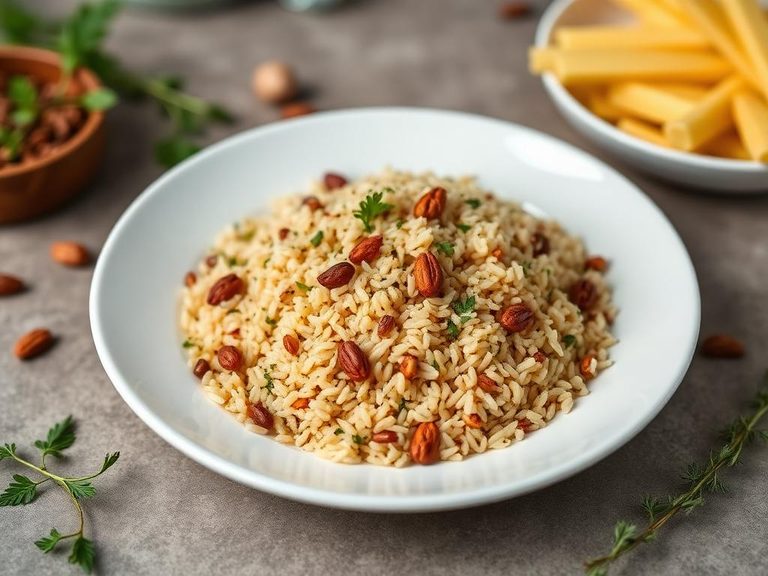
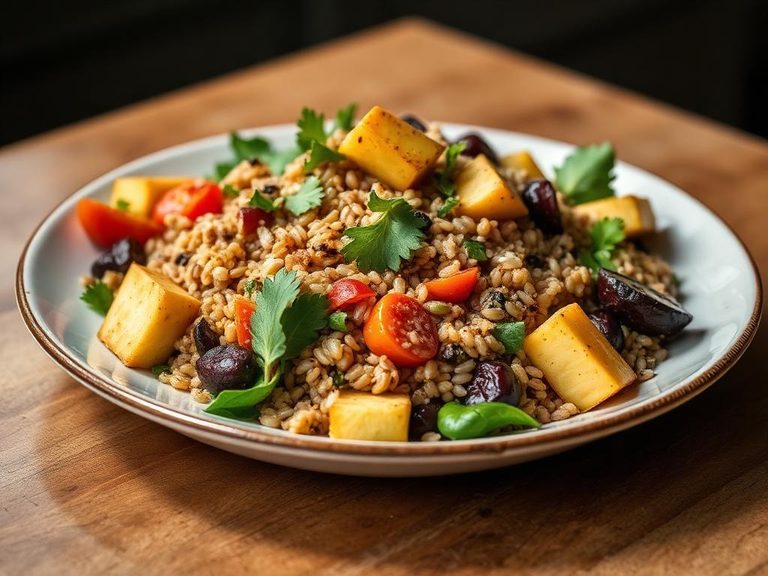
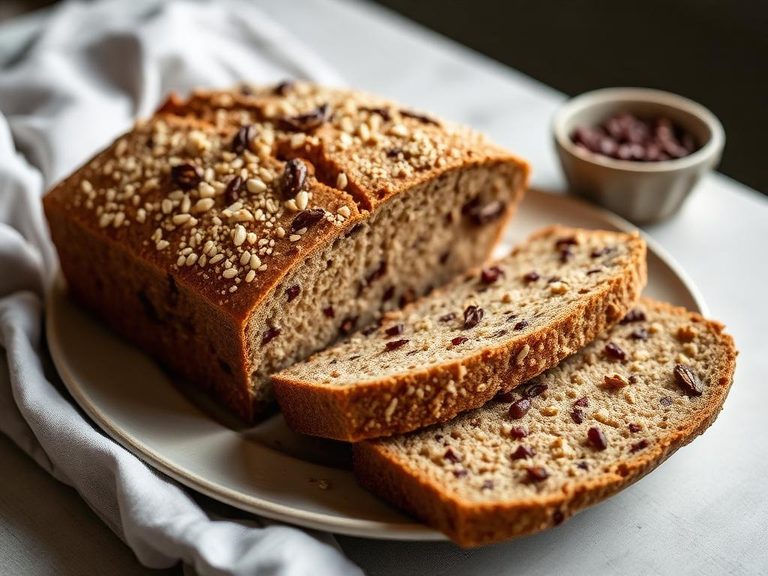
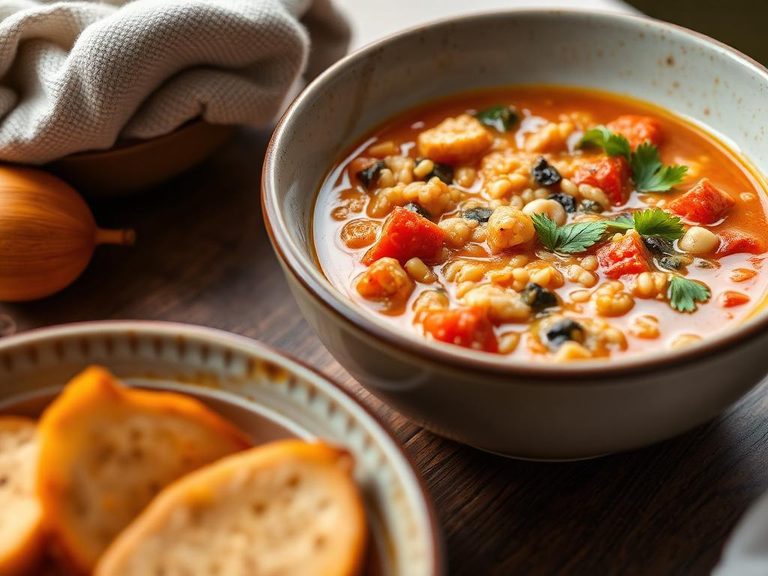
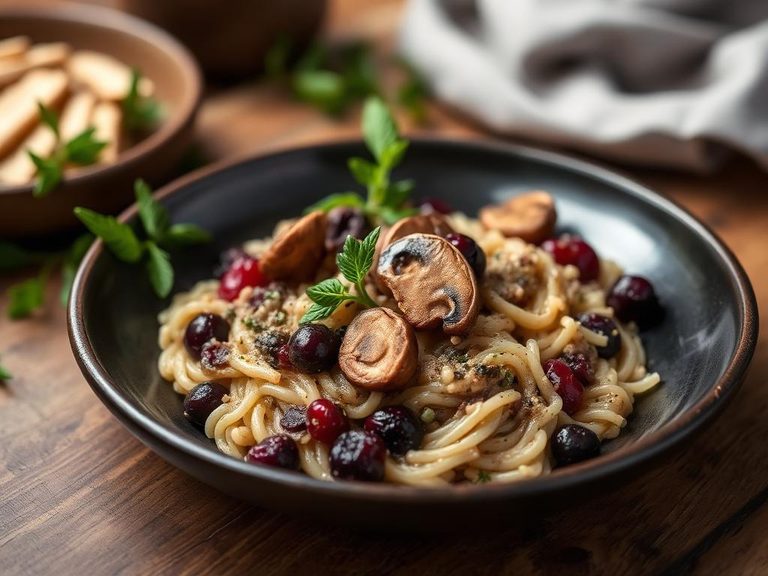
🍽️ Popular dishes
🌍 Where it's eaten
💡 Did you know?
Khorasan wheat was famously found in an Egyptian tomb, with kernels believed to be over 4,000 years old, yet they were still viable for planting.
Full nutrition (USDA data · scales with serving)
| Water | 8.9 g |
| Energy (Atwater General Factors) | 371 kcal |
| Energy (Atwater Specific Factors) | 348 kcal |
| Nitrogen | 2.5 g |
| Protein | 14.8 g |
| Total lipid (fat) | 2.8 g |
| Ash | 1.7 g |
| Carbohydrate, by difference | 71.8 g |
| Fiber, total dietary | 10.5 g |
| Starch | 57.2 g |
| Calcium, Ca | 24.1 mg |
| Iron, Fe | 3.9 mg |
| Magnesium, Mg | 130 mg |
| Phosphorus, P | 371 mg |
| Potassium, K | 451 mg |
| Sodium, Na | 3.9 mg |
| Zinc, Zn | 4.5 mg |
| Copper, Cu | 0.59 mg |
| Manganese, Mn | 3.3 mg |
| Thiamin | 0.48 mg |
| Niacin | 6.7 mg |
| Vitamin B-6 | 0.26 mg |
| Biotin | 7.3 ug |
Fat & fatty acid profile (per 100g)
Estimated from Wheat, khorasan, uncooked — USDA does not publish this profile for Khorasan.
| Fatty acids, total saturated | 0.20 g |
| SFA 8:0 | 0.00 g |
| SFA 10:0 | 0.00 g |
| SFA 12:0 | 0.00 g |
| SFA 14:0 | 0.00 g |
| SFA 15:0 | 0.00 g |
| SFA 16:0 | 0.18 g |
| SFA 17:0 | 0.00 g |
| SFA 18:0 | 0.01 g |
| SFA 20:0 | 0.00 g |
| SFA 22:0 | 0.00 g |
| Fatty acids, total monounsaturated | 0.21 g |
| MUFA 14:1 | 0.00 g |
| MUFA 15:1 | 0.00 g |
| MUFA 16:1 | 0.00 g |
| MUFA 17:1 | 0.00 g |
| MUFA 18:1 | 0.20 g |
| MUFA 20:1 | 0.01 g |
| Fatty acids, total polyunsaturated | 0.62 g |
| PUFA 18:2 | 0.57 g |
| PUFA 18:3 | 0.05 g |
| PUFA 18:3 n-3 c,c,c (ALA) | 0.05 g |
| PUFA 18:3 n-6 c,c,c | 0.00 g |
| PUFA 20:2 n-6 c,c | 0.00 g |
| PUFA 20:3 | 0.00 g |
| PUFA 20:4 | 0.00 g |
| Fatty acids, total trans | 0.01 g |
| Cholesterol | 0.00 mg |
Amino acid profile (per 100g)
Estimated from Wheat, khorasan, uncooked — USDA does not publish this profile for Khorasan.
| Tryptophan | 0.13 g |
| Threonine | 0.44 g |
| Isoleucine | 0.57 g |
| Leucine | 1.1 g |
| Lysine | 0.42 g |
| Methionine | 0.25 g |
| Cystine | 0.31 g |
| Phenylalanine | 0.77 g |
| Tyrosine | 0.35 g |
| Valine | 0.69 g |
| Arginine | 0.70 g |
| Histidine | 0.38 g |
| Alanine | 0.54 g |
| Aspartic acid | 0.80 g |
| Glutamic acid | 4.8 g |
| Glycine | 0.58 g |
| Proline | 1.6 g |
| Serine | 0.76 g |
FAQ
Is Khorasan wheat gluten-free?
No, Khorasan wheat (Kamut) is a variety of wheat and contains gluten. It is not suitable for people with celiac disease or gluten sensitivity.
How do I cook Khorasan wheat?
Rinse the grains, then simmer 1 part grain to 3 parts water or broth for 45-60 minutes until tender but chewy. You can also soak it overnight to reduce cooking time.
What is the difference between Khorasan wheat and regular wheat?
Khorasan kernels are about three times larger than modern wheat and have a richer, nuttier flavor. It is an ancient, unhybridized variety with a different nutritional profile, often higher in protein and minerals.
Nutrient density (calculated · NRF9.3)
Nutrient Rich Foods index: beneficial nutrients (protein, fiber, vitamins, minerals) minus saturated fat, added sugar & sodium, per 100 kcal.
NRF9.3 index — Fulgoni, Keast & Drewnowski, 2009. Computed from USDA nutrients.
Weight-loss friendliness (composite index)
Energy density 3.71 kcal/g · 16% calories from protein · 10.5 g fiber · 0.0 g sugar per 100 g.
Composite of energy density (Rolls et al., 1999), protein & fiber satiety, minus sugar. A calculated heuristic — ranks satiety-per-calorie, not a clinical measure.
Dietary load (calculated from USDA values)
Potential renal acid load. Positive = acid-forming, negative = alkaline-forming.
Sodium-to-potassium ratio: 0.01 (lower is better — aim for ≤ 1)
Sodium:potassium per WHO potassium guidance. Computed from USDA nutrients.