

Fish, spot, cooked, dry heat
Whole food · Finfish and Shellfish Products

Photo: Wikipedia
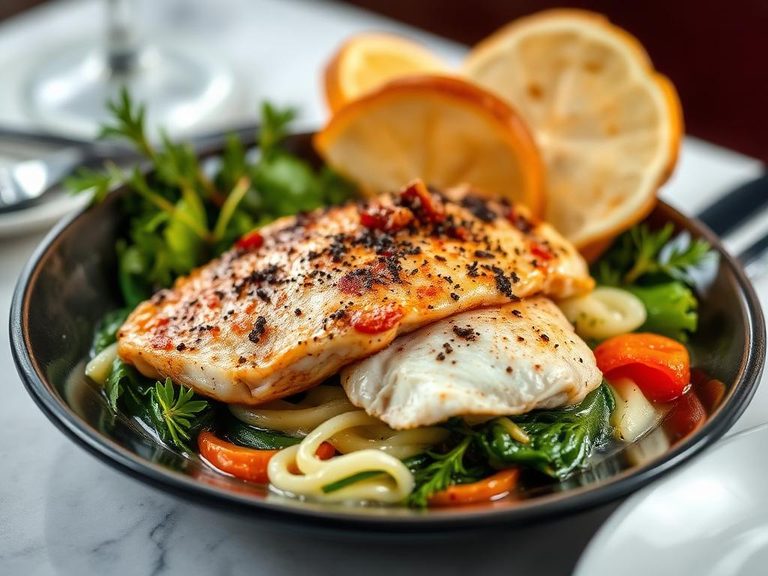
Spot (or whiting) is a lean, mild-mannered white fish that, when cooked with dry heat, develops a delicate, flaky texture and a subtle, sweet flavor. Its nutrition profile is impressively lean, packing over 23 grams of protein per 100g with virtually no carbohydrates, making it a pure protein source.
Calorie split: 63% protein · 0% carbs · 37% fat
↓ Full nutrition💚 Why it's loved
People love spot for its clean, mild taste that acts as a perfect canvas for various seasonings and sauces, and its quick cooking time makes it ideal for simple weeknight meals.
⚠️ Watch-outs & how to enjoy it better
As with many white fish, it can be prone to overcooking, becoming dry and tough. Those watching sodium intake should be mindful of added salt in preparations, and it is a common fish allergen. To counteract dryness, cook just until it flakes and pair it with a flavorful sauce, salsa, or a pat of herb butter.
Key benefits
- Excellent source of lean, complete protein
- Very low in calories and total fat
- Naturally carbohydrate-free
- Contains beneficial omega-3 fatty acids
- Good source of selenium and vitamin B12
🍽️ Popular dishes
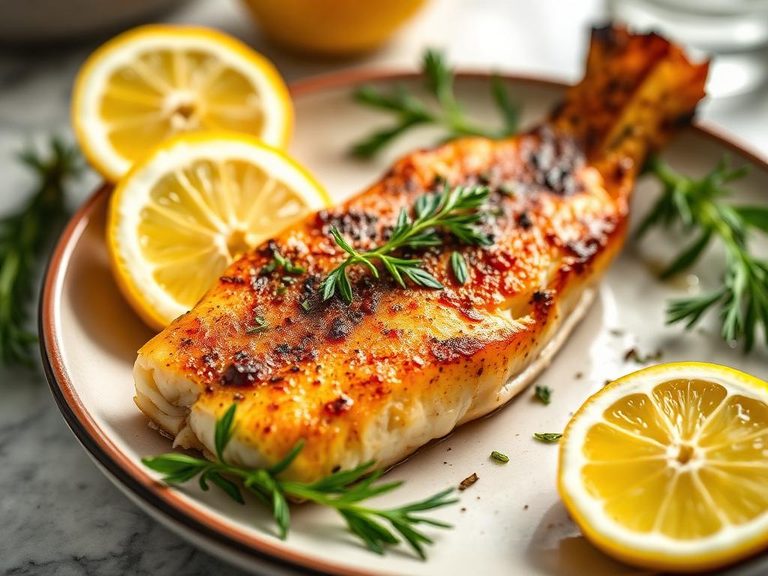
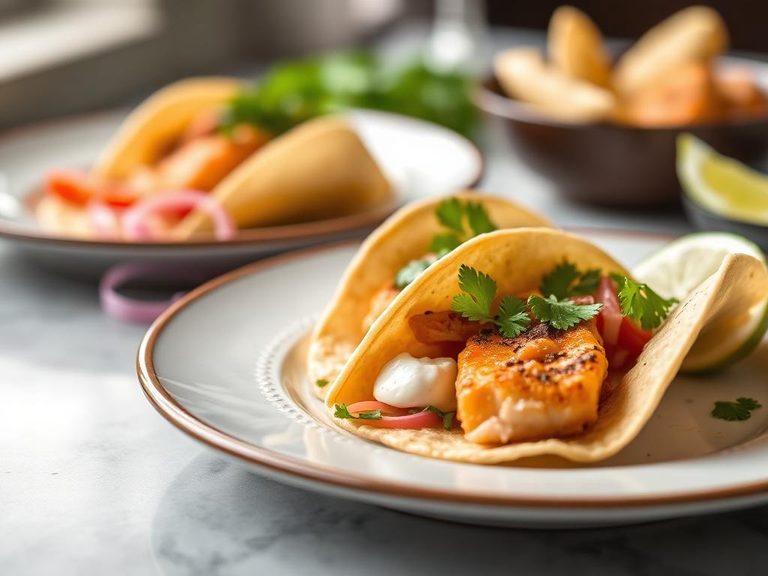

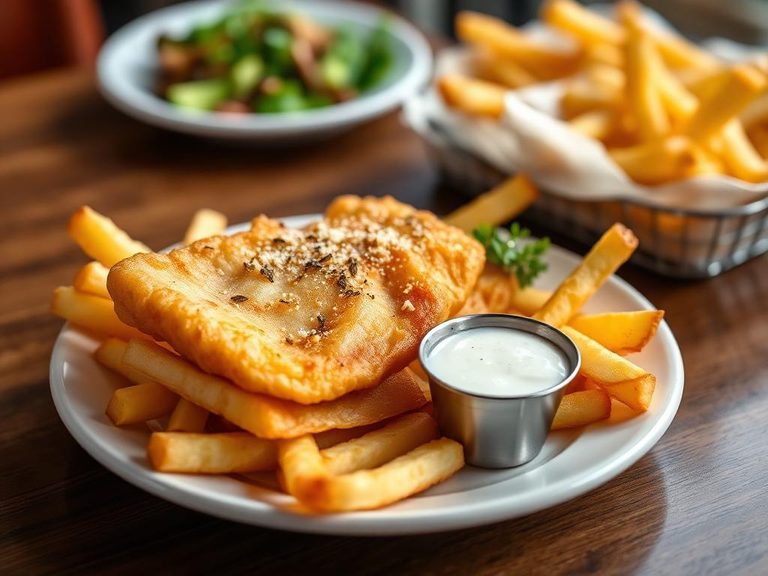
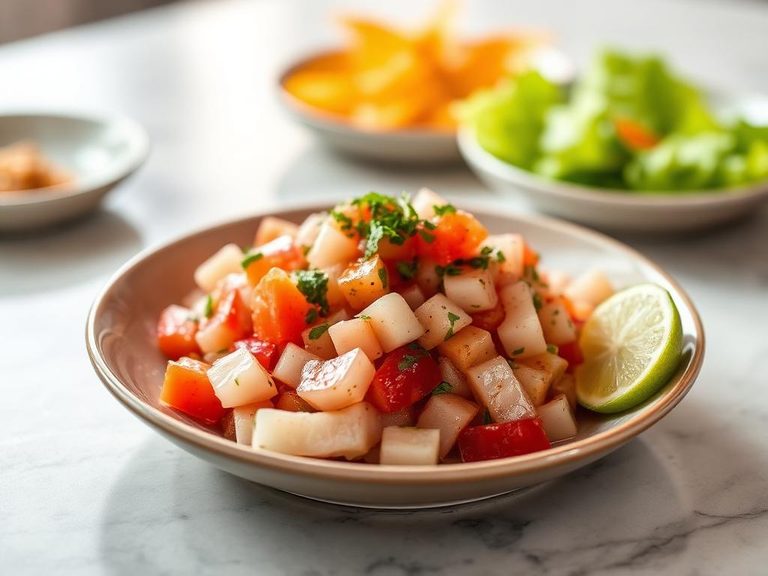
🌍 Where it's eaten
💡 Did you know?
Despite its name, the 'spot' refers to the distinctive dark spot behind its gill cover, not a pattern on its body.
Full nutrition (USDA data · scales with serving)
| Water | 69.2 g |
| Energy | 158 kcal |
| Energy | 661 kj |
| Protein | 23.7 g |
| Total lipid (fat) | 6.3 g |
| Ash | 1.4 g |
| Carbohydrate, by difference | 0.00 g |
| Fiber, total dietary | 0.00 g |
| Calcium, Ca | 18.0 mg |
| Iron, Fe | 0.41 mg |
| Magnesium, Mg | 54.0 mg |
| Phosphorus, P | 238 mg |
| Potassium, K | 636 mg |
| Sodium, Na | 37.0 mg |
| Zinc, Zn | 0.65 mg |
| Copper, Cu | 0.06 mg |
| Manganese, Mn | 0.04 mg |
| Selenium, Se | 46.8 ug |
| Vitamin C, total ascorbic acid | 0.00 mg |
| Thiamin | 0.18 mg |
| Riboflavin | 0.27 mg |
| Niacin | 8.5 mg |
| Pantothenic acid | 0.86 mg |
| Vitamin B-6 | 0.46 mg |
| Folate, total | 6.0 ug |
| Folic acid | 0.00 ug |
| Folate, food | 6.0 ug |
| Folate, DFE | 6.0 ug |
| Vitamin B-12 | 3.5 ug |
| Vitamin A, RAE | 35.0 ug |
| Retinol | 35.0 ug |
| Vitamin A, IU | 115 iu |
Fat & fatty acid profile (per 100g)
| Fatty acids, total saturated | 1.9 g |
| SFA 14:0 | 0.14 g |
| SFA 16:0 | 1.3 g |
| SFA 18:0 | 0.40 g |
| Fatty acids, total monounsaturated | 1.7 g |
| MUFA 16:1 | 0.59 g |
| MUFA 18:1 | 1.1 g |
| Fatty acids, total polyunsaturated | 1.4 g |
| PUFA 18:2 | 0.05 g |
| PUFA 18:3 | 0.03 g |
| PUFA 18:4 | 0.20 g |
| PUFA 20:4 | 0.15 g |
| PUFA 20:5 n-3 (EPA) | 0.28 g |
| PUFA 22:5 n-3 (DPA) | 0.15 g |
| PUFA 22:6 n-3 (DHA) | 0.53 g |
| Cholesterol | 77.0 mg |
Amino acid profile (per 100g)
| Tryptophan | 0.27 g |
| Threonine | 1.0 g |
| Isoleucine | 1.1 g |
| Leucine | 1.9 g |
| Lysine | 2.2 g |
| Methionine | 0.70 g |
| Cystine | 0.25 g |
| Phenylalanine | 0.93 g |
| Tyrosine | 0.80 g |
| Valine | 1.2 g |
| Arginine | 1.4 g |
| Histidine | 0.70 g |
| Alanine | 1.4 g |
| Aspartic acid | 2.4 g |
| Glutamic acid | 3.5 g |
| Glycine | 1.1 g |
| Proline | 0.84 g |
| Serine | 0.97 g |
FAQ
What is the difference between spot and whiting?
The terms are often used interchangeably in markets, but they can refer to different species. 'Spot' typically refers to the Atlantic croaker or related species, while 'whiting' often refers to silver hake. Both are mild, lean white fish with similar culinary uses.
How do I know when spot is cooked through?
The fish is done when it turns opaque throughout and flakes easily when tested with a fork at its thickest part. The internal temperature should reach 145°F (63°C). It's best to remove it from heat just as it begins to flake, as residual heat will finish cooking it.
Is spot a sustainable seafood choice?
Sustainability varies by region and fishing method. Generally, spot is considered a relatively abundant and fast-reproducing species. For the most responsible choice, look for fish certified by the Marine Stewardship Council (MSC) or consult a local seafood watch guide.
Nutrient density (calculated · NRF9.3)
Nutrient Rich Foods index: beneficial nutrients (protein, fiber, vitamins, minerals) minus saturated fat, added sugar & sodium, per 100 kcal.
NRF9.3 index — Fulgoni, Keast & Drewnowski, 2009. Computed from USDA nutrients.
Weight-loss friendliness (composite index)
Energy density 1.58 kcal/g · 60% calories from protein · 0.0 g fiber · 0.0 g sugar per 100 g.
Composite of energy density (Rolls et al., 1999), protein & fiber satiety, minus sugar. A calculated heuristic — ranks satiety-per-calorie, not a clinical measure.
Dietary load (calculated from USDA values)
Potential renal acid load. Positive = acid-forming, negative = alkaline-forming.
Sodium-to-potassium ratio: 0.06 (lower is better — aim for ≤ 1)
Sodium:potassium per WHO potassium guidance. Computed from USDA nutrients.