

Fish, salmon, king, chinook, smoked and canned (Alaska Native)
Whole food · American Indian/Alaska Native Foods

Photo: Wikipedia
This is a rich, oily salmon preserved through smoking and canning, a staple of Alaska Native foodways. Its flavor is deeply savory and smoky, with a tender, flaky texture that can range from firm chunks to a softer, spreadable consistency depending on the pack. It is a nutritional powerhouse, delivering an exceptional amount of high-quality protein and heart-healthy fats with zero carbohydrates.
Calorie split: 64% protein · 0% carbs · 36% fat
↓ Full nutrition💚 Why it's loved
People love it for its intense, concentrated umami and smoky flavor that requires no cooking. It's a versatile, protein-packed staple for quick meals, from spreading on crackers to mixing into salads.
⚠️ Watch-outs & how to enjoy it better
The canning and smoking process can result in high sodium content, which is a consideration for those monitoring blood pressure. As a common fish allergen, it must be avoided by individuals with fish allergies. To manage sodium, look for 'low sodium' versions or rinse the fish briefly before use.
Key benefits
- Excellent source of complete protein (23.2g per 100g)
- Rich in omega-3 fatty acids EPA and DHA
- Provides significant vitamin D and B12
- Shelf-stable and ready to eat
- Zero carbohydrates, suitable for ketogenic diets
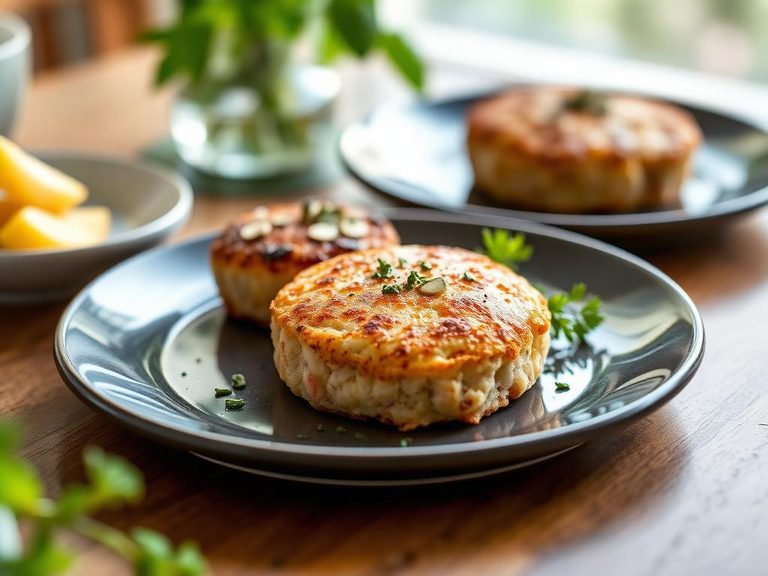
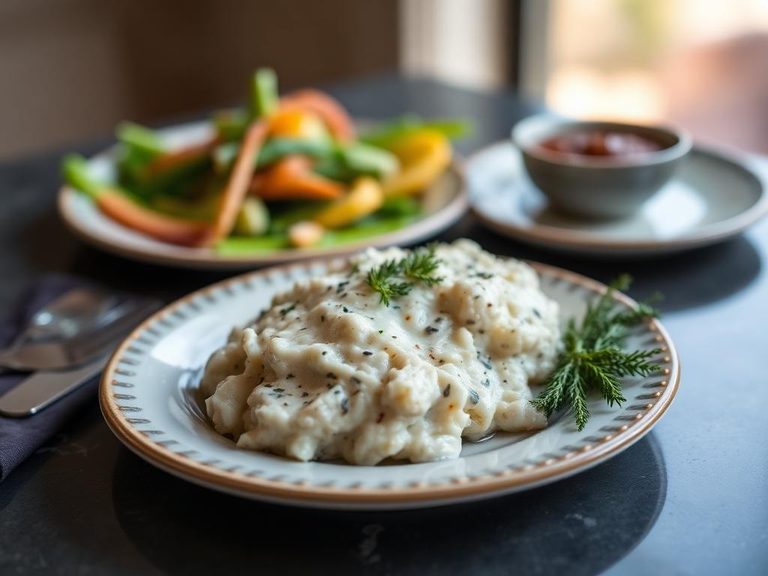
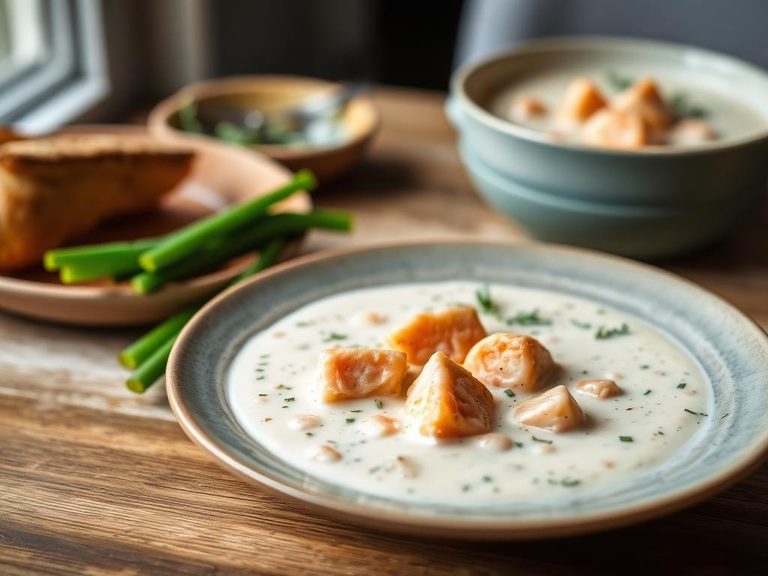
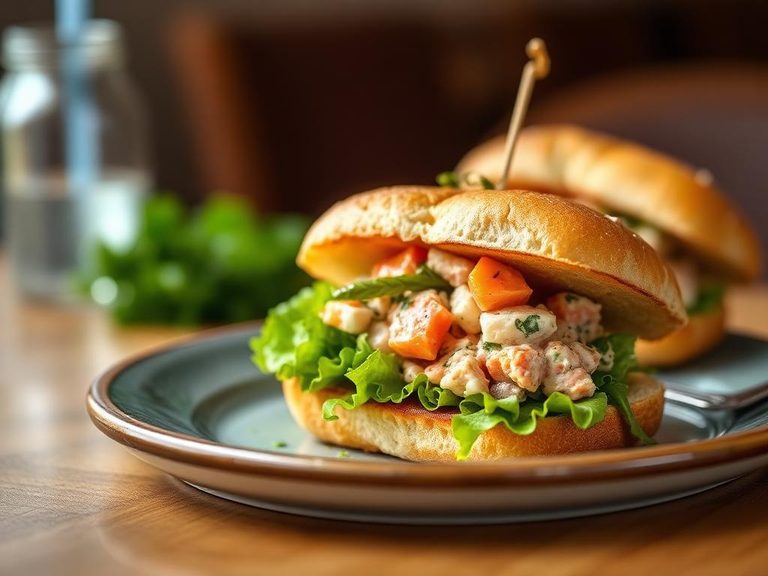
🍽️ Popular dishes
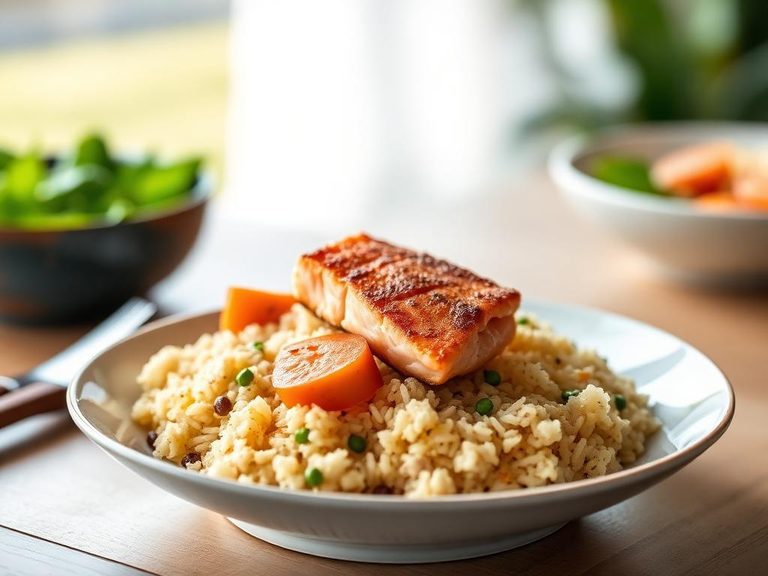
🌍 Where it's eaten
💡 Did you know?
Traditional Alaska Native preparation, known as 'salmon oil' or 'salmon grease,' involves slow-cooking the fish until the oil separates, creating a potent, flavorful condiment used to preserve and enhance other foods.
Full nutrition (USDA data · scales with serving)
| Water | 66.7 g |
| Energy | 150 kcal |
| Energy | 627 kj |
| Protein | 23.2 g |
| Total lipid (fat) | 5.9 g |
| Ash | 3.2 g |
| Carbohydrate, by difference | 0.00 g |
| Calcium, Ca | 60.0 mg |
| Iron, Fe | 1.8 mg |
| Thiamin | 0.01 mg |
| Riboflavin | 0.10 mg |
| Niacin | 8.5 mg |
| Vitamin A, IU | 319 iu |
Fat & fatty acid profile (per 100g)
Estimated from Fish, halibut, raw, with skin (Alaska Native) — USDA does not publish this profile for Fish.
| Fatty acids, total saturated | 0.73 g |
| SFA 8:0 | 0.00 g |
| SFA 10:0 | 0.00 g |
| SFA 12:0 | 0.00 g |
| SFA 14:0 | 0.09 g |
| SFA 15:0 | 0.01 g |
| SFA 16:0 | 0.38 g |
| SFA 17:0 | 0.00 g |
| SFA 18:0 | 0.09 g |
| SFA 20:0 | 0.01 g |
| SFA 22:0 | 0.00 g |
| SFA 24:0 | 0.00 g |
| Fatty acids, total monounsaturated | 1.2 g |
| MUFA 14:1 | 0.00 g |
| MUFA 15:1 | 0.00 g |
| MUFA 16:1 | 0.23 g |
| MUFA 17:1 | 0.00 g |
| MUFA 18:1 | 0.59 g |
| MUFA 20:1 | 0.11 g |
| MUFA 22:1 | 0.00 g |
| MUFA 22:1 c | 0.00 g |
| MUFA 24:1 c | 0.01 g |
| Fatty acids, total polyunsaturated | 0.91 g |
| PUFA 18:2 | 0.02 g |
| PUFA 18:3 | 0.01 g |
| PUFA 18:3 n-3 c,c,c (ALA) | 0.01 g |
| PUFA 18:3 n-6 c,c,c | 0.00 g |
| PUFA 18:4 | 0.00 g |
| PUFA 20:2 n-6 c,c | 0.01 g |
| PUFA 20:3 | 0.00 g |
| PUFA 20:4 | 0.03 g |
| PUFA 20:5 n-3 (EPA) | 0.22 g |
| PUFA 21:5 | 0.00 g |
| PUFA 22:4 | 0.00 g |
| PUFA 22:5 n-3 (DPA) | 0.06 g |
| PUFA 22:6 n-3 (DHA) | 0.39 g |
| Cholesterol | 72.0 mg |
Amino acid profile (per 100g)
Estimated from Fish, halibut, raw, with skin (Alaska Native) — USDA does not publish this profile for Fish.
| Tryptophan | 0.31 g |
| Threonine | 0.95 g |
| Isoleucine | 0.94 g |
| Leucine | 1.6 g |
| Lysine | 1.8 g |
| Methionine | 0.80 g |
| Cystine | 0.35 g |
| Phenylalanine | 0.82 g |
| Tyrosine | 0.70 g |
| Valine | 1.0 g |
| Arginine | 1.2 g |
| Histidine | 0.50 g |
| Alanine | 1.2 g |
| Aspartic acid | 2.8 g |
| Glutamic acid | 3.2 g |
| Glycine | 0.93 g |
| Proline | 0.73 g |
| Serine | 0.91 g |
| Hydroxyproline | 0.18 g |
FAQ
What's the difference between smoked and canned salmon?
Smoked salmon is cured and smoked for flavor, often sold in slices. Canned salmon is cooked and sealed in a can for preservation. This product is both, offering the smoky flavor with the long shelf-life and convenience of canning.
Is the liquid in the can safe to eat?
Yes, the liquid (often a broth or oil) is safe and flavorful. It contains nutrients and can be used in dressings, sauces, or added to soups and stews for extra salmon flavor.
How is this different from regular canned pink salmon?
King (Chinook) salmon is a larger, oilier species than pink salmon, resulting in a richer, more robust flavor and higher fat content. The smoking process adds another layer of complexity not found in standard canned salmon.
Weight-loss friendliness (composite index)
Energy density 1.50 kcal/g · 62% calories from protein · 0.0 g fiber · 0.0 g sugar per 100 g.
Composite of energy density (Rolls et al., 1999), protein & fiber satiety, minus sugar. A calculated heuristic — ranks satiety-per-calorie, not a clinical measure.