

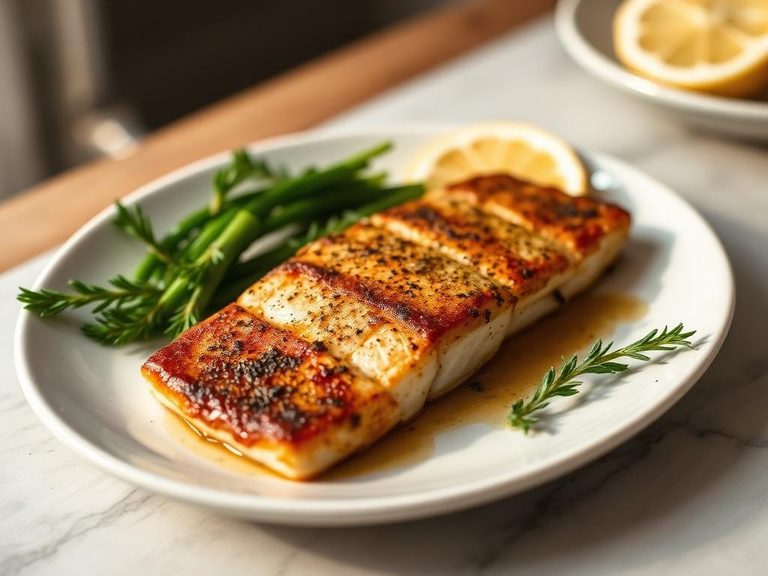
Fish, pollock, Alaska, cooked
Whole food · Finfish and Shellfish Products

Photo: Wikipedia
Alaska pollock, when cooked, transforms into a lean, flaky white fish with a mild, slightly sweet flavor and a tender, delicate texture that easily absorbs seasonings. It's a nutritional powerhouse, delivering an exceptional 19.4 grams of protein for just 87 calories per 100g, making it one of the most efficient protein sources available. Its clean, neutral taste makes it a versatile canvas for a wide range of culinary preparations.
Calorie split: 90% protein · 0% carbs · 10% fat
↓ Full nutrition💚 Why it's loved
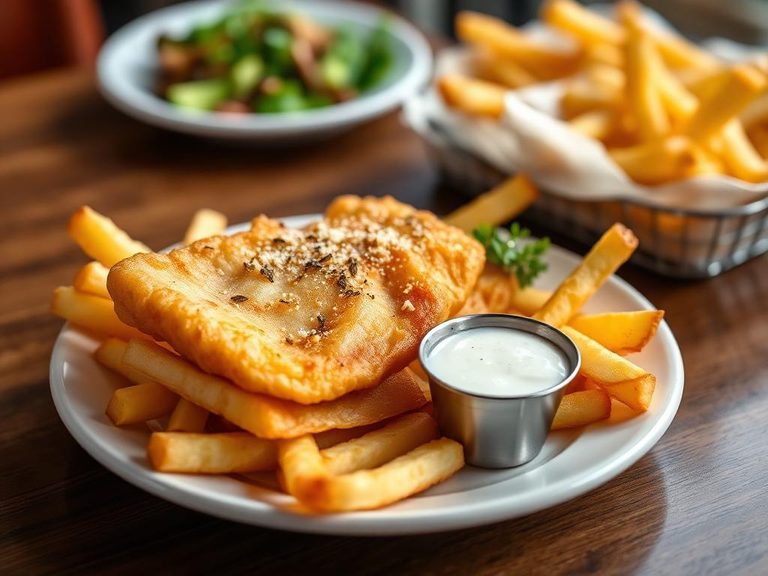
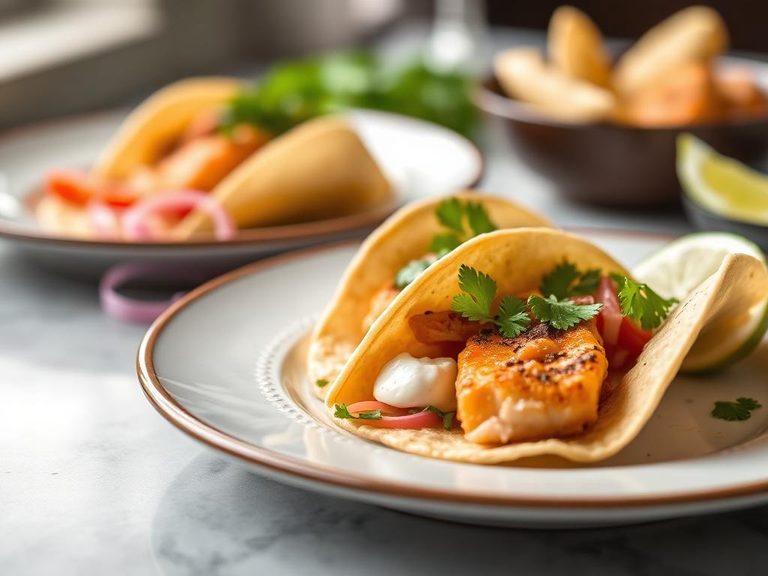
People love it for its incredible versatility and mild flavor, which acts like a blank canvas for everything from crispy fish tacos to comforting fish pies. Its delicate flakes and quick cooking time make it a weeknight staple, while its affordability and sustainability make it a practical choice for families.
⚠️ Watch-outs & how to enjoy it better
Its mild flavor can be perceived as bland if not seasoned well, and its delicate texture can turn mushy if overcooked. As a common fish allergen, it must be avoided by those with seafood allergies. To counteract blandness, use bold marinades, spices, or acidic finishes like lemon. To prevent mushiness, cook it quickly with high heat or add it to soups and stews near the end of cooking.
Key benefits
- Extremely high in lean protein (19.4g per 100g)
- Very low in calories (87 kcal per 100g)
- Naturally virtually fat-free (<1g fat per 100g)
- Contains no carbohydrates, sugars, or fiber
- A sustainable and abundant seafood choice
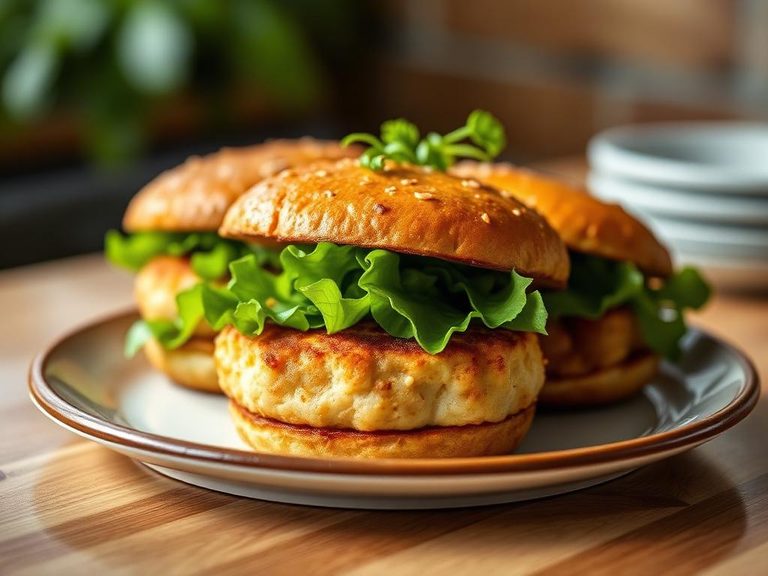
🍽️ Popular dishes
🌍 Where it's eaten
💡 Did you know?
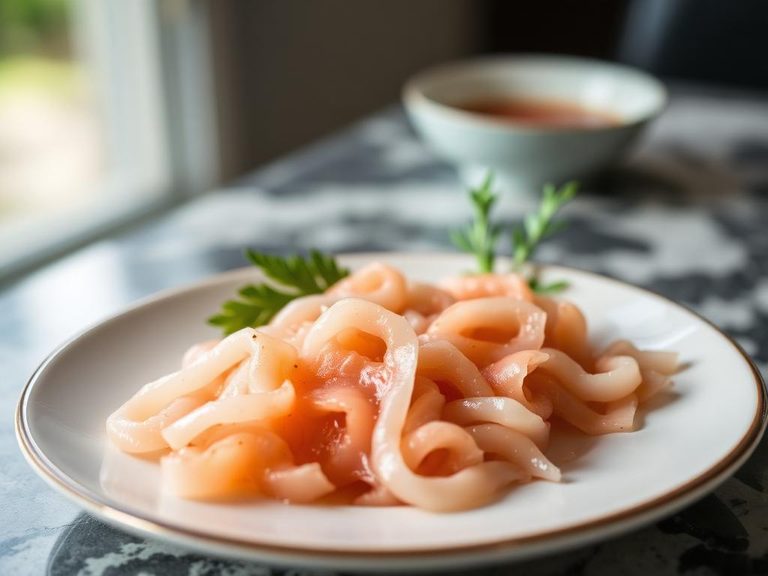
Alaska pollock is the primary fish used to make surimi, the processed fish paste that is shaped and flavored to create imitation crab sticks and other seafood analogs found worldwide.
Full nutrition (USDA data · scales with serving)
| Water | 79.3 g |
| Energy | 86.6 kcal |
| Energy | 362 kj |
| Protein | 19.4 g |
| Total lipid (fat) | 0.99 g |
| Ash | 1.4 g |
| Carbohydrate, by difference | 0.00 g |
| Calcium, Ca | 13.0 mg |
| Iron, Fe | 0.29 mg |
| Magnesium, Mg | 37.0 mg |
| Phosphorus, P | 206 mg |
| Potassium, K | 364 mg |
| Sodium, Na | 166 mg |
| Zinc, Zn | 0.44 mg |
| Copper, Cu | 0.04 mg |
| Manganese, Mn | 0.01 mg |
Fat & fatty acid profile (per 100g)
| Fatty acids, total saturated | 0.20 g |
| SFA 14:0 | 0.11 g |
| SFA 15:0 | 0.00 g |
| SFA 16:0 | 0.16 g |
| SFA 17:0 | 0.00 g |
| SFA 18:0 | 0.03 g |
| Fatty acids, total monounsaturated | 0.13 g |
| MUFA 16:1 | 0.01 g |
| MUFA 16:1 c | 0.01 g |
| MUFA 18:1 | 0.08 g |
| MUFA 18:1 c | 0.08 g |
| MUFA 20:1 | 0.04 g |
| MUFA 22:1 | 0.00 g |
| MUFA 22:1 c | 0.00 g |
| Fatty acids, total polyunsaturated | 0.36 g |
| PUFA 18:2 | 0.01 g |
| PUFA 18:2 n-6 c,c | 0.01 g |
| PUFA 18:4 | 0.00 g |
| PUFA 20:3 | 0.00 g |
| PUFA 20:3 n-6 | 0.00 g |
| PUFA 20:4 | 0.01 g |
| PUFA 20:5 n-3 (EPA) | 0.10 g |
| PUFA 22:5 n-3 (DPA) | 0.01 g |
| PUFA 22:6 n-3 (DHA) | 0.23 g |
| Fatty acids, total trans | 0.00 g |
| Fatty acids, total trans-monoenoic | 0.03 g |
| TFA 16:1 t | 0.00 g |
| TFA 18:1 t | 0.00 g |
| Cholesterol | 74.0 mg |
Amino acid profile (per 100g)
Estimated from Fish, fish sticks, frozen, prepared — USDA does not publish this profile for Fish.
| Tryptophan | 0.12 g |
| Threonine | 0.37 g |
| Isoleucine | 0.43 g |
| Leucine | 0.85 g |
| Lysine | 0.80 g |
| Methionine | 0.30 g |
| Phenylalanine | 0.47 g |
| Tyrosine | 0.29 g |
| Valine | 0.50 g |
| Arginine | 0.59 g |
| Histidine | 0.23 g |
| Alanine | 0.55 g |
| Aspartic acid | 0.82 g |
| Glutamic acid | 2.3 g |
| Glycine | 0.47 g |
| Proline | 0.78 g |
| Serine | 0.49 g |
| Hydroxyproline | 0.00 g |
FAQ
Is Alaska pollock the same as cod?
No, they are different species. Alaska pollock (Gadus chalcogrammus) is in the cod family but is distinct from Atlantic or Pacific cod. It's generally smaller, with a milder flavor and softer texture.
Why is it used in so many processed seafood products?
Its mild flavor, white color, fine texture, and low cost make it the ideal base for surimi. It can be processed into a neutral paste that easily takes on the flavor and texture of more expensive shellfish like crab or lobster.
How do I keep it from falling apart when cooking?
Pat it very dry before cooking, use a non-stick pan or well-oiled grill, and avoid moving it until a golden crust forms. For baking, a moderate oven temperature (around 400°F/200°C) works well. It's also excellent when poached in a flavorful broth or added to soups.
Nutrient density (calculated · NRF9.3)
Nutrient Rich Foods index: beneficial nutrients (protein, fiber, vitamins, minerals) minus saturated fat, added sugar & sodium, per 100 kcal.
NRF9.3 index — Fulgoni, Keast & Drewnowski, 2009. Computed from USDA nutrients.
Weight-loss friendliness (composite index)
Energy density 0.87 kcal/g · 90% calories from protein · 0.0 g fiber · 0.0 g sugar per 100 g.
Composite of energy density (Rolls et al., 1999), protein & fiber satiety, minus sugar. A calculated heuristic — ranks satiety-per-calorie, not a clinical measure.
Dietary load (calculated from USDA values)
Potential renal acid load. Positive = acid-forming, negative = alkaline-forming.
Sodium-to-potassium ratio: 0.46 (lower is better — aim for ≤ 1)
Sodium:potassium per WHO potassium guidance. Computed from USDA nutrients.