

Fish, pike, walleye, cooked, dry heat
Whole food · Finfish and Shellfish Products

Photo: Wikipedia
Walleye, a prized freshwater game fish, is cooked using dry heat methods like baking or broiling, resulting in a firm, flaky texture with a mild, sweet flavor. Nutritionally, it's a powerhouse of lean protein with virtually no fat or carbohydrates, making it an exceptionally clean and light protein source. Its delicate taste allows it to be the star of simple preparations without needing heavy sauces.
Calorie split: 87% protein · 0% carbs · 13% fat
↓ Full nutrition💚 Why it's loved
People adore walleye for its clean, subtly sweet flavor and satisfyingly firm texture that holds up beautifully to grilling or pan-searing. It's a celebrated catch in North American freshwater fishing culture, often associated with lake vacations and hearty, home-cooked meals.
⚠️ Watch-outs & how to enjoy it better
As with many freshwater fish, the primary caution is potential environmental contaminants like mercury or PCBs, especially from certain waterways. To mitigate this, source walleye from reputable, tested fisheries or lakes with known good water quality. Its very lean nature means it can dry out if overcooked; using a marinade or cooking with a small amount of healthy fat can help retain moisture.
Key benefits
- Excellent source of complete, lean protein
- Very low in fat and contains zero carbohydrates
- Naturally free of sugar and dietary fiber
- Provides essential nutrients like selenium and vitamin B12
- Supports muscle maintenance and repair
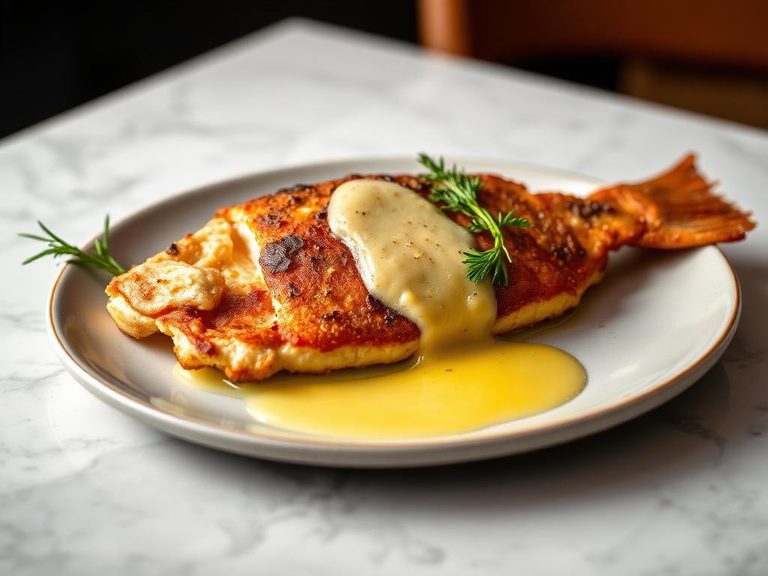
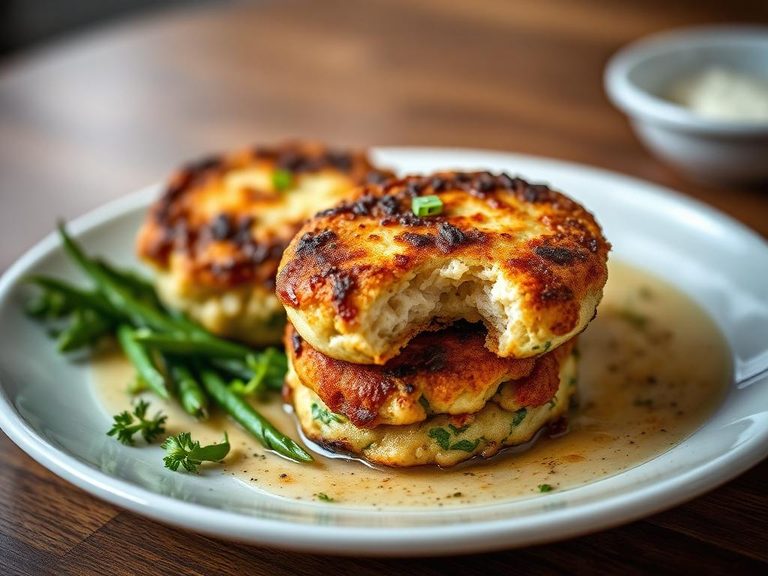
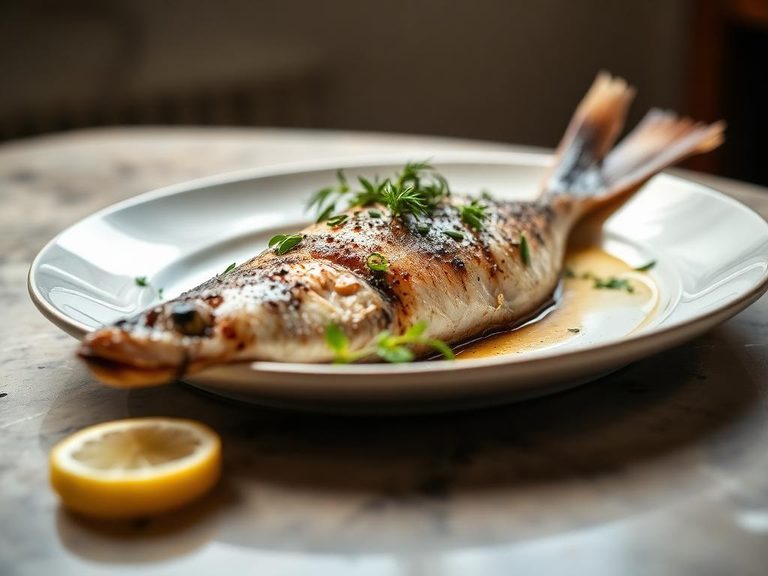
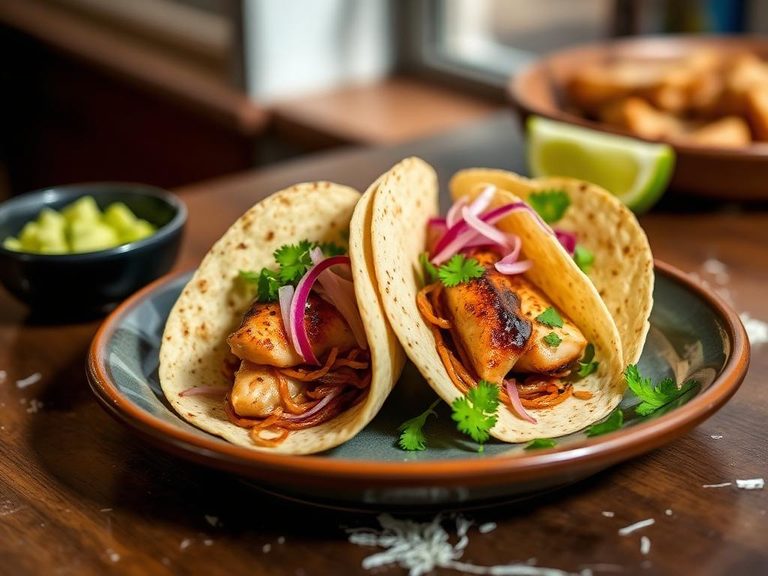
🍽️ Popular dishes
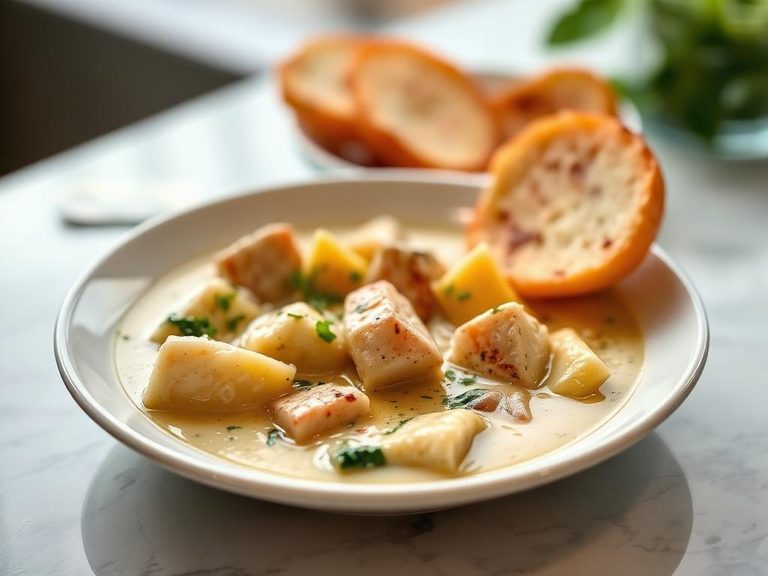
🌍 Where it's eaten
💡 Did you know?
The walleye's scientific name, *Sander vitreus*, refers to its large, glassy, light-reflecting eyes, which are an adaptation for hunting in deep, dark waters.
Full nutrition (USDA data · scales with serving)
| Water | 73.5 g |
| Energy | 119 kcal |
| Energy | 498 kj |
| Protein | 24.5 g |
| Total lipid (fat) | 1.6 g |
| Ash | 1.5 g |
| Carbohydrate, by difference | 0.00 g |
| Fiber, total dietary | 0.00 g |
| Calcium, Ca | 141 mg |
| Iron, Fe | 1.7 mg |
| Magnesium, Mg | 38.0 mg |
| Phosphorus, P | 269 mg |
| Potassium, K | 499 mg |
| Sodium, Na | 65.0 mg |
| Zinc, Zn | 0.79 mg |
| Copper, Cu | 0.23 mg |
| Manganese, Mn | 1.0 mg |
| Selenium, Se | 16.2 ug |
| Vitamin C, total ascorbic acid | 0.00 mg |
| Thiamin | 0.31 mg |
| Riboflavin | 0.20 mg |
| Niacin | 2.8 mg |
| Pantothenic acid | 0.86 mg |
| Vitamin B-6 | 0.14 mg |
| Folate, total | 17.0 ug |
| Folic acid | 0.00 ug |
| Folate, food | 17.0 ug |
| Folate, DFE | 17.0 ug |
| Vitamin B-12 | 2.3 ug |
| Vitamin A, RAE | 24.0 ug |
| Retinol | 24.0 ug |
| Vitamin A, IU | 81.0 iu |
Fat & fatty acid profile (per 100g)
| Fatty acids, total saturated | 0.32 g |
| SFA 14:0 | 0.02 g |
| SFA 16:0 | 0.25 g |
| SFA 18:0 | 0.04 g |
| Fatty acids, total monounsaturated | 0.38 g |
| MUFA 16:1 | 0.13 g |
| MUFA 18:1 | 0.25 g |
| Fatty acids, total polyunsaturated | 0.57 g |
| PUFA 18:2 | 0.03 g |
| PUFA 18:3 | 0.02 g |
| PUFA 20:4 | 0.07 g |
| PUFA 20:5 n-3 (EPA) | 0.11 g |
| PUFA 22:5 n-3 (DPA) | 0.05 g |
| PUFA 22:6 n-3 (DHA) | 0.29 g |
| Cholesterol | 110 mg |
Amino acid profile (per 100g)
| Tryptophan | 0.28 g |
| Threonine | 1.1 g |
| Isoleucine | 1.1 g |
| Leucine | 2.0 g |
| Lysine | 2.3 g |
| Methionine | 0.73 g |
| Cystine | 0.26 g |
| Phenylalanine | 0.96 g |
| Tyrosine | 0.83 g |
| Valine | 1.3 g |
| Arginine | 1.5 g |
| Histidine | 0.72 g |
| Alanine | 1.5 g |
| Aspartic acid | 2.5 g |
| Glutamic acid | 3.7 g |
| Glycine | 1.2 g |
| Proline | 0.87 g |
| Serine | 1.0 g |
FAQ
How is walleye different from other white fish like cod or tilapia?
Walleye has a distinctly firmer, more steak-like texture and a sweeter, more delicate flavor than cod, which is flakier and milder. Compared to tilapia, walleye has a more complex, less 'neutral' taste and a denser flesh.
What's the best way to cook walleye to keep it moist?
Dry heat methods are ideal. Pan-searing quickly in a little oil, baking at a moderate temperature (around 400°F/200°C), or broiling for a short time are excellent. Avoid overcooking; the fish is done when it flakes easily with a fork.
Is walleye a sustainable fish choice?
Sustainability varies greatly by region and source. It's best to check local advisories for the specific lake or river. In many areas, walleye from well-managed fisheries or aquaculture is considered a sustainable choice.
Nutrient density (calculated · NRF9.3)
Nutrient Rich Foods index: beneficial nutrients (protein, fiber, vitamins, minerals) minus saturated fat, added sugar & sodium, per 100 kcal.
NRF9.3 index — Fulgoni, Keast & Drewnowski, 2009. Computed from USDA nutrients.
Weight-loss friendliness (composite index)
Energy density 1.19 kcal/g · 82% calories from protein · 0.0 g fiber · 0.0 g sugar per 100 g.
Composite of energy density (Rolls et al., 1999), protein & fiber satiety, minus sugar. A calculated heuristic — ranks satiety-per-calorie, not a clinical measure.
Dietary load (calculated from USDA values)
Potential renal acid load. Positive = acid-forming, negative = alkaline-forming.
Sodium-to-potassium ratio: 0.13 (lower is better — aim for ≤ 1)
Sodium:potassium per WHO potassium guidance. Computed from USDA nutrients.