

Fish oil, salmon
Whole food · Fats and Oils
Pure, liquid gold extracted from the flesh of salmon, this oil is a potent source of omega-3 fatty acids. It has a rich, slightly fishy flavor and a smooth, viscous texture. Nutritionally, it is almost exclusively fat, providing a concentrated dose of beneficial EPA and DHA.
Calorie split: 0% protein · 0% carbs · 100% fat
↓ Full nutrition💚 Why it's loved
It is prized for its potent nutritional profile, offering a direct and concentrated way to consume essential omega-3s. In culinary contexts, it's used to add a deep, savory umami note to dressings or as a finishing oil.
⚠️ Watch-outs & how to enjoy it better
The strong, fishy taste can be off-putting if used liberally. It is also very calorie-dense, so portion control is key. To counteract the flavor, use it sparingly as a flavor enhancer in emulsified dressings or mixed into strong sauces like pesto.
Key benefits
- Rich in omega-3 fatty acids EPA and DHA
- Supports cardiovascular health
- May help reduce inflammation
- Important for brain and eye health
- A concentrated source of fat-soluble vitamins like D
🍽️ Popular dishes

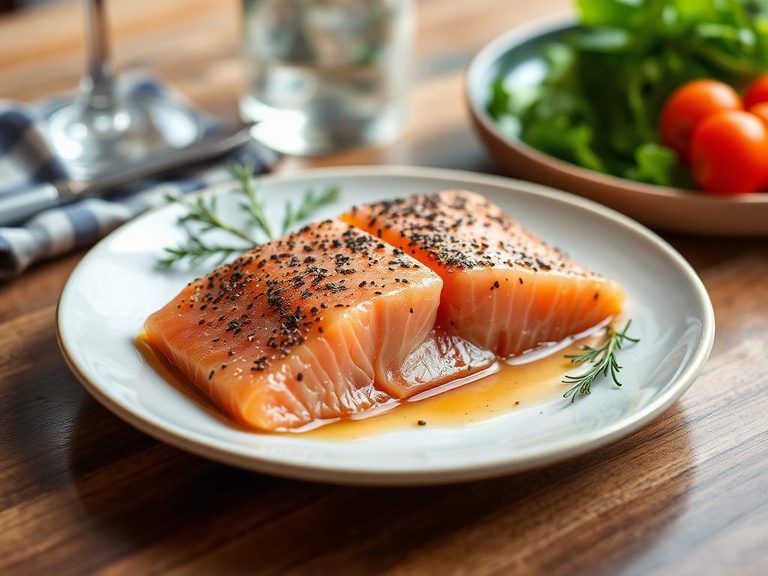
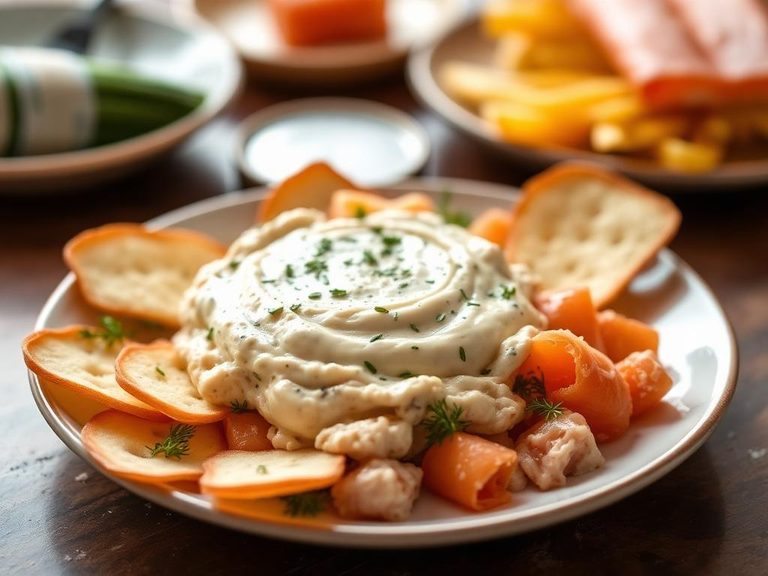
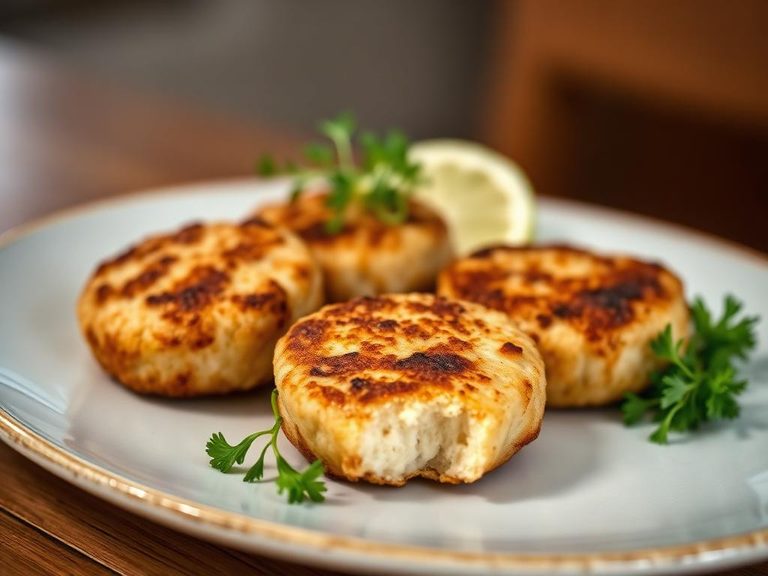
🌍 Where it's eaten
💡 Did you know?
The vibrant red-orange color of wild salmon flesh comes from astaxanthin, a powerful antioxidant that the salmon accumulates from eating krill and shrimp, and it is concentrated in the oil.
Full nutrition (USDA data · scales with serving)
| Water | 0.00 g |
| Energy | 902 kcal |
| Energy | 3774 kj |
| Protein | 0.00 g |
| Total lipid (fat) | 100 g |
| Ash | 0.00 g |
| Carbohydrate, by difference | 0.00 g |
| Fiber, total dietary | 0.00 g |
| Calcium, Ca | 0.00 mg |
| Iron, Fe | 0.00 mg |
| Magnesium, Mg | 0.00 mg |
| Phosphorus, P | 0.00 mg |
| Potassium, K | 0.00 mg |
| Sodium, Na | 0.00 mg |
| Zinc, Zn | 0.00 mg |
| Copper, Cu | 0.00 mg |
| Manganese, Mn | 0.00 mg |
| Selenium, Se | 0.00 ug |
| Vitamin C, total ascorbic acid | 0.00 mg |
| Thiamin | 0.00 mg |
| Riboflavin | 0.00 mg |
| Niacin | 0.00 mg |
| Pantothenic acid | 0.00 mg |
| Vitamin B-6 | 0.00 mg |
| Folate, total | 0.00 ug |
| Folic acid | 0.00 ug |
| Folate, food | 0.00 ug |
| Folate, DFE | 0.00 ug |
| Vitamin B-12 | 0.00 ug |
| Vitamin A, RAE | 0.00 ug |
| Retinol | 0.00 ug |
| Vitamin A, IU | 0.00 iu |
Fat & fatty acid profile (per 100g)
| Fatty acids, total saturated | 19.9 g |
| SFA 14:0 | 3.3 g |
| SFA 16:0 | 9.8 g |
| SFA 18:0 | 4.2 g |
| Fatty acids, total monounsaturated | 29.0 g |
| MUFA 16:1 | 4.8 g |
| MUFA 18:1 | 17.0 g |
| MUFA 20:1 | 3.9 g |
| MUFA 22:1 | 3.4 g |
| Fatty acids, total polyunsaturated | 40.3 g |
| PUFA 18:2 | 1.5 g |
| PUFA 18:3 | 1.1 g |
| PUFA 18:4 | 2.8 g |
| PUFA 20:4 | 0.68 g |
| PUFA 20:5 n-3 (EPA) | 13.0 g |
| PUFA 22:5 n-3 (DPA) | 3.0 g |
| PUFA 22:6 n-3 (DHA) | 18.2 g |
| Cholesterol | 485 mg |
Amino acid profile (per 100g)
Estimated from Fish, tuna, white, canned in oil, without salt, drained solids — USDA does not publish this profile for Fish oil.
| Tryptophan | 0.30 g |
| Threonine | 1.2 g |
| Isoleucine | 1.2 g |
| Leucine | 2.2 g |
| Lysine | 2.4 g |
| Methionine | 0.79 g |
| Cystine | 0.28 g |
| Phenylalanine | 1.0 g |
| Tyrosine | 0.90 g |
| Valine | 1.4 g |
| Arginine | 1.6 g |
| Histidine | 0.78 g |
| Alanine | 1.6 g |
| Aspartic acid | 2.7 g |
| Glutamic acid | 4.0 g |
| Glycine | 1.3 g |
| Proline | 0.94 g |
| Serine | 1.1 g |
FAQ
Is salmon oil the same as fish oil supplements?
Not exactly. Salmon oil is specifically derived from salmon, while general fish oil supplements can be made from various oily fish like anchovies, sardines, or mackerel. Salmon oil is often highlighted for its specific omega-3 profile and potential astaxanthin content.
Can I use salmon oil for cooking?
It is generally not recommended for high-heat cooking like frying, as it can oxidize and develop off-flavors. It's best used as a finishing oil, in cold dressings, or mixed into foods after cooking.
Why is the nutrition label showing 0g for protein and carbs?
Pure oil is a fat extract. The protein and carbohydrates are part of the salmon's muscle and tissue, which are removed during the process of isolating the oil. The nutritional value is almost entirely in its fatty acid composition.
Nutrient density (calculated · NRF9.3)
Nutrient Rich Foods index: beneficial nutrients (protein, fiber, vitamins, minerals) minus saturated fat, added sugar & sodium, per 100 kcal.
NRF9.3 index — Fulgoni, Keast & Drewnowski, 2009. Computed from USDA nutrients.
Weight-loss friendliness (composite index)
Energy density 9.02 kcal/g · 0% calories from protein · 0.0 g fiber · 0.0 g sugar per 100 g.
Composite of energy density (Rolls et al., 1999), protein & fiber satiety, minus sugar. A calculated heuristic — ranks satiety-per-calorie, not a clinical measure.
Dietary load (calculated from USDA values)
Potential renal acid load. Positive = acid-forming, negative = alkaline-forming.
Sodium:potassium per WHO potassium guidance. Computed from USDA nutrients.