Fish, tuna, white, canned in oil, without salt, drained solids
Whole food · Finfish and Shellfish Products
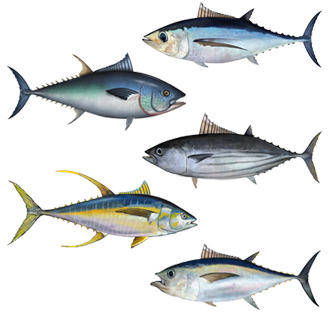
Photo: Wikipedia
This is the lean, protein-packed heart of the tuna, carefully extracted from the fish and preserved in a light coating of oil. The texture is distinctly flaky and tender, with a mild, savory flavor that is less 'fishy' than darker tuna varieties. It's a nutritional powerhouse, delivering a massive 26.5 grams of complete protein per 100 grams with virtually no carbohydrates.
💚 Why it's loved
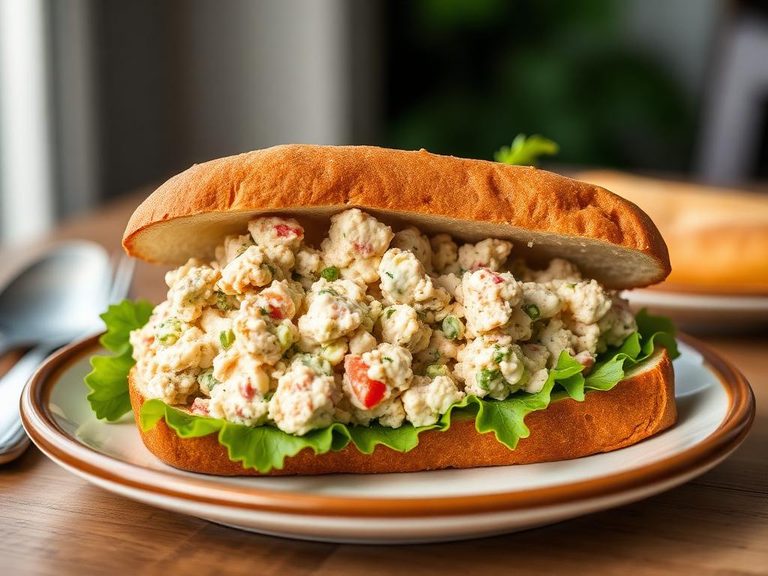
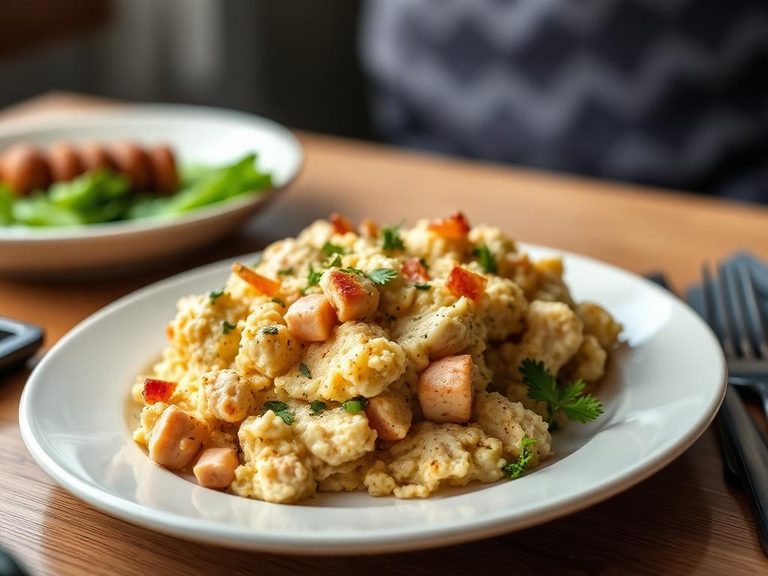
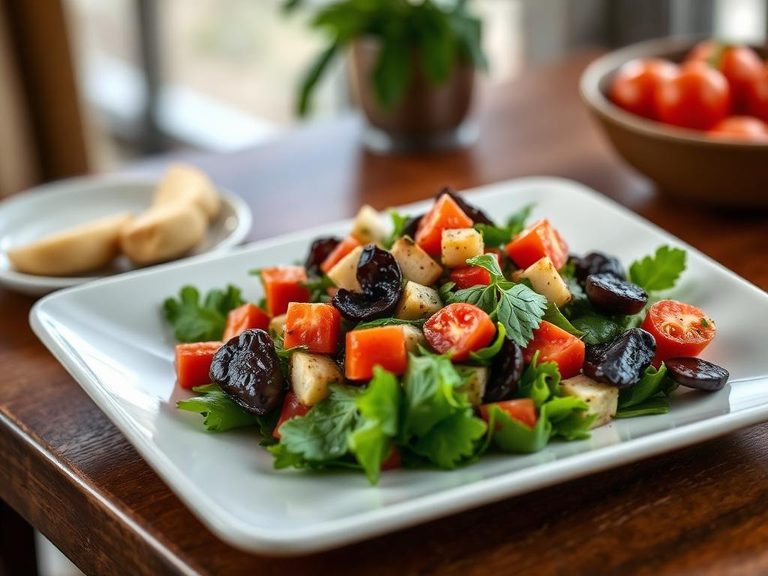
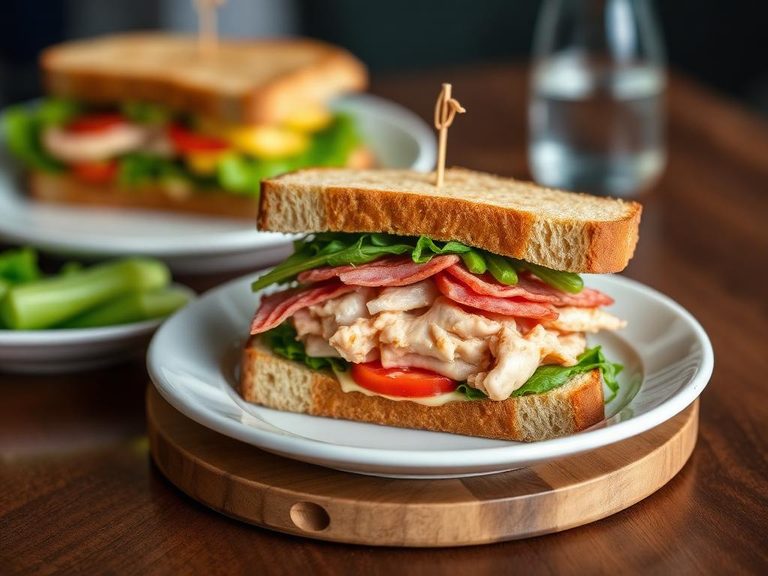
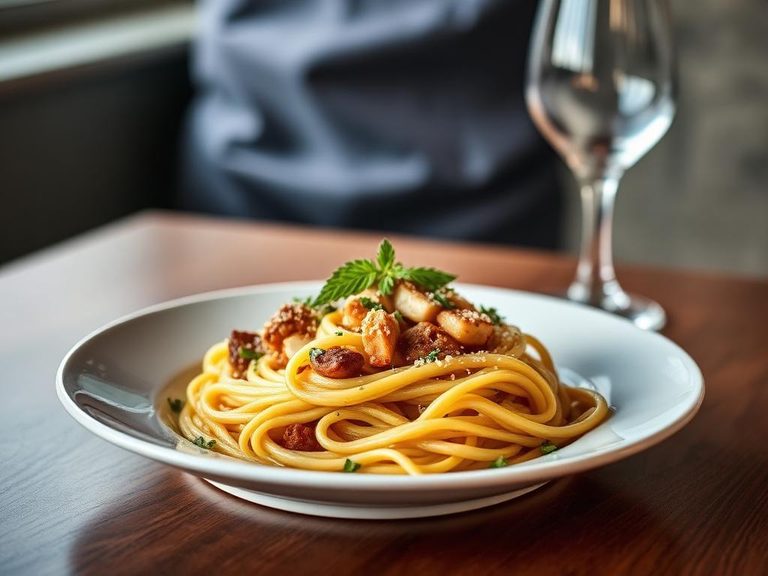
People love it for its incredible versatility and mild taste, which acts as a blank canvas for countless recipes. It's a pantry staple that can be transformed into a quick, satisfying meal in minutes, embodying practical, no-fuss nutrition.
⚠️ Watch-outs & how to enjoy it better
The primary concern is the potential for high sodium in some brands, and it is a common allergen (fish). To manage sodium, look for 'no salt added' versions and rinse the solids before use. As a fish product, it can contain trace amounts of mercury; moderation and variety in protein sources are key, especially for pregnant individuals.
Key benefits
- Exceptionally high-quality, complete protein source
- Very low in carbohydrates and sugar
- Provides healthy fats from the preserving oil
- Convenient, shelf-stable source of lean protein
- Rich in selenium and niacin (vitamin B3)
🍽️ Popular dishes
🌍 Where it's eaten
💡 Did you know?
The 'white' in the name refers to the light-colored flesh of specific tuna species like albacore, which has a milder flavor and lower fat content compared to the 'light' tuna (often skipjack) used in most canned products.
Full nutrition (scales with serving)
| Water | 64.0 g |
| Energy | 186 kcal |
| Energy | 778 kj |
| Protein | 26.5 g |
| Total lipid (fat) | 8.1 g |
| Ash | 2.2 g |
| Carbohydrate, by difference | 0.00 g |
| Fiber, total dietary | 0.00 g |
| Calcium, Ca | 4.0 mg |
| Iron, Fe | 0.65 mg |
| Magnesium, Mg | 34.0 mg |
| Phosphorus, P | 267 mg |
| Potassium, K | 333 mg |
| Sodium, Na | 50.0 mg |
| Zinc, Zn | 0.47 mg |
| Copper, Cu | 0.13 mg |
| Manganese, Mn | 0.02 mg |
| Selenium, Se | 60.1 ug |
| Fluoride, F | 31.0 ug |
| Vitamin C, total ascorbic acid | 0.00 mg |
| Thiamin | 0.02 mg |
| Riboflavin | 0.08 mg |
| Niacin | 11.7 mg |
| Pantothenic acid | 0.37 mg |
| Vitamin B-6 | 0.43 mg |
| Folate, total | 5.0 ug |
| Folic acid | 0.00 ug |
| Folate, food | 5.0 ug |
| Folate, DFE | 5.0 ug |
| Vitamin B-12 | 2.2 ug |
| Vitamin A, IU | 80.0 iu |
Fat & fatty acid profile (per 100g)
| Fatty acids, total saturated | 1.6 g |
| Fatty acids, total monounsaturated | 2.5 g |
| Fatty acids, total polyunsaturated | 3.4 g |
| Cholesterol | 31.0 mg |
Amino acid profile (per 100g)
| Tryptophan | 0.30 g |
| Threonine | 1.2 g |
| Isoleucine | 1.2 g |
| Leucine | 2.2 g |
| Lysine | 2.4 g |
| Methionine | 0.79 g |
| Cystine | 0.28 g |
| Phenylalanine | 1.0 g |
| Tyrosine | 0.90 g |
| Valine | 1.4 g |
| Arginine | 1.6 g |
| Histidine | 0.78 g |
| Alanine | 1.6 g |
| Aspartic acid | 2.7 g |
| Glutamic acid | 4.0 g |
| Glycine | 1.3 g |
| Proline | 0.94 g |
| Serine | 1.1 g |
FAQ
What's the difference between 'white' and 'light' canned tuna?
'White' tuna is typically albacore, with a milder flavor, firmer texture, and higher price. 'Light' tuna is usually skipjack or yellowfin, has a stronger flavor, softer texture, and is more affordable.
Why is it 'without salt' and is it better?
This means no salt was added during canning. It's a better choice for those monitoring sodium intake. The natural sodium content of the fish remains, but it's significantly lower than salted versions.
Can I use this in a raw dish like sushi?
No. Canned tuna is a cooked, preserved product and is not safe or intended for raw consumption. For sushi or poke, you must use fresh, sushi-grade tuna.