

Fish, herring eggs, Pacific, dry (Alaska Native)
Whole food · American Indian/Alaska Native Foods

Photo: Wikipedia
Pacific herring eggs, or 'herring roe on kelp,' are a traditional Alaska Native delicacy harvested in late winter. They offer a unique, briny burst of flavor with a texture that ranges from delicate and popping to pleasantly chewy, depending on whether they're attached to kelp or twigs. This dried form is a nutritional powerhouse, packing an extraordinary 60 grams of protein per 100 grams with minimal fat and carbs.
Calorie split: 77% protein · 4% carbs · 19% fat
↓ Full nutrition💚 Why it's loved
It is cherished for its intense, oceanic umami flavor and the cultural significance of the spring harvest, which is a time of community and celebration. Its versatility allows it to be eaten as a standalone snack, a condiment to add depth to soups, or a topping for rice and vegetables.
⚠️ Watch-outs & how to enjoy it better
Its strong, salty, and fishy taste can be polarizing for those unfamiliar with it. The high sodium content may be a concern for individuals monitoring their salt intake. To counteract this, serve it in small portions as a flavor accent rather than a main dish, and pair it with unsalted starches like plain rice or blanched greens to balance the saltiness.
Key benefits
- Exceptionally high in complete protein for muscle maintenance and satiety.
- Rich in omega-3 fatty acids (EPA and DHA) for heart and brain health.
- A good source of vitamin B12, essential for nerve function and red blood cell formation.
- Provides minerals like selenium and phosphorus from its marine origin.
- Naturally low in carbohydrates and sugar.
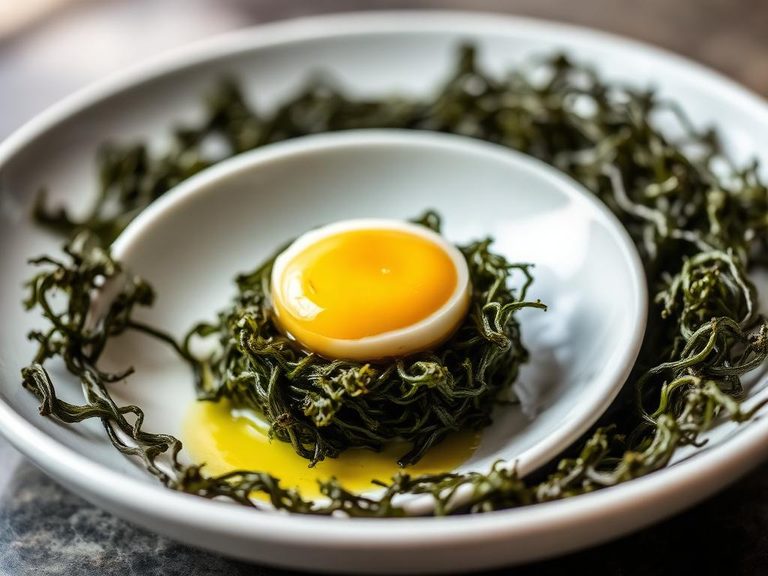
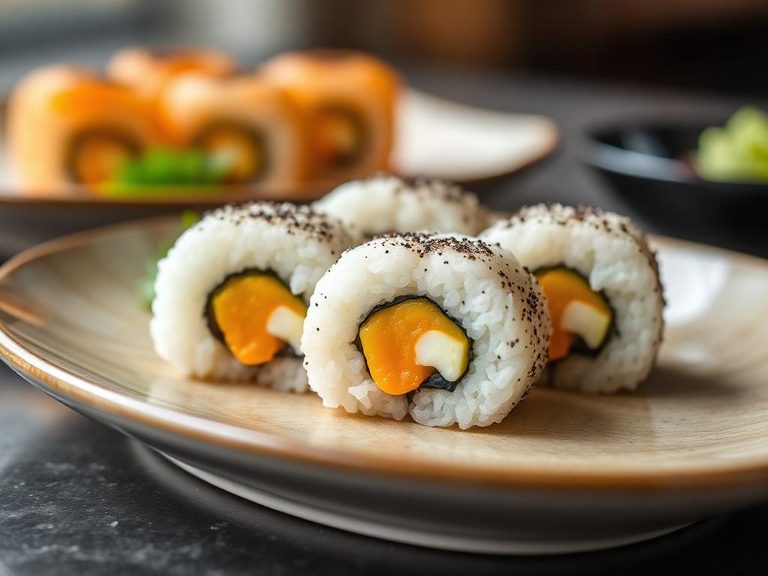
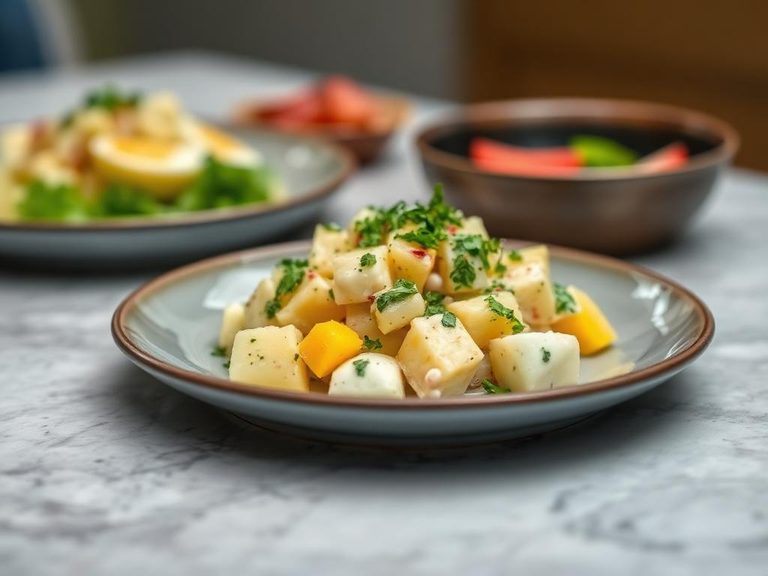
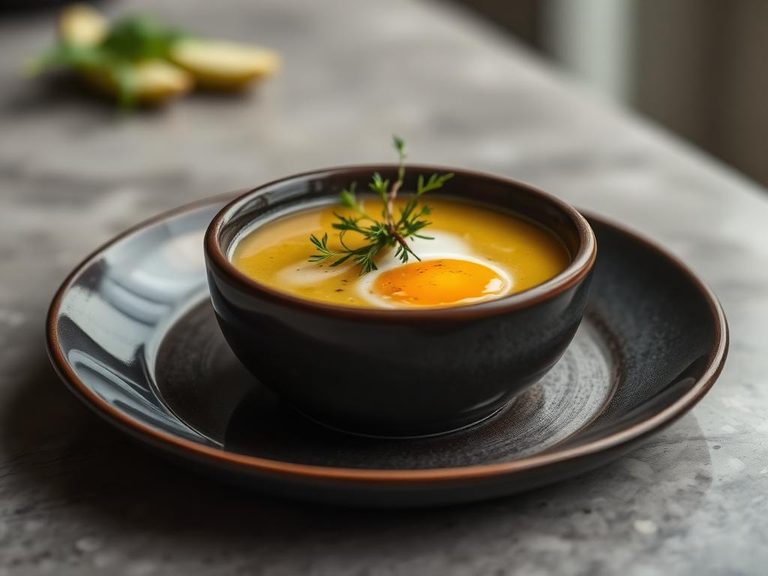
🍽️ Popular dishes
🌍 Where it's eaten
💡 Did you know?
The eggs are traditionally harvested by pulling kelp fronds or hemlock branches from the water after herring have spawned on them, a method that requires intimate knowledge of tides and timing.
Full nutrition (USDA data · scales with serving)
| Water | 27.3 g |
| Energy | 312 kcal |
| Energy | 1306 kj |
| Protein | 60.4 g |
| Total lipid (fat) | 6.6 g |
| Ash | 2.9 g |
| Carbohydrate, by difference | 2.8 g |
| Calcium, Ca | 29.0 mg |
| Phosphorus, P | 808 mg |
| Thiamin | 0.05 mg |
| Riboflavin | 0.17 mg |
| Niacin | 4.1 mg |
Fat & fatty acid profile (per 100g)
Estimated from Fish, halibut, raw, with skin (Alaska Native) — USDA does not publish this profile for Fish.
| Fatty acids, total saturated | 0.73 g |
| SFA 8:0 | 0.00 g |
| SFA 10:0 | 0.00 g |
| SFA 12:0 | 0.00 g |
| SFA 14:0 | 0.09 g |
| SFA 15:0 | 0.01 g |
| SFA 16:0 | 0.38 g |
| SFA 17:0 | 0.00 g |
| SFA 18:0 | 0.09 g |
| SFA 20:0 | 0.01 g |
| SFA 22:0 | 0.00 g |
| SFA 24:0 | 0.00 g |
| Fatty acids, total monounsaturated | 1.2 g |
| MUFA 14:1 | 0.00 g |
| MUFA 15:1 | 0.00 g |
| MUFA 16:1 | 0.23 g |
| MUFA 17:1 | 0.00 g |
| MUFA 18:1 | 0.59 g |
| MUFA 20:1 | 0.11 g |
| MUFA 22:1 | 0.00 g |
| MUFA 22:1 c | 0.00 g |
| MUFA 24:1 c | 0.01 g |
| Fatty acids, total polyunsaturated | 0.91 g |
| PUFA 18:2 | 0.02 g |
| PUFA 18:3 | 0.01 g |
| PUFA 18:3 n-3 c,c,c (ALA) | 0.01 g |
| PUFA 18:3 n-6 c,c,c | 0.00 g |
| PUFA 18:4 | 0.00 g |
| PUFA 20:2 n-6 c,c | 0.01 g |
| PUFA 20:3 | 0.00 g |
| PUFA 20:4 | 0.03 g |
| PUFA 20:5 n-3 (EPA) | 0.22 g |
| PUFA 21:5 | 0.00 g |
| PUFA 22:4 | 0.00 g |
| PUFA 22:5 n-3 (DPA) | 0.06 g |
| PUFA 22:6 n-3 (DHA) | 0.39 g |
| Cholesterol | 72.0 mg |
Amino acid profile (per 100g)
Estimated from Fish, halibut, raw, with skin (Alaska Native) — USDA does not publish this profile for Fish.
| Tryptophan | 0.31 g |
| Threonine | 0.95 g |
| Isoleucine | 0.94 g |
| Leucine | 1.6 g |
| Lysine | 1.8 g |
| Methionine | 0.80 g |
| Cystine | 0.35 g |
| Phenylalanine | 0.82 g |
| Tyrosine | 0.70 g |
| Valine | 1.0 g |
| Arginine | 1.2 g |
| Histidine | 0.50 g |
| Alanine | 1.2 g |
| Aspartic acid | 2.8 g |
| Glutamic acid | 3.2 g |
| Glycine | 0.93 g |
| Proline | 0.73 g |
| Serine | 0.91 g |
| Hydroxyproline | 0.18 g |
FAQ
What does dried herring egg taste like?
It has a very concentrated, briny, and savory (umami) flavor of the sea, similar to a potent fish sauce or anchovy, but with a unique, subtle sweetness.
How is it typically prepared and eaten?
It is often rehydrated briefly in water or broth, then used as a topping for rice, mixed into salads, or added to soups. In Alaska, it's also eaten directly off the kelp or twigs.
Is it the same as fish roe like caviar?
While both are fish eggs, herring eggs are much larger and are harvested in mass clusters from spawning grounds, not individually extracted. The texture and flavor profile are distinct from the tiny, popping pearls of sturgeon caviar.
Weight-loss friendliness (composite index)
Energy density 3.12 kcal/g · 77% calories from protein · 0.0 g fiber · 0.0 g sugar per 100 g.
Composite of energy density (Rolls et al., 1999), protein & fiber satiety, minus sugar. A calculated heuristic — ranks satiety-per-calorie, not a clinical measure.