Herring Egg Sushi or Onigiri
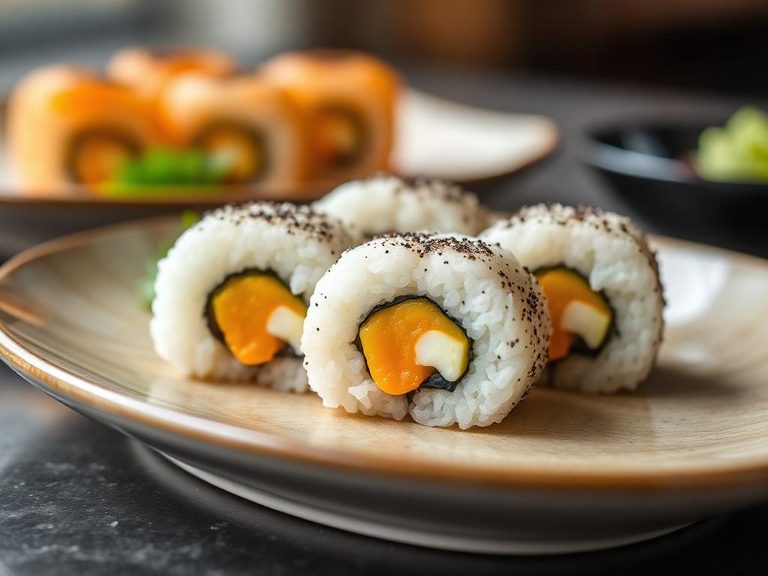
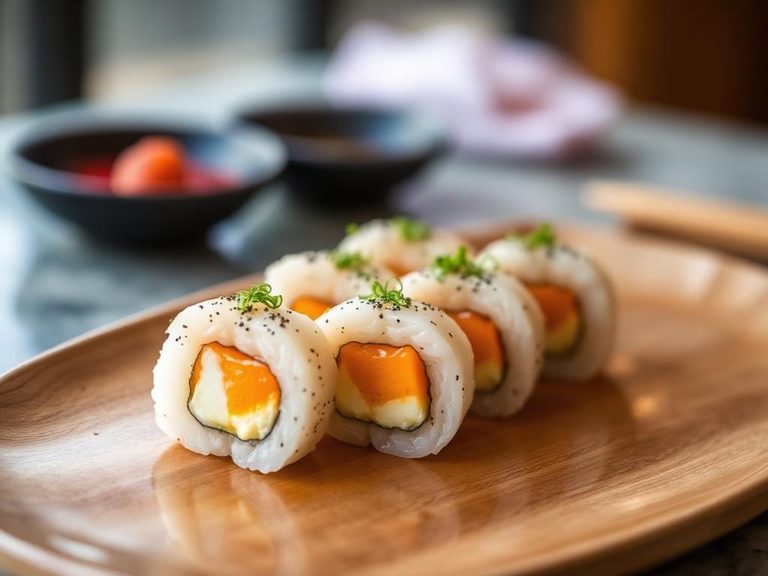
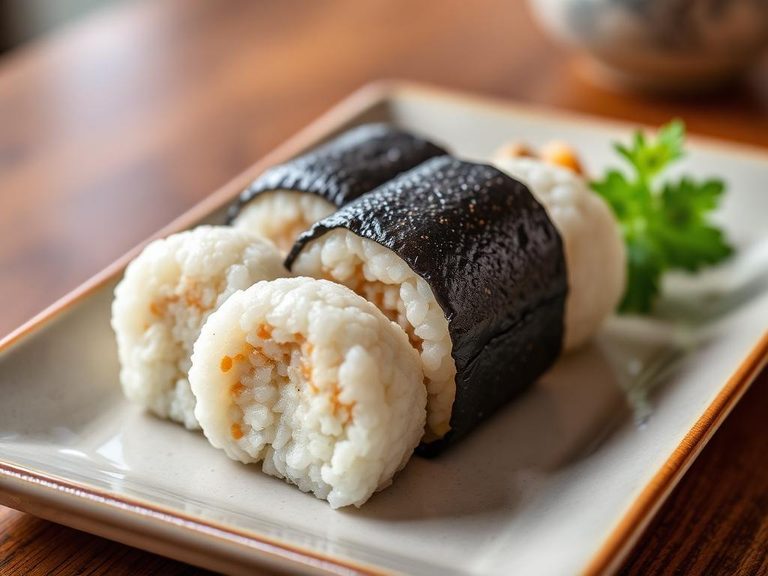
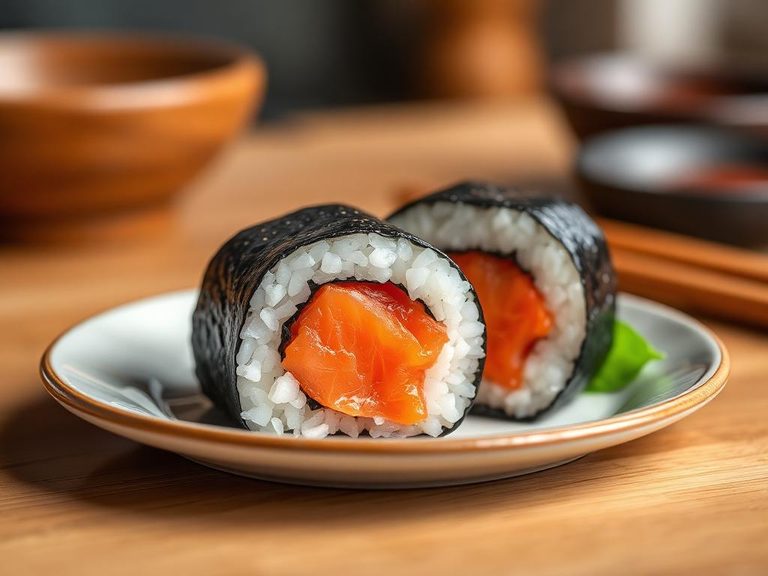
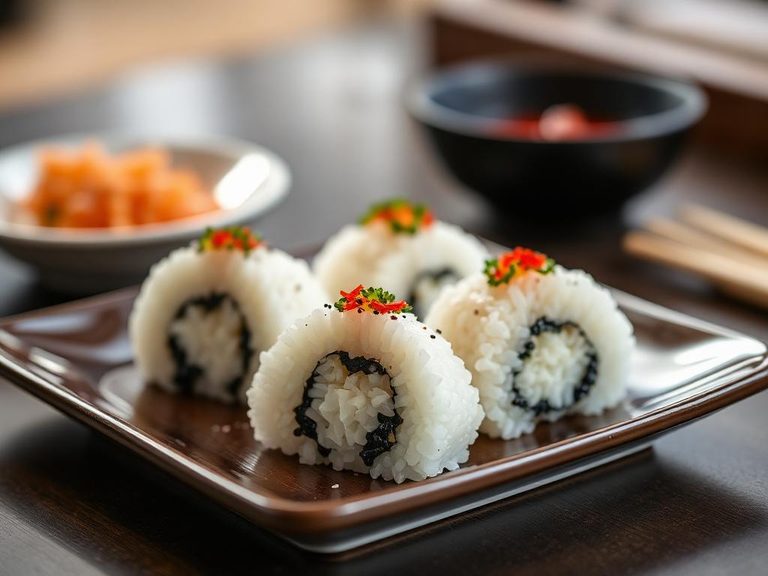
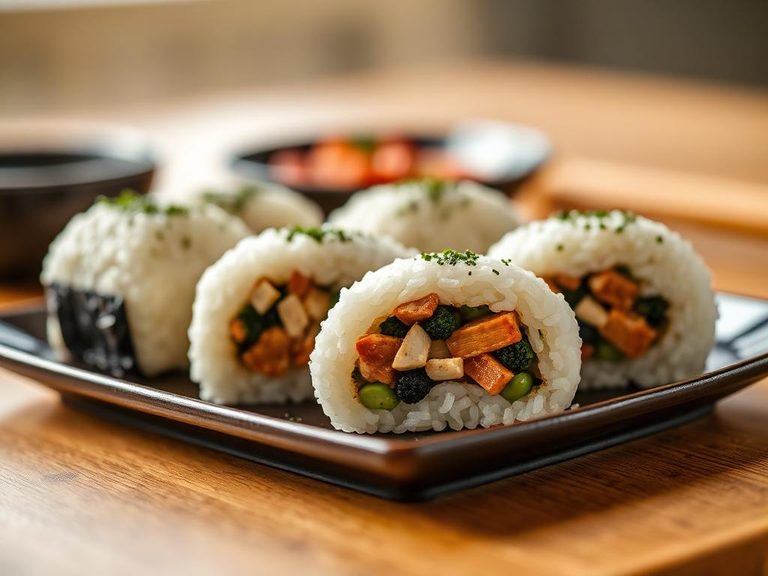
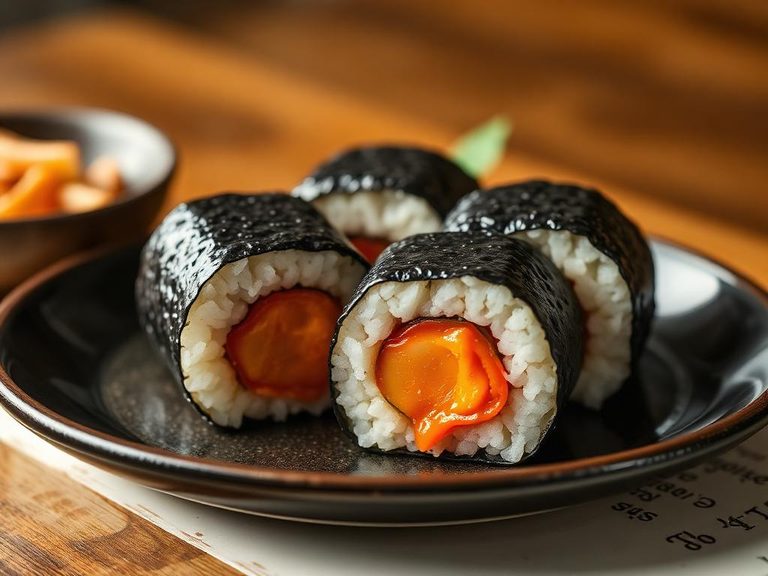
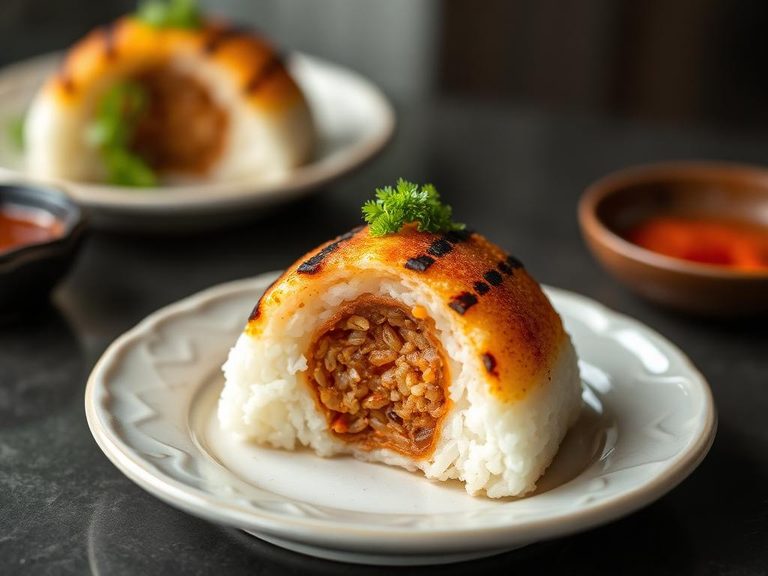
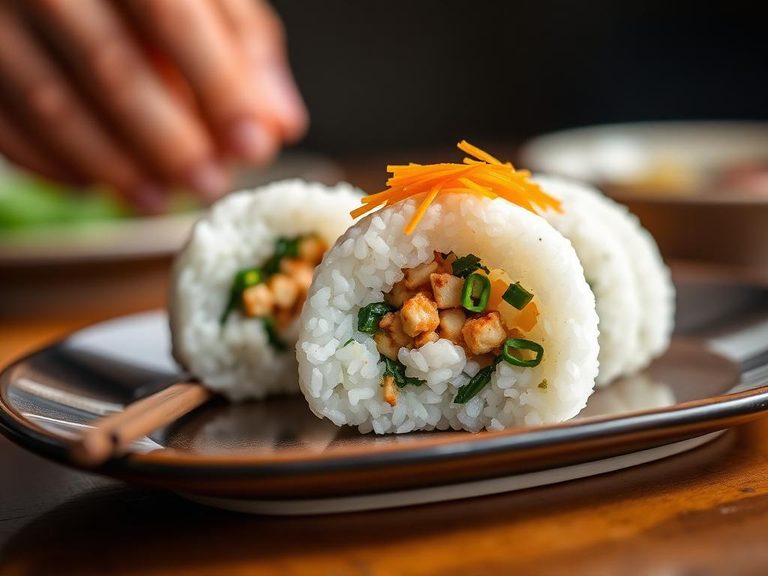
Herring Egg Sushi (Nishin-zushi) or Onigiri is a traditional Japanese dish featuring cured herring and its roe (eggs) paired with vinegared sushi rice. The herring is typically simmered in a sweet soy-based sauce, while the tiny, translucent eggs add a unique, popping texture. It is a beloved regional specialty, particularly associated with Hokkaido and winter celebrations.
🍽️ Nutrition at a glance
This dish is a balanced source of carbohydrates from the rice and high-quality protein from the herring and its roe. It provides a good amount of omega-3 fatty acids, vitamin D, and vitamin B12, with a typical serving containing around 300-400 calories.
Nutrition breakdown
| Calories | 350 kcal |
| Protein | 18 g |
| Carbs | 45 g |
| Fat | 9 g |
| Fiber | 1 g |
| Sugar | 8 g |
| Sodium | 680 mg |
| Vitamin B12 | 4.5 µg |
| Vitamin D | 12 µg |
| Omega-3 (EPA+DHA) | 1.2 g |
| Phosphorus | 220 mg |
| Selenium | 35 µg |
| Niacin (B3) | 5 mg |
| Iron | 1.5 mg |
| Zinc | 2 mg |
Per 1 piece of herring egg sushi (approx. 100 g) · estimated, varies by recipe
💡 What's interesting
Culturally, herring was historically a vital, affordable food source in northern Japan, and this dish symbolizes prosperity and a good harvest. Nutritionally, the herring eggs are a concentrated source of nutrients like phosphorus and selenium, offering a textural contrast that is highly prized in Japanese cuisine.