Japanese onigiri filling
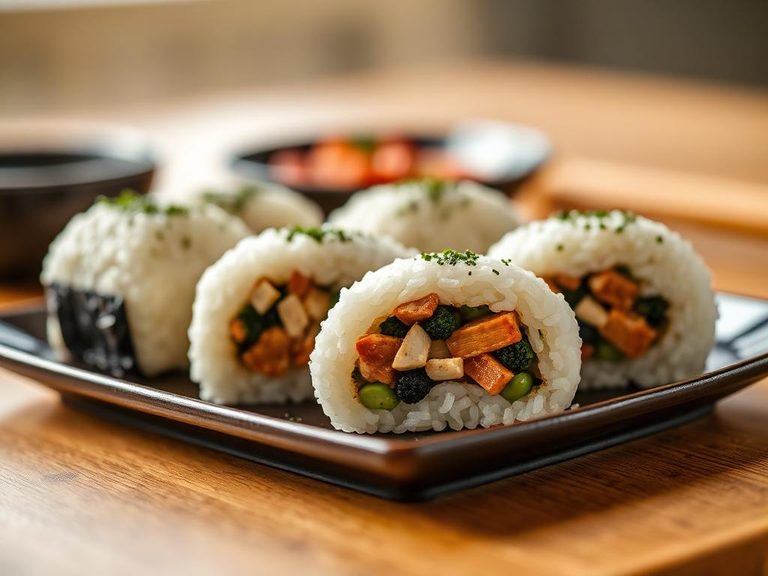
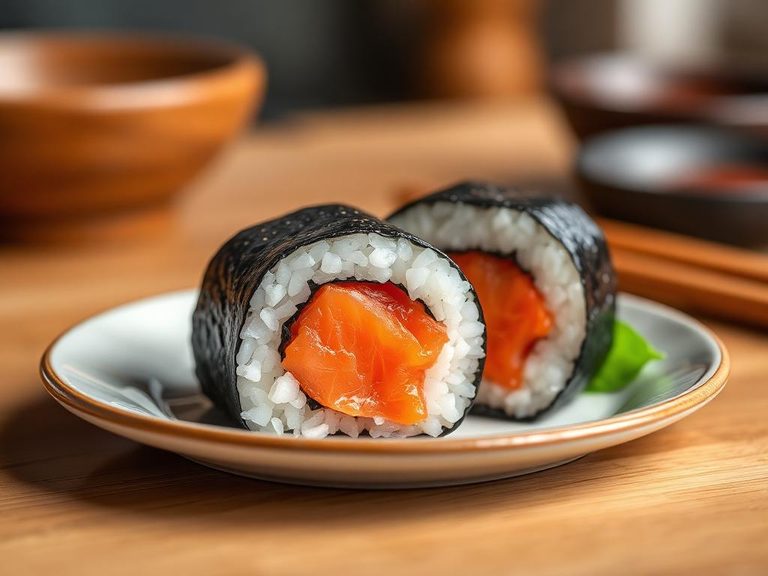
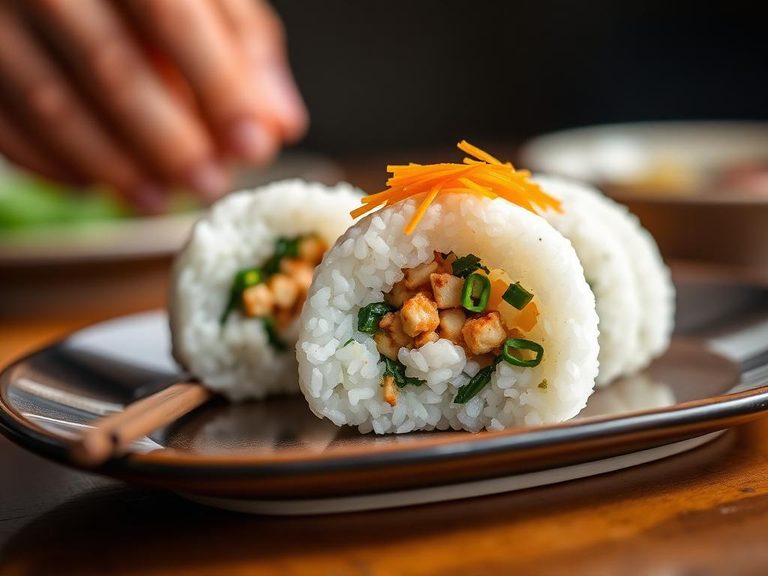
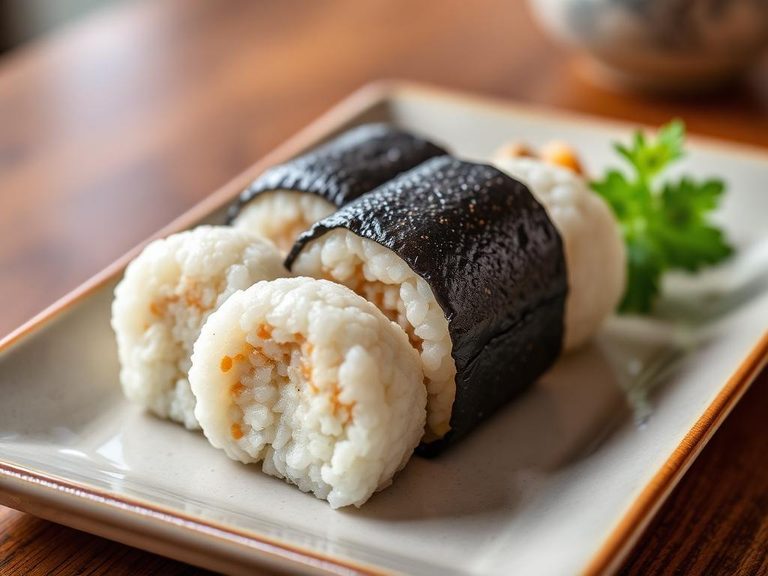
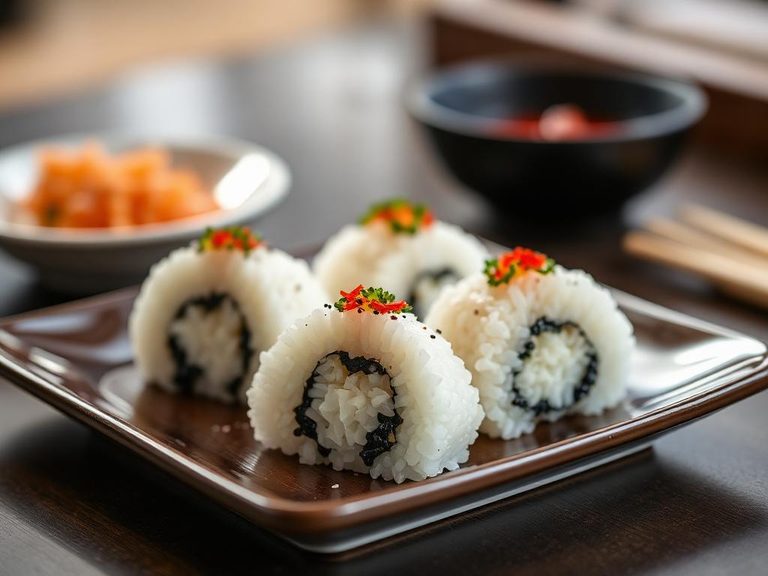
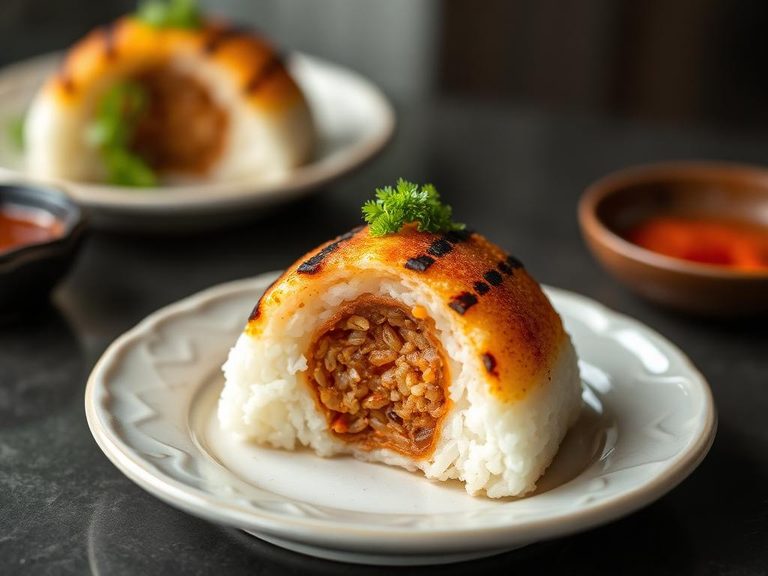
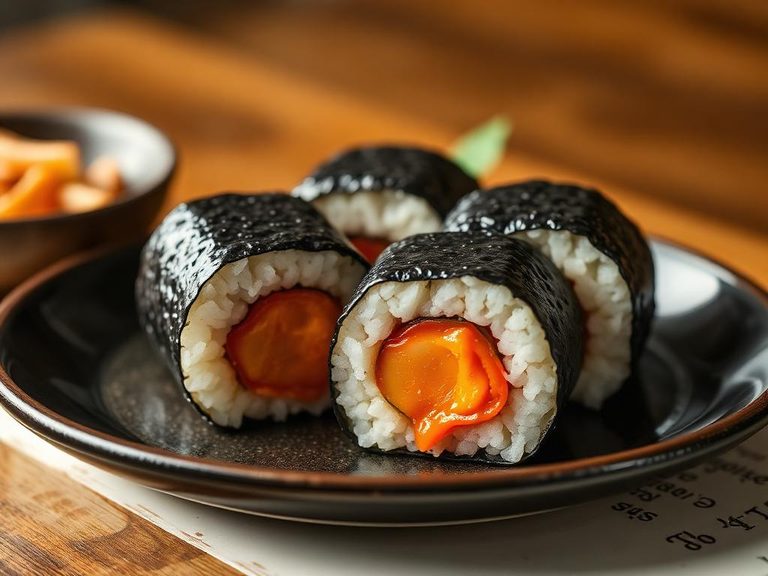
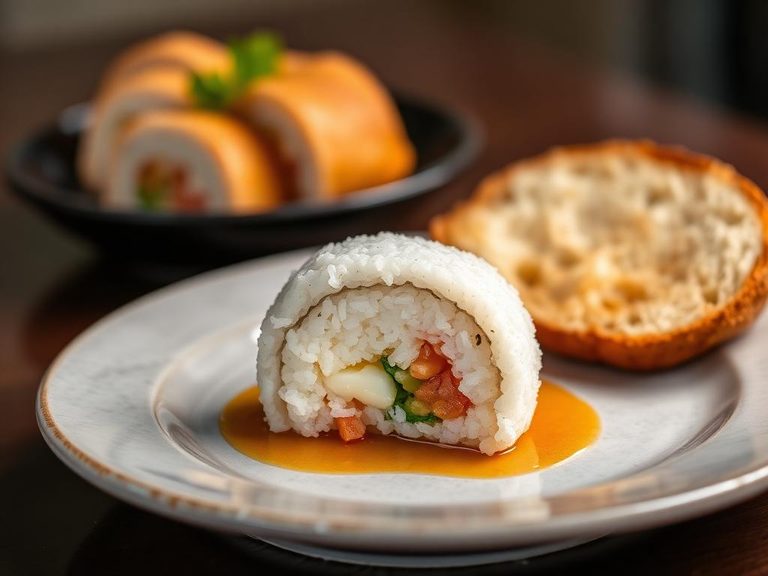
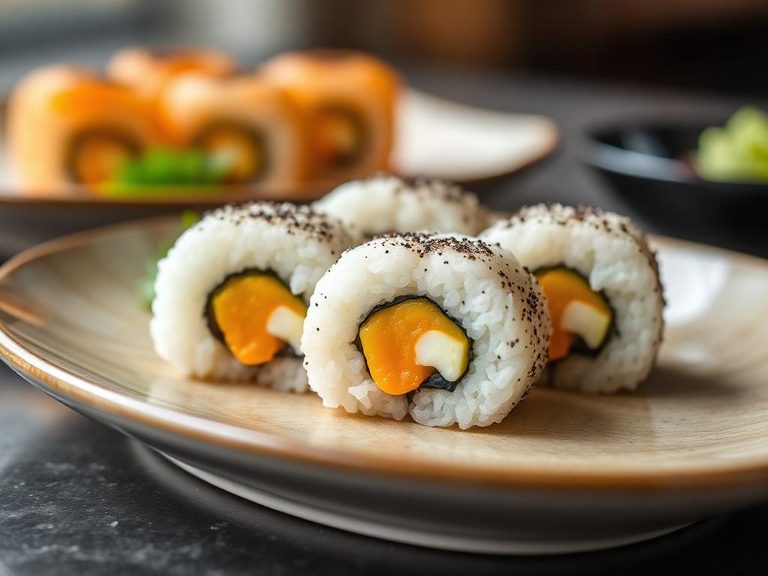
Japanese onigiri filling refers to the savory ingredients tucked inside a hand-formed rice ball, a staple of Japanese home cooking and convenience food. Common fillings include umami-rich options like grilled salmon (shiozake), pickled plum (umeboshi), tuna mixed with mayonnaise (tsuna mayo), and seasoned kelp (kombu). These fillings are designed to complement the mild, slightly sticky Japanese short-grain rice.
🍽️ Nutrition at a glance
The filling itself is generally low in carbohydrates and calories, with the bulk of the nutrition coming from the rice. Depending on the choice, it can be a good source of protein (like salmon or tuna) or offer unique nutrients like antioxidants from pickled plums.
Nutrition breakdown
| Calories | 180 kcal |
| Protein | 3.5 g |
| Carbs | 38 g |
| Fat | 1.5 g |
| Fiber | 0.5 g |
| Sugar | 0.5 g |
| Sodium | 320 mg |
| Manganese | 0.8 mg |
| Selenium | 12 mcg |
| Thiamin (B1) | 0.1 mg |
| Niacin (B3) | 1.8 mg |
| Magnesium | 15 mg |
| Phosphorus | 45 mg |
| Iron | 0.5 mg |
| Copper | 0.1 mg |
Per 1 onigiri (110 g) · estimated, varies by recipe
💡 What's interesting
The practice of placing umeboshi (sour plum) in the center of onigiri is a traditional Japanese food preservation technique, as its antimicrobial properties were believed to help keep the rice fresh longer, especially before refrigeration was common.