Onigiri Filling
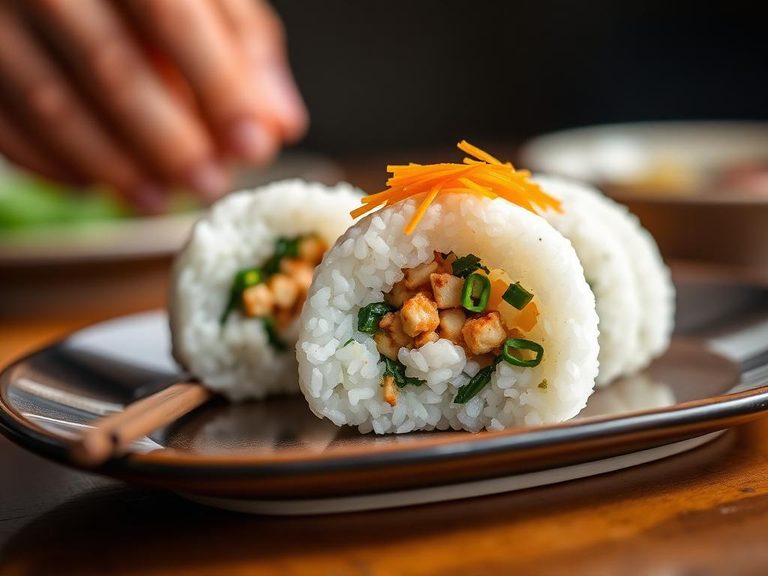
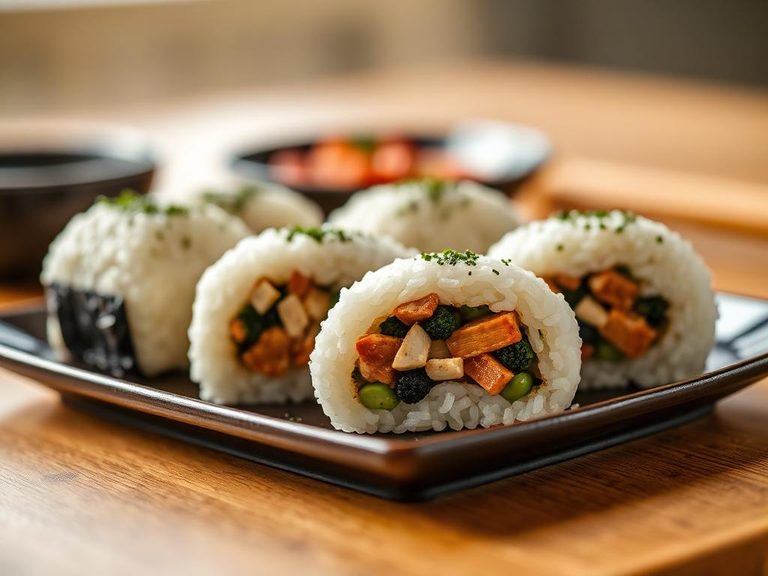
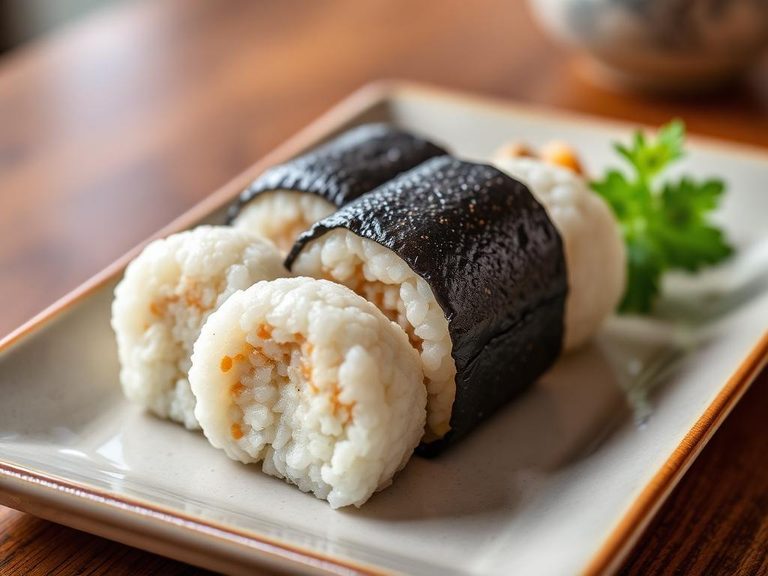
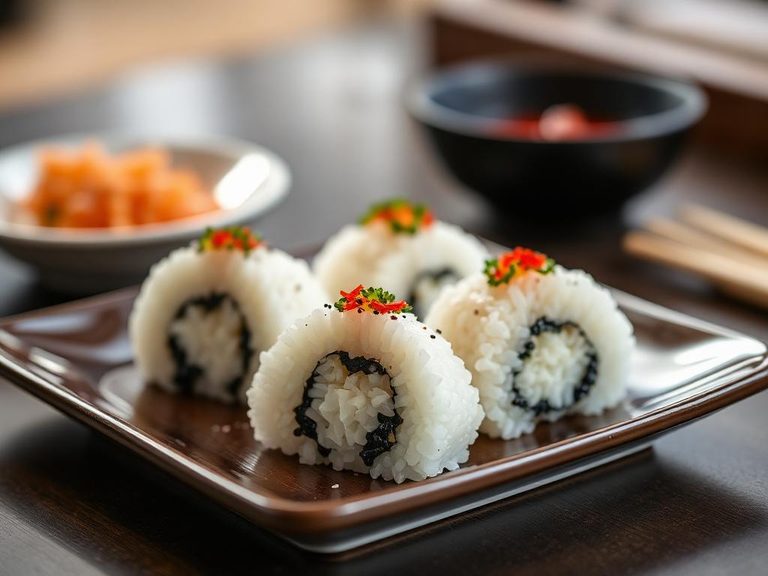
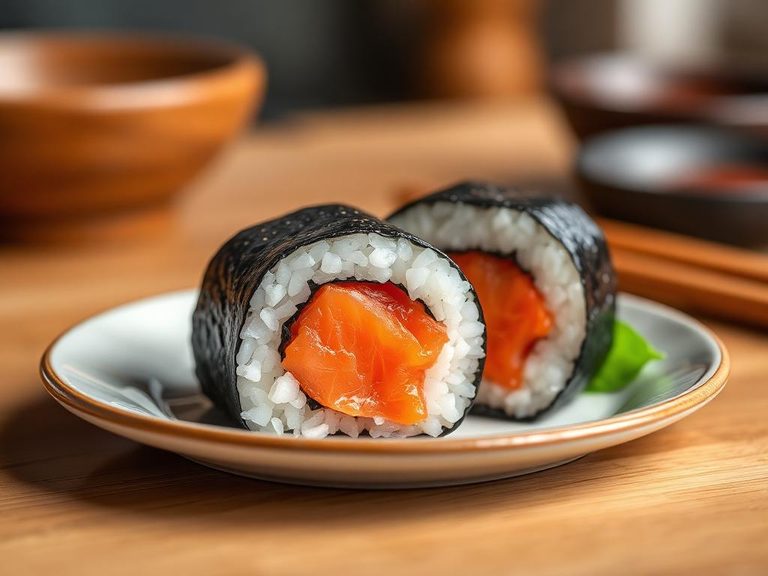
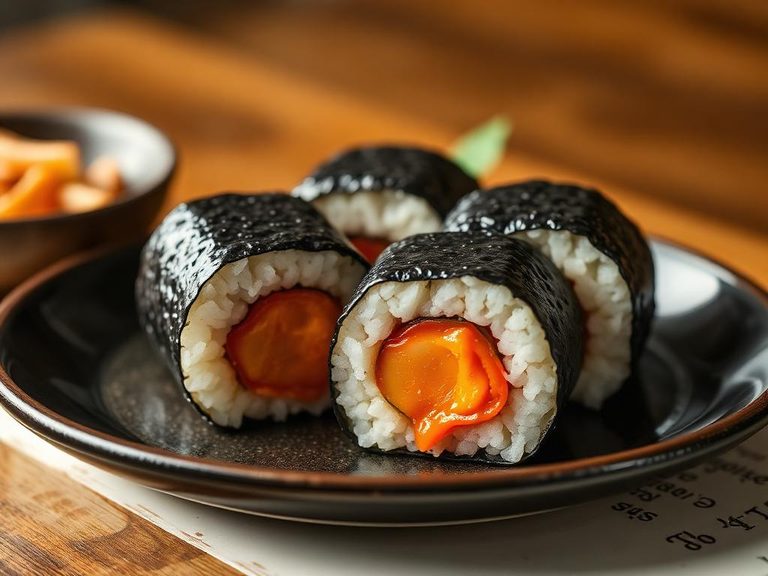
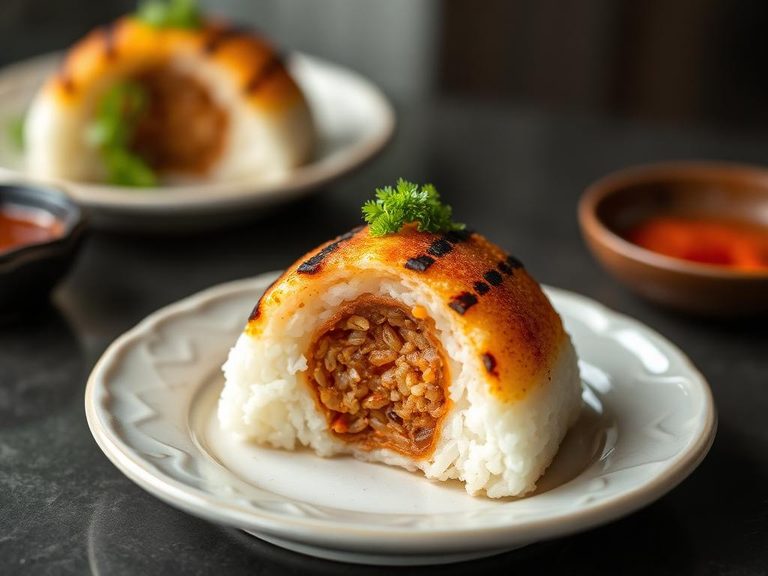
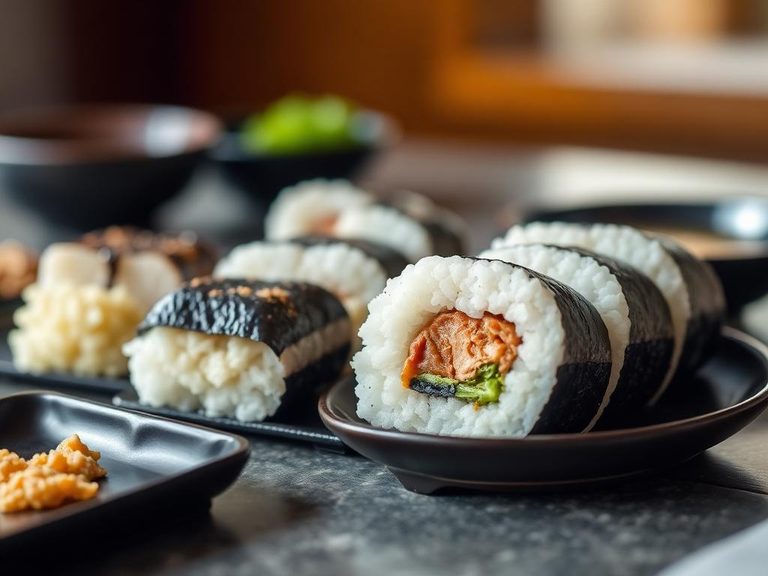
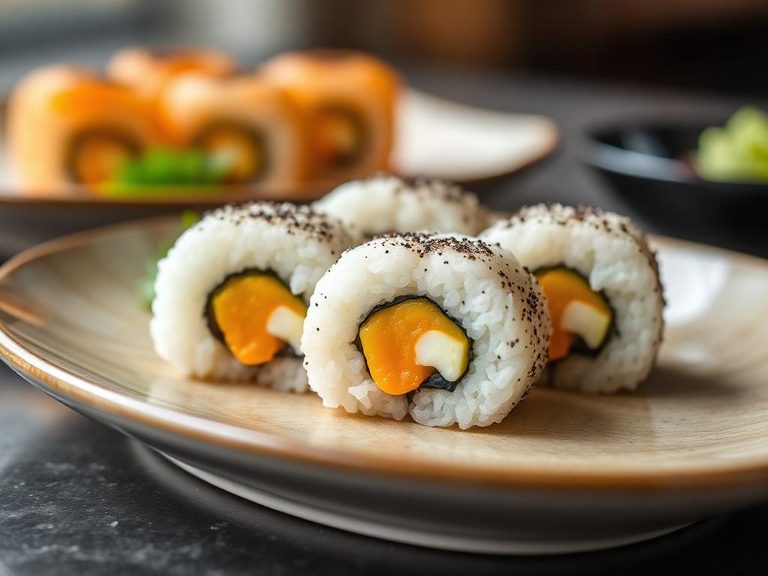
Onigiri filling refers to the savory ingredients tucked inside a Japanese rice ball, traditionally made with ingredients like umeboshi (pickled plum), grilled salmon, or tuna mixed with mayo. These fillings are encased in compacted, often triangular-shaped rice and wrapped in nori seaweed, making it a beloved portable snack or meal originating from Japan.
🍽️ Nutrition at a glance
Onigiri is primarily a carbohydrate-rich food from the rice, with the filling adding a modest amount of protein (like from fish or egg) and minimal fat unless ingredients like mayonnaise are used. A typical rice ball with filling provides around 200-300 calories, along with small amounts of vitamins and minerals from the seaweed and filling ingredients.
Nutrition breakdown
| Calories | 185 kcal |
| Protein | 4.5 g |
| Carbs | 38 g |
| Fat | 1.5 g |
| Fiber | 1 g |
| Sugar | 0.5 g |
| Sodium | 350 mg |
| Manganese | 1.1 mg |
| Selenium | 12 mcg |
| Thiamin (B1) | 0.1 mg |
| Niacin (B3) | 1.8 mg |
| Folate | 45 mcg |
| Iron | 0.8 mg |
| Magnesium | 18 mg |
| Phosphorus | 45 mg |
Per 1 piece (90 g) · estimated, varies by recipe
💡 What's interesting
Culturally, onigiri fillings reflect regional Japanese flavors and seasonal ingredients, with umeboshi historically valued for its preservative properties. Nutritionally, the combination of rice and seaweed offers a balanced source of energy and iodine, making it a practical and wholesome choice for on-the-go eating.