

Egg, whole, dried, stabilized, glucose reduced
Whole food · Dairy and Egg Products

Photo: Wikipedia
This is egg in its most concentrated, shelf-stable form—a fine, golden powder made by dehydrating whole eggs after removing most of the glucose. It has a rich, savory, deeply eggy flavor and a smooth, fine texture that rehydrates into a liquid indistinguishable from fresh beaten eggs. Its standout feature is its incredible protein density, packing over 48 grams of high-quality protein per 100 grams.
Calorie split: 32% protein · 2% carbs · 66% fat
↓ Full nutrition💚 Why it's loved
Chefs and home cooks love it for its unmatched convenience and consistency—it guarantees perfect results in baking and scrambling without the risk of a bad egg. It's a staple in emergency food supplies, military rations, and remote kitchens where fresh eggs are impractical.
⚠️ Watch-outs & how to enjoy it better
As a concentrated allergen, it poses a severe risk for those with egg allergies. The dehydration process can slightly alter the fresh egg flavor, which some may find less vibrant. To mitigate allergen risk, always check labels and consider alternative protein powders if allergic. For flavor, rehydrate it with a splash of milk or water and use it in strongly seasoned dishes where its subtle differences are masked.
Key benefits
- Exceptional source of complete, high-biological-value protein.
- Extremely long shelf life without refrigeration.
- Lightweight and compact for storage and transport.
- Provides essential fats, vitamins (A, D, E, B12), and choline.
- Glucose-reduced formulation minimizes browning in cooked applications.
🍽️ Popular dishes
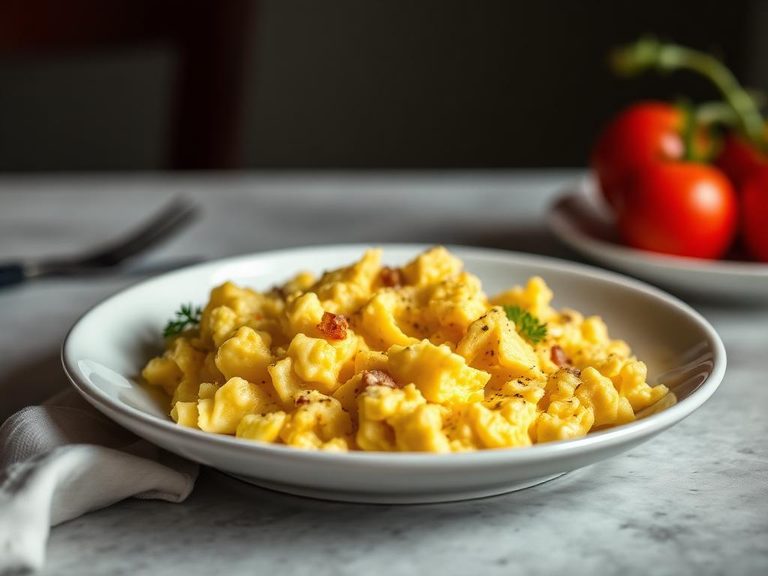

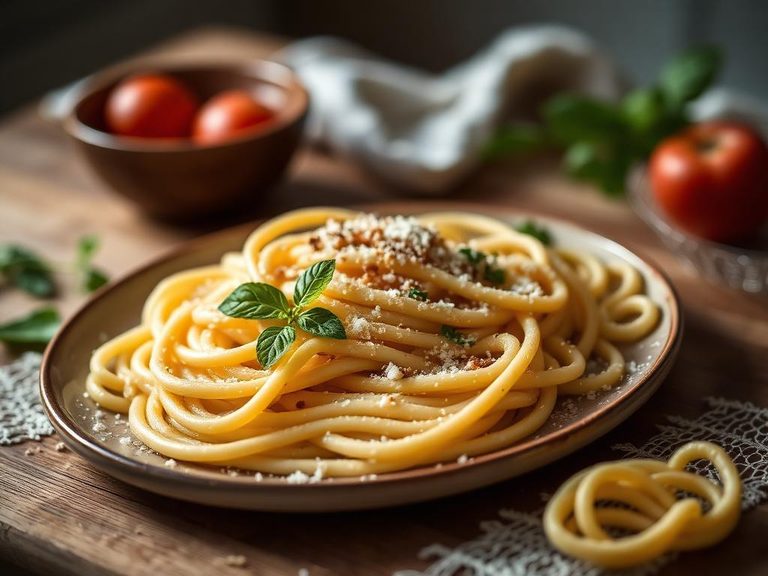

🌍 Where it's eaten
💡 Did you know?
The glucose-reduction process is key: it prevents the Maillard reaction (browning) during storage, keeping the powder stable and preventing it from developing off-flavors over years.
Full nutrition (USDA data · scales with serving)
| Water | 1.9 g |
| Energy | 615 kcal |
| Energy | 2574 kj |
| Protein | 48.2 g |
| Total lipid (fat) | 44.0 g |
| Ash | 3.6 g |
| Carbohydrate, by difference | 2.4 g |
| Fiber, total dietary | 0.00 g |
| Calcium, Ca | 222 mg |
| Iron, Fe | 8.3 mg |
| Magnesium, Mg | 49.0 mg |
| Phosphorus, P | 715 mg |
| Potassium, K | 515 mg |
| Sodium, Na | 548 mg |
| Zinc, Zn | 5.7 mg |
| Copper, Cu | 0.27 mg |
| Manganese, Mn | 0.15 mg |
| Selenium, Se | 121 ug |
| Vitamin C, total ascorbic acid | 0.00 mg |
| Thiamin | 0.33 mg |
| Riboflavin | 1.2 mg |
| Niacin | 0.26 mg |
| Pantothenic acid | 6.7 mg |
| Vitamin B-6 | 0.42 mg |
| Folate, total | 193 ug |
| Folic acid | 0.00 ug |
| Folate, food | 193 ug |
| Folate, DFE | 193 ug |
| Vitamin B-12 | 10.5 ug |
| Vitamin A, RAE | 616 ug |
| Retinol | 616 ug |
| Vitamin A, IU | 2050 iu |
Fat & fatty acid profile (per 100g)
| Fatty acids, total saturated | 13.2 g |
| SFA 4:0 | 0.00 g |
| SFA 6:0 | 0.00 g |
| SFA 8:0 | 0.00 g |
| SFA 10:0 | 0.00 g |
| SFA 12:0 | 0.00 g |
| SFA 14:0 | 0.12 g |
| SFA 16:0 | 9.7 g |
| SFA 18:0 | 3.4 g |
| Fatty acids, total monounsaturated | 17.6 g |
| MUFA 16:1 | 1.5 g |
| MUFA 18:1 | 16.1 g |
| Fatty acids, total polyunsaturated | 5.7 g |
| PUFA 18:2 | 4.9 g |
| PUFA 18:3 | 0.12 g |
| PUFA 20:4 | 0.37 g |
| Cholesterol | 2017 mg |
Amino acid profile (per 100g)
| Tryptophan | 0.77 g |
| Threonine | 2.4 g |
| Isoleucine | 3.0 g |
| Leucine | 4.2 g |
| Lysine | 3.3 g |
| Methionine | 1.6 g |
| Cystine | 1.1 g |
| Phenylalanine | 2.7 g |
| Tyrosine | 2.0 g |
| Valine | 3.5 g |
| Arginine | 3.1 g |
| Histidine | 1.2 g |
| Alanine | 2.8 g |
| Aspartic acid | 4.8 g |
| Glutamic acid | 6.1 g |
| Glycine | 1.6 g |
| Proline | 1.9 g |
| Serine | 3.7 g |
FAQ
How do I rehydrate it?
A standard ratio is about 2 tablespoons of powder to 3 tablespoons of water to replace one large fresh egg. Whisk thoroughly and let it sit for a minute to fully hydrate before using.
Is it nutritionally the same as fresh eggs?
It's very close, containing the same protein, fats, and most vitamins. Some heat-sensitive vitamins (like some B vitamins) may be slightly reduced, but it remains a highly nutritious, complete protein source.
Can I use it for all recipes that call for fresh eggs?
It works perfectly for scrambled eggs, omelets, and as a binder in baked goods. For recipes where the egg's structure is critical (like a delicate soufflé or meringue), fresh eggs are generally preferred for their superior foaming and setting properties.
Nutrient density (calculated · NRF9.3)
Nutrient Rich Foods index: beneficial nutrients (protein, fiber, vitamins, minerals) minus saturated fat, added sugar & sodium, per 100 kcal.
NRF9.3 index — Fulgoni, Keast & Drewnowski, 2009. Computed from USDA nutrients.
Weight-loss friendliness (composite index)
Energy density 6.15 kcal/g · 31% calories from protein · 0.0 g fiber · 0.0 g sugar per 100 g.
Composite of energy density (Rolls et al., 1999), protein & fiber satiety, minus sugar. A calculated heuristic — ranks satiety-per-calorie, not a clinical measure.
Dietary load (calculated from USDA values)
Potential renal acid load. Positive = acid-forming, negative = alkaline-forming.
Sodium-to-potassium ratio: 1.06 (lower is better — aim for ≤ 1)
Sodium:potassium per WHO potassium guidance. Computed from USDA nutrients.