

Egg, turkey, whole, fresh, raw
Whole food · Dairy and Egg Products

Photo: Wikipedia
The whole, fresh, raw turkey egg is a large, creamy-white shelled gem with a rich, deep-yellow yolk that promises a robust, savory flavor. Its texture, when raw, is viscous and smooth, but it transforms into a tender, custardy delight when cooked. Nutritionally, it's a powerhouse, delivering a substantial 13.68g of high-quality protein per 100g with very little carbohydrate.
Calorie split: 33% protein · 3% carbs · 64% fat
↓ Full nutrition💚 Why it's loved
People love turkey eggs for their deeply savory, slightly richer flavor compared to chicken eggs, and their impressive size makes them perfect for a hearty breakfast or as a star ingredient in baking. Their versatility allows them to be scrambled, boiled, or used in custards, appealing to both traditional and adventurous cooks.
⚠️ Watch-outs & how to enjoy it better
As a common allergen, turkey eggs can trigger reactions in individuals sensitive to poultry or eggs. Their larger size and richer fat content mean they are more calorie-dense, so portion control is key for those monitoring intake. To counteract, pair with fiber-rich vegetables to balance the meal, and always ensure thorough cooking to mitigate any risk from raw consumption.
Key benefits
- Excellent source of complete, high-quality protein
- Very low in carbohydrates, suitable for low-carb diets
- Rich in essential vitamins like B12 and riboflavin
- Provides healthy fats and choline for brain health
- Naturally free of fiber and sugar
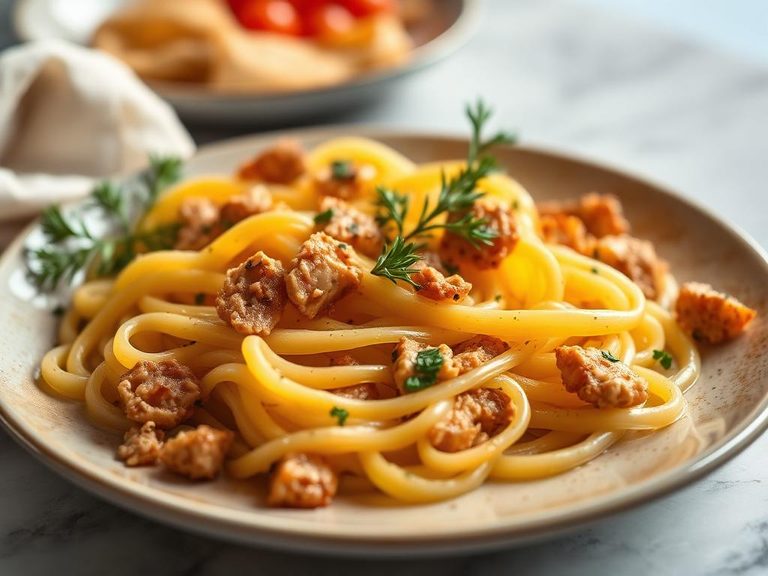
🍽️ Popular dishes

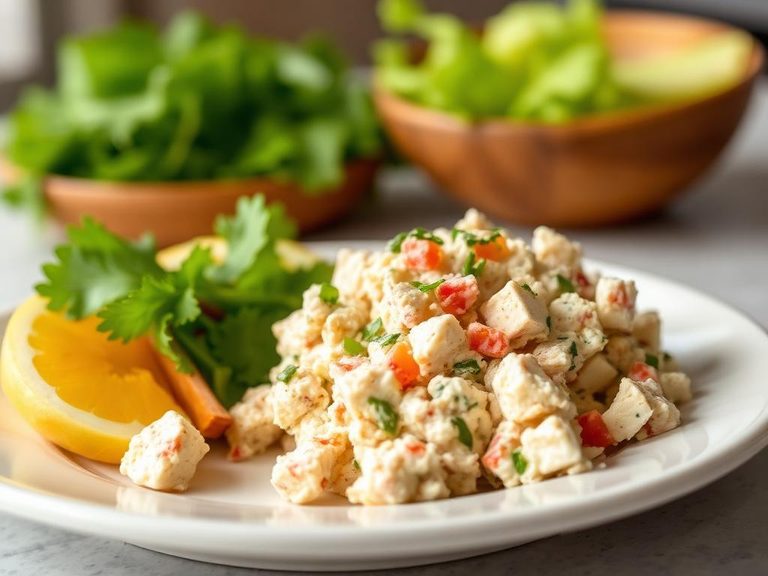
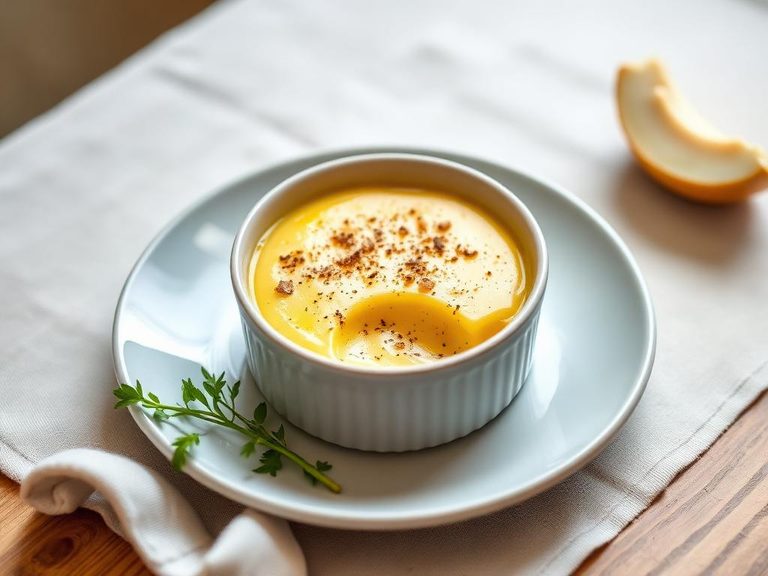
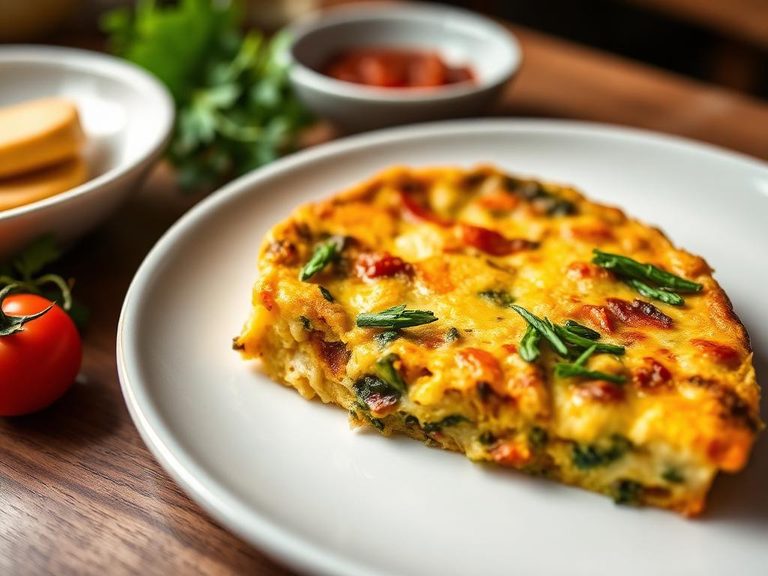
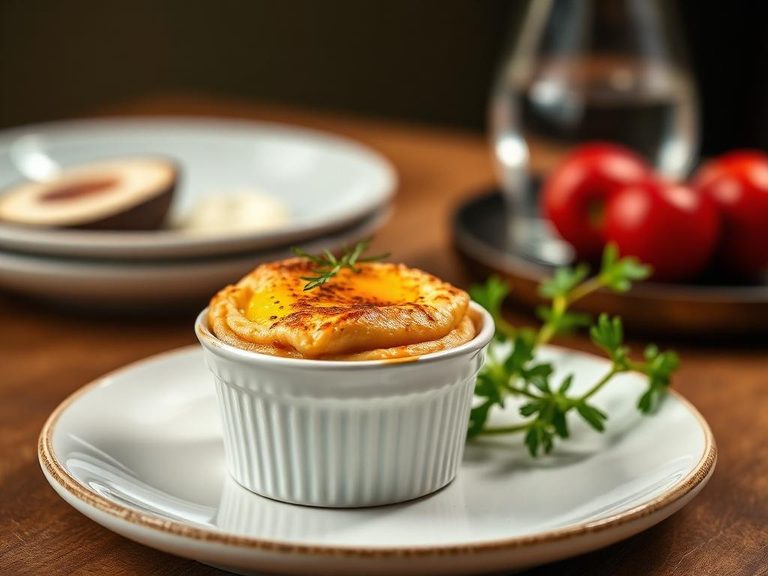
🌍 Where it's eaten
💡 Did you know?
A single turkey egg can weigh up to 79 grams—nearly double the weight of a standard large chicken egg—making it a favorite among chefs for creating exceptionally fluffy omelets and voluminous baked goods.
Full nutrition (USDA data · scales with serving)
| Water | 72.5 g |
| Energy | 171 kcal |
| Energy | 716 kj |
| Protein | 13.7 g |
| Total lipid (fat) | 11.9 g |
| Ash | 0.79 g |
| Carbohydrate, by difference | 1.1 g |
| Fiber, total dietary | 0.00 g |
| Calcium, Ca | 99.0 mg |
| Iron, Fe | 4.1 mg |
| Magnesium, Mg | 13.0 mg |
| Phosphorus, P | 170 mg |
| Potassium, K | 142 mg |
| Sodium, Na | 151 mg |
| Zinc, Zn | 1.6 mg |
| Copper, Cu | 0.06 mg |
| Manganese, Mn | 0.04 mg |
| Selenium, Se | 34.3 ug |
| Vitamin C, total ascorbic acid | 0.00 mg |
| Thiamin | 0.11 mg |
| Riboflavin | 0.47 mg |
| Niacin | 0.02 mg |
| Pantothenic acid | 1.9 mg |
| Vitamin B-6 | 0.13 mg |
| Folate, total | 71.0 ug |
| Folic acid | 0.00 ug |
| Folate, food | 71.0 ug |
| Folate, DFE | 71.0 ug |
| Vitamin B-12 | 1.7 ug |
| Vitamin A, RAE | 166 ug |
| Retinol | 166 ug |
| Vitamin A, IU | 554 iu |
Fat & fatty acid profile (per 100g)
| Fatty acids, total saturated | 3.6 g |
| SFA 4:0 | 0.00 g |
| SFA 6:0 | 0.00 g |
| SFA 8:0 | 0.00 g |
| SFA 10:0 | 0.00 g |
| SFA 12:0 | 0.00 g |
| SFA 14:0 | 0.04 g |
| SFA 16:0 | 2.7 g |
| SFA 18:0 | 0.88 g |
| Fatty acids, total monounsaturated | 4.6 g |
| MUFA 16:1 | 0.67 g |
| MUFA 18:1 | 3.9 g |
| Fatty acids, total polyunsaturated | 1.7 g |
| PUFA 18:2 | 1.2 g |
| PUFA 18:3 | 0.08 g |
| PUFA 20:4 | 0.13 g |
| Cholesterol | 933 mg |
Amino acid profile (per 100g)
| Tryptophan | 0.22 g |
| Threonine | 0.67 g |
| Isoleucine | 0.85 g |
| Leucine | 1.2 g |
| Lysine | 0.92 g |
| Methionine | 0.44 g |
| Cystine | 0.33 g |
| Phenylalanine | 0.77 g |
| Tyrosine | 0.57 g |
| Valine | 0.98 g |
| Arginine | 0.88 g |
| Histidine | 0.33 g |
| Alanine | 0.80 g |
| Aspartic acid | 1.4 g |
| Glutamic acid | 1.7 g |
| Glycine | 0.46 g |
| Proline | 0.54 g |
| Serine | 1.0 g |
FAQ
How does a turkey egg taste compared to a chicken egg?
Turkey eggs have a richer, more robust and slightly gamier flavor with a creamier texture, especially in the yolk, due to their higher fat content.
Can I substitute turkey eggs for chicken eggs in recipes?
Yes, but due to their larger size, you'll need to adjust quantities. One large turkey egg is roughly equivalent to two standard large chicken eggs.
Are turkey eggs safe to eat raw?
While some consume them raw in drinks like eggnog, it's generally recommended to cook them thoroughly to eliminate the risk of Salmonella, as with any poultry egg.
Nutrient density (calculated · NRF9.3)
Nutrient Rich Foods index: beneficial nutrients (protein, fiber, vitamins, minerals) minus saturated fat, added sugar & sodium, per 100 kcal.
NRF9.3 index — Fulgoni, Keast & Drewnowski, 2009. Computed from USDA nutrients.
Weight-loss friendliness (composite index)
Energy density 1.71 kcal/g · 32% calories from protein · 0.0 g fiber · 0.0 g sugar per 100 g.
Composite of energy density (Rolls et al., 1999), protein & fiber satiety, minus sugar. A calculated heuristic — ranks satiety-per-calorie, not a clinical measure.
Dietary load (calculated from USDA values)
Potential renal acid load. Positive = acid-forming, negative = alkaline-forming.
Sodium-to-potassium ratio: 1.06 (lower is better — aim for ≤ 1)
Sodium:potassium per WHO potassium guidance. Computed from USDA nutrients.