

Cowpeas, catjang, mature seeds, raw
Whole food · Legumes and Legume Products

Photo: Wikipedia
Catjang cowpeas are a hardy, dark-seeded legume with a firm, earthy texture and a subtly nutty, bean-like flavor that deepens when cooked. They are a nutritional powerhouse, packing over 23 grams of protein and nearly 11 grams of fiber per 100 grams, making them a staple for sustained energy and digestive health.
Calorie split: 27% protein · 68% carbs · 5% fat
↓ Full nutrition💚 Why it's loved
People love catjang cowpeas for their hearty, satisfying texture and ability to absorb flavors in stews and curries. They are a culturally significant staple in many cuisines, valued for their long shelf life and nutritional density.
⚠️ Watch-outs & how to enjoy it better
Like many legumes, they contain oligosaccharides that can cause gas and bloating, especially if not prepared properly. To counteract this, soak the dried beans for at least 8 hours or overnight, discard the soaking water, and cook thoroughly. They also contain lectins, which are neutralized by proper boiling.
Key benefits
- Excellent source of plant-based protein
- High in dietary fiber for digestive health
- Rich in folate, iron, and manganese
- Low in fat and contains no sugar
- Supports stable blood sugar levels due to low glycemic index
🍽️ Popular dishes
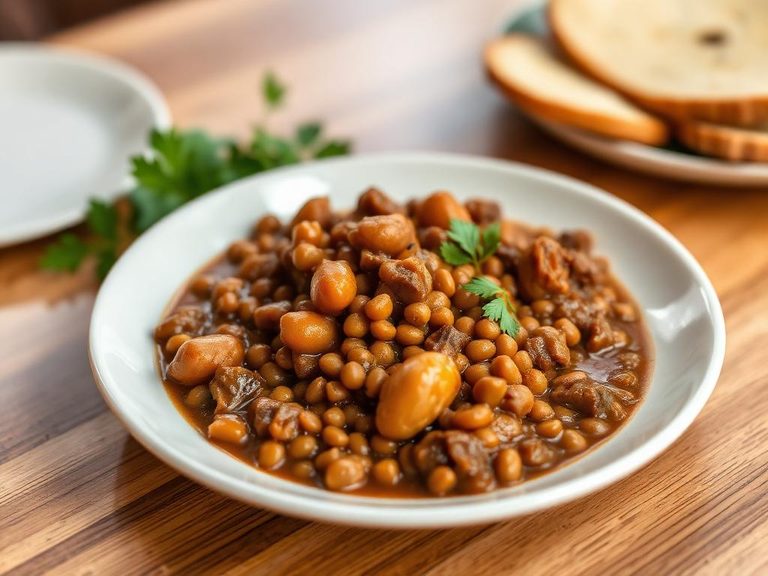
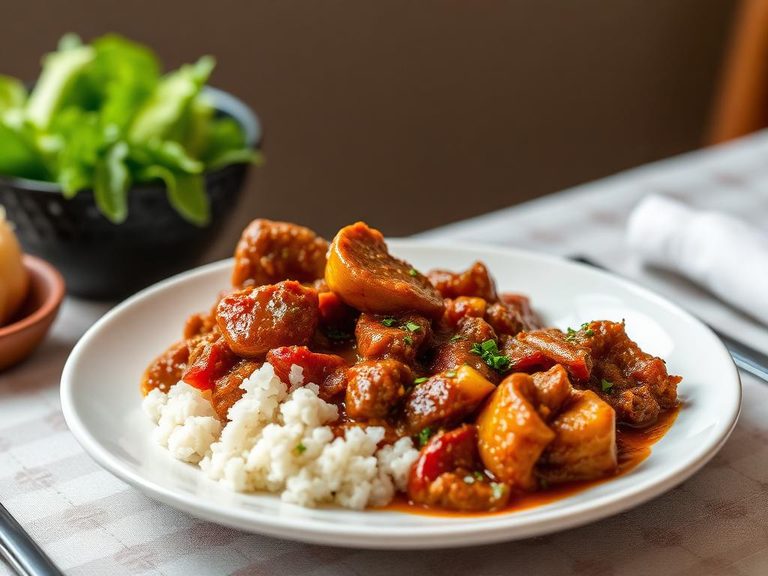
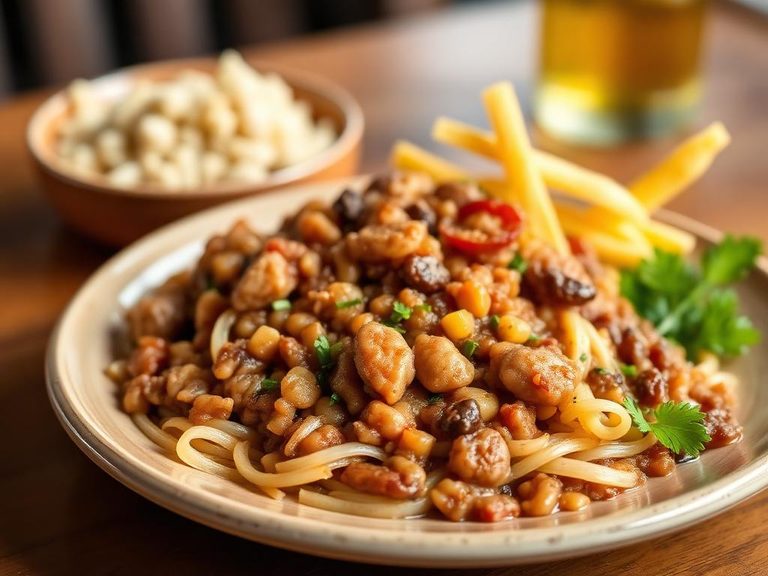
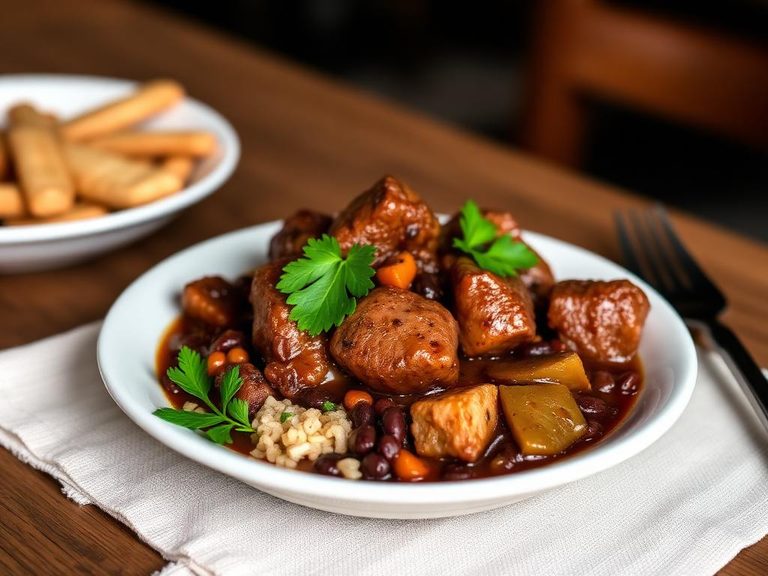
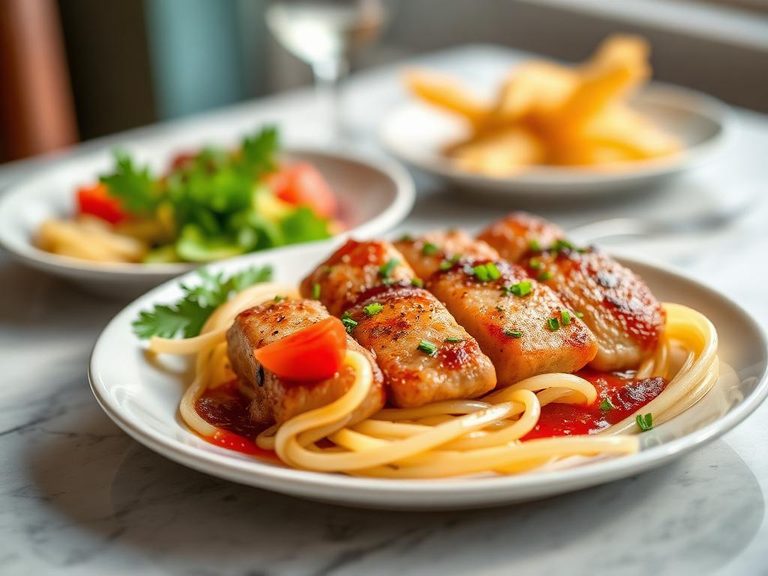
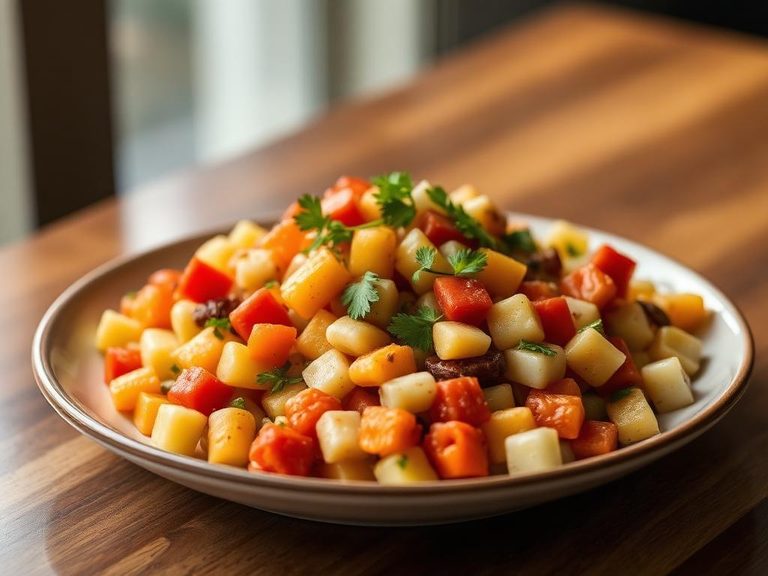
🌍 Where it's eaten
💡 Did you know?
The catjang cowpea is a close relative of the black-eyed pea and is sometimes called the 'cowpea of the south,' but it is specifically adapted to hotter, drier climates and is often grown for forage as well as food.
Full nutrition (USDA data · scales with serving)
| Water | 11.1 g |
| Energy | 343 kcal |
| Energy | 1435 kj |
| Protein | 23.9 g |
| Total lipid (fat) | 2.1 g |
| Ash | 3.4 g |
| Carbohydrate, by difference | 59.6 g |
| Fiber, total dietary | 10.7 g |
| Calcium, Ca | 85.0 mg |
| Iron, Fe | 9.9 mg |
| Magnesium, Mg | 333 mg |
| Phosphorus, P | 438 mg |
| Potassium, K | 1375 mg |
| Sodium, Na | 58.0 mg |
| Zinc, Zn | 6.1 mg |
| Copper, Cu | 1.1 mg |
| Manganese, Mn | 1.5 mg |
| Selenium, Se | 9.1 ug |
| Vitamin C, total ascorbic acid | 1.5 mg |
| Thiamin | 0.68 mg |
| Riboflavin | 0.17 mg |
| Niacin | 2.8 mg |
| Pantothenic acid | 1.5 mg |
| Vitamin B-6 | 0.36 mg |
| Folate, total | 639 ug |
| Folic acid | 0.00 ug |
| Folate, food | 639 ug |
| Folate, DFE | 639 ug |
| Vitamin B-12 | 0.00 ug |
| Vitamin A, RAE | 2.0 ug |
| Retinol | 0.00 ug |
| Vitamin A, IU | 33.0 iu |
| Vitamin D (D2 + D3), International Units | 0.00 iu |
| Vitamin D (D2 + D3) | 0.00 ug |
Fat & fatty acid profile (per 100g)
| Fatty acids, total saturated | 0.54 g |
| SFA 12:0 | 0.00 g |
| SFA 14:0 | 0.00 g |
| SFA 16:0 | 0.42 g |
| SFA 18:0 | 0.09 g |
| Fatty acids, total monounsaturated | 0.17 g |
| MUFA 16:1 | 0.01 g |
| MUFA 18:1 | 0.14 g |
| MUFA 20:1 | 0.00 g |
| MUFA 22:1 | 0.02 g |
| Fatty acids, total polyunsaturated | 0.89 g |
| PUFA 18:2 | 0.56 g |
| PUFA 18:3 | 0.33 g |
| Fatty acids, total trans | 0.00 g |
| Cholesterol | 0.00 mg |
Amino acid profile (per 100g)
| Tryptophan | 0.29 g |
| Threonine | 0.91 g |
| Isoleucine | 0.97 g |
| Leucine | 1.8 g |
| Lysine | 1.6 g |
| Methionine | 0.34 g |
| Cystine | 0.26 g |
| Phenylalanine | 1.4 g |
| Tyrosine | 0.77 g |
| Valine | 1.1 g |
| Arginine | 1.7 g |
| Histidine | 0.74 g |
| Alanine | 1.1 g |
| Aspartic acid | 2.9 g |
| Glutamic acid | 4.5 g |
| Glycine | 0.98 g |
| Proline | 1.1 g |
| Serine | 1.2 g |
FAQ
What is the difference between catjang cowpeas and black-eyed peas?
Catjang cowpeas are generally smaller, darker, and have a firmer texture than the more common black-eyed pea. They are often used interchangeably in recipes but are considered a distinct variety (Vigna unguiculata var. sinensis).
How do I cook dried catjang cowpeas?
Rinse, then soak in water for 8-12 hours. Drain, cover with fresh water, and simmer for 45-60 minutes until tender. They cook faster than many other beans and hold their shape well.
Are catjang cowpeas gluten-free?
Yes, in their natural state, catjang cowpeas are gluten-free. However, always check packaged products for cross-contamination if you have celiac disease.
Nutrient density (calculated · NRF9.3)
Nutrient Rich Foods index: beneficial nutrients (protein, fiber, vitamins, minerals) minus saturated fat, added sugar & sodium, per 100 kcal.
NRF9.3 index — Fulgoni, Keast & Drewnowski, 2009. Computed from USDA nutrients.
Weight-loss friendliness (composite index)
Energy density 3.43 kcal/g · 28% calories from protein · 10.7 g fiber · 0.0 g sugar per 100 g.
Composite of energy density (Rolls et al., 1999), protein & fiber satiety, minus sugar. A calculated heuristic — ranks satiety-per-calorie, not a clinical measure.
Dietary load (calculated from USDA values)
Potential renal acid load. Positive = acid-forming, negative = alkaline-forming.
Sodium-to-potassium ratio: 0.04 (lower is better — aim for ≤ 1)
Sodium:potassium per WHO potassium guidance. Computed from USDA nutrients.