

Karakus
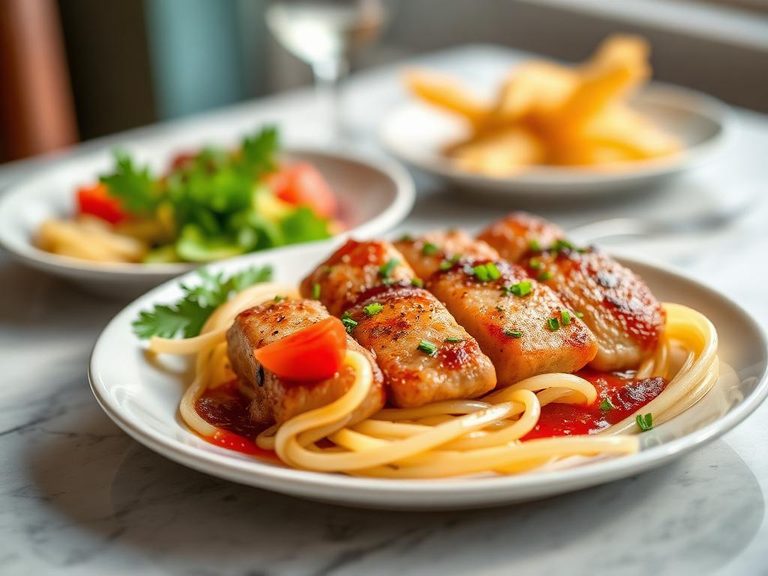
Karakus is a traditional Central Asian dish, particularly popular in Uzbekistan and Tajikistan, consisting of a hearty stew of lamb or beef cooked with potatoes, onions, and a blend of warm spices. It's a comforting, one-pot meal often prepared for family gatherings and celebrations.
🍽️ Nutrition at a glance
This dish is a balanced source of protein from the meat and carbohydrates from the potatoes, providing a good amount of energy. A typical serving offers a solid mix of B vitamins, iron, and potassium, with a calorie count generally in the range of 450-550 kcal.
Nutrition breakdown
| Calories | 500 kcal |
| Protein | 28 g |
| Carbs | 35 g |
| Fat | 25 g |
| Fiber | 4 g |
| Sugar | 3 g |
| Sodium | 650 mg |
| Iron | 3.5 mg |
| Potassium | 620 mg |
| Vitamin B6 | 0.6 mg |
| Niacin (B3) | 8 mg |
| Zinc | 4.5 mg |
| Phosphorus | 280 mg |
| Magnesium | 45 mg |
| Selenium | 18 mcg |
Per 1 bowl (300 g) · estimated, varies by recipe
💡 What's interesting
Karakus is culturally significant as a symbol of hospitality and communal eating in Central Asian cultures. Its slow-cooking method allows the flavors to meld deeply, and it's often served directly from the cooking pot (a kazan) to the table, emphasizing its rustic, shared nature.
AI estimate may be inaccurate · Terms