

Cereals ready-to-eat, QUAKER, CAP'N CRUNCH
Whole food · Breakfast Cereals

Photo: Wikipedia
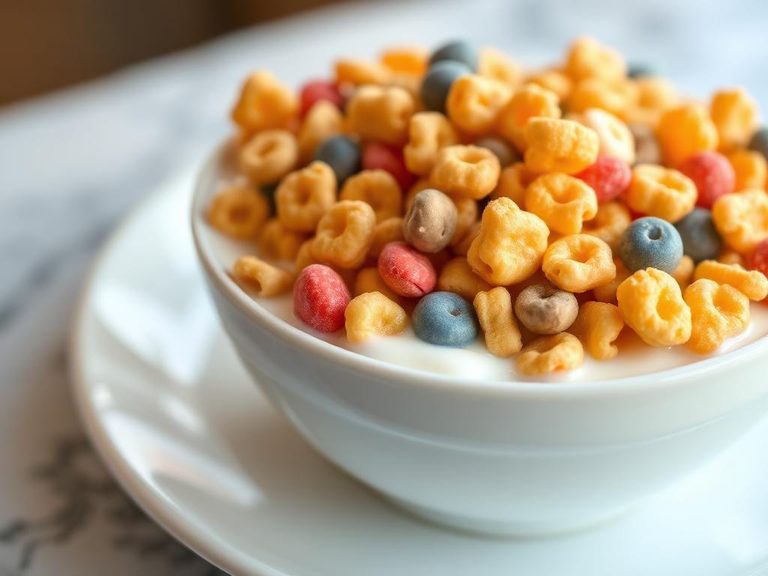
Cap'n Crunch is a sweetened, corn and oat cereal known for its distinctive yellow, boat-shaped pieces that deliver a satisfying crunch. Its flavor is intensely sweet and buttery, with a signature toasted corn taste. Nutritionally, it is a high-carbohydrate, high-sugar cereal, with over 44 grams of sugar per 100 grams, making it a treat rather than a balanced meal.
Calorie split: 4% protein · 84% carbs · 11% fat
↓ Full nutrition💚 Why it's loved
People love Cap'n Crunch for its uniquely sweet, buttery flavor and the signature crunch that holds up surprisingly well in milk. It's a cultural icon, often associated with childhood memories and a playful, indulgent breakfast experience.
⚠️ Watch-outs & how to enjoy it better
The extremely high sugar content can lead to a rapid blood-sugar spike and subsequent crash, making it a poor choice for those managing blood sugar. To mitigate this, pair it with a source of protein or healthy fat (like a handful of nuts or a side of Greek yogurt) and practice strict portion control, limiting serving to about 3/4 cup. It also contains common allergens like wheat and soy.
Key benefits
- Provides a quick source of energy from carbohydrates.
- Fortified with essential vitamins and minerals like iron and B vitamins.
- Offers a satisfying, crunchy texture for sensory enjoyment.
- A nostalgic comfort food for many generations.
🍽️ Popular dishes
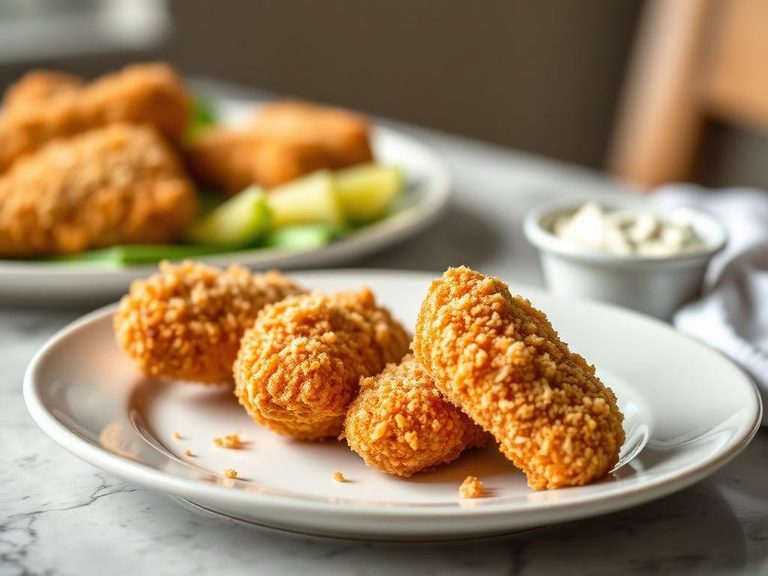
🌍 Where it's eaten
💡 Did you know?
The cereal was originally named 'Cap'n Crunch' after a character created for a 1963 advertising campaign, but the first boxes were actually sold without the character's image on the front.
Full nutrition (USDA data · scales with serving)
| Water | 2.5 g |
| Energy | 398 kcal |
| Energy | 1665 kj |
| Protein | 4.4 g |
| Total lipid (fat) | 5.1 g |
| Ash | 2.5 g |
| Carbohydrate, by difference | 85.5 g |
| Fiber, total dietary | 2.5 g |
| Total Sugars | 44.3 g |
| Calcium, Ca | 11.0 mg |
| Iron, Fe | 19.4 mg |
| Magnesium, Mg | 55.0 mg |
| Phosphorus, P | 167 mg |
| Potassium, K | 186 mg |
| Sodium, Na | 754 mg |
| Zinc, Zn | 16.2 mg |
| Copper, Cu | 0.11 mg |
| Manganese, Mn | 0.75 mg |
| Selenium, Se | 6.5 ug |
| Vitamin C, total ascorbic acid | 0.00 mg |
| Thiamin | 1.6 mg |
| Riboflavin | 1.8 mg |
| Niacin | 21.5 mg |
| Pantothenic acid | 0.14 mg |
| Vitamin B-6 | 2.1 mg |
| Folate, total | 1555 ug |
| Folic acid | 1536 ug |
| Folate, food | 19.0 ug |
| Folate, DFE | 2630 ug |
| Choline, total | 8.6 mg |
| Vitamin B-12 | 0.00 ug |
| Vitamin B-12, added | 0.00 ug |
| Vitamin A, RAE | 7.0 ug |
| Retinol | 0.00 ug |
| Carotene, beta | 67.0 ug |
| Carotene, alpha | 44.0 ug |
| Cryptoxanthin, beta | 0.00 ug |
| Vitamin A, IU | 148 iu |
| Lycopene | 0.00 ug |
| Lutein + zeaxanthin | 645 ug |
| Vitamin E (alpha-tocopherol) | 0.62 mg |
| Vitamin E, added | 0.00 mg |
| Vitamin D (D2 + D3), International Units | 0.00 iu |
| Vitamin D (D2 + D3) | 0.00 ug |
| Vitamin K (phylloquinone) | 0.60 ug |
| Alcohol, ethyl | 0.00 g |
| Caffeine | 0.00 mg |
| Theobromine | 0.00 mg |
Fat & fatty acid profile (per 100g)
| Fatty acids, total saturated | 3.3 g |
| SFA 4:0 | 0.00 g |
| SFA 6:0 | 0.02 g |
| SFA 8:0 | 0.26 g |
| SFA 10:0 | 0.20 g |
| SFA 12:0 | 1.5 g |
| SFA 14:0 | 0.58 g |
| SFA 16:0 | 0.60 g |
| SFA 18:0 | 0.13 g |
| SFA 20:0 | 0.00 g |
| SFA 22:0 | 0.00 g |
| SFA 24:0 | 0.00 g |
| Fatty acids, total monounsaturated | 0.64 g |
| MUFA 16:1 | 0.00 g |
| MUFA 18:1 | 0.64 g |
| MUFA 20:1 | 0.00 g |
| MUFA 22:1 | 0.00 g |
| MUFA 24:1 c | 0.00 g |
| Fatty acids, total polyunsaturated | 0.75 g |
| PUFA 18:2 | 0.72 g |
| PUFA 18:3 | 0.03 g |
| PUFA 18:4 | 0.00 g |
| PUFA 20:2 n-6 c,c | 0.00 g |
| PUFA 20:3 | 0.00 g |
| PUFA 20:4 | 0.00 g |
| PUFA 20:5 n-3 (EPA) | 0.00 g |
| PUFA 22:5 n-3 (DPA) | 0.00 g |
| PUFA 22:6 n-3 (DHA) | 0.00 g |
| Fatty acids, total trans | 0.02 g |
| Cholesterol | 0.00 mg |
FAQ
Is Cap'n Crunch a healthy breakfast option?
No, it is not considered a healthy option due to its very high sugar content (over 44g per 100g) and low protein and fiber. It should be consumed occasionally as a treat, not as a daily staple.
What are the main allergens in Cap'n Crunch?
The primary allergens are wheat (from the corn and oat blend) and soy. It may also contain milk derivatives.
How can I make Cap'n Crunch a more balanced meal?
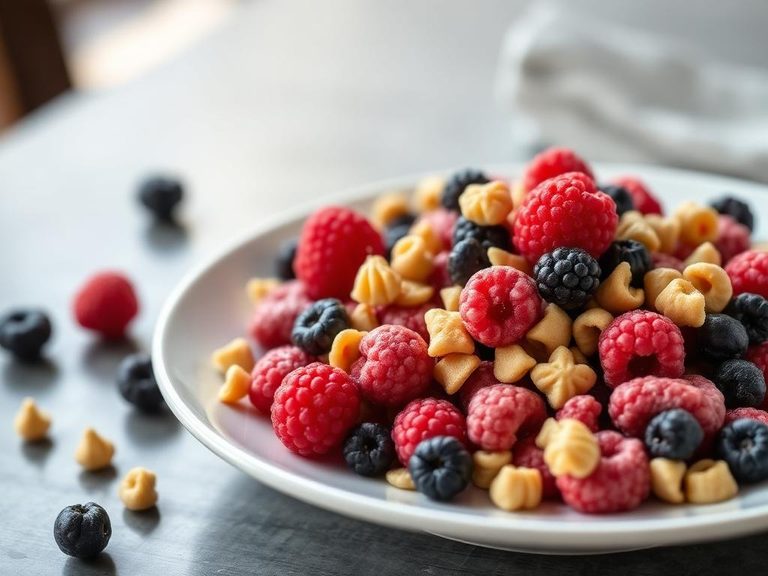
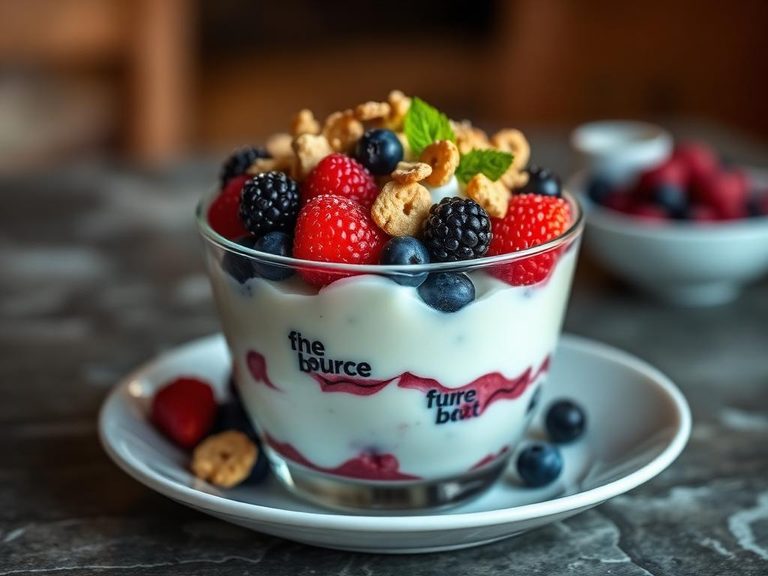
Pair it with a high-protein food like Greek yogurt, cottage cheese, or a side of eggs. Adding fresh fruit can also increase fiber and nutrient density, and using a smaller portion of cereal helps manage sugar intake.
Nutrient density (calculated · NRF9.3)
Nutrient Rich Foods index: beneficial nutrients (protein, fiber, vitamins, minerals) minus saturated fat, added sugar & sodium, per 100 kcal.
NRF9.3 index — Fulgoni, Keast & Drewnowski, 2009. Computed from USDA nutrients.
Weight-loss friendliness (composite index)
Energy density 3.98 kcal/g · 4% calories from protein · 2.5 g fiber · 44.3 g sugar per 100 g.
Composite of energy density (Rolls et al., 1999), protein & fiber satiety, minus sugar. A calculated heuristic — ranks satiety-per-calorie, not a clinical measure.
Dietary load (calculated from USDA values)
Potential renal acid load. Positive = acid-forming, negative = alkaline-forming.
Sodium-to-potassium ratio: 4.05 (lower is better — aim for ≤ 1)
Sodium:potassium per WHO potassium guidance. Computed from USDA nutrients.