

Buttermilk, low fat
Whole food · Dairy and Egg Products

Photo: Wikipedia
Low-fat buttermilk is a cultured dairy drink with a thin, pourable consistency and a distinctively tangy, slightly sour flavor. It's the liquid traditionally left after churning butter, though modern versions are often cultured from skim milk. Nutritionally, it's a lean source of protein and carbs, with minimal fat.
Calorie split: 32% protein · 45% carbs · 23% fat
↓ Full nutrition💚 Why it's loved
People love it for its refreshing, tangy zing that cuts through richness, and its incredible versatility as both a beverage and a key ingredient in baking for tenderizing batters and activating baking soda.
⚠️ Watch-outs & how to enjoy it better
Its strong sour taste can be an acquired one. Those with lactose intolerance or a dairy allergy should avoid it, though the fermentation process reduces lactose. To mitigate digestive issues, start with small portions or pair it with a starchy food like a biscuit.
Key benefits
- Rich in probiotics for gut health
- Good source of calcium and phosphorus
- Low in fat and calories
- Contains potassium and B vitamins
- May aid in digestion and nutrient absorption
🍽️ Popular dishes
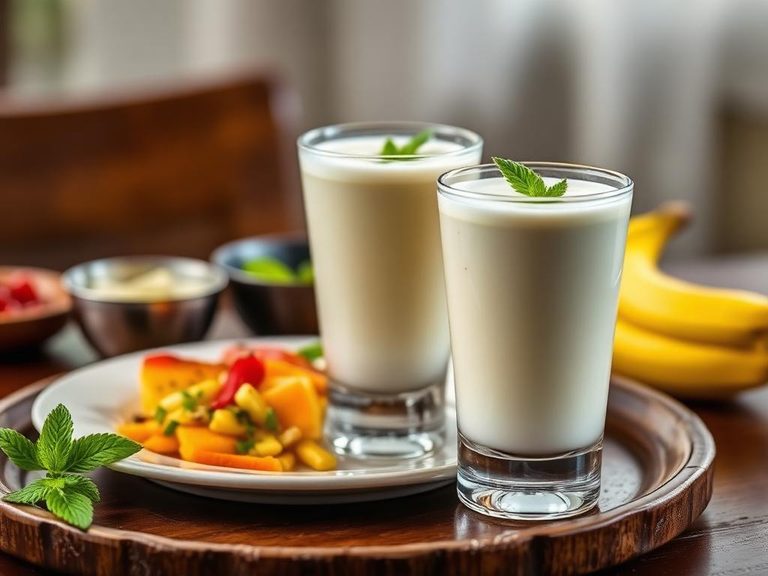
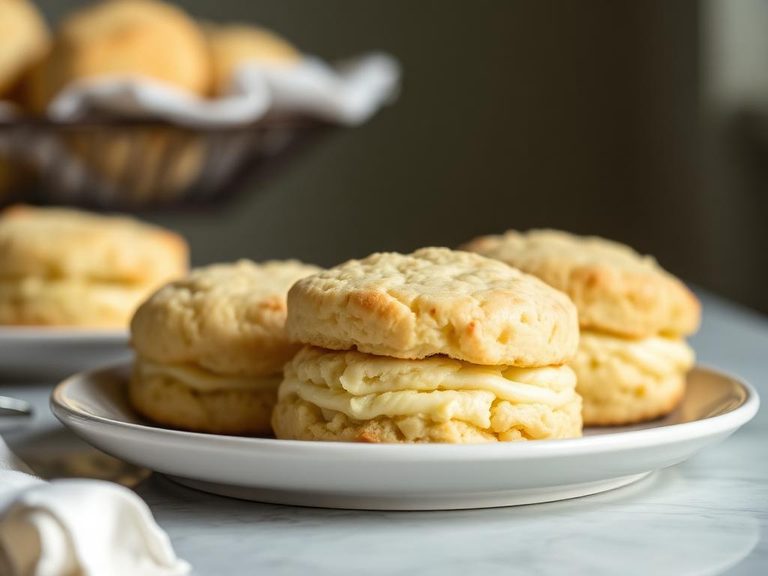
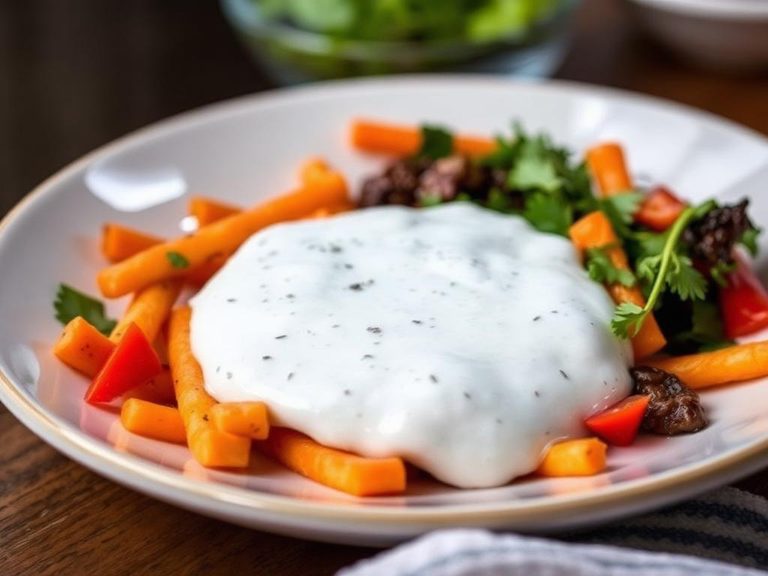
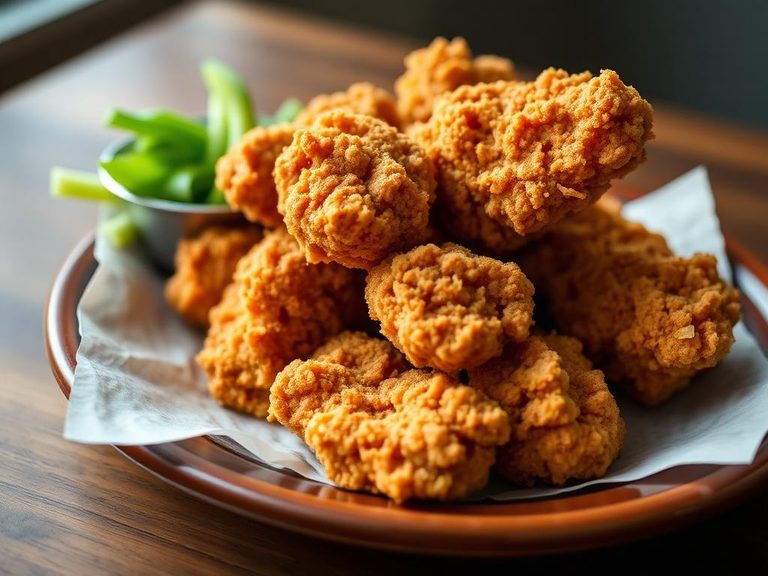
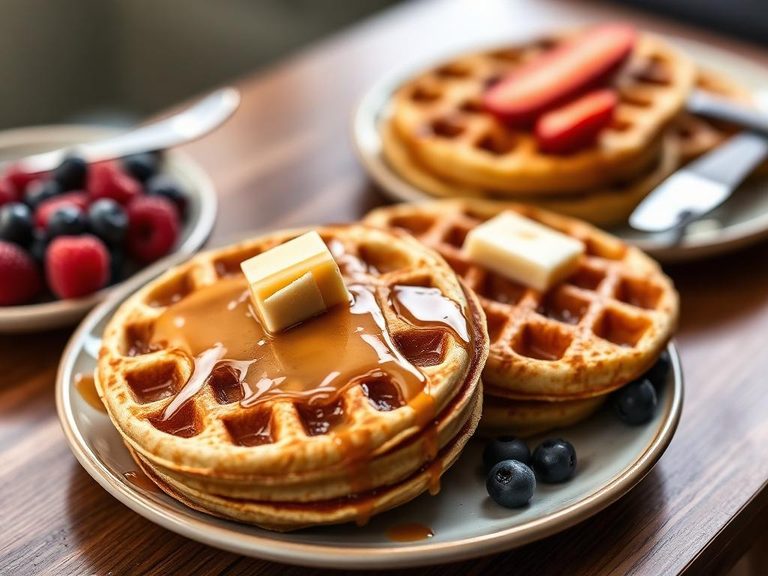
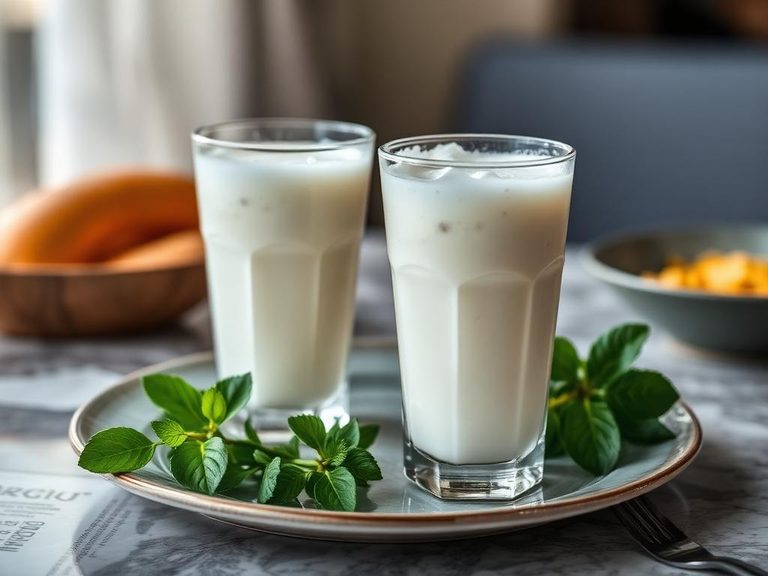
🌍 Where it's eaten
💡 Did you know?
The name 'buttermilk' is a historical misnomer; traditional buttermilk contains no butter and is the thin, acidic byproduct left after butter is churned from cream.
Full nutrition (USDA data · scales with serving)
| Water | 89.8 g |
| Energy (Atwater General Factors) | 42.8 kcal |
| Energy (Atwater Specific Factors) | 42.9 kcal |
| Nitrogen | 0.54 g |
| Protein | 3.5 g |
| Total lipid (fat) | 1.1 g |
| Ash | 0.85 g |
| Carbohydrate, by difference | 4.8 g |
| Sucrose | 0.00 g |
| Glucose | 0.00 g |
| Fructose | 0.00 g |
| Lactose | 3.7 g |
| Maltose | 0.00 g |
| Galactose | 0.00 g |
| Calcium, Ca | 120 mg |
| Iron, Fe | 0.01 mg |
| Magnesium, Mg | 11.0 mg |
| Phosphorus, P | 92.2 mg |
| Potassium, K | 158 mg |
| Sodium, Na | 92.5 mg |
| Zinc, Zn | 0.43 mg |
| Copper, Cu | 0.00 mg |
| Manganese, Mn | 0.00 mg |
| Iodine, I | 34.2 ug |
| Thiamin | 0.05 mg |
| Riboflavin | 0.20 mg |
| Niacin | 0.13 mg |
| Vitamin B-6 | 0.04 mg |
| Biotin | 0.00 ug |
| Retinol | 36.0 ug |
| Vitamin D (D2 + D3), International Units | 21.7 iu |
| Vitamin D (D2 + D3) | 0.54 ug |
| Vitamin D2 (ergocalciferol) | 0.00 ug |
| Vitamin D3 (cholecalciferol) | 0.54 ug |
| Vitamin K (phylloquinone) | 0.00 ug |
| Vitamin K (Dihydrophylloquinone) | 0.00 ug |
| Vitamin K (Menaquinone-4) | 0.30 ug |
Fat & fatty acid profile (per 100g)
| Fatty acids, total saturated | 0.55 g |
| SFA 12:0 | 0.03 g |
| SFA 14:0 | 0.09 g |
| SFA 16:0 | 0.26 g |
| SFA 18:0 | 0.09 g |
| Fatty acids, total monounsaturated | 0.20 g |
| PUFA 18:2 n-6 c,c | 0.02 g |
| Cholesterol | 4.8 mg |
Amino acid profile (per 100g)
Estimated from Milk, buttermilk, fluid, cultured, reduced fat — USDA does not publish this profile for Buttermilk.
| Tryptophan | 0.05 g |
| Threonine | 0.17 g |
| Isoleucine | 0.21 g |
| Leucine | 0.39 g |
| Lysine | 0.34 g |
| Methionine | 0.11 g |
| Cystine | 0.03 g |
| Phenylalanine | 0.21 g |
| Tyrosine | 0.21 g |
| Valine | 0.27 g |
| Arginine | 0.12 g |
| Histidine | 0.12 g |
| Alanine | 0.14 g |
| Aspartic acid | 0.35 g |
| Glutamic acid | 0.92 g |
| Glycine | 0.08 g |
| Proline | 0.40 g |
| Serine | 0.25 g |
FAQ
Is low-fat buttermilk the same as regular buttermilk?
Not exactly. Traditional buttermilk is the thin, tangy liquid left after churning butter, which is naturally low in fat. Most commercial 'buttermilk' today, including low-fat versions, is made by adding bacterial cultures to skim or low-fat milk, resulting in a similar tangy product.
Can I use low-fat buttermilk in baking?
Yes, it's excellent for baking. Its acidity reacts with baking soda to create lift and a tender crumb in pancakes, biscuits, and cakes. It also adds a subtle tang that balances sweetness.
How long does opened buttermilk last?
Once opened, it should be tightly sealed and refrigerated. It typically remains good for about 1-2 weeks past the printed date, but always check for off smells or mold before using.
Nutrient density (calculated · NRF9.3)
Nutrient Rich Foods index: beneficial nutrients (protein, fiber, vitamins, minerals) minus saturated fat, added sugar & sodium, per 100 kcal.
NRF9.3 index — Fulgoni, Keast & Drewnowski, 2009. Computed from USDA nutrients.
Weight-loss friendliness (composite index)
Energy density 0.43 kcal/g · 32% calories from protein · 0.0 g fiber · 0.0 g sugar per 100 g.
Composite of energy density (Rolls et al., 1999), protein & fiber satiety, minus sugar. A calculated heuristic — ranks satiety-per-calorie, not a clinical measure.
Dietary load (calculated from USDA values)
Potential renal acid load. Positive = acid-forming, negative = alkaline-forming.
Sodium-to-potassium ratio: 0.59 (lower is better — aim for ≤ 1)
Sodium:potassium per WHO potassium guidance. Computed from USDA nutrients.