

Beans, snap, green, canned, no salt added, solids and liquids
Whole food · Vegetables and Vegetable Products

Photo: Wikipedia
These are tender, crisp green beans preserved in water, offering a clean, vegetal snap with a mild, slightly grassy flavor. Their texture is pleasantly firm yet yielding, and they provide a notable boost of dietary fiber with minimal calories.
Calorie split: 18% protein · 77% carbs · 5% fat
↓ Full nutrition💚 Why it's loved
People love them for their satisfying crunch and mild flavor that acts as a perfect canvas for dressings, spices, or simply butter and pepper. They are a beloved, time-saving staple for quick salads, casseroles, and side dishes.
⚠️ Watch-outs & how to enjoy it better
The primary concern is the potential for a soft, sometimes mushy texture compared to fresh beans. To counteract this, drain and rinse them well, then briefly sauté or blanch in hot water to restore some snap. Those monitoring sodium should always choose 'no salt added' varieties.
Key benefits
- Low-calorie, high-fiber vegetable
- Good source of plant-based protein
- Naturally fat-free and sugar-free
- Provides essential vitamins like Vitamin K
- Convenient, no-cook pantry staple
🍽️ Popular dishes
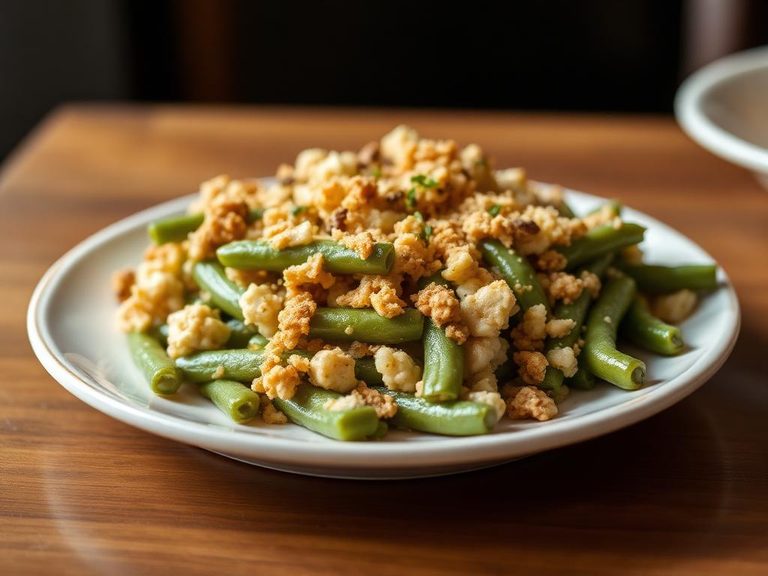
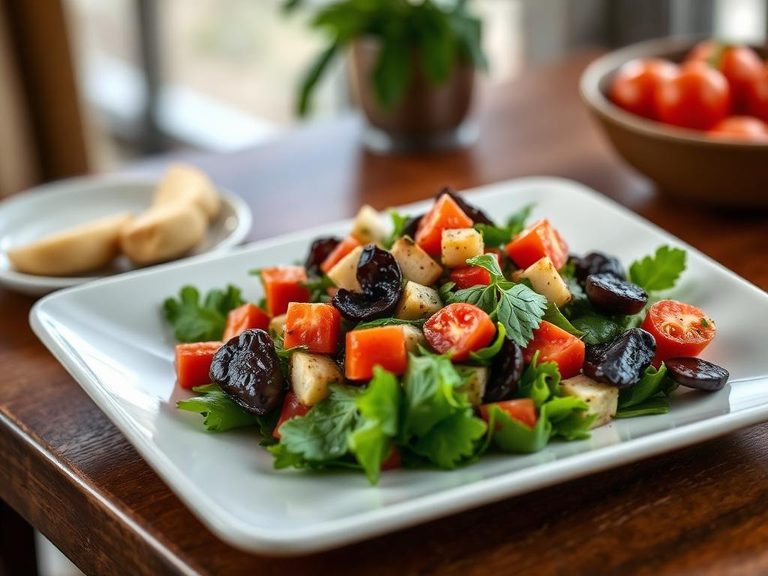
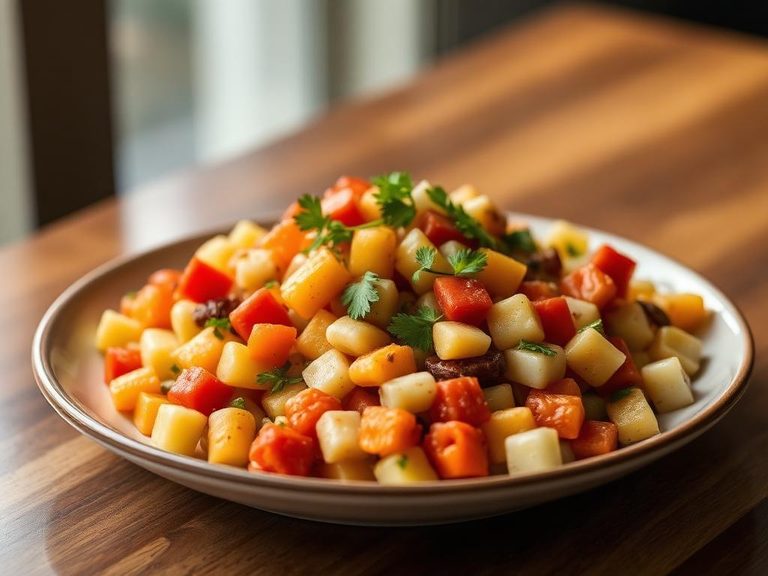
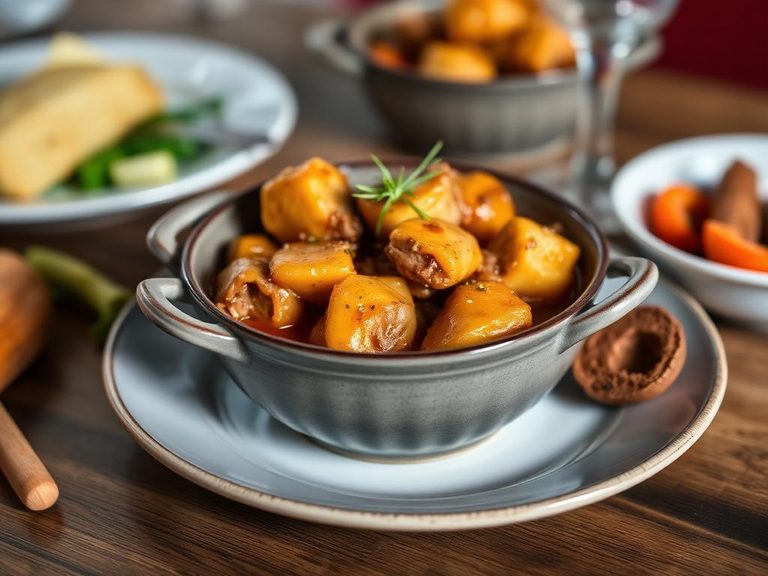
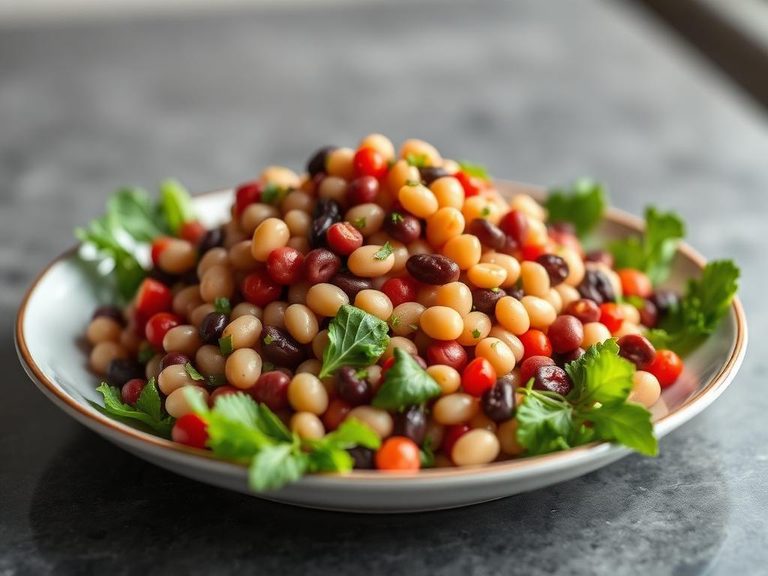
🌍 Where it's eaten
💡 Did you know?
The 'cassoulet' bean is a different variety, but green beans are a key ingredient in the classic French salad Niçoise, where their crisp texture contrasts with the soft tuna and egg.
Full nutrition (USDA data · scales with serving)
| Water | 94.7 g |
| Energy | 15.0 kcal |
| Energy | 64.0 kj |
| Protein | 0.80 g |
| Total lipid (fat) | 0.10 g |
| Ash | 0.92 g |
| Carbohydrate, by difference | 3.5 g |
| Fiber, total dietary | 1.5 g |
| Calcium, Ca | 24.0 mg |
| Iron, Fe | 0.90 mg |
| Magnesium, Mg | 13.0 mg |
| Phosphorus, P | 19.0 mg |
| Potassium, K | 92.0 mg |
| Sodium, Na | 14.0 mg |
| Zinc, Zn | 0.20 mg |
| Copper, Cu | 0.07 mg |
| Manganese, Mn | 0.34 mg |
| Selenium, Se | 0.20 ug |
| Vitamin C, total ascorbic acid | 3.4 mg |
| Thiamin | 0.03 mg |
| Riboflavin | 0.05 mg |
| Niacin | 0.20 mg |
| Pantothenic acid | 0.11 mg |
| Vitamin B-6 | 0.03 mg |
| Folate, total | 18.0 ug |
| Folic acid | 0.00 ug |
| Folate, food | 18.0 ug |
| Folate, DFE | 18.0 ug |
| Vitamin B-12 | 0.00 ug |
| Vitamin B-12, added | 0.00 ug |
| Vitamin A, RAE | 16.0 ug |
| Retinol | 0.00 ug |
| Vitamin A, IU | 321 iu |
| Vitamin E (alpha-tocopherol) | 0.14 mg |
| Vitamin E, added | 0.00 mg |
| Vitamin D (D2 + D3), International Units | 0.00 iu |
| Vitamin D (D2 + D3) | 0.00 ug |
| Alcohol, ethyl | 0.00 g |
Fat & fatty acid profile (per 100g)
| Fatty acids, total saturated | 0.02 g |
| SFA 14:0 | 0.00 g |
| SFA 16:0 | 0.02 g |
| SFA 18:0 | 0.00 g |
| Fatty acids, total monounsaturated | 0.00 g |
| MUFA 16:1 | 0.00 g |
| MUFA 18:1 | 0.00 g |
| Fatty acids, total polyunsaturated | 0.05 g |
| PUFA 18:2 | 0.02 g |
| PUFA 18:3 | 0.03 g |
| Fatty acids, total trans | 0.00 g |
| Cholesterol | 0.00 mg |
Amino acid profile (per 100g)
| Tryptophan | 0.01 g |
| Threonine | 0.04 g |
| Isoleucine | 0.03 g |
| Leucine | 0.05 g |
| Lysine | 0.04 g |
| Methionine | 0.01 g |
| Cystine | 0.01 g |
| Phenylalanine | 0.03 g |
| Tyrosine | 0.02 g |
| Valine | 0.04 g |
| Arginine | 0.03 g |
| Histidine | 0.01 g |
| Alanine | 0.04 g |
| Aspartic acid | 0.11 g |
| Glutamic acid | 0.08 g |
| Glycine | 0.03 g |
| Proline | 0.03 g |
| Serine | 0.04 g |
FAQ
Are canned green beans as nutritious as fresh?
Yes, for most nutrients like fiber and minerals. The canning process can reduce heat-sensitive vitamins like Vitamin C, but the beans retain their core nutritional benefits and fiber content.
Why do canned green beans sometimes taste metallic?
This can happen if the can is damaged or if the beans are stored for too long. Always check for dents or bulges, and transfer leftovers to a glass container. Rinsing them thoroughly before use helps remove any canning liquid taste.
Can I use the liquid from the can?
For 'no salt added' beans, the liquid is just water and bean nutrients. You can use it to add flavor and body to soups, stews, or sauces, though it may have a starchy taste.
Nutrient density (calculated · NRF9.3)
Nutrient Rich Foods index: beneficial nutrients (protein, fiber, vitamins, minerals) minus saturated fat, added sugar & sodium, per 100 kcal.
NRF9.3 index — Fulgoni, Keast & Drewnowski, 2009. Computed from USDA nutrients.
Weight-loss friendliness (composite index)
Energy density 0.15 kcal/g · 21% calories from protein · 1.5 g fiber · 0.0 g sugar per 100 g.
Composite of energy density (Rolls et al., 1999), protein & fiber satiety, minus sugar. A calculated heuristic — ranks satiety-per-calorie, not a clinical measure.
Dietary load (calculated from USDA values)
Potential renal acid load. Positive = acid-forming, negative = alkaline-forming.
Sodium-to-potassium ratio: 0.15 (lower is better — aim for ≤ 1)
Sodium:potassium per WHO potassium guidance. Computed from USDA nutrients.